Discover seven trusted, veterinary recommended bird feed options plus species-wise menus, transition steps, and fresh-food pairings for vibrant health.
- 🌟 Introduction
- 🪶 1. Harrison’s Bird Foods — The Organic Pioneer of Avian Nutrition
- 🌾 2. ZuPreem Natural Pellets — Balanced Nutrition Without the Dyes
- 🌻 3. Kaytee Exact Rainbow Pellets — Science in Every Bite
- 🌿 4. Lafeber’s Nutri-Berries — Nutrition Meets Enrichment
- 🌾 5. TOP’s Parrot Food — 100% Organic and GMO-Free
- 🌾 6. Vitapol Economic Seed Mix — Affordable Health for Small Birds
- 🌾 7. Versele-Laga Prestige — Precision Nutrition from Europe
- 🪺 Building a Balanced Feeding Routine
- 🧠 2. Why Veterinary-Approved Feeds Matter So Much
- 🌿 Transition Plan: Step-by-Step
- 🧩 Common Mistakes Bird Owners Make
- 🌈 Signs of a Perfect Diet
- 🧠 Advanced Tips from Avian Vets
- 💚 Fresh Foods That Boost Pellet Nutrition
- 🧩 Understanding Your Bird’s Unique Needs
- 🕊️ Conclusion
🌟 Introduction
If you have ever wondered why some birds look radiant, playful, and full of song while others appear dull or lethargic, the answer often lies in nutrition. A well-balanced diet is the heart of avian wellness, and nothing guarantees that balance better than a veterinary recommended bird feed.
Birds in the wild spend their days foraging across dozens of plants and food sources. In captivity, however, their nutrition depends entirely on what we provide. That makes your choice of veterinary recommended bird feed one of the most important decisions for your pet’s health, longevity, and happiness.
A complete, properly balanced formula strengthens feathers, enhances immune function, and supports breeding, molting, and daily vitality. The wrong mix, on the other hand, can silently create deficiencies that lead to feather plucking, weak bones, infections, or even behavioral issues. When you pick a veterinary recommended bird feed, you’re relying on a product developed under scientific supervision—one that meets precise nutrient ratios of proteins, fats, vitamins, and minerals suited to avian biology.
This guide lists and reviews seven of the best options available today. You’ll also learn how to use each product effectively, how to transition from seeds to pellets, and how to complement pellets with safe greens and vegetables. Whether you care for a cockatiel, budgie, macaw, or finch, this list will help you make informed, confident choices backed by avian veterinarians.
🪶 1. Harrison’s Bird Foods — The Organic Pioneer of Avian Nutrition
Few brands have transformed the pet-bird world as profoundly as Harrison’s Bird Foods. Formulated by Dr. Greg Harrison, one of the first board-certified avian veterinarians, it marked a turning point from random seed blends to clinical-grade nutrition. Every pellet in this veterinary recommended bird feed embodies decades of medical observation and nutritional biochemistry.
From Clinic to Kitchen
In the late 1980s, Dr. Harrison noticed a pattern: birds fed commercial seed mixes developed fatty-liver disease, dull feathers, and chronic vitamin-A deficiency. These conditions improved dramatically when birds received balanced, pellet-based diets. That discovery became the foundation of this pioneering veterinary recommended bird feed line.
What Makes Harrison’s Different
Unlike typical pellets extruded under high heat, Harrison’s uses cold-pressing, a slower process that safeguards enzymes, antioxidants, and naturally occurring carotenoids. The feed relies on whole-grain ingredients—brown rice, barley, sunflower kernels, and ground flax—ensuring complex carbohydrates and essential fatty acids reach the digestive tract intact. This structure mimics how wild parrots extract nutrients from raw seeds and plants, giving Harrison’s its reputation as a holistic veterinary recommended bird feed that feels “alive.”
Tailored Formulas
- High Potency Coarse for breeding pairs and molting seasons
- Adult Lifetime for everyday maintenance
- Power Treats with red-palm fruit oil for feather conditioning
- Fine Grind for smaller species like cockatiels and lovebirds
Each variant eliminates synthetic preservatives and chemical colorants, instead relying on tocopherols and rosemary as natural stabilizers.
Deep Health Benefits
Regular feeding with this veterinary recommended bird feed can:
- Strengthen immune response by stabilizing gut microflora
- Maintain ideal calcium-phosphorus balance, reducing egg-binding risks
- Improve liver metabolism and detox efficiency
- Produce steady behavior by leveling blood-sugar swings
Transition Wisdom
Patience is crucial. Many birds imprint on seed textures, so start by hand-offering pellets as treats. When curiosity sets in, blend 25 % Harrison’s into the existing mix. Within three weeks, you can reach 70 %. During the changeover, watch droppings—firm green-brown with a white cap means digestion is solid.
Finally, store the bag in cool darkness. Natural oils in this veterinary recommended bird feed are sensitive to light and oxygen; freshness preservation keeps its clinical precision intact. It’s no exaggeration that thousands of avian specialists worldwide consider Harrison’s the “benchmark diet” against which all other feeds are measured.
Feeding Tips
Begin by mixing 25% Harrison’s pellets with 75% of your bird’s current diet. Gradually increase the percentage each week until it replaces most of the old mix. Birds adapt easily when the veterinary recommended bird feed smells familiar, so keep transition slow and steady.
🌾 2. ZuPreem Natural Pellets — Balanced Nutrition Without the Dyes
ZuPreem has become a household name for bird lovers who want reliable nutrition without artificial colors. Its Natural line provides a wholesome, uniform pellet that delivers a steady supply of amino acids, vitamins, and minerals in every bite.
What Makes It Stand Out
Consistency. Each piece of this veterinary recommended bird feed carries the same nutrient load, so selective eaters can’t skip their vitamins. The pellets are fortified with vitamin A for eye and skin health and vitamin D3 for calcium absorption—two nutrients that seed diets often lack.
Key Advantages
- Suitable for cockatiels, lovebirds, conures, and smaller parrots
- No added dyes or sugary coatings
- Promotes clear eyes, glossy feathers, and steady energy
- Reduces waste because birds can’t “pick and choose”
Vet Insight
Many avian vets call ZuPreem the most “accessible” veterinary recommended bird feed for new owners. It’s affordable, easy to find, and nutritionally safe for everyday use.
Feeding Guidance
Introduce pellets by offering them first thing in the morning when birds are hungriest. Mix 50% ZuPreem with your old seed mix for one week, then increase the ratio until pellets dominate the bowl.
🌻 3. Kaytee Exact Rainbow Pellets — Science in Every Bite
Kaytee Exact Rainbow pellets are colorful, nutrient-uniform bits designed to stop selective feeding behavior. While the colors are food-grade safe, the real benefit is what’s inside.
Nutritional Profile
Each pellet contains the same carefully measured combination of carbohydrates, plant proteins, omega-3 fatty acids, and probiotics. For birds that tend to overeat certain seeds or neglect greens, this veterinary recommended bird feed ensures balanced intake meal after meal.
Benefits
- Encourages consistent nutrition and digestion
- Contains natural prebiotics for stronger gut flora
- Promotes mental stimulation through visual variety
- Especially effective for cockatiels, parakeets, and small parrots
Vet-Approved Strategy
Veterinarians often suggest Kaytee Exact for birds that refuse to eat uniform brown pellets. The color differentiation sparks curiosity, helping owners successfully switch to a veterinary recommended bird feed pattern without frustration.
🌿 4. Lafeber’s Nutri-Berries — Nutrition Meets Enrichment
Birds don’t just eat—they forage. Lafeber’s Nutri-Berries embrace that instinct. Each round “berry” combines whole grains, seeds, and pellets bound together with a touch of molasses. This texture encourages natural beak exercise and slows down eating, turning meals into playtime.
Why Vets Endorse It
Avian veterinarians love Nutri-Berries because they combine complete nutrition with psychological enrichment. Birds that tend to pluck feathers, scream, or pace out of boredom often calm down when they can roll, hold, and manipulate food. That’s why this is not merely food—it’s therapy in edible form, and a cornerstone of many veterinary recommended bird feed routines.
Highlights
- Available in flavors such as Tropical Fruit, Garden Veggie, and Original
- Balanced mix of proteins, fats, and carbohydrates
- Fortified with omega-3 and omega-6 fatty acids for glossy plumage
- Suitable for parrots, cockatiels, and conures of all ages
Pro Tip
Use Nutri-Berries as 30–40% of the diet, with the remainder from pellets. Combining this product with a base veterinary recommended bird feed keeps nutrition even while adding excitement to feeding time.
🌾 5. TOP’s Parrot Food — 100% Organic and GMO-Free
TOP’s (Totally Organic Pellets) is the cleanest formula in the market for eco-conscious bird owners. It contains alfalfa, quinoa, barley, sesame, and flaxseed—all cold-pressed, never baked.
Why It’s a Vet Favorite
TOP’s avoids corn, soy, and added sugars. Birds prone to allergies or gastrointestinal upset thrive on this veterinary recommended bird feed because it’s free from common irritants. It’s also vegan and certified organic, appealing to owners who value transparency and purity.
Key Benefits
- Non-GMO, fully organic ingredients
- Promotes strong bones and beak integrity
- Excellent for sensitive birds or post-illness recovery
- Cold-pressed to preserve nutrients
Serving Advice
Some birds prefer pellets slightly softened. Mist lightly with water or unsweetened fruit juice before serving. Blending a softened version with your bird’s regular veterinary recommended bird feed encourages even picky eaters to transition easily.
🌾 6. Vitapol Economic Seed Mix — Affordable Health for Small Birds
Vitapol offers dependable quality for bird owners on a budget. The Economic range is fortified with essential vitamins and carefully cleaned seeds, providing a safe foundation for small birds like finches, canaries, and budgerigars.
Why Vets Still Approve It
Even though pellets are ideal, not every bird adapts instantly. For new owners, this seed mix works as an introductory veterinary recommended bird feed before moving to more sophisticated pellets. The mix includes canary grass seed, white millet, and vitamin-coated grains, ensuring that even traditional diets meet a minimum nutritional baseline.
Feeding Wisdom
Combine Vitapol seed with chopped greens or sprouted seeds three times weekly. Gradual variety is the secret to keeping small birds interested while aligning with a veterinary recommended bird feed approach.
🌾 7. Versele-Laga Prestige — Precision Nutrition from Europe
Versele-Laga, based in Belgium, brings decades of European avian research into one exceptional range. The Prestige line features premium seeds fortified with spirulina and oyster-shell grit.
What Makes It Shine
This is one of the few veterinary recommended bird feed options that tailors blends by species—canary, cockatiel, parrot, finch, and more. The spirulina boosts immunity, while oyster shells provide natural calcium for skeletal strength and egg formation.
Benefits
- Improves fertility and chick health in breeding pairs
- Strengthens feather color and resilience
- Encourages better digestion and bone health
- Ideal for owners who prefer seed-based diets with professional quality
Feeding Technique
Serve Prestige as 40–50% of the total ration, complemented by pellets and fresh produce. This dual system ensures that your veterinary recommended bird feed covers both physical and behavioral needs.
🪺 Building a Balanced Feeding Routine
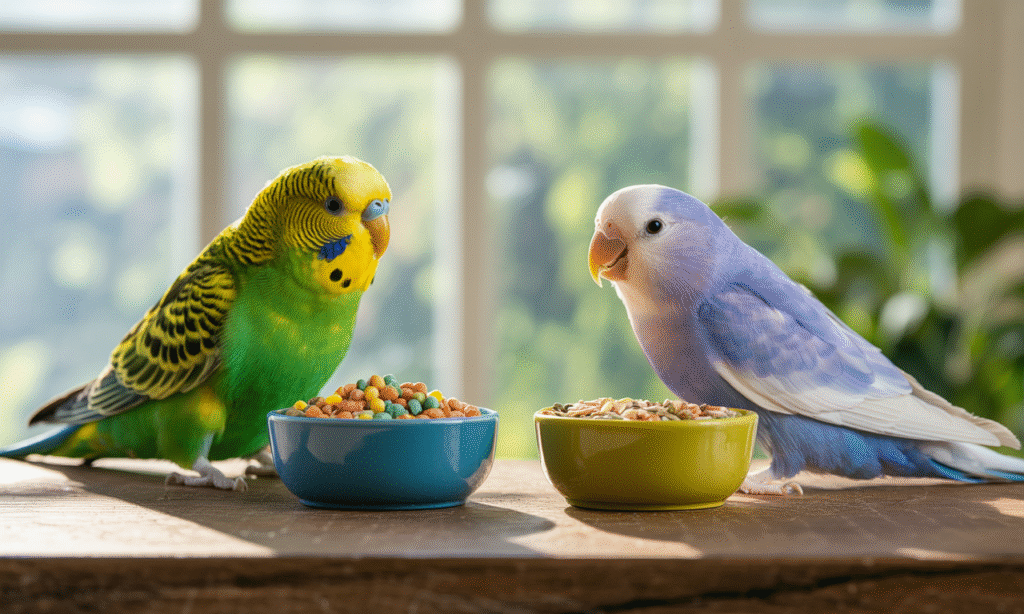
Veterinary nutritionists recommend a mix that mirrors natural eating patterns while meeting modern nutrient standards. The general guideline is:
- 60–70% pellets (the primary veterinary recommended bird feed)
- 20–30% seeds or Nutri-Berries for texture and enrichment
- 10% fruits and vegetables for hydration and antioxidants
This ratio maintains stable weight and prevents deficiencies. Always keep clean water nearby; hydration supports digestion and helps birds process the nutrients in their veterinary recommended bird feed effectively.
Variety Without Chaos
Rotating between two high-quality products prevents boredom and covers minor differences in nutrient composition. For example, alternating Harrison’s with Lafeber’s once every few weeks gives both the precision of pellets and the fun of foraging—all while staying inside the veterinary recommended bird feed framework.
🧠 2. Why Veterinary-Approved Feeds Matter So Much
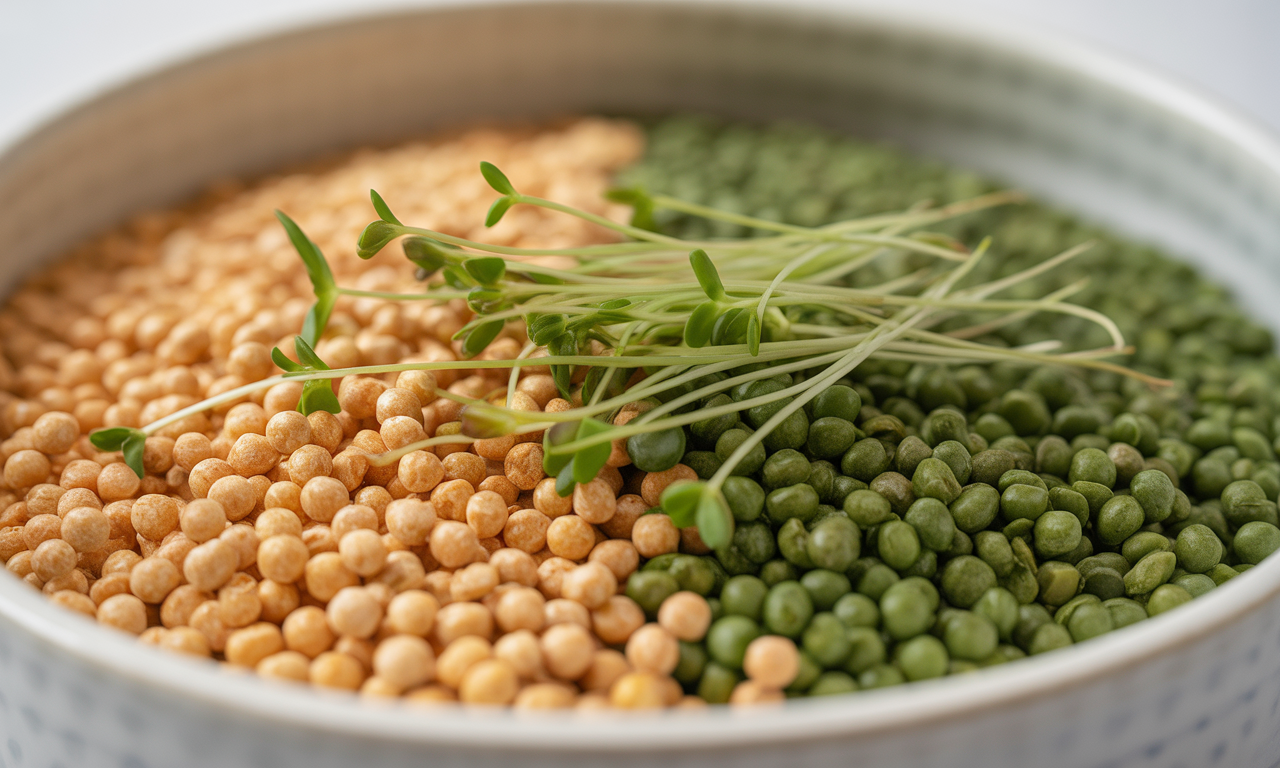
When you pick a bag labeled veterinary recommended bird feed, you’re choosing more than food—you’re choosing evidence-based care. Behind that label lies years of nutrient trials, metabolic studies, and field feedback from avian hospitals.
The Science Behind the Seal
Veterinary nutritionists test not only nutrient quantity but also bioavailability—how efficiently a bird’s gut absorbs and uses each vitamin or mineral. For example, vitamin A from red-palm oil is absorbed 10× better than the synthetic form added to cheap feeds. Similarly, the calcium-to-phosphorus ratio (about 2:1 in a premium veterinary recommended bird feed) prevents fragile bones and egg-binding. Every percentage point is tuned to biological reality.
Clinical Evidence in Action
Research from avian clinics in the US and Europe shows that parrots switched from all-seed diets to veterinary recommended bird feed show:
- 40 % fewer liver-enzyme abnormalities within six months
- Sharper plumage pigmentation after one molting cycle
- 50 % decline in chronic sinus infections related to vitamin-A deficiency
- Noticeably calmer behavior, likely due to stabilized glucose levels
These aren’t cosmetic changes—they’re markers of longer life expectancy and better emotional well-being.
Behavioral and Cognitive Impact
Balanced fats and amino acids support brain chemistry. Birds fed high-quality veterinary recommended bird feed often exhibit improved learning during training sessions, quicker social bonding, and reduced repetitive screaming. Omega-3s regulate dopamine and serotonin pathways, making nutrition a quiet form of behavioral therapy.
Sustainability and Ethics
Modern aviculture also values planet-friendly sourcing. Most top-tier manufacturers of veterinary recommended bird feed—Harrison’s, TOP’s, Lafeber’s—commit to non-GMO grains, recyclable packaging, and cruelty-free research. Feeding with integrity means supporting systems that respect both your pet and the environment that inspires it.
Economic Perspective
Although premium feeds cost more upfront, long-term vet bills shrink. Preventing fatty-liver disease, reproductive issues, or hypocalcemia saves hundreds of dollars yearly. Think of veterinary recommended bird feed as an insurance policy in a bowl—consistent nutrition today avoids crisis medicine tomorrow.
The Owner’s Role
Even the best feed fails without correct storage, hygiene, and observation. Keep the bag sealed, rotate stock every 90 days, and wash bowls daily. Take mental notes on feather condition, droppings, and appetite. These small habits amplify what a veterinary recommended bird feed is designed to do: sustain life at its most vibrant.
The Bottom Line
“Veterinary recommended” isn’t marketing fluff—it’s a clinical promise built on thousands of case studies proving that targeted nutrition transforms health outcomes. A seed mix might fill a stomach, but a carefully balanced veterinary recommended bird feed fills the lifespan with quality years.
🌿 Transition Plan: Step-by-Step
Switching your bird’s diet must be patient and structured. Here’s a four-week timeline most vets recommend when introducing a new veterinary recommended bird feed.
Week 1: Mix 25% new pellets with 75% current food.
Week 2: Raise to 50:50. Observe droppings—they should remain firm with clear urates.
Week 3: Move to 75% new veterinary recommended bird feed. If the bird resists, moisten lightly to enhance aroma.
Week 4: Serve pellets as 80–90% of the ration with occasional treats.
Never switch abruptly. Birds are sensitive to change, and slow adaptation helps them accept the new veterinary recommended bird feed willingly.
🧩 Common Mistakes Bird Owners Make
Even the best intentions can go wrong. Here are pitfalls to avoid:
- All-seed Diets: These lead to vitamin A and calcium deficiencies. Always pair seeds with pellets from a veterinary recommended bird feed brand.
- Overfeeding Fatty Seeds: Sunflower and safflower seeds are tasty but calorie-dense. Measure portions carefully.
- Ignoring Freshness: Vitamins degrade quickly. Keep your veterinary recommended bird feed sealed and dry.
- Skipping Greens: Even the best pellets need real vegetables for hydration and phytonutrients.
- Giving Human Snacks: Chips, bread, or fried food can be toxic. Stick strictly to your planned veterinary recommended bird feed and approved produce list.
🌈 Signs of a Perfect Diet
When the diet is right, your bird tells you through its behavior and appearance:
- Feathers become smooth, shiny, and brightly colored.
- Droppings stay consistent and odor-free.
- The bird sings, preens, and plays actively.
- Appetite remains steady without begging for fatty treats.
These indicators prove that your veterinary recommended bird feed program is working exactly as intended.
🧠 Advanced Tips from Avian Vets
- Use Multiple Bowls: Offer pellets and vegetables separately to prevent sogginess.
- Feed at the Same Time Daily: Birds thrive on routine; consistent delivery of veterinary recommended bird feed regulates digestion.
- Observe Weight Monthly: Use a gram scale; sudden loss may signal illness even when the bird still eats.
- Clean Daily: Old pellets can harbor bacteria. Hygiene ensures your veterinary recommended bird feed remains safe.
- Reward Exploration: Praise or gently talk when the bird samples new food. Positive reinforcement cements trust in the veterinary recommended bird feed you provide.
💚 Fresh Foods That Boost Pellet Nutrition
Even though pellets form the foundation, whole foods provide natural enzymes and hydration. Combine your veterinary recommended bird feed with:
- Leafy greens: kale, collards, dandelion leaves
- Orange veggies: carrot, pumpkin, sweet potato for beta-carotene
- Fruits (limited): apple slices, berries, pomegranate
- Herbs: cilantro, basil, mint for aroma and digestion
- Sprouted seeds: once or twice a week for living enzymes
Serve fresh produce in the morning and remove leftovers within two hours to keep the veterinary recommended bird feed dry and appealing.
🧩 Understanding Your Bird’s Unique Needs
Each species has quirks. Eclectus parrots, for instance, absorb synthetic vitamins differently and benefit from higher natural beta-carotene sources. African greys require extra calcium; budgies burn calories faster than larger parrots. Yet across all species, a common truth stands: the backbone of every safe diet is a scientifically balanced, veterinary recommended bird feed.
If you ever doubt a label, look for statements such as “formulated under veterinary supervision” or “meets avian nutritional standards.” These guarantee the product passed professional evaluation.
🕊️ Conclusion
Healthy birds are vibrant, curious, and affectionate—and their vitality starts in the food bowl. The seven brands discussed above represent the highest benchmarks in avian nutrition, each earning a place among trusted veterinary recommended bird feed options for homes worldwide.
Whether you choose the organic purity of Harrison’s, the colorful uniformity of Kaytee Exact, or the playful enrichment of Lafeber’s Nutri-Berries, consistency matters more than brand. Feed measured portions, rotate occasionally for variety, and always pair meals with fresh water and greens. Within weeks of switching to a reliable veterinary recommended bird feed, you’ll notice brighter eyes, smoother plumage, and renewed energy.
Your bird doesn’t just eat—it depends on you for survival and joy. Make every scoop count. Feed with purpose, feed with love, and feed with the confidence that comes only from choosing a true veterinary recommended bird feed backed by science and compassion.
💡 Looking for something different? Check out our latest post here: https://birdsheavencare.com/safe-fruits-for-parrots/