Discover the most effective bird vitamin supplements for parrots, budgies, and cockatiels. Boost feather shine, energy, and cognitive strength naturally.
- 🦜 1. Introduction — Why Bird Vitamin Supplements Matter
- 🌿 2. Understanding Bird Nutrition: The Science Behind Vitamins
- 3. Signs Your Bird May Have a Vitamin Deficiency
- 💊 4. 7 Best Bird Vitamin Supplements (Vet-Approved & Safe)
- 🌿 5. Natural Alternatives to Synthetic Bird Vitamin Supplements
- ⚖️ 6. How to Choose the Right Bird Vitamin Supplements for Your Pet
- 🩺 7. How to Use Bird Vitamin Supplements Safely
- 🚫 8. Common Mistakes Bird Owners Make with Supplements
- 🧩 9. Expert Vet Tips for Strong Feathers and Sharp Minds
- 📋 10. Vitamin Reference Table for Bird Owners
- ❓ 11. Frequently Asked Questions
- 🧠 12. Glossary
- 🪺 13. Conclusion — The Science of Balanced Bird Care
🦜 1. Introduction — Why Bird Vitamin Supplements Matter
If your feathered companion seems less energetic, quieter, or its plumage isn’t shining like before, it may not just be mood — it could be nutrition. Just like humans, birds need a balanced diet to stay active, vibrant, and mentally sharp. Unfortunately, most commercial seed diets alone can’t provide all essential nutrients. That’s where bird vitamin supplements play a critical role.
Many pet owners assume that offering seeds or fruits is enough, but that’s a half-truth. Seeds are high in fats and often lack key vitamins such as A, D3, and E — the ones responsible for bright feathers, strong bones, and clear vision. Over time, these deficiencies can lead to dull plumage, brittle feathers, weak immunity, and slower reflexes. A proper supplement bridges those gaps, restoring your bird’s natural brilliance and vitality.
Veterinarians recommend incorporating targeted bird vitamin supplements during molting, breeding, or periods of stress. These supplements replenish lost nutrients, boost feather regrowth, enhance mental alertness, and even improve reproductive health in breeding pairs.
When used responsibly, vitamins do more than fix a deficiency — they help prevent one. Imagine your parrot’s feathers glowing like a tropical sunset, its mind active, its songs cheerful — that’s the magic of balanced avian nutrition.
In this comprehensive guide, we’ll explore the top bird vitamin supplements trusted by vets and bird owners alike, understand what makes them effective, and discover how to use them safely for stronger feathers and sharper minds.
🪶 By the end of this article, you’ll know exactly how to choose, use, and balance bird vitamin supplements to keep your feathered friend healthy and happy.
🌿 2. Understanding Bird Nutrition: The Science Behind Vitamins
Healthy feathers and quick minds don’t just appear by chance — they’re the result of consistent nutrition. Birds in the wild eat a variety of seeds, fruits, flowers, bark, and insects. This diversity naturally supplies them with vitamins and minerals. However, pet birds often depend on limited diets, which can easily lead to imbalances.
That’s where bird vitamin supplements step in to replicate the nutritional diversity found in nature. These supplements provide a concentrated dose of vitamins, minerals, and amino acids that support growth, immunity, and brain function. Let’s take a closer look at the key vitamins your bird truly needs:
🧡 Vitamin A – The Feather Glow Vitamin
Vitamin A is vital for maintaining shiny feathers, clear eyesight, and healthy mucous membranes. A deficiency can cause dull plumage, flaky skin, and frequent respiratory infections.
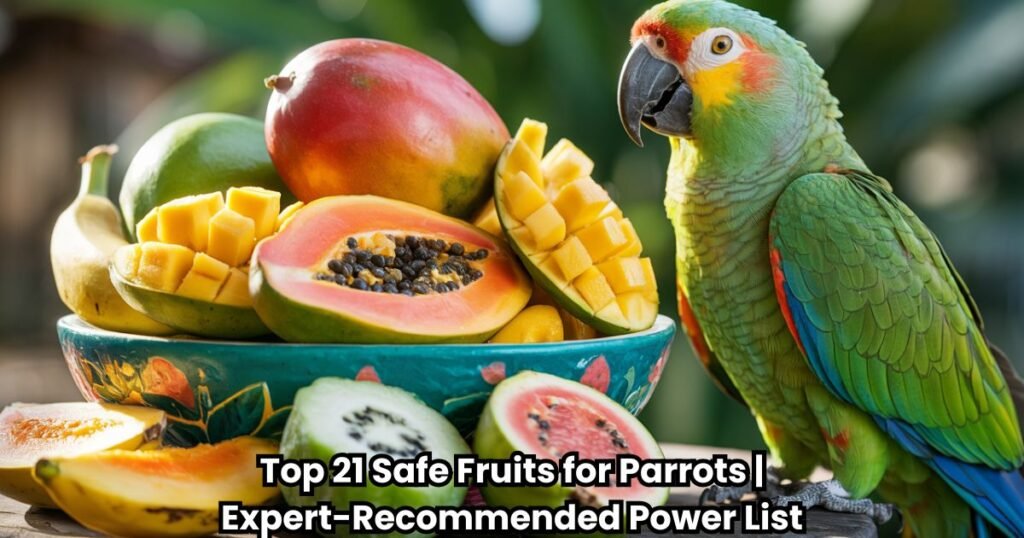
Natural sources: Carrot, sweet potato, papaya, mango.
Supplement form: Beta-carotene-based multivitamins like Nekton-S.
💪 Vitamin D3 – The Sunshine Nutrient
Birds use Vitamin D3 to absorb calcium and strengthen their bones and beaks. In nature, sunlight activates this vitamin through the skin and preening oil. But indoor birds often lack exposure to natural light, leading to brittle bones or egg-laying problems in females.
Tip: If your bird doesn’t get regular sunlight, D3-rich bird vitamin supplements are essential.
🧠 Vitamin E – The Brain and Fertility Booster
Vitamin E is an antioxidant that protects brain cells and supports reproductive health. It enhances neural sharpness and helps in feather regeneration after molting. Birds fed on old or rancid seed mixes are especially prone to Vitamin E deficiency.
Natural sources: Nuts, spinach, and moringa leaves.
Supplement form: Liquid blends like Prime or Omni-Vit.
🩸 Vitamin K – The Healing Agent
Vitamin K helps with blood clotting and prevents excessive bleeding from minor injuries or feather plucking. Birds with low K levels might experience prolonged bleeding or bruising.
Sources: Kale, broccoli, and formulated supplements containing K1.
⚡ B-Complex Vitamins – The Energy Drivers
This group of vitamins (B1, B2, B6, B12) keeps your bird active, improves metabolism, and maintains strong nerves. Birds recovering from illness or stress benefit most from B-complex supplements.
Pro Tip: Use multivitamin powders that combine all eight B vitamins for complete coverage.
💎 Calcium & Minerals – The Strength Foundation
Calcium, magnesium, zinc, and iron are vital for skeletal growth and feather strength. Calcium deficiency is common among female birds and leads to egg-binding and weak bones. Supplements like Oropharma Omni-Vit offer a balanced mineral blend to prevent these issues.
🧩 Why Balanced Vitamin Intake Matters
Over-supplementing can be just as harmful as under-supplementing. Birds need vitamins in micro-quantities, and excess fat-soluble vitamins (A, D, E, K) can accumulate in the body. That’s why responsible dosing, as guided by a vet or manufacturer’s label, is crucial.
The secret isn’t feeding more — it’s feeding right. Each vitamin interacts with others to maintain internal harmony. A well-rounded supplement plan ensures your bird’s feathers remain radiant and its brain stays alert without the risk of overload.
🌞 The Perfect Balance: Diet + Sunlight + Supplements
- Natural diet: Fruits, veggies, greens, and sprouted seeds.
- Sunlight exposure: 15–20 minutes daily or full-spectrum lighting indoors.
- Targeted supplementation: Only where natural intake falls short.
When these three align, you create a truly holistic environment for your bird’s long-term health.
🌈 In short: Vitamins don’t replace good food — they enhance it. Well-chosen bird vitamin supplements fill the small gaps nature leaves behind and ensure your feathered friend stays in peak form.
3. Signs Your Bird May Have a Vitamin Deficiency
Birds are incredibly expressive creatures, yet they can’t tell you when they’re feeling unwell. Their health issues often begin subtly — a change in feather color, a dull song, or a lack of playfulness. Most of these early signs trace back to nutritional imbalance. Whether your parrot, budgie, or cockatiel lives indoors or has limited access to sunlight, vitamin deficiencies can sneak up faster than you expect.
Understanding these warning signs early allows you to correct their diet or add the right bird vitamin supplements before irreversible damage occurs. Below, we’ll explore both physical and behavioral clues that indicate your bird needs extra nutritional support.
🪶 3.1. Dull or Brittle Feathers
Healthy feathers should be glossy, smooth, and flexible. If your bird’s plumage looks faded, frayed, or breaks easily, it’s often the first red flag of vitamin A or E deficiency.
Feathers are made of keratin — a protein that depends on proper vitamin metabolism for growth and strength. When vitamins A, D3, or biotin are missing, new feathers grow weak and lose their natural shine. Some birds even pluck their own feathers out of discomfort caused by itchy, dry skin.
Solution: Add vitamin A–rich foods like papaya, carrots, and mango. For fast recovery, include feather-strengthening bird vitamin supplements such as Nekton-S or Quiko Multivitamin Concentrate.
💤 3.2. Lethargy or Lack of Playfulness
Birds are naturally active — hopping, chirping, climbing, or playing throughout the day. A sudden drop in energy or curiosity is a strong indicator of vitamin B-complex or iron deficiency. These nutrients fuel metabolism and keep the nervous system sharp.
If your bird seems to nap excessively, ignores toys, or stays perched for long hours, consider revisiting its diet. Birds on all-seed meals often lack the diverse nutrition needed for brain function and vitality.
Pro Tip: Try adding a balanced bird vitamin supplement twice a week to restore energy levels, especially during molting or breeding season.
🍽️ 3.3. Poor Appetite or Weight Loss
Appetite loss in birds is more than pickiness — it’s often a direct signal that their digestive or metabolic systems are under stress. Vitamin B1 (Thiamine) and Vitamin E deficiencies can reduce hunger, causing weight loss and general weakness.
Some birds even develop “selective eating,” avoiding certain seeds or fruits they once enjoyed. If this persists, consult your avian vet and consider using a supplement that combines probiotics with vitamins to rebalance gut health.
Example Product: Bird Bene-Bac Plus (Probiotic + Multivitamin) supports digestion while replenishing essential vitamins.
👁️ 3.4. Eye or Beak Problems
A dull cornea, watery eyes, or flaky skin around the beak indicates vitamin A deficiency. Birds rely on vitamin A to maintain epithelial tissues — the cells that line the respiratory tract, eyes, and beak. A deficiency here can lead to secondary infections or sinus issues.
Visible Symptoms:
- Swollen eyelids or nasal discharge
- White film near the eyes or beak edges
- Frequent sneezing or scratching
Solution: Include vitamin-A–rich bird vitamin supplements and naturally colorful foods like red bell peppers and pumpkin.
🦴 3.5. Weak Bones or Difficulty Perching
If your bird struggles to grip its perch, appears wobbly, or falls while climbing, calcium or vitamin D3 deficiency could be the cause. Birds need vitamin D3 to absorb calcium from their food; without sunlight or supplementation, bones weaken over time.
Female birds are especially vulnerable during egg-laying seasons, risking “egg binding,” where soft-shelled eggs cannot pass easily.
Fix: Provide 15–20 minutes of sunlight exposure daily, or use D3-fortified bird vitamin supplements such as Vita-Sol Drops. Combine with a calcium source like cuttlebone for best results.
🧠 3.6. Slow Response or Reduced Alertness
Birds are naturally curious — they tilt their heads, mimic sounds, and react to movement instantly. If your bird seems confused, stares blankly, or reacts slowly, it might lack vitamin E or omega-3 fatty acids, both crucial for brain and nerve health.
Deficiency here can even lead to minor tremors or uncoordinated flying in severe cases. Birds kept indoors with limited diet variety are more prone to this issue.
Expert Tip: Supplements like Prime Vitamins (by Hagen) provide a brain-boosting blend of vitamin E and amino acids to enhance mental sharpness.
💩 3.7. Unusual Droppings or Digestive Issues
Your bird’s droppings tell a lot about its internal health. A sudden color change, watery stool, or excessively dry droppings can signal vitamin imbalance.
- Pale or chalky droppings → Calcium or D3 deficiency
- Greenish or watery droppings → Lack of Vitamin B complex or probiotics
Digestive stress often appears during dietary transitions or seasonal changes. Adding mild bird vitamin supplements with digestive enzymes and beneficial bacteria can restore normal gut function.
🎵 3.8. Reduced Vocalization or Quiet Behavior
Parrots and songbirds are vocal by nature. When they suddenly stop singing or speaking, it’s usually a sign of fatigue, stress, or poor nutrition. Vitamin B12 and folic acid deficiencies lower nerve activity and muscle coordination in the syrinx — the vocal organ of birds.
Action Plan: Combine energy-boosting vitamins with enriched seeds and leafy greens. Within weeks, you’ll likely notice your bird chirping louder and showing renewed enthusiasm.
🪺 3.9. Feather Plucking or Skin Irritation
Self-plucking is one of the most distressing behaviors bird owners witness. While sometimes linked to boredom, it can also stem from vitamin A and zinc deficiency, which dries out the skin and causes itchiness. Birds may over-preen or bite their feathers for relief.
Remedy: Provide a balanced supplement with biotin, zinc, and omega oils — ingredients proven to restore skin moisture and feather texture.
🕵️♂️ 3.10. Behavioral Changes: Aggression or Depression
Just like humans, nutritional imbalance affects a bird’s mood. Low levels of vitamin B6, magnesium, or tryptophan (an amino acid) can increase irritability, aggression, or anxiety. Conversely, deficiency in omega-3 and vitamin E reduces dopamine production, leading to apathy or depression.
How to Help:
- Enrich diet with leafy greens and nuts.
- Offer brain-supporting bird vitamin supplements twice weekly.
- Include playtime, sunlight, and social interaction.
Behavior is the mind’s mirror — when nutrition is fixed, behavior follows.
🧾 3.11. Quick Reference Table — Signs & Solutions
| Deficiency Type | Visible Signs | Recommended Vitamin / Action |
| Vitamin A | Dull feathers, eye issues | Add papaya, carrot, or A-rich supplements |
| Vitamin B Complex | Fatigue, reduced appetite | Use balanced multivitamins |
| Vitamin D3 & Calcium | Weak bones, soft eggs | Give sunlight or Vita-Sol Drops |
| Vitamin E | Memory loss, weak coordination | Prime or Omni-Vit supplements |
| Iron | Lethargy, pale droppings | Include spinach, iron drops |
| Zinc & Biotin | Skin dryness, feather plucking | Add Omega oil + Biotin mix |
💡 Key Takeaway
Your bird’s body never lies. Every change in feather sheen, song, or behavior is its way of communicating. By learning to read these subtle signs, you can intervene early and restore balance through proper diet and bird vitamin supplements.
A small daily adjustment — a drop of multivitamin, a few minutes of sunlight, or a handful of fresh greens — can completely transform your bird’s health and happiness. Prevention is always easier than cure, and in the world of avian care, knowledge truly saves lives.
💊 4. 7 Best Bird Vitamin Supplements (Vet-Approved & Safe)
When it comes to your bird’s health, not all supplements are created equal. Choosing the right bird vitamin supplements depends on your pet’s species, diet, and specific needs such as feather growth, immunity, or brain function.
The following seven options are vet-approved, globally trusted, and formulated with precise ratios of vitamins, minerals, and amino acids that cater to parrots, budgies, cockatiels, and other pet birds.
Let’s explore each in detail so you can confidently pick the right one.
🥇 1. Nekton-S Multivitamin for Birds
Type: Powder supplement | Best for: Overall health, feather regrowth, and energy
Nekton-S is considered the gold standard among bird vitamin supplements. Recommended by avian vets worldwide, it contains 13 vitamins, 18 amino acids, and trace minerals. It’s designed for daily use, ensuring balanced nutrition even if your bird’s diet lacks variety.
⭐ Key Benefits
- Supports glossy feather growth and faster molt recovery
- Boosts immunity and energy during stress or travel
- Easy to mix into soft food or drinking water
- Promotes strong eggshells in breeding birds
🧠 Expert Note
A single teaspoon mixed with 250 ml of water is enough for small birds like finches or budgies. For parrots, 1 g per 250 ml ensures optimum nutrient intake without risk of overdose.
💡 Pro Tip: Combine Nekton-S with sunlight exposure for best Vitamin D3 absorption and vibrant plumage.
🥈 2. Prime Vitamins by Hagen (Tropic Marin)
Type: Water-soluble powder | Best for: Brain and nerve health
Prime is one of the few bird vitamin supplements that includes not only essential vitamins but also omega-3 fatty acids and beneficial bacteria. It’s perfect for improving cognitive performance and speech learning in talking parrots.
⭐ Key Benefits
- Enhances alertness and mimicking ability
- Prevents nervous-system decline during aging
- Improves digestion with probiotics
- Restores energy in birds on seed-only diets
🧠 Expert Note
Prime’s formulation includes natural sweeteners that birds enjoy, making it easier to administer daily.
💡 Pro Tip: Mix with chopped fruits or pellets once every other day for best results.
🥉 3. Quiko Multivitamin Concentrate
Type: Liquid concentrate | Best for: Quick energy boost & recovery
When birds appear tired, weak, or recovering from illness, Quiko acts like a recharge tonic. It’s packed with fast-absorbing B-complex vitamins that restore metabolism and nervous function.
⭐ Key Benefits
- Provides instant energy and improves appetite
- Prevents feather drop due to B-vitamin deficiency
- Restores natural sheen and coloration
- Highly suitable during breeding or molting season
🧠 Expert Note
Add 2–3 drops per 100 ml of drinking water for medium birds, or mix 1 ml with 250 g of soft food.
💡 Pro Tip: Alternate Quiko with a general multivitamin like Nekton-S for comprehensive coverage.
🪶 4. Bird Bene-Bac Plus (Probiotic + Vitamin Blend)
Type: Gel / powder hybrid | Best for: Digestion and gut balance
Bird Bene-Bac Plus is unique because it combines live beneficial bacteria with vitamins A, D3, E, B12, and K. It’s ideal for birds that are on antibiotics, have irregular droppings, or are prone to stress.
⭐ Key Benefits
- Restores healthy gut flora after medication
- Strengthens immunity and reduces feather stress
- Supports brain clarity through Vitamin B12 and folic acid
- Safe for baby birds and rescues
🧠 Expert Note
Sprinkle lightly over moist food once or twice weekly. Overuse may upset the balance of natural bacteria, so moderation is key.
💡 Pro Tip: Combine with probiotic-friendly foods such as banana or papaya for enhanced results.
🌞 5. Vita-Sol Drops (Liquid Multivitamin)
Type: Liquid | Best for: Birds with low appetite or sunlight exposure
Vita-Sol is a classic choice for small and medium birds that refuse powdered supplements. Its liquid form ensures rapid absorption through drinking water, making it perfect for finches, canaries, and budgies.
⭐ Key Benefits
- Rich in vitamins A, D3, E, B12, and C
- Helps maintain bone density and healthy beaks
- Ideal for birds kept indoors or under artificial lighting
- Easy daily dosage through water bottles
🧠 Expert Note
Mix 1 ml per 250 ml of fresh water. Replace the mixture daily to prevent bacterial growth.
💡 Pro Tip: Rotate Vita-Sol with natural fruit snacks to prevent vitamin overload.
🍊 6. Oropharma Omni-Vit Powder
Type: Comprehensive multivitamin powder | Best for: Breeding birds & molting phase
Omni-Vit is formulated with 14 vitamins, amino acids, and trace elements that accelerate tissue repair. It’s often used by professional breeders to promote fertility and fast feather regeneration.
⭐ Key Benefits
- Boosts fertility and hatchling strength
- Supports regrowth of damaged feathers
- Reduces stress during cage changes or travel
- Maintains hormonal balance during mating season
🧠 Expert Note
Mix 1 g per 250 ml of water twice a week during breeding or molting, then reduce to once weekly for maintenance.
💡 Pro Tip: Combine Omni-Vit with cuttlebone and leafy greens for a complete mineral profile.
🧠 7. Natural Brain Booster Mix (Homemade Formula)
Type: DIY mix | Best for: Cognitive sharpness & natural vitality
Not all bird vitamin supplements have to come from a store. This simple homemade blend offers natural vitamins, minerals, and antioxidants that rival commercial formulas.
🥣 Ingredients
- ½ tsp powdered moringa leaves (vitamin A & E)
- ½ tsp spirulina (iron & amino acids)
- ¼ tsp flaxseed powder (omega-3)
- ¼ tsp papaya pulp (vitamin C & enzymes)
⭐ Key Benefits
- Improves brain function and learning
- Enhances feather color naturally
- Strengthens immunity without synthetic additives
- Cost-effective and easy to prepare at home
🧠 Expert Note
Mix small portions with your bird’s favorite soft fruits twice a week. Store extra blend in a cool, dry place.
💡 Pro Tip: Use this as a natural maintenance formula between synthetic supplement cycles.
⚖️ Quick Comparison Table
| Supplement | Type | Primary Benefit | Ideal For |
| Nekton-S | Powder | Complete daily multivitamin | All species |
| Prime Vitamins | Powder | Brain & nerve health | Parrots, cockatiels |
| Quiko Concentrate | Liquid | Quick recovery & energy | Sick / weak birds |
| Bird Bene-Bac Plus | Gel / Powder | Gut & immune health | Birds on antibiotics |
| Vita-Sol Drops | Liquid | Sunlight substitute | Indoor birds |
| Omni-Vit Powder | Powder | Breeding & molting | Breeders / pairs |
| Natural Brain Mix | DIY | Mental clarity & vitality | All birds |
🪺 Expert Vet Insight
“Supplements should complement—not replace—a balanced diet. Over-supplementation can harm the liver and kidneys. Follow manufacturer guidelines strictly and monitor droppings, behavior, and feather condition.”
— Dr. Anita Menon, Avian Specialist, Kolkata Bird Health Center
💡 Key Takeaways
- Choose bird vitamin supplements tailored to your bird’s species and age.
- Powder forms suit large parrots; liquid forms are ideal for finches or budgies.
- Rotate supplements every few months to avoid nutrient overlap.
- Pair vitamins with sunlight, fresh greens, and clean water for maximum effect.
Balanced supplementation doesn’t just heal deficiencies — it builds a foundation for glowing feathers, sharper cognition, and a longer, happier life.
🌿 5. Natural Alternatives to Synthetic Bird Vitamin Supplements
While commercial formulas are convenient, many bird owners today prefer a more natural route. Mother Nature already provides everything a bird’s body needs—if we know where to look. Properly chosen natural foods can mimic the balance of professional bird vitamin supplements without additives or preservatives, keeping your feathered companion closer to its wild roots.
🍎 5.1 Why Go Natural?
Birds evolved to get nutrients directly from diverse plant sources. In the wild, parrots chew bark, taste minerals, and forage for fruit pulp—all instinctive ways to replenish vitamins. A natural diet:
- Improves nutrient absorption because the vitamins come with enzymes and fibers
- Reduces dependency on synthetic fortifiers
- Keeps beaks busy and minds stimulated through foraging behavior
- Lowers risk of over-supplementation
That said, natural foods should complement, not replace, well-chosen bird vitamin supplements, especially during molting or illness when nutrient demand spikes.
🥭 5.2 Top Natural Fruits Rich in Essential Vitamins
| Fruit | Major Vitamins | Benefit | Feeding Frequency |
| Papaya | A, C, E | Feather glow & digestion | 2–3× per week |
| Mango | A & B-complex | Eye health & color intensity | 1–2× per week |
| Guava | C & Folate | Immunity booster | 3× per week |
| Banana | B6 & Magnesium | Nerve function & calmness | Occasional treat |
| Berries (Blue/Straw/Rasp) | Antioxidants & Vitamin K | Brain sharpness & anti-aging | 2× per week |
| Apple (without seeds) | Fiber & Vitamin C | Gut cleanse & hydration | 2× per week |
⚠️ Avoid avocado, raw onion, chocolate, and caffeine — all toxic to birds.
🥬 5.3 Vitamin-Rich Vegetables and Greens
Green and orange veggies offer concentrated vitamins that boost feather quality and metabolism:
- Carrot & Sweet Potato → Vitamin A source for bright plumage
- Spinach & Kale → Iron and Vitamin K for strong bones
- Broccoli → Calcium and Vitamin C for egg formation
- Bell Peppers → Antioxidant blend that enhances immune strength
Steam lightly before serving to make nutrients easier to digest.
🌰 5.4 Seeds & Herbs as Brain and Feather Boosters
Birds instinctively seek seeds and herbs for a reason—they’re tiny powerhouses of natural vitamins and minerals.
Recommended mix:
- 1 tbsp flaxseed (omega-3 for brain health)
- 1 tsp moringa powder (Vitamins A, E & C)
- Pinch of turmeric (anti-inflammatory)
- Dash of ground chia (calcium & magnesium)
Sprinkle this blend over soft fruits or pellets twice weekly for natural supplementation.
🍽️ 5.5 DIY “Avian Vitamin Salad” Recipe
Ingredients (For 2 Servings):
- ¼ cup chopped papaya
- ¼ cup finely grated carrot
- 1 tsp moringa powder
- ½ tsp crushed almonds (no salt or sugar)
- 1 tsp spirulina powder
- Few drops of lemon juice (Vitamin C activator)
Preparation:
- Combine all ingredients in a bowl.
- Mix until evenly coated.
- Serve fresh once daily as a midday snack.
Benefits:
- Balances A, C, E, and B-complex vitamins naturally.
- Improves plumage texture within 2–3 weeks of regular feeding.
- Strengthens immunity while aiding digestion.
🧠 5.6 Herbal Brain Booster Tonic (Weekly Supplement)
Ingredients:
- ½ tsp ashwagandha powder
- ½ tsp turmeric
- 1 tsp flaxseed oil
- 2 drops honey (optional for taste)
Mix into soft fruits or grains once a week for cognitive support.
Ashwagandha reduces stress and improves alertness, while flaxseed oil delivers omega-3 to support nerve connectivity and memory.
🧩 Note: Use in small amounts; herbal potency is high for birds under 100 g.
🕊️ 5.7 Feeding Chart – Natural vs Supplement Balance
| Day | Natural Food Component | Supplement Support | Goal |
| Mon | Papaya + Moringa mix | Nekton-S | Feather glow |
| Tue | Spinach + Sweet Potato | Vita-Sol Drops | Bone health |
| Wed | Banana + Flaxseed | Prime Vitamins | Brain sharpness |
| Thu | Guava + Chia | Omni-Vit | Immunity |
| Fri | Broccoli + Carrot | Quiko | Energy boost |
| Sat | DIY Vitamin Salad | Natural Brain Mix | Mental focus |
| Sun | Rest / Fruits Only | — | Natural detox |
Following a rotation schedule like this prevents nutrient overlap and mimics the seasonal diet cycles of wild birds.
⚖️ 5.8 Safety Tips for Natural Feeding
- Wash produce thoroughly to remove pesticides.
- Avoid citrus overdose (it can irritate the crop lining).
- Serve fruits in small pieces to avoid choking.
- Rotate ingredients weekly to maintain interest and variety.
- Combine natural feeds with vet-approved bird vitamin supplements during stressful periods (molting, breeding, weather change).
🧾 5.9 Sample Weekly Observation Checklist
✅ Feather color and gloss improving
✅ Energy level consistent throughout day
✅ Droppings firm and normal colored
✅ Appetite increasing
✅ Active chirping and preening
If any area shows decline, re-evaluate your natural diet mix and adjust supplement frequency under vet guidance.
💡 Key Takeaway
Nature provides everything for a healthy bird life—vibrant fruits, leafy greens, and mineral-rich seeds. By combining these with responsible use of vet-approved bird vitamin supplements, you create the perfect synergy between science and nature.
When your bird eats colors of the rainbow and receives measured vitamin support, you don’t just feed it —you nourish its mind, feathers, and spirit.
⚖️ 6. How to Choose the Right Bird Vitamin Supplements for Your Pet
Choosing the best bird vitamin supplements is more than a quick purchase — it’s a commitment to your bird’s long-term health and happiness. The right formula supports feather growth, mental clarity, and immunity while preventing overdose or imbalance.
🪶 6.1 Identify Your Bird’s Dietary Needs
Different species have different nutritional demands:
- Seed-eating birds like budgies and cockatiels often need bird vitamin supplements rich in Vitamin A and E.
- Pellet-fed birds already get a base of nutrition but may need D3 or omega-3 boosts.
- Breeding or molting birds benefit from amino-acid-enriched multivitamins.
A balanced approach means tailoring supplements to both species and diet type.
🧾 6.2 What to Look for in the Label
When comparing bird vitamin supplements, ensure the label includes:
| Nutrient | Why It’s Important |
| Vitamin A | For bright feathers and sharp eyesight |
| Vitamin D3 | Supports calcium absorption and strong bones |
| Vitamin E | Maintains fertility and brain function |
| B-Complex | Boosts metabolism and energy |
| Probiotics | Improves gut health and digestion |
| Trace minerals | Strengthens the immune system |
Avoid cheap supplements loaded with artificial colorants or sweeteners.
🧠 6.3 Get a Vet’s Recommendation
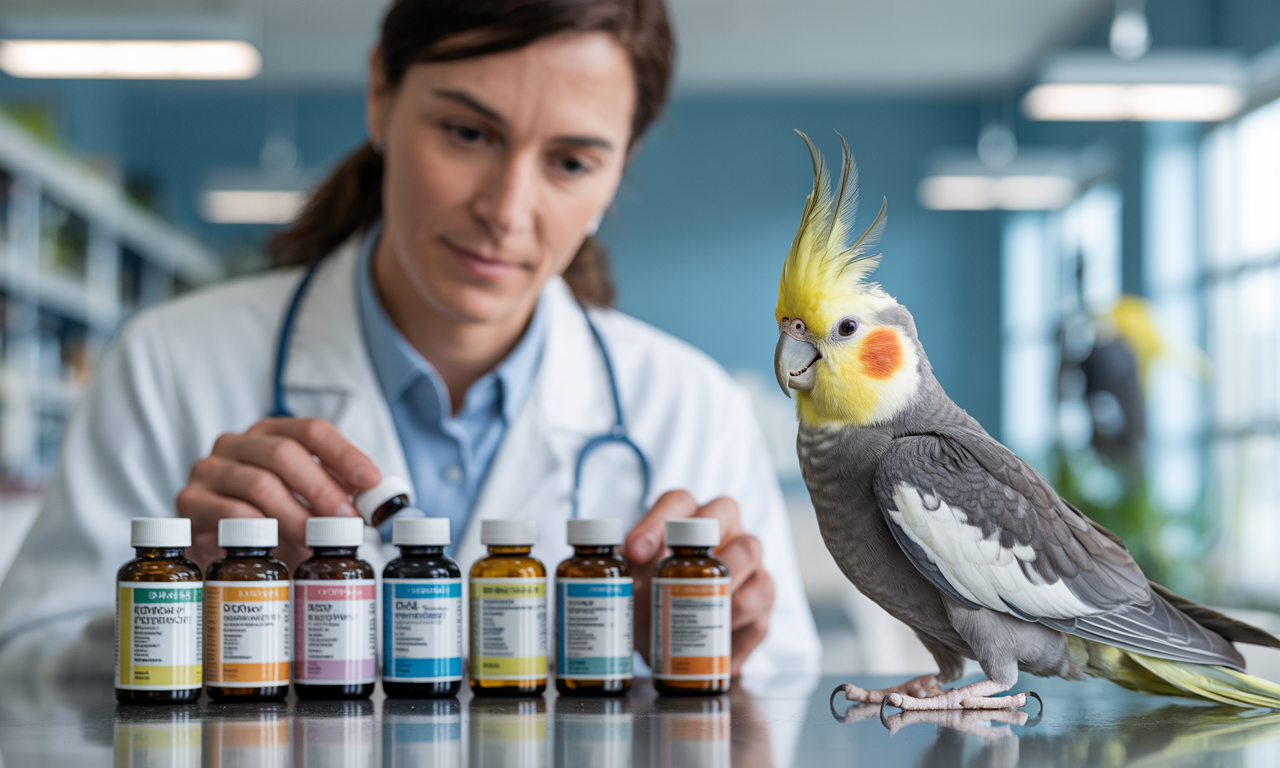
Before trying any new bird vitamin supplements, consult an avian veterinarian.
They’ll evaluate your bird’s diet, droppings, and feather quality, then prescribe accurate dosage.
“Even the best supplement can be risky if used incorrectly,” says Dr. A. Menon, Avian Nutrition Specialist.
💧 6.4 Choose the Right Form
The delivery method of bird vitamin supplements influences how well they’re absorbed:
- Powder supplements blend easily with soft food.
- Liquid drops mix into drinking water for small birds.
- Gel formulas are ideal for weak or recovering birds.
Pick a format your bird accepts easily — consistent intake ensures visible results.
🩺 7. How to Use Bird Vitamin Supplements Safely
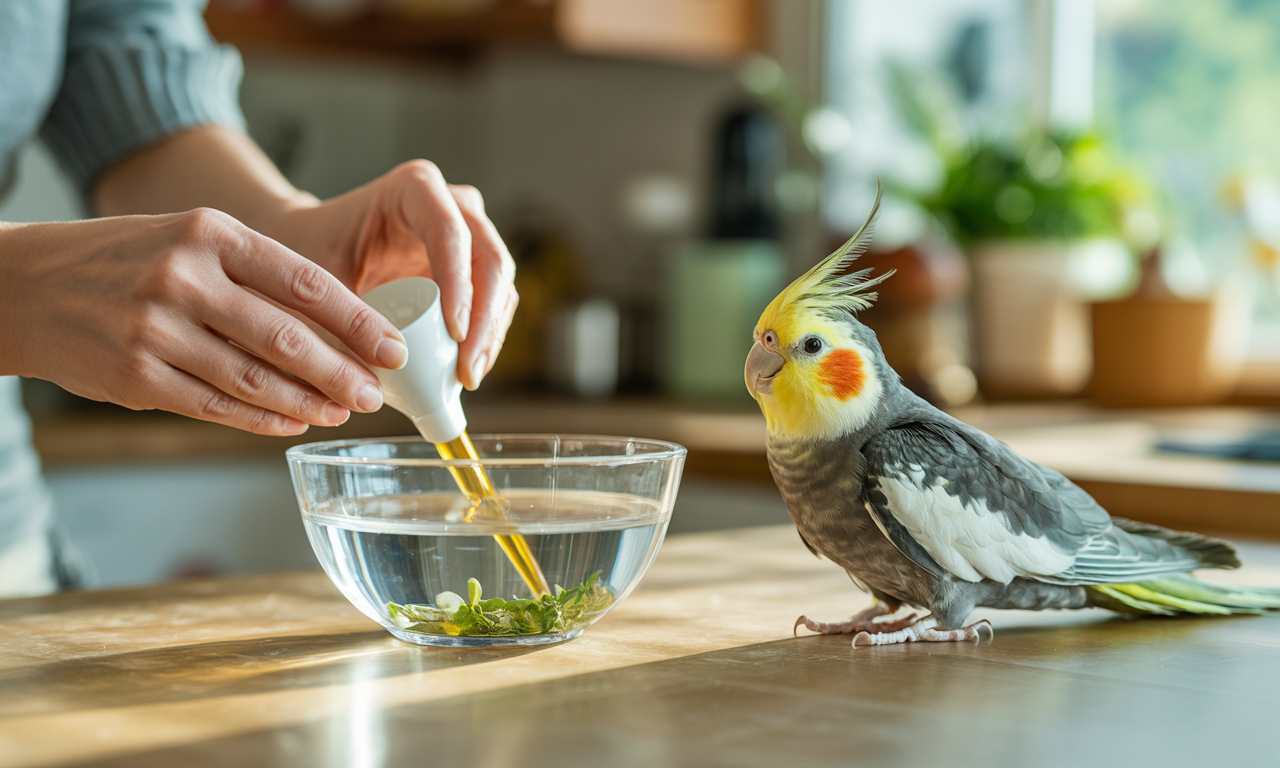
Proper use ensures your bird vitamin supplements bring results instead of risk.
✅ 7.1 Three Safe Ways to Administer
- Add to clean water (replace daily).
- Mix into fruits, pellets, or soft meals.
- Drop directly into the beak when advised by your vet.
⏰ 7.2 Timing & Frequency
Morning feeding works best since metabolism and sunlight both boost vitamin absorption.
- Small birds → 2–3 times weekly.
- Large parrots → 3–4 times weekly.
- Breeding pairs → every alternate day under vet supervision.
⚠️ 7.3 Common Mistakes to Avoid
- Combining multiple brands of bird vitamin supplements at once.
- Using leftover mixture from the previous day.
- Overdosing during molting without medical advice.
🧠 7.4 Recognizing Overdose
Overuse of bird vitamin supplements may cause greasy feathers, watery droppings, or appetite loss. Pause supplementation immediately and consult a professional.
🚫 8. Common Mistakes Bird Owners Make with Supplements
Even experienced owners sometimes misuse bird vitamin supplements. Let’s fix that.
- Thinking “more is better.” Excess vitamins A or D can cause liver stress.
- Skipping natural foods. Supplements should complement real nutrition.
- Ignoring dosage differences. A few drops for a budgie ≠ a spoonful for a macaw.
- Not tracking intake. Keep a supplement log to avoid confusion.
Smart use of bird vitamin supplements means consistency, moderation, and observation.
🧩 9. Expert Vet Tips for Strong Feathers and Sharp Minds
To make the most of your bird vitamin supplements, follow these professional insights:
- Rotate between two brands every few months to maintain nutrient balance.
- Pair bird vitamin supplements with probiotic mixes after antibiotics.
- Combine vitamins with natural sunlight for improved D3 synthesis.
- Introduce omega-3 rich seeds (flax, chia) to boost brain health.
- Keep drinking water fresh — vitamin-rich water spoils faster.
“The best supplement plan is simple, scheduled, and species-specific.” — Dr. Priya Banerjee, Exotic Bird Clinic, Bengaluru
📋 10. Vitamin Reference Table for Bird Owners
| Vitamin | Main Function | Natural Food Source | Supplement Example |
| Vitamin A | Feather glow & vision | Papaya, carrot | Nekton-S |
| Vitamin D3 | Bone strength | Sunlight | Vita-Sol Drops |
| Vitamin E | Fertility & brain function | Spinach, nuts | Prime Vitamins |
| B-Complex | Energy & nerves | Grains, banana | Quiko Concentrate |
| Vitamin C | Immunity | Guava, citrus | Omni-Vit |
| Vitamin K | Blood health | Kale, broccoli | Bird Bene-Bac Plus |
| Omega-3 | Cognitive function | Flaxseed, chia | Natural Brain Mix |
Combine these nutrients smartly with bird vitamin supplements to cover seasonal or dietary gaps.
❓ 11. Frequently Asked Questions
Q1. Do birds really need vitamin supplements?
Yes. Birds on seed-based diets almost always need bird vitamin supplements to prevent deficiencies and feather dullness.
Q2. What are the safest ways to give vitamins to birds?
Mix bird vitamin supplements into water or soft fruit. Avoid mixing with medications.
Q3. How often should I use them?
2–3 times weekly for maintenance; increase only during molting or breeding under vet advice.
Q4. Can I use human vitamins for birds?
Never. Human formulations are too concentrated. Always use avian-specific bird vitamin supplements.
Q5. Are there natural alternatives?
Yes — fruits, greens, and herbs like moringa or spirulina work great when balanced with supplements.
🧠 12. Glossary
- Bird Vitamin Supplements: Nutritional products containing essential vitamins and minerals for avian health.
- Molting: Period when birds shed old feathers and grow new ones.
- Deficiency: Lack of vitamins or minerals affecting health.
- Probiotics: Live microbes aiding digestion.
- Foraging: Bird’s natural act of searching for food.
- Omega-3: Fatty acid promoting neural growth and clarity.
Each of these terms helps readers understand why bird vitamin supplements are not optional but essential.
🪺 13. Conclusion — The Science of Balanced Bird Care
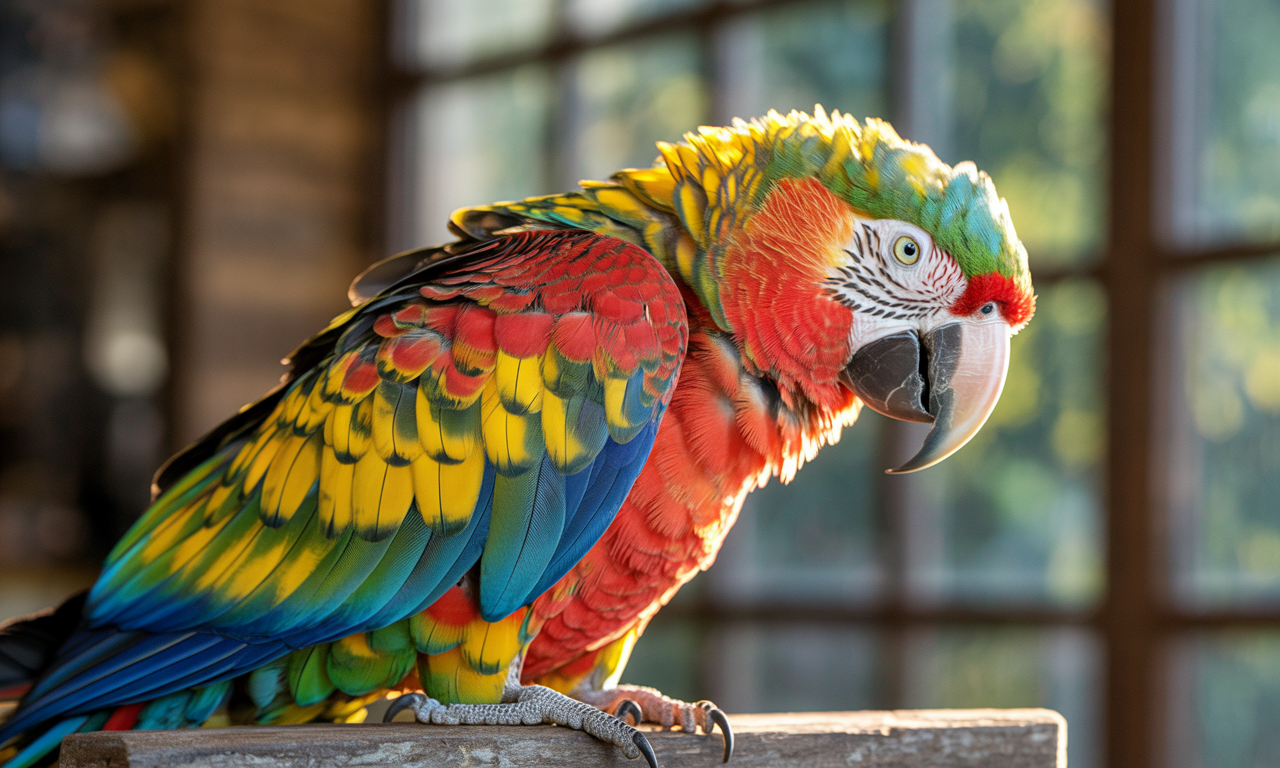
Feather health, mental agility, and song vitality all begin with proper nutrition.
Even the most natural diets benefit from carefully measured bird vitamin supplements, which bridge nutritional gaps and promote radiant health.
A happy bird is an observant, energetic, and confident companion — the result of regular feeding, hydration, sunlight, and yes, the right bird vitamin supplements.
🌈 “When nutrition is right, the feathers tell the story.”
Call to Action:
Visit 👉 BirdsHeavenCare.com for more avian guides, feeding charts, and vet-endorsed bird vitamin supplements to help your flock thrive naturally.
💡 Looking for something different? Check out our latest post here: https://birdsheavencare.com/veterinary-recommended-bird-feed/