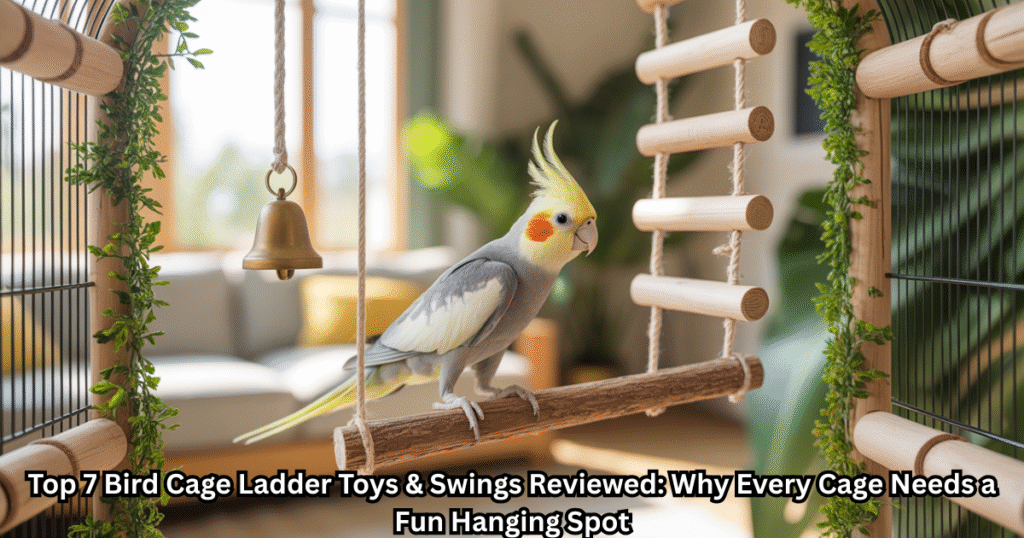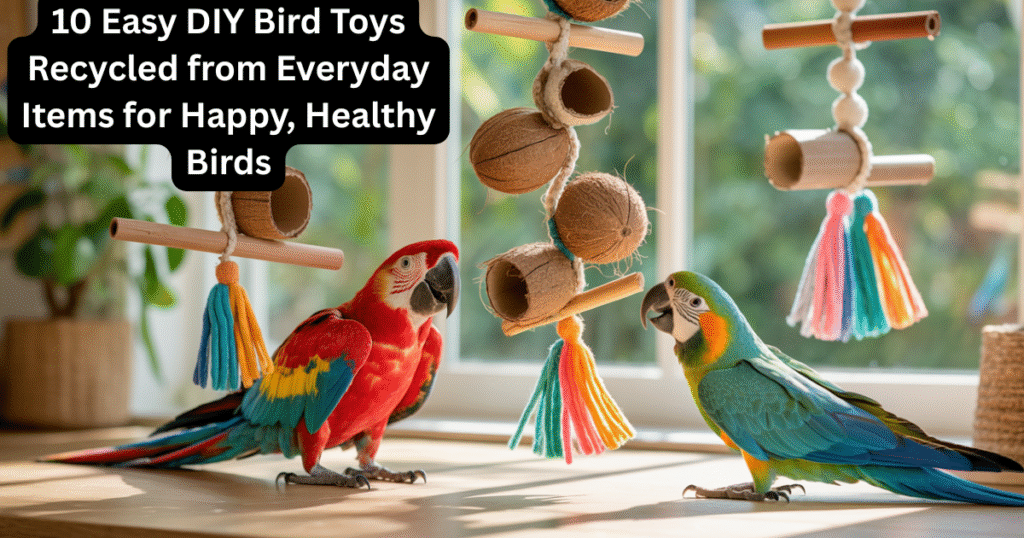
Discover the best bird chew toys and foraging ideas for budgies, cockatiels & parrots. Vet-approved tips to stimulate your bird’s mind and keep its beak
- 🦜 Introduction — Why Bird Chew Toys Are More Than Just Playthings
- 🧠 Understanding Your Bird’s Instinct to Chew and Forage
- 🧩 Features to Look for in the Best Bird Chew Toys
- 🧬 The Science Behind Foraging Toys and Brain Health
- 🪶 Top 11 Bird Chew & Forage Toys (Vet-Approved List)
- 🧵 DIY Chew Toy Ideas: Safe & Creative Enrichment at Home
- 🛡️ How to Safely Introduce New Chew Toys to Your Bird
- 🧽 How to Keep Bird Chew Toys Clean, Durable & Engaging Over Time
- 🪴 Common Mistakes to Avoid When Using Bird Chew Toys
- 🧩 How Bird Chew Toys Improve Bonding
- 🌟 Glossary
- ❓ FAQ Section
- 📢 Conclusion
🦜 Introduction — Why Bird Chew Toys Are More Than Just Playthings
Have you ever noticed your parrot nibbling on cage bars or your budgie shredding paper with surprising determination? These aren’t random habits — they’re deep survival instincts. In the wild, birds spend hours cracking seeds, stripping bark, and foraging for food. When confined indoors without the right bird chew toys, those natural urges have nowhere to go, turning curiosity into frustration or even feather damage.
🧩 The Hidden Problem of Boredom
Most new bird owners focus on diet and cage size, but mental stimulation is just as vital. A bird’s beak is its gym, its tool, and its stress reliever. Without outlets for chewing and foraging, even the healthiest parrot can become restless, vocal, or destructive. Well-chosen bird chew toys and foraging bird toys replicate wild challenges, giving your pet a reason to think, explore, and feel rewarded every single day.
🌱 From Survival to Stimulation
Research in avian behavior shows that birds given natural bird chew toys spend 30–50 % more time engaged in constructive activity. Wooden ladders, coconut shells, and vine balls aren’t “extras” — they’re enrichment essentials. The gentle grind keeps beaks trim, prevents overgrowth, and satisfies that endless need to explore texture, sound, and resistance.
⚙️ What You’ll Learn Here
In this complete guide, we’ll:
- Reveal how chewing and foraging affect your bird’s brain chemistry and happiness.
- Compare materials — from wooden bird chew toys to natural fiber puzzles — to help you pick the safest options.
- Review eleven vet-approved toys that balance fun, durability, and cognitive exercise.
- Share DIY enrichment ideas and maintenance tips for lasting safety.
By the end, you’ll understand exactly which bird chew toys spark curiosity, calm anxiety, and transform your pet’s routine into a joyful adventure.
🧠 Understanding Your Bird’s Instinct to Chew and Forage
Birds aren’t just colorful companions — they’re complex, curious, and highly intelligent creatures. Their instinct to chew, shred, and forage isn’t misbehavior; it’s survival programming. In the wild, these activities are essential for feeding, nesting, and social bonding. When you provide proper bird chew toys, you give that same purpose-driven activity a safe outlet inside your home.
🪶 The Natural Drive to Chew
Every species — from the smallest finch to the mightiest macaw — has an innate urge to keep its beak active. A bird’s beak is constantly growing, just like human fingernails. Without regular grinding or wear, it can overgrow, causing discomfort, difficulty eating, and even aggression.
In the wild, this wear happens naturally through bark stripping, nut cracking, or digging into wood. In captivity, bird chew toys take over that role. The tactile feedback from wood, rope, and vine textures mimics wild surfaces, allowing your bird to trim its beak while staying busy.
🌾 Foraging: The Brain Workout
Foraging isn’t just about food — it’s brain fuel. Wild parrots spend up to 70% of their day searching for and retrieving food. When kept in a cage, that mental challenge disappears. That’s where foraging bird toys come in. These cleverly designed puzzles hide seeds or treats inside safe materials like cardboard, palm leaves, or coconut shells.
When your bird has to work to access food, dopamine — the brain’s “happiness chemical” — releases naturally. This process keeps your bird sharp, emotionally balanced, and far less prone to anxiety. A simple bird chew toy with a hidden treat pocket can completely change how your bird perceives its environment.
🐦 Behavioral Signs Your Bird Needs More Enrichment
A bored or understimulated bird will tell you something’s wrong long before health issues appear. Watch for:
- Excessive screaming or squawking
- Chewing cage bars or feathers
- Aggressive lunging or biting
- Lack of appetite or lethargy
These are all red flags that your bird needs a variety of bird chew toys and foraging challenges.
💡 Pro Tip: Think Like a Bird
When choosing toys, imagine how your bird interacts with its world. Does it like to hang, climb, or pick things apart? Tailor enrichment to those behaviors. If your cockatiel loves exploring textures, combine wooden bird chew toys with paper foraging cups. If your parrot prefers shredding, woven palm mats or loofah toys will keep it entertained for hours.
Remember — the goal isn’t to overwhelm your bird with dozens of toys, but to rotate 4–5 items regularly. This maintains curiosity and prevents overstimulation.
🧩 Features to Look for in the Best Bird Chew Toys
Not all toys are created equal — especially when it comes to your bird’s safety and happiness. The best bird chew toys do more than just entertain; they stimulate natural instincts, strengthen beaks, and encourage problem-solving. Whether you own a small budgie or a majestic African Grey, the right toy can turn daily boredom into joyful exploration.
🧱 Safety First — Materials That Keep Your Bird Protected
The most important rule of buying bird chew toys is simple: safety before style. Many store-bought toys look adorable but may contain dyes, glues, or metals that are toxic to birds. A safe toy should be:
- Free of zinc, lead, and copper (avoid metal chains unless stainless steel).
- Dyed with food-grade or vegetable-based colors.
- Built from natural, untreated wood or coconut shell.
- Secured with bird-safe rope or sisal instead of plastic cords.
Remember, your bird doesn’t just play with the toy — it chews it. If you wouldn’t let a child put it in their mouth, it’s not safe for your feathered friend either.
Pro Tip: When buying from local markets, soak wooden bird toys in hot water for 15 minutes to remove dust or chemical residue. Then, let them air-dry completely before hanging them in the cage.
🌿 Natural vs. Synthetic — Which Bird Chew Toy Wins?
When you compare natural bird chew toys and plastic ones, natural always wins in the long run. Here’s why:
| Feature | Natural Toys (Wood, Bamboo, Loofah) | Plastic Toys |
| Texture | Mimics tree bark, encouraging natural chewing behavior | Too smooth; limited beak exercise |
| Safety | Non-toxic and digestible | Can break into sharp edges |
| Sustainability | Eco-friendly and biodegradable | Non-recyclable waste |
| Interest Level | Varies in texture and sound, keeping birds engaged | Repetitive and less stimulating |
Birds love surprises — different textures, densities, and shapes keep their curiosity alive. Mixing wooden bird chew toys, paper rolls, and palm leaves gives your pet endless ways to chew safely.
🪵 Size & Shape: Matching the Toy to Your Bird’s Species
Choosing the right size toy prevents accidents and frustration.
- Small birds (Budgies, Finches): Lightweight toys with thin ropes, vine balls, or paper tassels.
- Medium birds (Cockatiels, Lovebirds): Rope knots, balsa wood blocks, or loofah clusters.
- Large birds (Parrots, Cockatoos, Macaws): Heavy-duty wooden bird chew toys, bamboo ladders, and hanging chains with coconut husks.
If a toy is too heavy, small birds will ignore it; if it’s too flimsy, large parrots will destroy it within minutes.
Pro Tip: Observe how your bird interacts. Does it bite gently or hammer with force? Choose chew density accordingly.
🎨 Color & Sound — Keeping Curiosity Alive
Birds are drawn to color, especially red, orange, and yellow tones — similar to ripe fruit in the wild. When combined with soft bells or rustling paper, toys appeal to multiple senses at once.
But moderation is key. Avoid excessive plastic beads or loud bells that may frighten your bird. Instead, choose bird chew toys that balance sound, color, and texture — for example, a palm-leaf toy with jingling seeds hidden inside.
🪶 Mental Stimulation Through Design
Great toys don’t just hang — they challenge. Look for foraging bird toys with pockets, drawers, or woven layers where you can hide millet, pellets, or tiny treats. Birds love to earn rewards, and the small struggle keeps them mentally fit.
When a bird figures out how to access food or shred layers in a puzzle, it mimics the satisfaction of foraging in the wild — a vital aspect of emotional well-being.
💡 Pro Tip: Rotate, Don’t Overcrowd
Even the best bird chew toys lose their magic if they’re always there. Rotate 3–4 toys weekly to maintain novelty. Store the rest in a dry box and reintroduce them later. This cycle keeps your bird interested without overwhelming its space.
Also, vary toy height and location inside the cage — hanging one at perch level and another near the top mimics a mini playground.
🧬 The Science Behind Foraging Toys and Brain Health
If you’ve ever watched your parrot dismantle a puzzle toy piece by piece, you’ve witnessed brainpower in motion. Behind every shred, pull, and crack lies a cascade of neural activity that mirrors problem-solving in wild birds. Modern avian research confirms what experienced bird parents already suspect — bird chew toys are not just playthings; they’re neuro-tools that sculpt sharper, calmer minds.
🧠 How Chewing Triggers Brain Engagement
Birds’ beaks are richly innervated, filled with thousands of nerve endings that send tactile feedback to the brain. When birds manipulate bird chew toys, they activate regions equivalent to the human prefrontal cortex — the center of curiosity and learning. Every bite, tug, or twist strengthens neural connections that keep your bird alert and emotionally stable.
Chewing also releases small amounts of endorphins, the same feel-good hormones triggered by grooming or flying. This is why birds given daily access to natural bird chew toys display fewer stress behaviors and enjoy improved social bonding.
Scientific Insight:
A 2021 study from the Journal of Avian Medicine found that parrots engaged in foraging activities for just 30 minutes daily showed a 45 % drop in repetitive stress behaviors and a measurable increase in dopamine-related calmness.
🧩 The Cognitive Power of Foraging Bird Toys
Foraging toys replicate the wild scavenger hunt that nature designed birds to perform. They challenge your pet to solve puzzles, opening drawers, untangling knots, or breaking through paper barriers to find treats. This small “problem–reward loop” keeps the avian brain active and resilient.
Every solved puzzle gives your bird a dose of achievement — a sense of purpose vital for emotional health. When combined with chewable textures, foraging bird toys become full-spectrum enrichment devices, boosting both motor coordination and mental clarity.
Pro Tip: Start simple with a vine ball stuffed with millet or shredded paper. Gradually introduce more complex toys, like drawers or twist-locks, to strengthen focus and patience.
🧠 Brain Health Benefits Backed by Behavior
The advantages of regular engagement with bird chew toys extend beyond entertainment:
| Benefit | Description | Example Toy |
| Stress Reduction | Lowers anxiety through tactile chewing motion | Coconut-shell chewers |
| Cognitive Retention | Enhances learning ability and memory | Drawer-style foraging puzzles |
| Beak Health | Natural trimming through gentle grinding | Wooden blocks or bamboo sticks |
| Confidence Building | Achievable challenges prevent frustration | Color-layered shredding toys |
These activities balance your bird’s hormones and help prevent destructive behaviors such as feather plucking, screaming, or pacing — all signs of mental fatigue.
🧬 The Connection Between Play and Intelligence
Parrots, cockatoos, and macaws are known to possess intelligence comparable to a three-year-old child. Without sufficient mental exercise, their natural curiosity turns into restlessness. Chew-based enrichment offers a daily “classroom” where your bird learns through discovery, repetition, and tactile reward.
Even a single hour of interaction with bird chew toys can significantly raise engagement levels, similar to puzzle training in dogs. Mental play keeps their world dynamic and prevents cognitive dullness.
💡 Pro Tip: Pair Chew Toys with Training
Combine bird chew toys with small behavioral training cues. Reward your bird after it manipulates a toy correctly — this creates a positive reinforcement cycle that amplifies learning speed.
A consistent play–train–reward routine also deepens trust between you and your feathered friend, turning every play session into a bonding ritual.
🪶 Top 11 Bird Chew & Forage Toys (Vet-Approved List)
Choosing toys for your feathered companion can feel overwhelming — aisles full of colors, shapes, and materials all promising “fun.” But birds don’t care about marketing; they care about experience. The best bird chew toys appeal to instinct, texture, and challenge — giving your pet a reason to explore, shred, and stay mentally sharp.
Below is a list of 11 tried-and-tested options that avian vets and behaviorists recommend for safety, durability, and brain enrichment.
1. Vine Ball Chewers — Simple Yet Irresistible
Why it works: Lightweight, natural, and hollow, vine balls allow birds to chew safely while exploring textures. You can even stuff them with seeds or millet to turn them into foraging bird toys.
Ideal for: Budgies, finches, cockatiels
Pro Tip: Rotate different diameters (1–3 inches) to keep curiosity alive.
2. Wooden Block Stackers
Why it works: These durable wooden bird chew toys replicate bark stripping in the wild. Birds bite, grind, and tear the wood, keeping their beaks in perfect health.
Ideal for: Cockatoos, macaws, conures
Pro Tip: Avoid painted or glossy blocks — go for untreated pine or manzanita wood.
3. Coconut Shell Puzzle Toy
Why it works: A natural shell toy that doubles as a foraging hideaway. Birds love prying it open to find treats or peeking inside for tactile satisfaction.
Ideal for: African Greys, Amazons
Pro Tip: Hang it near perches — movement adds excitement and exercise.
4. Palm Leaf Shredders
Why it works: These eco-friendly bird chew toys combine softness with resistance. Birds can tear, pull, and unravel them, mimicking nest-building behavior.
Ideal for: Budgies, lovebirds, cockatiels
Pro Tip: Braid two together to create new textures weekly.
5. Loofah Layered Discs
Why it works: The coarse sponge-like texture massages beaks while offering gentle chewing. When colored with vegetable dyes, it becomes a visual treat.
Ideal for: Medium parrots, ringnecks
Pro Tip: Thread a bell or rope through the center to increase motion and engagement.
6. Seagrass Mat Playground
Why it works: A hanging foraging bird toy where you can clip snacks or weave in paper strips. It transforms the cage wall into a sensory play zone.
Ideal for: All parrot species
Pro Tip: Add chew blocks or paper knots to customize difficulty levels.
7. Balsa Wood Kabob
Why it works: Lightweight but satisfying to chew, balsa kabobs are perfect for gentle nibblers who love shredding without too much resistance.
Ideal for: Cockatiels, parrotlets, senegals
Pro Tip: Replace each block as it gets worn out to keep interest high.
8. Rattan Ring Cluster
Why it works: These woven rings dangle freely, creating movement that intrigues birds. They promote climbing, beak exercise, and agility.
Ideal for: Parakeets, conures
Pro Tip: Hide tiny treats between rings for a quick enrichment game.
9. Stainless Steel Bell Chew Combo
Why it works: Combines sound, shine, and durability — a triple sensory delight. The metal’s cool feel contrasts beautifully with softer bird chew toys, diversifying sensory play.
Ideal for: Large parrots and macaws
Pro Tip: Ensure all bells are lead-free and non-detachable to prevent choking.
10. Shreddable Paper Pinata Toy
Why it works: Mimics the natural joy of destroying bark or leaves. Birds tear through layers to uncover seeds or tiny beads — a built-in foraging bird toy experience.
Ideal for: Any bird that loves destruction!
Pro Tip: Stuff the pinata with fresh greens occasionally for a nutritional twist.
11. Bamboo Ladder With Hanging Blocks
Why it works: Combines climbing exercise with chewing benefits. As your bird ascends, it nibbles — strengthening muscles and focus simultaneously.
Ideal for: Parrots, cockatoos, Alexandrines
Pro Tip: Use stainless hooks and check weekly for frayed ropes or sharp ends.
💡 Vet’s Insight
According to avian specialists, rotating two bird chew toys and one foraging bird toy per week creates the ideal enrichment balance. Birds thrive on novelty; even slight rearrangements can reignite curiosity.
Consistent engagement not only reduces stress hormones but also enhances physical coordination — especially for young or rehabilitating birds.
🧺 How to Store and Maintain Toys
- Clean weekly: Soak wooden and natural toys in warm water with apple cider vinegar, then air dry.
- Inspect daily: Replace any frayed or splintered pieces immediately.
- Organize by size: Small toys for cages, large ones for play stands.
- Avoid overcrowding: Leave flight space free — clutter can stress birds.
🧵 DIY Chew Toy Ideas: Safe & Creative Enrichment at Home
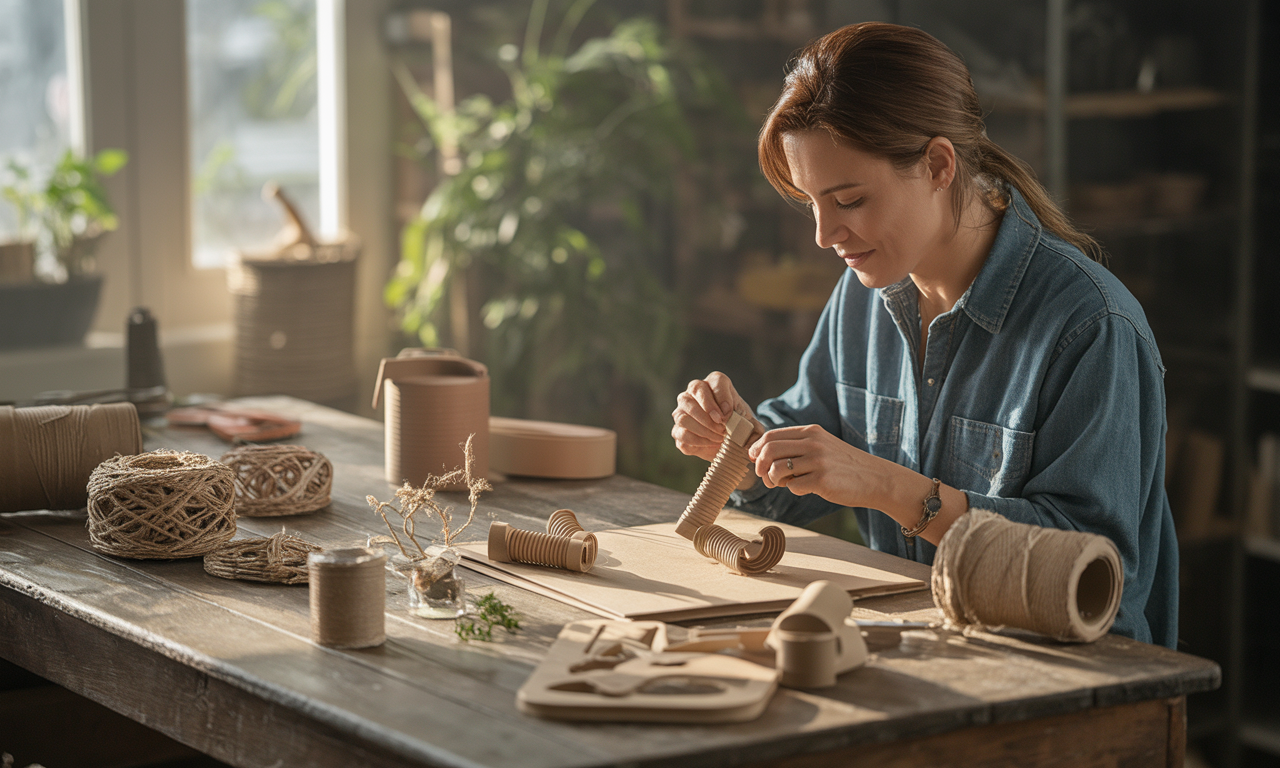
You don’t need to spend a fortune to make your feathered friend happy. In fact, some of the most effective bird chew toys can be created from simple, everyday materials at home — safe, eco-friendly, and just as engaging as store-bought options.
Making your own DIY bird chew toys not only saves money but also allows you to tailor every toy to your bird’s personality, chewing strength, and curiosity level. Each creation becomes a unique bonding project — a handmade gift from you to your bird.
🪴 1. The Paper Roll Treasure Hunt
What You’ll Need:
- Empty tissue or paper towel rolls
- Untreated paper shreds
- Millet or seed treats
How to Make It:
- Fill the roll with paper shreds and a small handful of millet.
- Fold both ends inward like candy wrappers.
- Hang it horizontally in the cage with sisal rope.
Why It Works:
This simple foraging bird toy satisfies natural curiosity and mimics the challenge of finding hidden seeds in bark or grass. Birds love tearing through layers, rewarding themselves with each pull.
🪵 2. Coconut Shell Chew Bowl
What You’ll Need:
- Half a cleaned coconut shell
- Small holes drilled on the sides
- Bird-safe rope
How to Make It:
Suspend the coconut half as a hanging bowl and fill it with chewable bits — palm leaves, paper cups, or natural wood chunks.
Why It Works:
Coconut texture is durable yet chewable, providing natural resistance that helps keep beaks in shape. It’s also a mini playground where your bird can climb, explore, and chew.
🧩 3. Braided Seagrass Rope
What You’ll Need:
- Seagrass strands or bird-safe jute rope
- Bits of cardboard, wood beads, and vine balls
How to Make It:
Thread and braid everything together, alternating soft and hard materials. Hang vertically to encourage climbing.
Why It Works:
The mix of textures replicates branches and vines from the wild. Birds instinctively test each strand with their beaks — a great way to promote coordination and grip strength.
🌾 4. Shredded Corn Husk Garland
What You’ll Need:
- Clean, dried corn husks (non-salted, non-oiled)
- Thin wire or twine
How to Make It:
Cut husks into strips and thread them along the twine to create a rustic garland. Hang it diagonally across the cage.
Why It Works:
This rustic bird chew toy has a crinkly texture that parrots adore. It’s fully digestible, biodegradable, and offers hours of safe shredding fun.
🪶 5. Hanging Snack Chain
What You’ll Need:
- Stainless steel skewer or kabob rod
- Fresh fruit or vegetable slices
- Optional: small wooden blocks
How to Make It:
Alternate fruit and chew blocks to create a colorful hanging snack. Rotate daily with different fruits for variety.
Why It Works:
Combining edible enrichment with bird chew toys gives your pet a sensory experience — taste, touch, and scent stimulation in one.
💡 Pro Tips for DIY Success
- Always use untreated, non-toxic, and unscented materials.
- Avoid glue, staples, or plastic ties — they can be harmful if swallowed.
- Replace or remove any toy once it starts fraying or discoloring.
- Rotate your DIY creations weekly to maintain novelty.
- For large birds, add more durable materials (like bamboo or hardwood) for resistance.
🧠 Why DIY Matters
When birds see new objects inside their environment, their curiosity sparks instantly. A simple change like introducing a new bird chew toy can reduce stress levels and even stimulate appetite. DIY options ensure continuous engagement — your bird never gets bored with the same setup.
And the best part? Crafting these toys creates connection. Watching your parrot tear apart something you made with love can be surprisingly heartwarming — proof that care isn’t always purchased; sometimes, it’s handmade.
🛡️ How to Safely Introduce New Chew Toys to Your Bird
Even the most colorful, engaging, and expertly crafted bird chew toys can be met with suspicion if introduced abruptly. Birds are creatures of habit — curious yet cautious — and a sudden addition to their cage might cause hesitation or even fear.
The secret lies in introducing new enrichment tools gradually, making them part of your bird’s “safe world.”
🐥 Step 1: Start with Familiar Spaces
Birds need to see and analyze before they interact. Place new bird chew toys outside the cage for a day or two. Let your bird observe it from a distance — how it moves, smells, and reflects light.
This observation period reassures your bird that the object poses no threat. Once curiosity replaces anxiety, gently move it inside the cage at perch level, near where your bird already plays or eats.
Pro Tip: If your bird is shy or new to enrichment, begin with smaller, softer materials like vine balls or paper tassels before introducing heavier wooden bird chew toys.
🧩 Step 2: Use Associative Trust
Birds are quick to associate objects with emotions. If your parrot receives treats or praise near the new toy, it will form a positive memory linked to that experience.
Try holding your bird’s favorite snack close to the new foraging bird toy or gently tapping it with your fingers to model interaction. This simple gesture often encourages imitation — a powerful behavioral trigger in social birds.
Pro Tip: Never force play. Curiosity blossoms naturally when your bird feels in control.
🌈 Step 3: Observe Body Language
Every bird communicates comfort or discomfort differently. Look for these cues while introducing new bird chew toys:
| Positive Reactions | Negative Reactions |
| Approaching toy voluntarily | Fluffing feathers or backing away |
| Gentle nibbling or pecking | Screeching or flying off |
| Beak tapping, mild grinding | Prolonged stillness or silence |
If anxiety signs persist for more than two days, remove the toy and reintroduce it later in a different form or location.
Pro Tip: Sometimes, rearranging the cage layout — like moving a perch or adding a mirror — reduces anxiety and sparks curiosity.
🧠 Step 4: Rotate Gradually, Not Randomly
Rotation prevents boredom but too much change overwhelms. Create a predictable cycle:
- Week 1: Introduce one new toy.
- Week 2: Move one existing toy to a new spot.
- Week 3: Add a new foraging bird toy and remove an old one.
This rhythm keeps novelty alive without destabilizing your bird’s sense of security.
Birds thrive on patterns — predictability builds trust, and trust fuels exploration.
🪶 Step 5: Prioritize Safety Checks
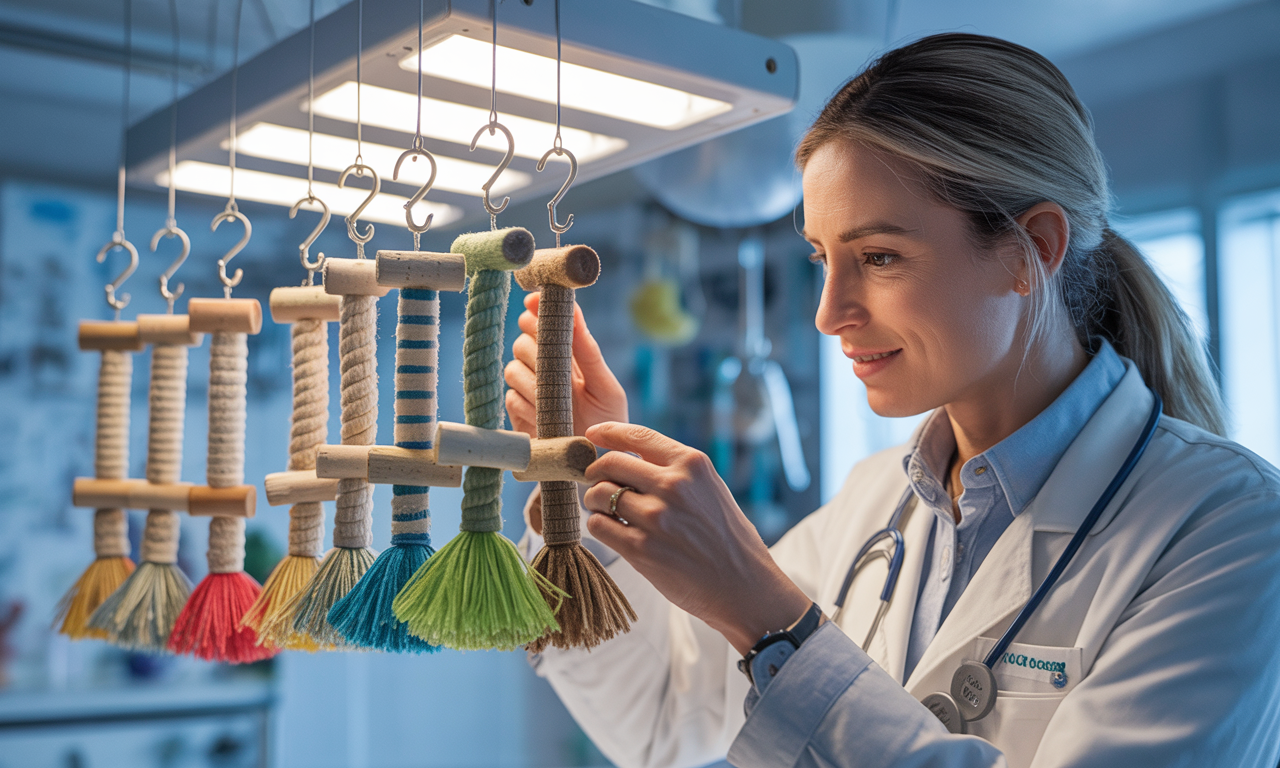
Before hanging or placing any bird chew toys, ensure that:
- Hooks are stainless steel (never copper or zinc).
- Ropes are cotton, hemp, or sisal — no frayed ends.
- Painted toys use food-grade vegetable dyes only.
- No loose beads, threads, or detachable bells.
Unsafe toys can cause injury, choking, or poisoning — one of the most common preventable bird-care accidents.
Pro Tip: Conduct a weekly “beak test” — press lightly on each toy to ensure there are no sharp edges or weak joints.
🧺 Step 6: Blend with Daily Routine
Your bird’s most active hours are morning and late afternoon — ideal times to introduce new toys. Hang them near feeding stations or favorite perches to make discovery seamless.
Also, add a few sound or motion elements (like soft rattles or hanging leaves) near foraging areas. Birds that interact with toys during feeding associate them with comfort and reward.
Pro Tip: Talk softly or play gentle background music during the first few minutes of introduction — it calms the bird’s flight instincts.
❤️ Step 7: Reinforce Through Bonding
Every toy session can become a trust-building opportunity. Sit nearby while your bird explores its new bird chew toys, offer verbal encouragement, and celebrate small milestones. Birds read tone and energy — enthusiasm motivates them to keep engaging.
Over time, these moments of shared play help deepen your emotional connection while fulfilling your bird’s cognitive and physical needs.
🔁 Summary: The Safe Introduction Framework
| Step | Focus | Key Tip |
| 1 | Visual Familiarity | Place toy outside cage first |
| 2 | Associative Trust | Pair toy with treats & praise |
| 3 | Observation | Read body language carefully |
| 4 | Rotation | Follow a slow, predictable pattern |
| 5 | Safety | Inspect hooks, ropes, and edges |
| 6 | Routine Integration | Introduce during active hours |
| 7 | Bonding | Play alongside your bird |
Following this 7-step system ensures every toy — new or old — becomes a source of joy, not stress.
🧽 How to Keep Bird Chew Toys Clean, Durable & Engaging Over Time
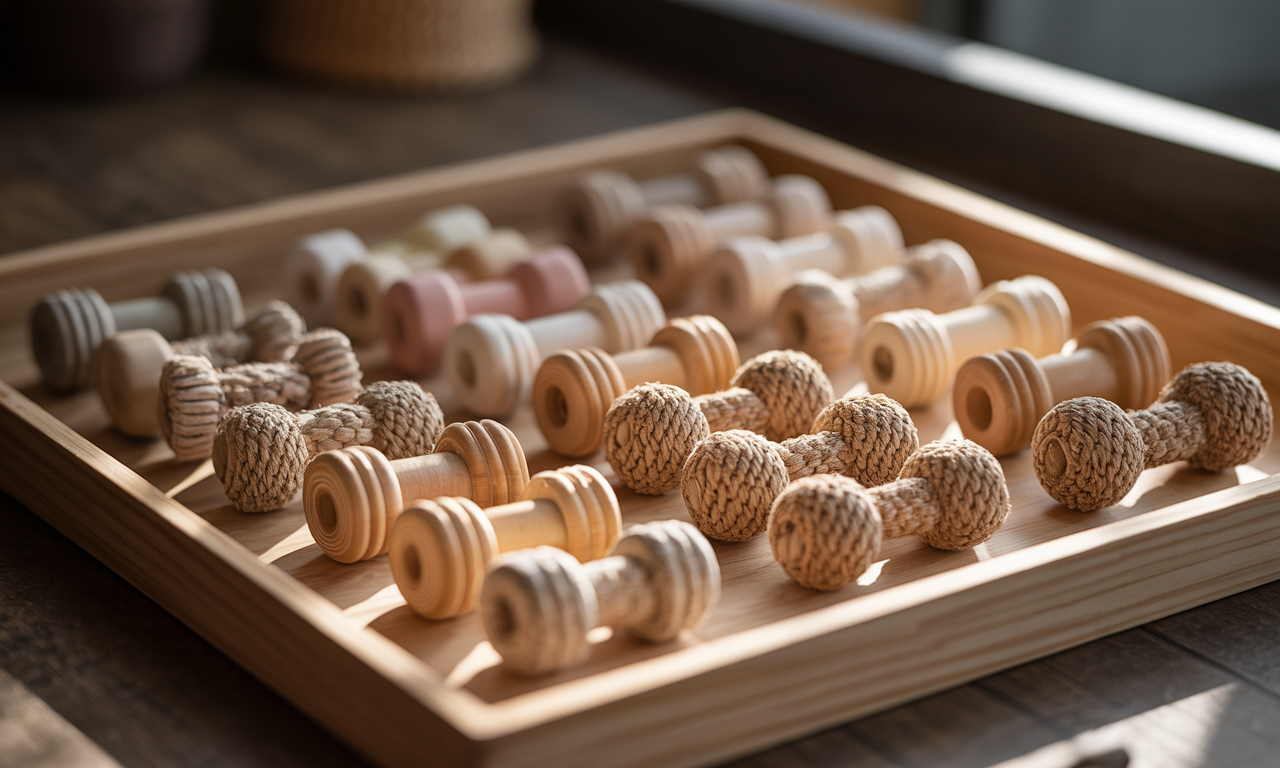
Even the most durable bird chew toys need proper care. A dirty or damaged toy can quickly turn from enrichment to hazard. Maintenance isn’t just about hygiene — it preserves safety, color, and excitement.
🧼 Cleaning Routine: Weekly & Monthly
- Daily Visual Check:
- Look for loose threads, sharp splinters, or broken beads.
- Remove anything that could trap a claw or toe.
- Look for loose threads, sharp splinters, or broken beads.
- Weekly Cleaning:
- Soak non-electronic toys in warm water with 1 tsp apple-cider vinegar per cup.
- Rinse thoroughly and air-dry in sunlight.
- For wooden bird chew toys, wipe with a damp cloth instead of soaking to prevent warping.
- Soak non-electronic toys in warm water with 1 tsp apple-cider vinegar per cup.
- Monthly Deep Sanitize:
- Boil metal hooks or stainless parts for 5 minutes.
- Replace frayed ropes, discolored fabric, or faded vegetable dyes.
- Boil metal hooks or stainless parts for 5 minutes.
Pro Tip: Create two toy sets — “Play A” and “Play B.” While one set dries, the other entertains.
⏳ Replacement Timeline by Material
| Toy Type | Lifespan | Signs to Replace |
| Vine or Palm Toys | 2–3 weeks | Softened or chewed through |
| Wooden Blocks | 2–4 months | Deep cracks or splinters |
| Rope Toys | 1 month | Frayed ends or discoloration |
| Coconut Shells | 6 months | Moldy smell or black spots |
| Metal Bells/Chains | 1 year | Rust or loss of shine |
🎯 Refreshing Old Toys
Reinvent, don’t discard.
- Thread new paper strips through old rings.
- Add bell inserts for auditory enrichment.
- Convert half-chewed wood pieces into smaller foraging bird toys.
This circular approach saves money and keeps playtime novel — birds love familiar textures in new forms.
💚 Seasonal Enrichment Ideas
| Season | Add-On Idea | Why It Works |
| Summer | Frozen fruit cubes tied inside chew rings | Cooling, hydrating challenge |
| Monsoon | Rope ladders & hanging blocks | Indoor exercise when flights reduce |
| Winter | Fabric tassels & warm-colored toys | Visual stimulation during shorter daylight |
🧠 Mental Rotation Tip
Change your toy layout like interior décor — move bird chew toys from left to right perches every fortnight. This sparks curiosity and maintains cage-exploration habits.
🪴 Common Mistakes to Avoid When Using Bird Chew Toys
Even experienced bird owners can make unintentional mistakes that cause stress or safety risks. Here are the top ones to avoid:
- Overcrowding the Cage: Too many toys reduce flying space and cause frustration. Limit to 3 main + 2 rotational toys.
- Using Plastic or Painted Wood: Non-food-grade materials can chip or poison your bird.
- Ignoring Size Mismatch: A toy too big for a budgie or too small for a macaw leads to either fear or instant destruction.
- Not Rotating Toys: Familiarity kills curiosity. Rotate weekly.
- Skipping Cleaning: Germ buildup on moist toys is invisible but dangerous.
- Lack of Supervision: Always watch your bird when introducing new foraging bird toys with moving parts.
🧩 How Bird Chew Toys Improve Bonding
Healthy play nurtures connection. When you offer bird chew toys by hand, talk softly, and celebrate interaction, your bird associates your presence with fun.
Try “interactive play”: hold one end of a vine toy while your bird tugs the other. This mirrors cooperative foraging — a natural bonding ritual.
Pro Tip: End each play session with praise or a treat, not abrupt removal. Positive closure reinforces trust.
🌟 Glossary
| Term | Definition |
| Bird Chew Toys | Safe, chewable items designed to exercise a bird’s beak and reduce boredom. |
| Foraging Toys | Puzzles hiding food or treats to encourage problem-solving. |
| Beak Trimming | Natural wear of the beak through chewing or grinding. |
| Avian Enrichment | Activities that stimulate a bird’s mental and physical wellbeing. |
| Sisal Rope | Natural fiber used in bird toys; safe and chew-resistant. |
| Cage Rotation | Periodic rearranging of toys to maintain curiosity. |
❓ FAQ Section
Q 1. Why do birds need chew toys?
A 1. Birds chew to maintain beak health and mental stimulation. Bird chew toys mimic natural bark or nut cracking, preventing stress behaviors.
Q 2. How many bird chew toys should I keep in the cage?
A 2. Three to five toys are ideal — one for chewing, one for foraging, one for climbing. Rotate weekly.
Q 3. Are plastic toys safe?
A 3. Only heavy-duty, non-toxic plastics approved for avian use. Natural wood or vine remains safer.
Q 4. How often should I replace bird chew toys?
A 4. Replace light toys every few weeks and heavier wooden ones every 2–4 months depending on wear.
Q 5. Can DIY toys replace commercial ones?
A 5. Yes, provided you use bird-safe materials like paper, bamboo, or coconut shell. Mix both for variety.
Q 6. Do chew toys help with screaming or feather plucking?
A 6. Yes. Enrichment through bird chew toys redirects anxiety into constructive chewing, reducing vocal or destructive habits.
Q 7. What’s the safest way to clean toys?
A 7. Use warm water and apple-cider vinegar — never detergent or bleach. Sun-dry completely before reuse.
📢 Conclusion
Healthy birds are curious birds. Enrichment is not luxury — it’s life quality. By choosing and rotating bird chew toys thoughtfully, you provide stimulation, exercise, and emotional stability every day.
From coconut puzzles to handmade paper rolls, every toy you offer tells your bird, “You matter, and your instincts are understood.”
So today, take ten minutes to add one new chew or foraging toy — watch the sparkle return to your bird’s eyes, and feel the joy of shared discovery.
Which toy does your bird love most? Share your experience in the comments and inspire other bird parents to enrich their feathered family’s world.
💡Looking for something different? Check out our latest post here: https://birdsheavencare.com/bird-travel-carrier-essentials/