Learn expert-approved bird molting season care tips for nutrition, hydration, comfort, and emotional bonding. Keep your feathered friend healthy and serene during feather renewal
- 🌿 Understanding the Molting Season: The Science & Emotion Behind Feather Renewal
- 🪶 Recognizing the Signs of Molting and Early Care Essentials
- 🌸 7 Proven Tips for Bird Molting Season Care (Vet-Approved)
- ⚠️ Common Mistakes to Avoid During Bird Molting Season Care
- 🩺 When to Call a Vet During the Molting Process
- 💞 Emotional Support & Bonding During Molting: Strengthening the Trust
- 🌅 Conclusion — Transforming Molting into a Season of Renewal
- ❓ Frequently Asked Questions
- 📚 Glossary
🌿 Understanding the Molting Season: The Science & Emotion Behind Feather Renewal
Every feather on your bird’s body serves a purpose — insulation, flight, communication, or display. But like all living tissues, feathers age and wear out. When that happens, nature initiates one of the most fascinating biological events in the avian world — the molting season. This is when your feathered companion sheds old feathers and grows new ones, and the quality of your bird molting season care determines how smoothly the process unfolds.
🧬 The Science of Molting
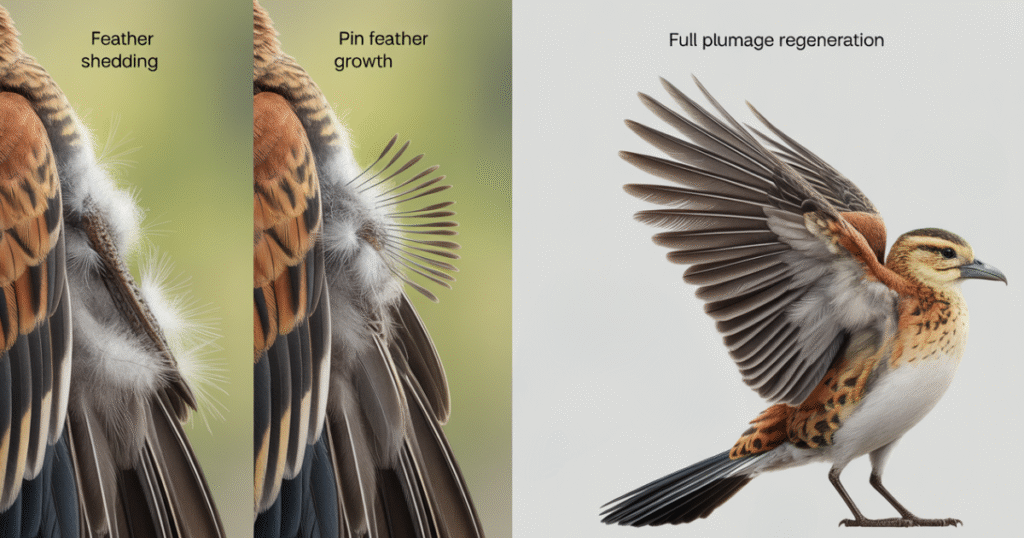
Molting is controlled by hormones, primarily influenced by daylight and temperature changes. As days grow longer, birds’ pituitary glands release signals that trigger the shedding of old feathers and stimulate the growth of new pin feathers. These pin feathers are delicate structures covered in a thin keratin sheath, which gradually flakes off as the feather matures.
However, this feather replacement requires an immense amount of protein and energy. Feathers are made up of over 90% keratin, a complex protein also found in human hair and nails. During molting, your bird’s body diverts resources from other systems — such as reproduction or muscle activity — to prioritize feather growth. That’s why proper nutrition is the first and most critical component of effective bird molting season care.
🌡️ Physical Changes You’ll Notice
During molting, you’ll find scattered feathers in the cage or under perches. Your bird might look patchy or slightly unkempt. Their mood may swing from playful to withdrawn. Some birds even reduce vocalization temporarily. These are all normal signs of molting, but they can alarm new owners.
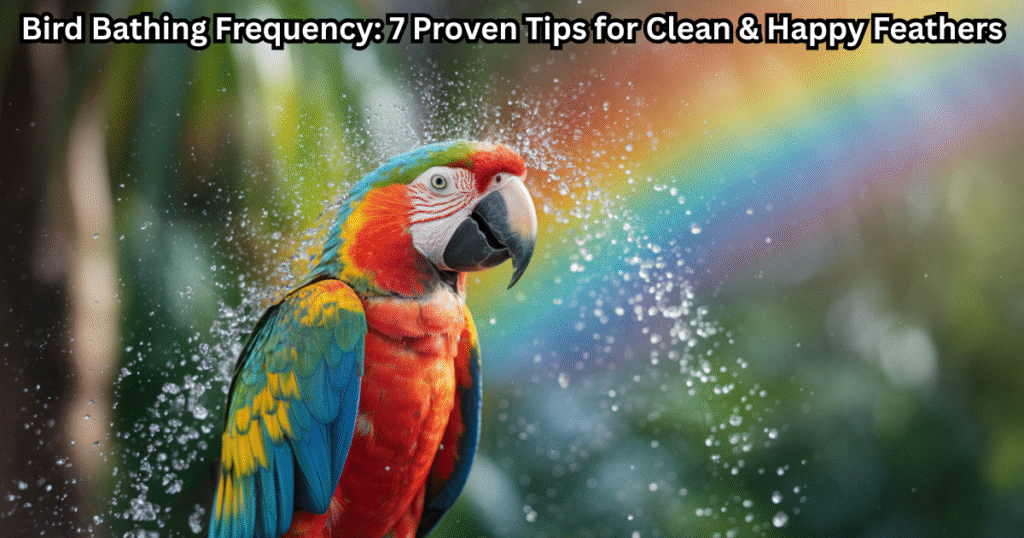
Another visible change is the emergence of pin feathers — those tiny spikes that look like quills. They can make your bird itch, which is why you’ll see frequent preening and scratching. Offering gentle misting or warm baths can soften these sheaths, providing immense relief. In every sense, consistent bird molting season care is about helping your companion manage this temporary discomfort with patience and understanding.
💭 Emotional and Behavioral Aspects
Beyond biology, molting affects a bird’s emotional well-being. Because energy is low, some birds become easily startled or grumpy. They might prefer solitude over playtime. The best way to support them is by minimizing loud noises, maintaining a steady routine, and avoiding unnecessary handling. Remember, during this phase, your bird’s skin is tender, and touch may cause irritation.
Providing empathy during this time deepens trust. Talking softly, playing calming sounds, and keeping the environment stable are subtle yet powerful aspects of bird molting season care.
💡 Pro Tip: Avoid introducing new toys or rearranging the cage setup during molting. Birds crave familiarity when they feel vulnerable — stability equals comfort.
🦜 A Balanced Approach
Understanding molting isn’t just about managing feathers — it’s about seeing your bird as a living being undergoing transformation. When you combine biological awareness with emotional sensitivity, you embody the true spirit of holistic bird molting season care. Each fallen feather is a step toward renewal — a reminder that growth often follows shedding, both in birds and in life itself.
🪶 Recognizing the Signs of Molting and Early Care Essentials
The first step in mastering bird molting season care is knowing exactly when it begins. Many bird owners mistake molting for illness because their feathered friends suddenly appear tired, less social, or even dull-looking. However, molting follows a natural rhythm, and learning to recognize its signs helps you act early to ensure your bird’s comfort and health.
🔍 1. Feathers Everywhere — The First Obvious Sign
When molting begins, you’ll notice loose feathers scattered across the cage, perches, or even on your shoulder after playtime. Don’t panic — this isn’t hair loss; it’s renewal. Birds typically molt symmetrically, shedding feathers from both sides to maintain balance during flight. However, sudden feather loss without regrowth could signal stress or poor nutrition — a reason to revisit your bird molting season care approach.
Keep in mind: light, gradual feather shedding is normal, while clumped or patchy bald spots could indicate mites, illness, or nutritional deficiency. Observing these patterns allows you to respond promptly before any serious problem arises.
🧠 2. Behavioral Shifts — The Subtle Clues
Birds can’t express discomfort with words, but their body language speaks volumes. During molting, they may:
- Sleep longer or appear less playful.
- Avoid petting or handling.
- Preen more often to soothe itchy pin feathers.
- Seek warmer spots or spend time fluffed up.
This change in mood is temporary, and a consistent bird molting season care routine ensures their emotional balance remains steady. Avoid scolding your bird for being withdrawn — think of this time as their “quiet healing phase.”
🧴 3. Physical Sensations — What Your Bird Feels
As new feathers grow, they’re covered with a sheath that can make the skin feel prickly. This leads to itching and increased sensitivity. Many birds rub against cage bars or toys for relief. You can help by offering gentle misting baths once or twice a week. This not only hydrates the skin but also softens keratin sheaths for easier preening.
A light mist with lukewarm water mimics natural rainfall and instantly refreshes your bird. Adding aloe vera (bird-safe, diluted form) can further soothe irritation. These small acts form the foundation of compassionate bird molting season care.
🥦 4. Appetite and Nutrition — Energy on Demand
Feather regrowth consumes a tremendous amount of protein. You might notice your bird’s appetite increasing or food preferences shifting. High-protein foods such as boiled eggs (in moderation), quinoa, lentils, or specialized molting pellets provide essential amino acids. Pair them with leafy greens and fruits rich in vitamin A and calcium to support feather pigment and strength.
During my own experience, offering soft-cooked vegetables and a pinch of flaxseed powder made a visible difference in my cockatiel’s feather sheen. A nutrient-dense diet is truly the secret behind radiant feathers and balanced bird molting season care.
🌤️ 5. Light & Temperature — The Natural Triggers
Daylight duration plays a major role in triggering molting. Birds exposed to consistent natural light cycles tend to molt regularly and more evenly. Keep your bird near a window with filtered sunlight for at least 10–12 hours daily. Avoid placing cages directly under fans or in drafty corners, as temperature fluctuations can stress their bodies.
If you live in an environment with limited daylight, consider a full-spectrum bird lamp that mimics natural sunlight. This small addition supports hormone regulation and smooth molting transitions — an advanced but highly effective bird molting season care practice.
💬 6. Emotional Reassurance — The Silent Comfort
Just as humans crave comfort when unwell, birds rely on your calm energy during molting. Avoid loud noises, sudden movements, or travel disruptions. Talk softly to your bird, play gentle instrumental music, or simply sit nearby to offer presence. These subtle gestures communicate safety — something every bird craves when it’s feeling vulnerable.
🕊️ Pro Tip: Never blow air on loose feathers to help them fall off — it can cause irritation and stress. Let nature handle the process at its own pace.
When you learn to read these signs and act early, you transform molting from a chaotic experience into a nurturing one. This is what defines the essence of true bird molting season care — understanding, patience, and unwavering consistency.
🌸 7 Proven Tips for Bird Molting Season Care (Vet-Approved)
The molting phase is not just a test of biology—it’s a test of patience, empathy, and care. With the right strategy, this natural process becomes less stressful and more rejuvenating for your feathered friend. Below are seven science-backed and behaviorally tested methods for bird molting season care that every responsible owner should follow.
1. Optimize Nutrition with Protein & Vitamins
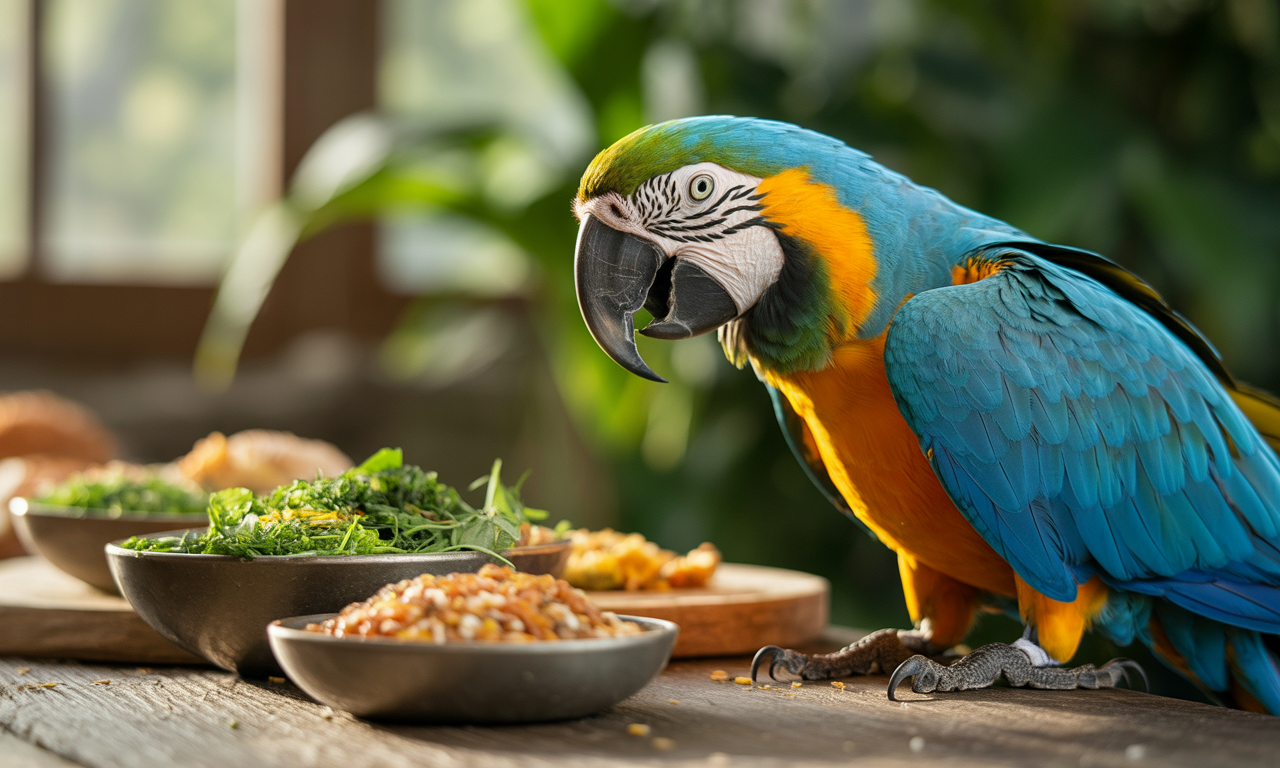
Feathers are made up of over 90% protein, and during molting, your bird’s body demands extra fuel to rebuild each feather strand. A protein-deficient diet can delay feather growth or lead to brittle, colorless plumage.
What to Feed:
- Boiled eggs or scrambled eggs (unseasoned) once or twice a week.
- Cooked lentils, chickpeas, or quinoa.
- Specialized “molting formulas” available at pet stores.
- Fresh veggies like kale, spinach, and carrots for vitamin A.
- Seeds like chia or flaxseed to support feather gloss.
Amino acids like methionine and lysine are crucial for keratin synthesis. Add these naturally via legumes and grains. Maintaining nutrient balance is the heart of strong, glossy plumage and effective bird molting season care.
🪶 Pro Tip: Mix pellets with chopped greens for variety—this keeps nutrition consistent while preventing boredom.
2. Hydration & Gentle Bathing Routine
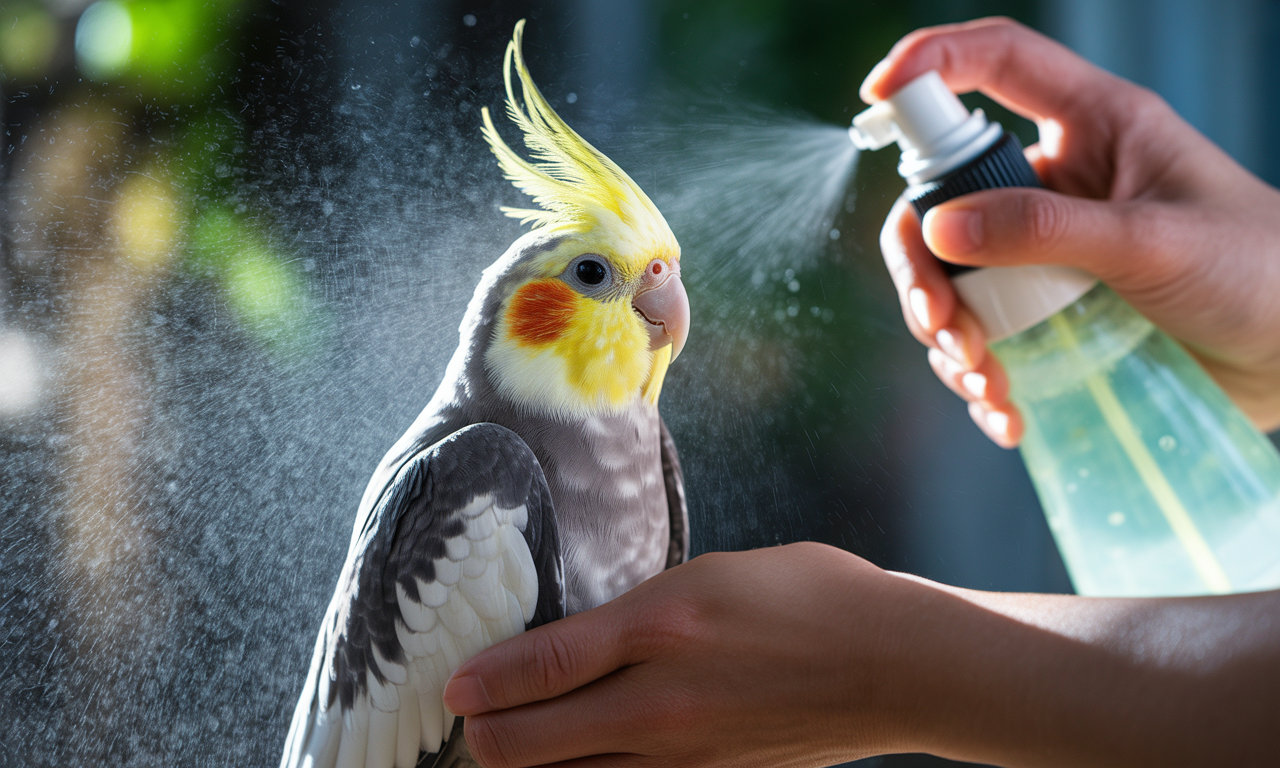
Itchy pin feathers make birds crave moisture. Regular bathing or misting helps loosen the keratin sheath and soothes dry skin. You can use a spray bottle filled with lukewarm, chlorine-free water to mimic natural rainfall.
Bathing Schedule Recommendations:
- Small Birds (Budgies, Finches): Mist every alternate day.
- Medium to Large Parrots: Offer shallow dish baths twice weekly.
- Avoid Cold Water: Always use tepid water to prevent shock.
After bathing, place the cage in a warm, draft-free spot. Proper hydration and misting are vital to bird molting season care, preventing broken pin feathers and keeping the skin supple.
💧 Avoid using soap or shampoo—natural preening oils are enough for cleanliness and moisture balance.
3. Maintain a Calm & Consistent Environment
Molting is uncomfortable, and sudden noises or rearranged cages amplify stress. Keep your bird’s surroundings stable and predictable. Avoid introducing new toys, travel, or loud guests.
Ideal Conditions:
- Moderate room temperature (26°C–30°C).
- Low noise exposure (no TV blaring or heavy machinery).
- Consistent sleep cycles (10–12 hours of quiet darkness).
Stability reduces anxiety hormones like corticosterone, ensuring that your bird molting season care supports both physical and emotional healing.
🕊️ Owner Insight: Birds sense your energy. A calm caregiver equals a calm bird.
4. Supplement with Natural Oils & Calcium
Feather regrowth depletes calcium stores in bones and tissues. Natural supplements help balance this loss. Provide crushed cuttlebone or mineral blocks. Adding one drop of flaxseed or coconut oil to food weekly can improve feather sheen and texture.
For parrots, a pinch of spirulina powder or wheatgrass juice adds valuable chlorophyll and trace minerals. Such nutritional reinforcement forms a critical part of sustainable bird molting season care.
⚠️ Always consult a vet before introducing supplements to prevent overdose.
5. Encourage Gentle Exercise & Wing Stretching
Even while molting, birds need light activity to maintain circulation. Gentle stretching and short flights stimulate blood flow, aiding pin feather development. Avoid forced handling—allow voluntary play instead.
Suggestions:
- Use low perches for birds with partial feather loss.
- Encourage foraging games to stimulate movement.
- Allow cage-free flight time in a safe, enclosed room.
This mild exercise supports smoother molting transitions and prevents muscle stiffness—an often-overlooked detail in holistic bird molting season care.
6. Manage Temperature & Lighting
Molting increases metabolic heat production. Birds become sensitive to temperature swings and irregular light cycles.
- Maintain a consistent, mild temperature (no cold drafts).
- Offer natural or full-spectrum artificial light for 10–12 hours.
- Reduce artificial light exposure at night—darkness supports hormonal recovery.
Light directly impacts the hypothalamus, which controls molting rhythm. Proper lighting is the environmental cornerstone of balanced bird molting season care.
7. Strengthen Emotional Bonding & Trust
The molting season is when your bird feels most vulnerable. Use this period to reinforce emotional trust. Sit near the cage, talk gently, and reward calm behavior with soft praise or treats. Avoid touching new pin feathers, as they can be tender and painful.
Consistency, empathy, and attention create a safe emotional zone that speeds up recovery. Your bird learns that even during discomfort, it can rely on you — the ultimate goal of meaningful bird molting season care.
🌟 Expert Insight: Veterinarians emphasize that successful molting isn’t just about nutrition or environment — it’s about emotional safety. Birds thrive when their caregivers remain patient and kind.
⚠️ Common Mistakes to Avoid During Bird Molting Season Care
Even the most caring bird owners can make mistakes during molting — not out of neglect, but out of misunderstanding. Molting is one of the most delicate transitions in a bird’s life, and your every action (or inaction) can either ease or worsen their discomfort. By learning what not to do, you’ll ensure your bird molting season care routine truly supports recovery and renewal.
1. Overhandling or Touching Pin Feathers
One of the most common errors is trying to “help” by touching or preening new feathers. Pin feathers — those tiny, waxy quills sprouting from the skin — are extremely sensitive and have live blood vessels inside. Touching them causes pain, stress, and even bleeding if they break.
If your bird enjoys interaction, limit physical touch to its head or feet, avoiding feathered areas. Let your bird control the contact during this time. Respecting these boundaries is a sign of responsible and compassionate bird molting season care.
🪶 Pro Tip: Use gentle verbal reassurance instead of petting. Soft speech calms birds and builds trust while they heal.
2. Ignoring Nutritional Needs
Feather regrowth demands more protein, amino acids, and trace minerals than any other life stage. Unfortunately, many owners continue offering standard seed mixes, which lack essential nutrients.
This nutritional gap can lead to slow feather regeneration, brittle shafts, and dull colors.
To avoid this, rotate fresh produce, cooked grains, and calcium sources. A tablespoon of sprouted legumes or a sprinkle of spirulina can transform your bird’s health. Consistency in feeding is the foundation of reliable bird molting season care.
🌿 Tip: Consult a vet or avian nutritionist to tailor the diet for your bird’s species. Each bird — budgie, cockatiel, or macaw — has unique needs.
3. Skipping Baths or Misting
During molting, feathers itch as the skin renews itself. Without adequate hydration, pin feathers harden and cause discomfort. Yet many owners mistakenly avoid baths, fearing cold or illness.
Regular misting with lukewarm water — mimicking rain — hydrates both skin and feathers, easing itchiness and reducing stress.
Bathing also promotes natural preening behavior, helping birds shed broken sheaths safely. Proper bathing frequency is one of the simplest yet most overlooked parts of daily bird molting season care.
4. Sudden Temperature Changes or Drafts
Birds undergoing molt have reduced insulation. Even slight drafts can cause chills or respiratory stress. Avoid placing cages near fans, windows, or air conditioners. Keep the environment comfortably warm and stable.
A room temperature of 26°C–30°C is ideal for most species. Using a small heater or maintaining indirect sunlight during the day supports healthy metabolism. Environmental stability is a non-negotiable pillar of proper bird molting season care.
🔥 Note: Never use electric heaters too close to cages — they dry out the air and damage delicate new feathers.
5. Over-Supplementing Vitamins or Oils
While supplements help feather health, excess can do harm. Over-supplementation of calcium or omega oils leads to liver strain, obesity, or greasy plumage.
Stick to vet-recommended quantities — more is not better. Overeager dosing is one of the hidden pitfalls of mismanaged bird molting season care.
Balance is the mantra. Always track how your bird responds to dietary changes over two weeks before adding new elements.
6. Neglecting Emotional Well-Being
Molting affects your bird’s mood as much as its body. Unfortunately, some owners misread irritability as disobedience and scold or isolate their pets. This damages trust at a time when reassurance is vital.
Birds need empathy. Talk to them gently, maintain predictable routines, and provide calm company. Emotional neglect can delay recovery even if nutrition and hygiene are perfect. The most complete form of bird molting season care nourishes both feathers and feelings.
7. Failing to Observe Warning Signs
Sometimes, what looks like molting may hide an illness.
If feather loss seems patchy, regrowth is delayed, or your bird stops eating, consult an avian veterinarian immediately. Persistent fatigue, loss of appetite, or skin irritation are not typical molting symptoms.
Observing small behavioral and physical cues can mean the difference between a normal molt and a serious condition. Being attentive is the mark of mature bird molting season care.
🕊️ Vet’s Advice: Always keep a log of molting cycles — dates, feather loss pattern, and dietary adjustments. This helps identify unusual trends early.
Molting should never feel like suffering. With awareness and compassion, you can avoid every one of these mistakes and guide your bird through a safe, comfortable renewal process. The secret to success lies in gentle consistency — responding to your bird’s signals instead of imposing routines.
🩺 When to Call a Vet During the Molting Process
Even with the best intentions, bird molting season care can sometimes take an unexpected turn. While molting is natural, it also puts temporary stress on a bird’s immune system, making it vulnerable to underlying health issues. Recognizing the difference between normal molting behavior and medical red flags is crucial for timely intervention.
Molting should never cause suffering. Your bird may look a little tired or less social, but it should still eat, preen, and respond to your presence. If it begins acting abnormally or appears visibly distressed, you might be dealing with more than just feather renewal.
1. Excessive Feather Loss or Bald Patches
During a healthy molt, feathers fall out gradually and symmetrically, allowing even regrowth. However, if you notice bald spots, uneven feather loss, or areas where skin is exposed, it could signal stress, malnutrition, or parasitic infections.
Common causes include:
- Feather plucking due to anxiety or boredom.
- Mite infestations that irritate the skin.
- Hormonal imbalances disrupting normal molt patterns.
In such cases, a vet may perform a feather microscopy test to rule out parasites or follicular infections. Early treatment ensures your bird molting season care doesn’t get complicated by secondary issues.
🪶 Pro Tip: Monitor where feathers fall—random patterns are normal, but clumped feather loss often signals an underlying trigger.
2. Prolonged Molting Periods
Most birds complete molting in 6–10 weeks, depending on species. If your bird continues shedding feathers beyond three months or shows delayed regrowth, that’s not normal. Prolonged molting indicates nutritional deficiencies or hormonal disruptions caused by improper lighting or chronic stress.
Veterinarians often recommend:
- Adjusting the light-dark cycle (12 hours of light, 12 hours of rest).
- Enhancing diet with amino acids, calcium, and multivitamins.
- Conducting a thyroid or liver function test if needed.
Such extended cases require professional assessment because they can weaken your bird over time. Timely vet attention ensures your bird molting season care remains effective and supportive instead of reactive.
3. Loss of Appetite or Sudden Weight Changes
Mild appetite fluctuation is expected during molting, but complete disinterest in food is not. Birds need more energy during this stage, not less. If your feathered friend refuses meals for over a day, loses noticeable weight, or shows droppings with unusual color or consistency, it’s time to call your vet.
Dehydration and nutritional imbalances can quickly spiral into metabolic issues. A vet will check for infection, vitamin deficiency, or digestive stress — all of which can mask themselves as extended molting fatigue.
💡 Vet’s Note: A healthy bird should always show curiosity toward food, even when tired. Loss of interest in eating is a warning sign that must never be ignored.
4. Bleeding or Broken Pin Feathers
Pin feathers have a blood supply inside their shaft while growing. If they break, even accidentally, bleeding can occur. This can frighten both the bird and the owner — but immediate action is vital.
Use sterile gauze and gentle pressure to stop bleeding. If it doesn’t stop within a few minutes or the bleeding restarts, visit a vet immediately. Left untreated, this can lead to infection or chronic feather follicle issues. Managing such incidents carefully is part of responsible bird molting season care.
5. Respiratory or Behavioral Changes
If your bird is wheezing, sneezing excessively, or breathing with an open beak, it could be reacting to poor air quality or underlying illness. Similarly, if your normally interactive bird becomes silent, hides constantly, or appears disoriented, it’s time for a check-up.
Birds are experts at masking illness — by the time symptoms appear, the problem may already be advanced. Regular vet visits during molting ensure you catch any deviations early. A routine health check every 6 months can make a world of difference in long-term bird molting season care.
6. Skin Discoloration or Scaling
Healthy molting skin may appear slightly pinkish or sensitive but should not show dark patches, lesions, or excessive dryness.
Signs to watch out for:
- Crusty or flaky areas.
- Red or black discoloration.
- Unusual swelling near follicles.
These may point to fungal or bacterial infections, which need antifungal treatment prescribed by a vet. Natural remedies can soothe but won’t cure infection — so professional help is non-negotiable in such cases.
⚕️ Expert Reminder: Never apply human ointments or antiseptics without veterinary approval. Birds absorb chemicals rapidly through their skin.
7. Recurrent Stress or Aggression
If your bird shows persistent signs of aggression, feather plucking, or restlessness even after molting ends, the issue might be psychological. Sometimes, underlying stress from environmental changes, loneliness, or lack of stimulation manifests during molting.
An avian behaviorist can recommend mental enrichment activities — such as puzzle feeders or social bonding routines — to restore emotional balance. Remember, holistic bird molting season care involves the mind just as much as the body.
Knowing when to involve a vet doesn’t make you less capable — it makes you responsible. Birds depend on subtle observation, and your timely response can prevent minor irritations from becoming chronic conditions. With expert guidance and consistent love, your bird’s molting phase becomes a healing cycle rather than a struggle.
💞 Emotional Support & Bonding During Molting: Strengthening the Trust
Molting can test your bird’s patience — and yours. It’s not just about new feathers; it’s about emotional reassurance. The discomfort, fatigue, and vulnerability birds experience during this period mean they need compassion more than excitement. The real strength of your bird molting season care lies in empathy.
🕊️ 1. Keep Routines Predictable
Birds thrive on stability. Feed them, mist them, and let them rest at consistent times. Avoid moving cages or introducing new toys until molting is over. Predictability builds security — the foundation of emotional comfort.
💬 2. Communicate Gently
Even when your bird seems withdrawn, your voice provides solace. Speak in calm tones. Whisper greetings, hum softly, or play light instrumental music. These subtle cues tell your bird that everything is safe.
🪺 3. Provide Privacy with Presence
Offer a half-covered cage or a quiet corner where your bird can rest undisturbed. Yet, stay nearby — reading, meditating, or simply being present. This combination of solitude and companionship fosters deep trust during bird molting season care.
🌿 4. Offer Gentle Enrichment
Introduce mild stimulation, such as paper shredding toys or soft wooden blocks. Avoid high-energy play; focus on calm engagement. Your bird’s emotional state will mirror yours — calm energy creates calm feathers.
❤️ 5. Celebrate Small Improvements
Each new feather tip, each chirp of renewed enthusiasm, is a victory. Offer verbal praise or a healthy treat when you notice progress. Encouragement builds resilience and reinforces your role as a comforting guide through the molting journey.
🪶 At its core, bird molting season care is not just physical maintenance — it’s emotional healing through consistency and compassion.
🌅 Conclusion — Transforming Molting into a Season of Renewal
Molting can seem challenging, but with attentive bird molting season care, it becomes a sacred phase of rejuvenation. By focusing on nutrition, hydration, emotional balance, and gentle environmental control, you help your bird rediscover its strength — one feather at a time.
Every fallen feather represents renewal; every act of care deepens your bond. Remember — your patience, calmness, and understanding shape how your bird experiences molting. What might seem like a shedding season to you is, in truth, your bird’s silent song of rebirth.
So, the next time you find your parrot or cockatiel quietly preening under a shower of sunlight, know that your compassion made that glow possible.
🌈 In the art of bird molting season care, love is the finest feather you can offer.
❓ Frequently Asked Questions
Q1: How long does molting last in most birds?
A: Typically, 6–10 weeks. Smaller birds like budgies molt faster, while larger parrots may take up to 12 weeks. Proper bird molting season care helps maintain steady feather regrowth.
Q2: Can I bathe my bird daily during molting?
A: Gentle misting or bathing every alternate day is ideal. Avoid daily soaking unless your bird actively enjoys it. Over-bathing can strip natural oils.
Q3: What should I feed my bird during molting?
A: Focus on high-protein foods (boiled eggs, legumes, quinoa), leafy greens, and fruits rich in vitamin A. Balanced diet = better feather quality.
Q4: My bird is cranky during molting — what can I do?
A: Offer peace, consistency, and patience. Avoid touching pin feathers and keep routines predictable. Emotional calm is key in bird molting season care.
Q5: How can I tell if molting is abnormal?
A: Bald patches, lethargy, or poor appetite may indicate illness. Visit an avian vet for bloodwork or feather examination.
Q6: Do all birds molt at the same time each year?
A: Not exactly. Molting schedules vary by species and daylight exposure. Indoor birds may molt irregularly if artificial light cycles aren’t managed.
Q7: Should I add supplements during molting?
A: Use calcium, amino acids, and natural oils sparingly. Over-supplementation can harm the liver. Always seek vet guidance.
📚 Glossary
Molting: The natural process of shedding old feathers to allow new ones to grow.
Pin Feathers: New feathers covered in a sheath that appear during molting.
Keratin: A protein forming feathers, claws, and beaks.
Cuttlebone: A calcium source aiding bone and feather strength.
Preening: The act of birds cleaning and aligning feathers using their beak.
Amino Acids: Building blocks of protein essential for feather growth.
Full-Spectrum Light: Artificial lighting replicating natural sunlight to regulate hormonal balance.
💡Looking for something different? Check out our latest post here: https://birdsheavencare.com/bird-nail-beak-trimming-guide/