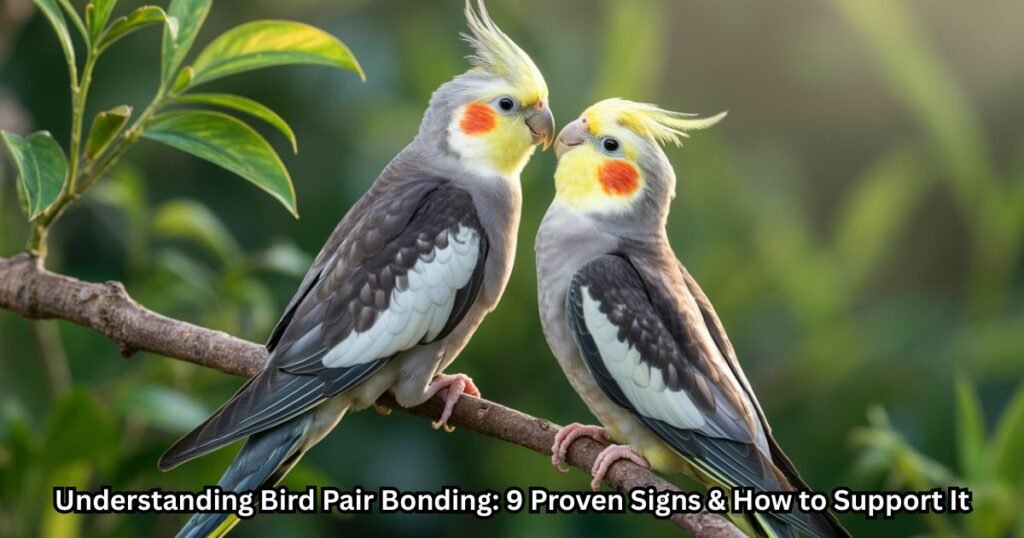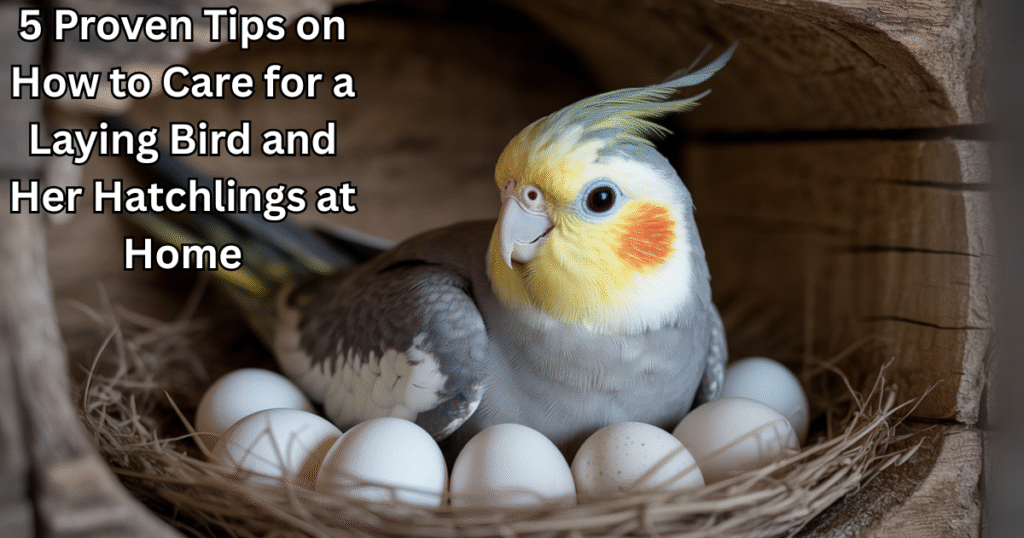
Discover effective bird post breeding care tips to help your bird recover, regain strength, restore feathers, and stay healthy after breeding.
Introduction
The breeding season is over, the nest is quiet again, and your feathered companion finally takes a moment to rest. But while those tiny hatchlings may have flown off, the mother bird’s journey is far from complete. Her body has just undergone tremendous physical and emotional strain, and this is where the next important phase begins — bird post breeding care.
Just like humans need recovery time after childbirth, birds too require a careful period of rest and nourishment to regain their strength. Many new bird owners mistakenly believe that once breeding ends, their responsibilities are over. In truth, this stage is critical — because bird post breeding care determines whether your bird will fully recover, rebuild her immunity, and be ready for future cycles without stress or fatigue.
This post-breeding stage often reveals hidden challenges. Some birds become lethargic or lose their appetite; others show feather loss or irritability due to calcium depletion or hormonal changes. Without the right balance of nutrition, hydration, and emotional support, their recovery slows — sometimes leading to long-term health issues.
In this complete guide, you’ll learn five essential, science-backed steps for bird post breeding care — from diet and environment to rest and observation. Whether you own budgies, parrots, or finches, these gentle yet powerful methods will help your bird heal naturally, rebuild vitality, and return to her joyful, vibrant self. By the end, you’ll know exactly how to help your feathered friend recover gracefully — and keep her soaring strong for the seasons ahead.
Provide Proper Nutrition for Faster Recovery
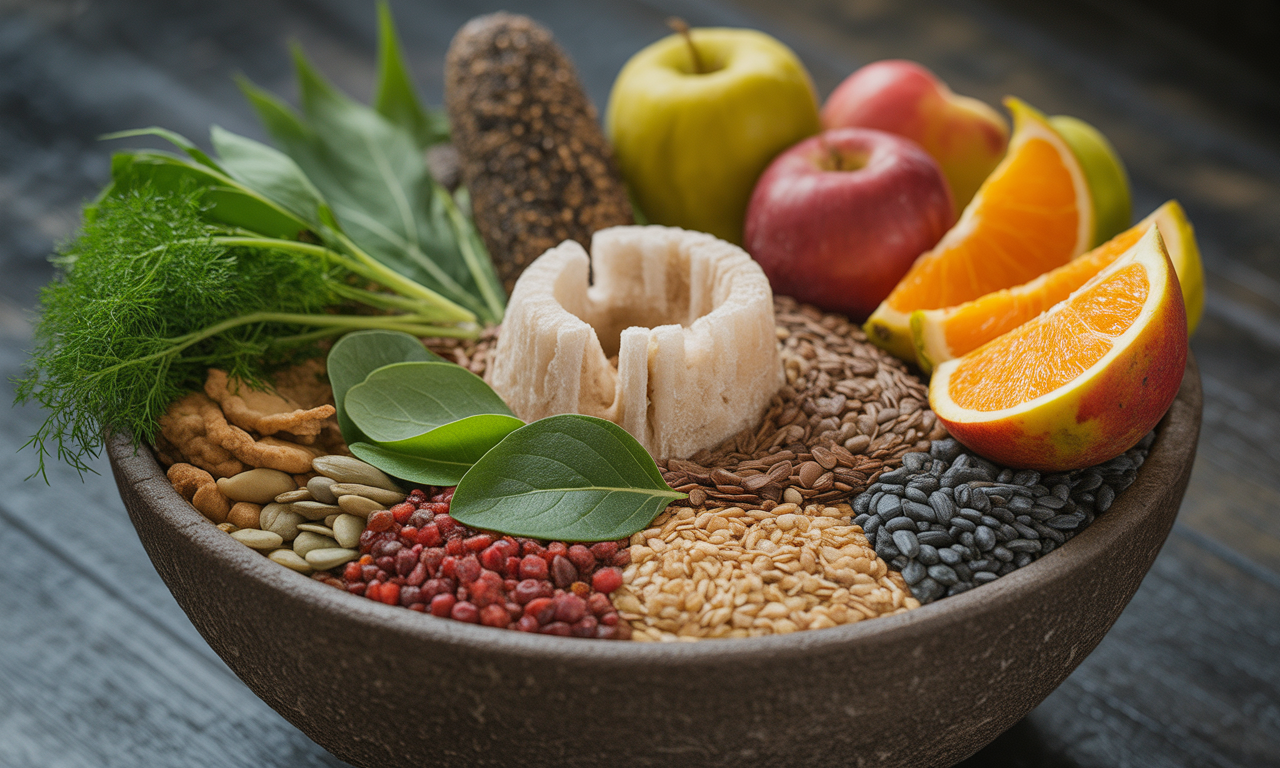
After the breeding cycle, a bird’s body is exhausted. Producing eggs, feeding hatchlings, and maintaining territorial behavior all take a toll on her physical reserves. The foundation of effective bird post breeding care starts with rebuilding her internal strength through balanced nutrition — not just feeding more, but feeding right.
The most critical nutrient during recovery is calcium. Egg formation often drains a mother bird’s calcium reserves, leaving her vulnerable to weakness, brittle bones, or feather dullness. Offer calcium-rich sources such as cuttlebone, boiled eggshell powder, and mineral supplements designed specifically for birds. Pair these with vitamin-D3 exposure — a few hours of filtered sunlight daily — to ensure proper absorption.
Protein is another pillar of bird post breeding care. Incorporate soft-boiled egg whites, sprouted seeds, soaked pulses, or chickpea mash into her diet. These foods aid tissue repair and feather regrowth. Combine them with fresh greens like spinach, kale, or lettuce for natural iron and fiber. Avoid excessive fatty seeds or processed pellets that can burden her digestive system.
Hydration plays a subtler but equally vital role. Always provide clean, chlorine-free water, and add a pinch of electrolyte powder or a drop of apple-cider vinegar once a week to support digestion and immunity. Birds recovering from breeding often lose fluids faster due to hormonal shifts, so consistent water availability keeps them alert and hydrated.
Finally, observe eating patterns. A healthy appetite signals good recovery, while refusal to eat may indicate stress or deficiency. Small dietary adjustments — like warming soft foods slightly or serving them in familiar dishes — can reignite interest in eating. Proper diet doesn’t just heal her body; it rejuvenates her energy, restores feather glow, and uplifts her mood — forming the cornerstone of holistic bird post breeding care.
Create a Calm and Comfortable Environment
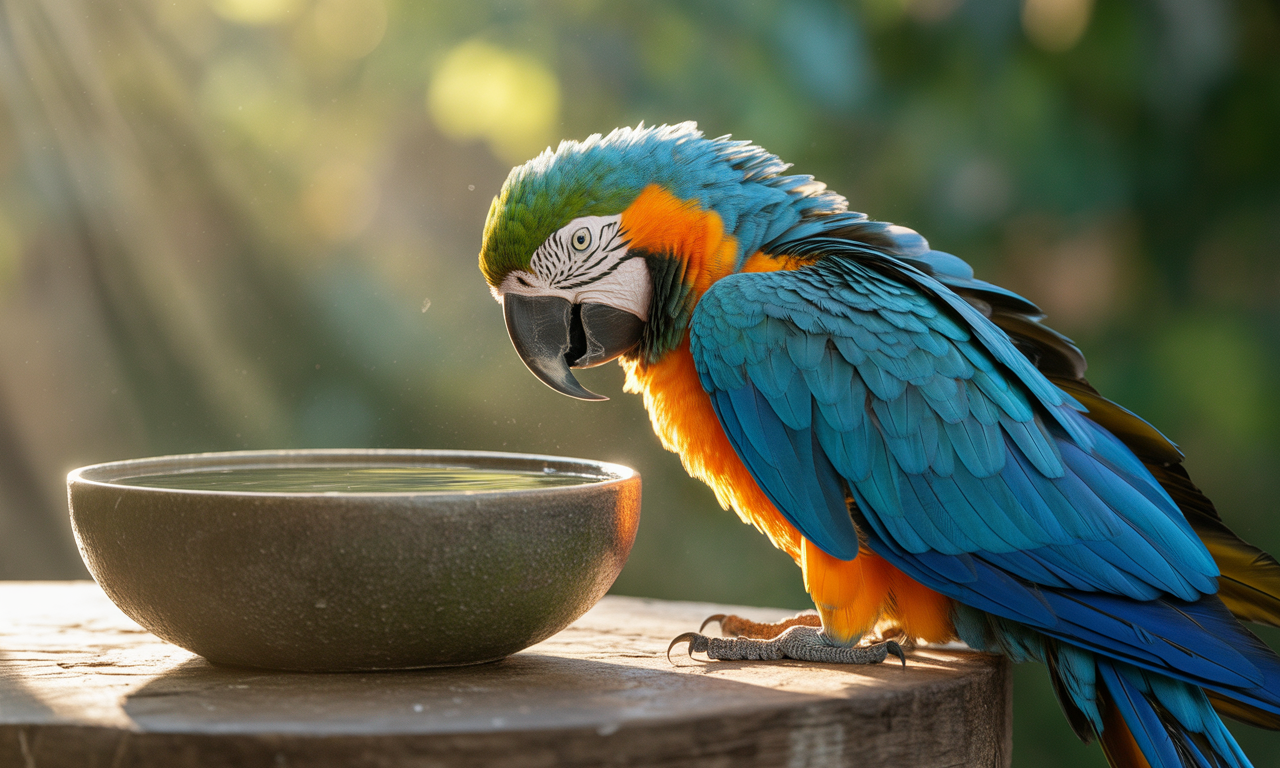
A peaceful environment is just as vital as good food in bird post breeding care. After breeding, a bird’s body is physically tired and her hormones are recalibrating. She needs tranquility to heal, molt properly, and regain her emotional balance. Even small disturbances — a sudden sound, bright light, or frequent cage movement — can cause stress, leading to feather plucking, loss of appetite, or defensive behavior.
Begin by selecting a quiet, stable location for her cage. Avoid high-traffic areas like hallways, kitchens, or near televisions. The ideal space should have gentle lighting, moderate warmth, and minimal human interference. Cover part of the cage with a breathable cloth to create a sense of security without blocking airflow. This helps her rest more deeply and rebuild confidence — both essential for natural recovery.
Temperature plays a significant role in effective bird post breeding care. Keep the environment between 26°C and 30°C (78°F to 86°F), avoiding drafts or sudden temperature fluctuations. Too much heat can dehydrate her, while cold air can slow down metabolism and delay healing. A small room heater or temperature monitor ensures steady comfort, especially during seasonal changes.
Lighting balance is equally important. Birds rely on light cycles to regulate hormones. Provide 10 to 12 hours of soft daylight and 8 to 10 hours of complete darkness to mimic their natural rhythm. A calm lighting pattern stabilizes mood and supports feather regrowth.
Finally, reduce handling and interaction for a few weeks. Let her observe her surroundings quietly and approach you when she’s ready. Playing soft instrumental sounds or nature tracks at low volume can also help. This serene space allows her to rest, preen, and rebuild inner strength — the very heart of holistic bird post breeding care.
Support Hormonal Balance and Emotional Wellbeing
When breeding ends, the physical strain may be over, but the inner adjustments have only just begun. A crucial part of bird post breeding care is supporting hormonal balance and restoring emotional peace. During the breeding phase, female birds experience heightened hormonal activity — especially increased levels of estrogen and progesterone. These hormones help produce eggs and trigger protective instincts, but once the process is complete, their rapid drop can lead to mood swings, irritability, or even mild depression in sensitive species.
To help stabilize these changes, maintain a consistent daily routine. Birds thrive on predictability. Feeding, light exposure, and quiet rest periods should follow a steady schedule. Sudden changes can confuse their biological clock, keeping hormones imbalanced and stress levels high. Dim the lights earlier in the evening and maintain about 10 to 12 hours of darkness to signal the body that breeding time has ended. This natural cycle helps suppress overstimulated hormones, promoting calmness and restful sleep.
Another effective approach in bird post breeding care is enrichment therapy. Birds are intelligent creatures, and mental stimulation helps redirect their energy positively. Introduce safe chew toys, wooden puzzles, or mirror-free playtime activities to prevent hormonal re-triggering. Gentle social interaction — like talking softly or whistling — rebuilds emotional trust between you and your bird after the intense breeding phase.
Nutrition also influences hormonal stability. Provide foods rich in omega-3 fatty acids, such as flaxseeds, chia seeds, or small pieces of walnut. These natural fats support brain health and reduce inflammation caused by stress. Herbs like chamomile or basil leaves (in moderation) can have mild calming effects, helping the bird feel grounded and emotionally steady.
Equally important is understanding that recovery is not linear. Some birds bounce back quickly, while others take weeks to regain full emotional balance. Observe her mood and activity daily — soft chirping, preening, or playful curiosity are signs of progress. If you notice prolonged lethargy, aggression, or self-isolation, consult an avian veterinarian. Emotional well-being is as important as physical recovery in bird post breeding care, and timely support can prevent deeper behavioral or hormonal issues later on.
By blending environmental stability, mental stimulation, and gentle bonding, you create a healing sanctuary where your feathered friend feels safe, valued, and relaxed. When her hormones realign naturally, she’ll return to her vibrant self — singing, exploring, and trusting again. That’s the essence of loving, mindful bird post breeding care — harmony for both body and soul.
Encourage Gentle Exercise and Feather Regrowth
As your bird’s strength slowly returns, movement becomes medicine. The next vital step in bird post breeding care is to encourage light, restorative exercise that rebuilds muscle tone, enhances blood circulation, and supports natural feather regrowth. After the physically demanding breeding phase, many birds become lethargic due to depleted nutrients and hormonal fatigue. Gentle exercise helps reactivate their energy systems, strengthen the wings, and accelerate recovery from inside out.
Start with short, supervised flying sessions inside a safe and enclosed area. Keep windows covered, fans turned off, and sharp objects away. Allow her to fly for a few minutes several times a day instead of long sessions that may cause fatigue. The aim here isn’t endurance — it’s confidence. Gradually, as stamina improves, she’ll begin stretching her wings more freely, regaining the vitality she once displayed before breeding.
Feather health is another key indicator of effective bird post breeding care. During nesting and egg-laying, hormonal shifts and nutritional loss often cause dull feathers, breakage, or partial molting. A balanced diet rich in protein, omega-3s, and natural carotenoids (from carrots, pumpkin, and leafy greens) helps feathers regrow smooth, shiny, and strong. You can also add a few drops of avian feather conditioner to her bathwater once a week to restore natural oils and reduce dryness.
Bathing plays a dual role — cleansing and emotional refreshment. Birds instinctively love water; it calms their nerves while promoting preening behavior, which keeps feathers aligned and insulated. Provide a shallow bowl of lukewarm water or a light mist spray, depending on her comfort level. Bathing every 2–3 days aids both hygiene and mental relaxation.
Environmental factors also influence feather regrowth. Ensure she receives natural or full-spectrum light daily for at least 30 minutes. This stimulates vitamin D synthesis, which, in turn, improves calcium absorption and feather quality. Avoid exposure to cold drafts immediately after bathing; let her dry naturally in a warm, quiet area.
Finally, patience is key in bird post breeding care. Feather cycles vary from species to species — some may regrow feathers within weeks, others may take months. Celebrate small signs of progress: brighter colors, longer flight durations, or cheerful chirping after exercise. These subtle changes signal that her body is healing beautifully. Remember, the goal isn’t just physical recovery — it’s helping her rediscover freedom, movement, and joy.
Monitor Health Signs and Provide Veterinary Support
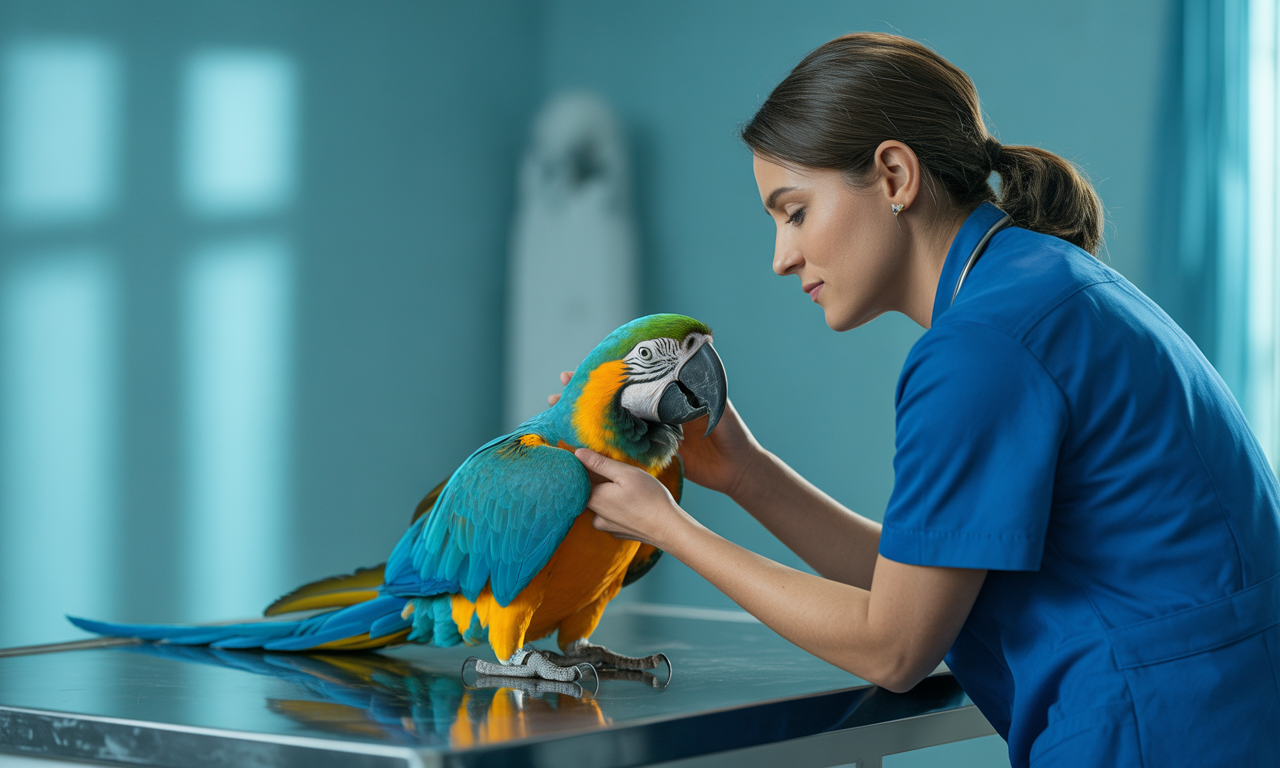
The final, yet perhaps most crucial part of bird post breeding care is consistent health observation and timely veterinary intervention. After the breeding phase, a bird’s body is vulnerable — her immune system may be temporarily weakened, and any nutritional deficiency or stress can quickly turn into illness if unnoticed. Attentive monitoring ensures you identify early signs of fatigue, infection, or hormonal imbalance before they become serious.
Begin with daily behavioral observation. Notice subtle cues — is she more withdrawn than usual? Has her appetite changed? Is she resting more, or showing disinterest in toys or bathing? These early signs can indicate lingering stress or exhaustion. Healthy post-breeding birds gradually regain curiosity, chirp softly, and resume normal activity levels. A sudden drop in energy or appetite should always prompt closer inspection.
Feather and droppings are reliable health indicators in effective bird post breeding care. Look for bright, smooth feathers free of bald patches or broken shafts. If feathers remain dull, oily, or clumped, it may indicate nutritional deficiency or infection. Similarly, her droppings should appear firm, well-formed, and consistent in color. Watery, discolored, or foul-smelling droppings can signal digestive or liver problems that require medical attention.
Regular weighing is another simple but powerful tool. A sudden loss of 5–10% in body weight is a red flag that something isn’t right. Keep a small digital bird scale at home and record her weight weekly during the recovery period. Tracking changes helps your vet assess progress and recommend dietary or supplemental adjustments as needed.
It’s also wise to schedule a post-breeding veterinary check-up — ideally within two to three weeks after the last hatchling has fledged. A professional can examine for internal infections, calcium levels, and reproductive tract recovery. They might recommend mild probiotics, vitamin supplements, or hormone stabilizers if your bird shows signs of imbalance. Routine health screenings like fecal tests, bloodwork, or X-rays can uncover hidden issues long before symptoms appear.
Never overlook mental health while managing physical recovery. Stress can suppress immunity, slowing healing. Maintain gentle interaction — soft talk, calm gestures, and slow movements reinforce trust. A vet specializing in avian behavior can also provide strategies for emotional rehabilitation, especially for birds that display anxiety or aggression after breeding.
True bird post breeding care is about balance — nourishing her body, calming her mind, and ensuring her long-term health. Veterinary support completes the circle of recovery, turning observation into prevention. By blending home care with professional guidance, you create the perfect safety net for your feathered friend — one that helps her regain strength, vitality, and happiness with confidence.
Rebuild Immunity Through Supplements and Natural Remedies
A bird’s body, after weeks of egg-laying, feeding hatchlings, and enduring sleepless nights, needs immune reinforcement. Strengthening immunity is a cornerstone of complete bird post breeding care, ensuring your feathered friend stays resilient against infections and environmental stress.
Start with natural immunity boosters. Aloe vera juice (in minimal, vet-approved doses), apple-cider vinegar in water (once a week), and probiotic drops can enhance gut health and toxin removal. Probiotics not only aid digestion but also restore good bacteria lost during hormonal stress. For parrots and cockatiels, mild herbal teas like chamomile or lemongrass infusion (cooled to room temperature) can reduce inflammation and anxiety.
Supplements play an equally vital role in bird post breeding care. A balanced multivitamin mix containing vitamin A, E, B-complex, and trace minerals helps replenish depleted nutrients. Vitamin E, in particular, supports hormonal balance, while vitamin A keeps skin and feathers healthy. Always follow avian-specific dosage instructions and avoid over-supplementation, which can burden the liver.
Additionally, boost immunity through environmental hygiene. Clean perches, feeders, and water bowls daily with a mild veterinary disinfectant. Remove leftover food promptly to prevent bacterial growth. Good hygiene prevents reinfection and helps your bird regain her natural glow faster.
Consistency is key — small, daily supportive measures nurture lasting strength. When inner wellness is restored, feathers shine brighter, behavior steadies, and the sparkle returns to her eyes — signs that your bird post breeding care routine is working beautifully.
Strengthen the Bond Through Gentle Interaction
Emotional connection completes the healing process. Beyond physical recovery, a loving bond reinforces trust and calm — an often-overlooked dimension of effective bird post breeding care. During breeding, your bird’s protective instincts heighten, sometimes creating distance or defensive behavior. Once her hormones settle, she needs reassurance that you’re her safe companion again.
Begin with quiet companionship. Sit near her cage, speak softly, or whistle familiar tunes without attempting to touch her. This non-invasive presence helps her relax and recognize your calm energy. Gradually, offer favorite treats from your palm — millet, sunflower seeds, or tiny fruit pieces. Feeding from your hand reignites her sense of comfort and belonging.
Include interactive enrichment in your bird post breeding care plan. Introduce safe toys that stimulate curiosity without overwhelming her — soft wooden beads, paper shredders, or hanging bells. Rotate toys weekly to keep engagement fresh. Short play sessions, eye contact, and slow blinking build trust and reduce anxiety, helping her return to her affectionate, social self.
Positive reinforcement — rewarding calm behavior with gentle praise or small treats — encourages emotional healing. Over time, she’ll associate your presence with peace, not pressure. Emotional security, when paired with proper diet and rest, speeds recovery remarkably.
Remember, true bird post breeding care nurtures both heart and health. When your bird feels loved, she heals faster, sings sooner, and reconnects deeper — reminding you that recovery is as much about kindness as it is about care.
FAQ
Q1. How long does it take for a bird to recover after breeding?
Recovery varies by species, but most birds need three to six weeks to regain strength. During this period, ensure balanced nutrition, rest, and emotional calm. Consistency and patience form the foundation of effective bird post breeding care.
Q2. What should I feed my bird after breeding to help her recover?
A post-breeding diet should include high-protein foods (like boiled egg white, sprouted grains, pulses), calcium sources (cuttlebone, eggshells), and fresh fruits and greens for vitamins. Hydration and light supplements also enhance the results of bird post breeding care.
Q3. Is it normal for my bird to lose feathers after breeding?
Yes. Mild feather shedding or molting is natural as the body detoxifies and renews itself. Provide omega-rich foods and gentle bathing to support regrowth. Feathers typically regain their shine within a few weeks under good bird post breeding care.
Q4. How do I know if my bird is too tired or unwell after breeding?
Watch for symptoms such as lethargy, puffed-up feathers, poor appetite, or imbalance while perching. These may indicate exhaustion or calcium deficiency. Early attention and proper bird post breeding care, along with veterinary guidance, prevent complications.
Q5. Should I separate my bird from her mate after breeding?
Temporarily, yes. Separation for a few weeks allows the female to rest, eat peacefully, and stabilize hormonally. Reuniting too early can trigger rebreeding attempts, disrupting recovery. Controlled companionship fits naturally into mindful bird post breeding care.
Q6. Can stress affect recovery after breeding?
Absolutely. Stress delays healing, suppresses immunity, and disrupts appetite. Keep her environment calm, reduce handling, and play soft nature sounds. Emotional security is as essential as nutrition in complete bird post breeding care.
Conclusion
The breeding season may end, but your journey as a caregiver continues. True bird post breeding care is about restoration — helping your feathered friend heal, rejuvenate, and rediscover her rhythm of life. The weeks after breeding are not a time to rush or ignore; they’re a sacred phase of nurturing, patience, and subtle observation.
When you provide a nutritious diet, a peaceful habitat, emotional connection, and gentle stimulation, your bird’s vitality returns in small but beautiful ways — brighter feathers, stronger flight, and renewed affection. Each moment of rest and recovery you offer becomes a silent promise of care and trust.
By following the steps in this guide, you’ll not only strengthen her physical health but also deepen the bond between you. Every chirp of gratitude, every calm glance, every flutter of new feathers reflects the success of your efforts.Now it’s your turn —
💬 Which of these post-breeding care practices helped your bird recover the most?
Share your thoughts or stories in the comments below. Your experiences might inspire countless other bird parents to provide the gentle, loving bird post breeding care their companions deserve.
👉Looking for something different? Check out our latest post here: https://birdsheavencare.com/how-to-care-for-a-laying-bird/