Discover the 10 best vet recommended bird care products every bird owner should keep at home. Ensure safety, hygiene, and happiness for your pet bird today!
Introduction
Have you ever walked into a pet store, stared at rows of colorful bottles, toys, and tonics, and wondered which ones your bird actually needs? You’re not alone. Every bird parent wants the best for their feathered friend — but with hundreds of brands claiming to be “safe” or “natural,” it’s easy to get lost in the noise. That’s where vet recommended bird care products make all the difference.
Veterinarians understand the subtle needs of pet birds — from their fragile bones to their sensitive respiratory systems. Using the right vet recommended bird care products ensures not only your bird’s daily comfort but also long-term health, stronger immunity, and fewer vet visits. Yet, many owners unknowingly use harmful or low-quality products that can cause stress, dull feathers, or even chronic illness.
In this post, we’ve compiled a definitive list of the 10 most trusted and vet recommended bird care products every pet bird owner should keep at home. Whether you’re raising a curious parakeet, a chatty cockatiel, or a vibrant macaw, this guide will help you build the perfect care kit — one that keeps your bird happy, healthy, and full of life.
By the end of this post, you’ll know exactly which products your avian vet would keep in their own clinic and how to use them safely for your beloved companion.
Why Vet Recommended Bird Care Products Matter
Every bird owner dreams of seeing their feathered friend bright-eyed, active, and full of chirps. But what many don’t realize is that most common health issues in pet birds stem from poor-quality supplies and untested products. That’s why using vet recommended bird care products isn’t just a smart choice — it’s essential for your bird’s health and happiness.
Unlike generic items you might find online, vet recommended bird care products are scientifically tested to match the biological needs of birds. These items are free from toxins, artificial colors, or harmful metals that often sneak into low-grade toys or feeders. When you choose vet recommended bird care products, you’re choosing safety, nutrition, and peace of mind — all in one.
Avian veterinarians design and approve these products after studying how birds eat, preen, sleep, and interact with their environment. From calcium blocks that strengthen fragile bones to vitamin drops that keep feathers shiny, each product plays a vital role in preventing illness before it starts.
So, the next time you restock your pet supplies, skip the guesswork. Invest in vet recommended bird care products that ensure your bird thrives — not just survives.
10 Vet Recommended Bird Care Products You Should Keep at Home
Caring for a pet bird isn’t just about providing food and a cage — it’s about creating a safe, healthy, and enriching environment. The following vet recommended bird care products are handpicked by avian experts to ensure your feathered companion lives a long and joyful life.
1. High-Quality Bird Feed Mix
Problem: Many owners feed their birds only seeds, unaware that this leads to nutritional imbalance and obesity.
Explanation: A premium feed mix containing pellets, grains, and dried fruits offers balanced nutrition. These bird care essentials you should keep at home mimic natural foraging and support vibrant plumage.
Solution: Look for brands formulated by avian vets and fortified with calcium, Omega-3, and essential amino acids.
Pro Tip: Rotate two types of feed every few months to maintain appetite diversity and prevent boredom.
2. Calcium and Mineral Blocks

Problem: Birds often suffer from weak bones, egg-binding, or brittle beaks due to calcium deficiency.
Explanation: Vet recommended bird care products like mineral blocks or cuttlebones replenish lost calcium and help birds trim their beaks naturally.
Solution: Mount a calcium block securely near a perch where your bird spends most of its time.
Pro Tip: Replace it every two weeks to ensure constant mineral availability.
3. Multivitamin Drops for Birds

Problem: Birds in captivity don’t always get the same nutrients they would in the wild.
Explanation: Multivitamin drops are among the most essential bird health supplies for pet birds, promoting stronger immunity and better digestion.
Solution: Mix the vet-approved dosage in drinking water or soft food once or twice a week.
Pro Tip: Avoid overdosing—more isn’t better. Follow your avian vet’s recommended frequency.
4. Bird Bath & Feather Misting Spray
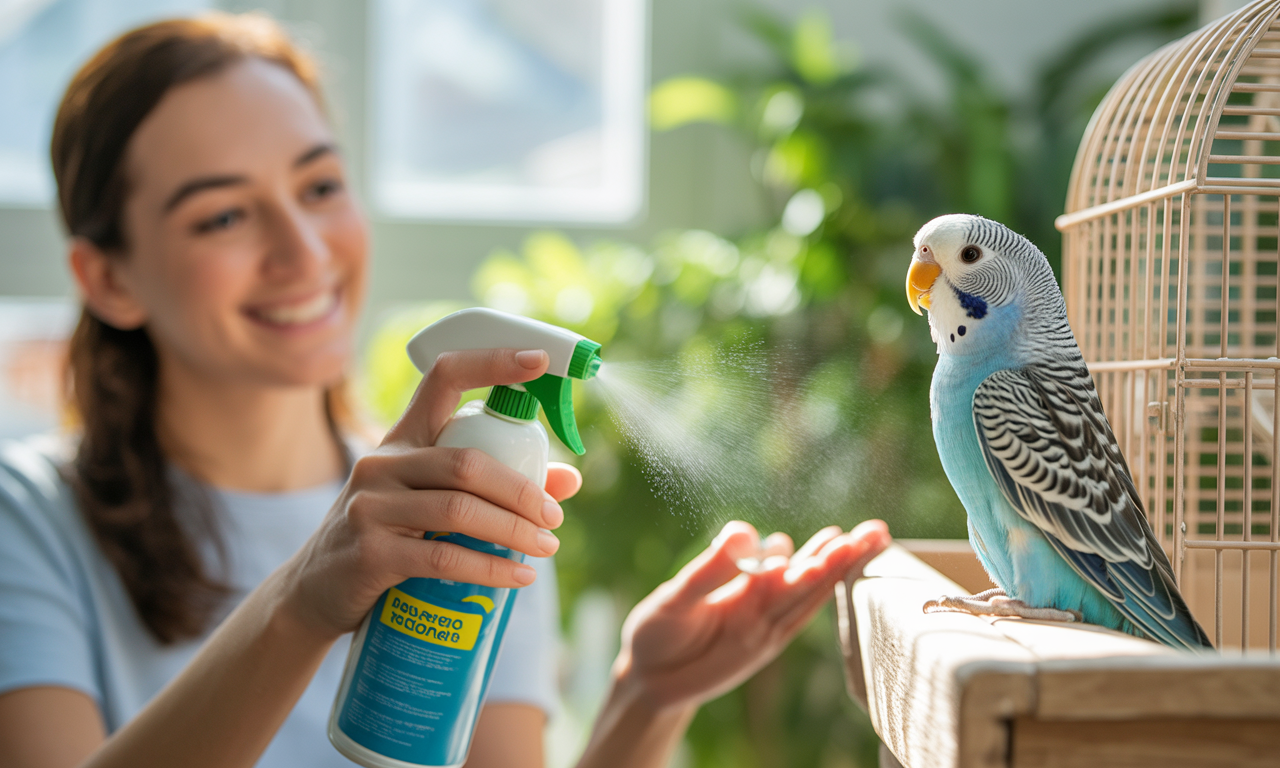
Problem: Dry air and lack of humidity cause itchy skin, dull feathers, and stress.
Explanation: Using vet recommended bird care products like gentle misting sprays keeps feathers hydrated and shiny. A clean bird bath encourages natural grooming behavior.
Solution: Use lukewarm water for bathing and avoid any perfumed additives.
Pro Tip: Bathe your bird twice a week in summer, once in winter — more frequent baths improve mood and health.
5. Grooming & Nail Trimming Kit
Problem: Overgrown nails and untrimmed feathers can lead to injury and flight imbalance.
Explanation: Professional grooming kits are avian health products recommended by vets, ensuring precision and safety.
Solution: Use vet-grade scissors or clippers with rounded tips to prevent accidental cuts.
Pro Tip: Always reward your bird afterward with a treat to build positive grooming habits.
6. Cage Disinfectant & Cleaning Solution
Problem: Dirty cages breed harmful bacteria and mites, putting your bird’s health at risk.
Explanation: Safe disinfectants like F10 SC Veterinary Cleaner are vet recommended bird care products that sanitize without harmful fumes.
Solution: Clean the cage twice a week with a diluted solution; rinse thoroughly before placing your bird back inside.
Pro Tip: Avoid bleach or phenol-based cleaners—they can damage your bird’s lungs.
7. First Aid & Wound Care Spray
Problem: Minor cuts, feather plucking, or insect bites can escalate into infections if untreated.
Explanation: Keep a vet recommended bird care product specifically for first aid in your cabinet. Sprays with aloe vera or chlorhexidine promote quick healing.
Solution: Apply directly on wounds after cleaning the area gently with saline water.
Pro Tip: If wounds don’t heal within 48 hours, contact an avian vet immediately.
8. Parasite Control Powder or Spray
Problem: External parasites like mites or lice cause severe irritation, restlessness, and feather loss.
Explanation: Natural anti-parasite powders are best bird care items for pet birds, tested to eliminate mites safely.
Solution: Dust the bird’s environment weekly, focusing on cage corners, perches, and nest boxes.
Pro Tip: Keep the cage in sunlight for a few hours weekly to deter parasites naturally.
9. Feather Growth & Conditioning Supplements
Problem: Molting seasons can weaken birds and make their feathers look dull or patchy.
Explanation: Omega-rich tonics and amino acid supplements are vet recommended bird care products designed to speed up healthy feather regeneration.
Solution: Mix in feed or water as per dosage instructions once or twice weekly.
Pro Tip: Combine supplement use with a protein-rich diet for faster visible results.
10. Interactive & Foraging Toys
Problem: Boredom leads to destructive behavior, screaming, or feather plucking.
Explanation: Vet recommended bird care products often include eco-friendly foraging toys that encourage mental stimulation and natural instincts.
Solution: Choose non-toxic wooden, rope, or cardboard toys and rotate them weekly.
Pro Tip: Hide treats inside toys to engage your bird’s curiosity and reward its effort.
These ten vet recommended bird care products are more than just accessories—they are the foundation of a happy, healthy bird life. Each item plays a unique role in supporting your pet’s nutrition, hygiene, and emotional well-being.
How to Choose the Right Bird Care Products (Buying Guide) When it comes to your feathered friend’s well-being, choosing the right supplies can feel overwhelming. Shelves and online marketplaces are filled with countless brands claiming to be “organic,” “safe,” or “veterinarian approved.” But not every label tells the truth. Knowing how to identify vet recommended bird care products can save you from making costly and harmful mistakes. This buying guide will help you recognize what truly matters — from ingredient quality to product safety — so that every choice supports your bird’s health, happiness, and longevity.
- Check for Avian-Specific Certification The first rule in choosing vet recommended bird care products is to ensure they are explicitly tested for birds. Avoid items made for generic pets like cats or dogs, as their formulations may contain oils, chemicals, or preservatives unsafe for birds. Look for certifications from avian veterinarians or trusted organizations that guarantee the product has been designed with bird physiology in mind.
🪶 Pro Tip: Look for “avian-safe,” “bird-safe,” or “veterinary approved” markings — especially when buying disinfectants, tonics, or grooming supplies.
- Prioritize Natural and Non-Toxic Ingredients Birds are extremely sensitive to chemicals and fumes. When selecting vet recommended bird care products, always read ingredient labels carefully. Steer clear of artificial colors, fragrances, and petroleum-based materials. Instead, opt for natural elements such as aloe vera, coconut oil, and essential minerals.
For example, calcium blocks made from natural cuttlebone are safer than artificial mineral cubes containing synthetic binders. Similarly, grooming sprays with botanical extracts work better than chemical alternatives that can irritate a bird’s skin and feathers.
🪶 Pro Tip: If you wouldn’t use it around a baby’s skin or in your kitchen, it probably isn’t safe for your bird either.
- Match the Product to Your Bird’s Species and Age Not all vet recommended bird care products work the same way for every species. Parakeets, cockatiels, parrots, and finches each have different nutritional needs. Smaller birds require lighter formulas, while larger species need richer supplements and sturdier toys. Hatchlings and aging birds also have unique care requirements.
🪶 Example: Young budgies benefit from vitamin-enriched feed mixes, while adult cockatoos may need Omega-3 tonics to maintain feather shine and heart health.
🪶 Pro Tip: Consult your vet for personalized recommendations, especially before adding any supplement to your bird’s diet.
- Examine Product Reviews and Expert Endorsements A good rule of thumb for finding reliable vet recommended bird care products is to study customer feedback and professional endorsements. Authentic reviews often reveal how effective a product is in real-world use. Avoid products with little or no verified purchase history, as these might not have been adequately tested.
🪶 Pro Tip: Look for detailed reviews mentioning species type, duration of use, and visible improvements in feather condition, behavior, or energy levels.
- Avoid Common Red Flags Certain warning signs indicate that a product may not be genuinely vet-approved or safe:
Strong chemical odors or synthetic fragrances.
Non-disclosure of ingredients or vague labels.
Inconsistent packaging or lack of manufacturing details.
Absence of certification or contact details.
Using such unsafe products can lead to respiratory issues, feather loss, or behavioral stress — problems easily prevented by sticking to vet recommended bird care products that meet quality standards.
🪶 Pro Tip: If the price seems too good to be true, it often is. Cheap imitations compromise on safety and testing.
- Always Choose Products That Support Enrichment True wellness goes beyond physical health. The best vet recommended bird care products also support emotional and mental stimulation. Foraging toys, multi-textured perches, and activity-enhancing accessories encourage natural instincts, reduce boredom, and strengthen the human-bird bond.
🪶 Pro Tip: Rotate your bird’s toys and perches every few weeks to maintain engagement and prevent behavioral issues like feather plucking or restlessness.
- Verify Brand Transparency and Longevity When shopping for vet recommended bird care products, always research the brand’s credibility. Established avian product manufacturers often publish detailed research, clinical results, or veterinary collaborations on their websites.
🪶 Pro Tip: Prefer brands that clearly list their production methods, ingredients, and safety certifications — transparency is a strong indicator of trustworthiness.
Choosing vet recommended bird care products is ultimately about understanding your bird’s individual needs. A little research, combined with expert guidance, ensures that every item you buy contributes to your pet’s comfort, health, and happiness. By following these steps, you’ll create not just a collection of supplies — but a true sanctuary for your feathered companion.
Common Mistakes Bird Owners Make (And How to Avoid Them)
Even the most loving bird parents can unintentionally make mistakes that affect their feathered friend’s health and happiness. Caring for a bird requires consistency, awareness, and a bit of expert insight. Many new owners overlook the value of vet recommended bird care products, relying instead on cheap or unverified supplies. These small choices can snowball into serious health problems over time. Below are the most frequent errors bird owners make — and how you can easily avoid them.
1. Using Non-Vet-Approved or Cheap Imitation Products
This is by far the most common and dangerous mistake. In an effort to save money, many owners purchase generic toys, sprays, or supplements without checking their quality. Unfortunately, these products often contain chemicals, dyes, or metals that can harm a bird’s delicate system.
Using poor-quality items instead of vet recommended bird care products can lead to respiratory issues, feather loss, digestive problems, and behavioral stress. Unlike ordinary products, vet recommended bird care products are tested to be non-toxic, lightweight, and species-safe — ensuring long-term well-being.
🪶 Pro Tip: Always buy from trusted brands or avian clinics that clearly mention “vet-approved” on their label.
2. Ignoring Proper Nutrition and Supplement Balance
Feeding birds only seeds or one type of food is another major mistake. While seeds provide fat and taste, they lack vital vitamins, minerals, and amino acids. Without proper supplementation, birds develop brittle bones, dull feathers, and weak immune systems.
The solution lies in using vet recommended bird care products such as multivitamin drops, calcium blocks, and Omega-rich tonics that maintain nutritional balance. Each supplement should be chosen according to your bird’s size, species, and lifestyle.
🪶 Pro Tip: Consult your vet before adding new supplements; over-supplementation can be just as harmful as deficiency.
3. Overlooking Hygiene and Cage Maintenance
Dirty cages, old food bowls, and unwashed toys can turn into breeding grounds for bacteria and parasites. Birds spend most of their time in enclosed spaces, so hygiene directly affects their health. Many owners use regular household cleaners that contain harmful fumes, not realizing how sensitive a bird’s respiratory system is.
Safe cleaning depends on vet recommended bird care products like avian-safe disinfectants and cage sprays. These ensure deep cleaning without exposing your bird to chemical residues.
🪶 Pro Tip: Clean your bird’s cage twice a week using a mild veterinary disinfectant like F10 SC, followed by sun-drying for natural sterilization.
4. Neglecting Environmental Enrichment
Birds are intelligent creatures that thrive on mental and physical stimulation. Owners who ignore enrichment often notice behavioral issues like feather plucking, screaming, or lethargy. Providing the right toys and perches is just as important as feeding and grooming.
Vet recommended bird care products often include natural, non-toxic foraging toys and textured perches that encourage exercise and curiosity. Rotating these toys weekly prevents boredom and keeps your pet active.
🪶 Pro Tip: Hide small treats inside foraging toys to keep your bird mentally engaged and reward positive behavior.
5. Skipping Regular Vet Checkups and Professional Advice
Many bird owners assume their pets are fine as long as they’re eating and chirping. Birds, however, are masters at hiding illness until it becomes serious. Skipping annual or semi-annual vet visits means missing early signs of health issues that could easily be treated.
Avian vets often recommend personalized diets, supplements, and environment setups based on your bird’s unique needs. Following these plans and using vet recommended bird care products ensures that your bird’s care routine aligns perfectly with professional guidance.
🪶 Pro Tip: Schedule regular vet checkups every six months and always update your product list based on your vet’s latest recommendations.
6. Failing to Observe Behavioral and Physical Changes
Sometimes, small changes like less singing, drooping wings, or decreased appetite can signal stress or illness. Many owners ignore these early cues. Birds communicate discomfort subtly, so observation is key.
If you notice unusual behaviors, check whether your environment, diet, or accessories have changed recently. Low-quality or expired products can often be the cause. Switching back to vet recommended bird care products helps restore comfort and normalcy quickly.
🪶 Pro Tip: Keep a small “bird diary” to note feeding patterns, playtime habits, and any changes in behavior — this helps your vet diagnose problems faster.
In essence, every small decision — from the food you choose to the toy you buy — plays a big role in your bird’s well-being. Avoiding these mistakes and investing in authentic vet recommended bird care products ensures your companion enjoys a long, stress-free, and joyful life.
Vet-Approved Daily Bird Care Routine (Weekly Schedule Template)
Building a consistent routine is the foundation of good avian health. Even the most expensive vet recommended bird care products will fail to deliver results if not used systematically. Birds thrive on rhythm, familiarity, and gentle attention — so a well-planned weekly schedule ensures your pet receives balanced nutrition, cleanliness, and emotional enrichment. Below is a simple yet effective care guide you can follow using only safe and tested vet recommended bird care products.
🗓️ Monday – Nutrition & Supplement Boost
Start your week with a nutritional check-in. Feed your bird a mix of high-quality seeds, pellets, and fresh fruits. Rotate food brands occasionally to maintain interest, but make sure each one belongs to the vet recommended bird care products category.
Add a few drops of multivitamin supplements or probiotic tonics (as guided by your vet). These strengthen your bird’s digestive system, immunity, and feather texture.
Pro Tip: Never mix supplements in hot water or freshly cut citrus fruits — it reduces vitamin potency.
🧼 Tuesday – Hygiene and Environment Care
Cleanliness is critical. On Tuesdays, focus on disinfecting the cage, perches, and feeding bowls using vet recommended bird care products like avian-safe cleaning sprays. Remove leftover food and replace water with fresh, chlorine-free water.
Use a soft brush to remove droppings and dirt from cage corners. Avoid scented household cleaners — they release fumes that can irritate your bird’s airways.
Pro Tip: Always dry the cage completely before reintroducing your bird. Dampness encourages bacterial growth.
🌿 Wednesday – Feather Care & Bath Time
Midweek is perfect for a refreshing bath or misting session. Birds love grooming, and regular bathing keeps their feathers bright and skin hydrated. Use lukewarm water with a feather-safe misting spray — another staple among vet recommended bird care products.
Let your bird enjoy a few minutes of supervised playtime in the sunlight after bathing. Sunlight helps with Vitamin D synthesis, which is vital for bone health.
Pro Tip: Place a shallow bath dish inside the cage for smaller birds; larger species prefer hand-misting.
🧩 Thursday – Play & Enrichment Day
Birds are intelligent creatures that need daily mental engagement. Dedicate Thursdays to introducing or rotating toys. Use eco-friendly, non-toxic materials — typical of vet recommended bird care products — to keep your bird safe while stimulating natural foraging behavior.
Hang wooden or rope toys at different levels to encourage climbing and exploration. You can also hide small treats in foraging toys to strengthen problem-solving instincts.
Pro Tip: Keep two sets of toys and alternate them weekly to prevent boredom.
🫶 Friday – Health Observation & Interaction
Spend extra time observing your bird’s mood, droppings, appetite, and energy. Early detection of abnormalities can save your bird’s life. Keep a simple logbook of observations.
Use gentle handling sessions to strengthen your bond. During this time, you can check nails, beak shape, and feather alignment — ensuring all grooming tools used are vet recommended bird care products to prevent accidental injuries.
Pro Tip: Talk softly while handling your bird. Verbal reassurance reduces stress and builds trust.
🌞 Saturday – Cage Upgrade & Enrichment
Saturdays are great for rearranging your bird’s cage. Replace worn-out perches, clean old toys, and check for rust or loose wires. Use only avian-safe materials such as bamboo, coconut shells, or natural wood perches included among vet recommended bird care products.
Update food and water dispensers to ergonomic designs that prevent spills and contamination.
Pro Tip: Add a mirror or a bell toy for single birds — it provides emotional comfort when you’re away.
💚 Sunday – Rest & Reward Day
End the week with calmness and bonding. Keep Sunday light with free flight time inside a safe room. Offer healthy treats like millet sprays, apple slices, or carrot bits. Use vet recommended bird care products like fortified food toppers to boost nutrition naturally.
Play soothing background music or nature sounds — it helps your bird relax and lowers anxiety.
Pro Tip: Limit handling time if your bird seems tired; rest is essential for recovery and mood balance.
Following this weekly care routine ensures your pet bird receives a holistic approach — balancing hygiene, nutrition, and emotional enrichment. By combining daily habits with vet recommended bird care products, you create a stable and nurturing environment that promotes longevity, happiness, and harmony between you and your feathered friend.
Pro Tips from Avian Experts
Even with all the right supplies, true avian care goes beyond the basics. Expert bird veterinarians and behaviorists emphasize that the real secret to raising a healthy, happy bird lies in consistency, environment, and trust — supported by the proper use of vet recommended bird care products. These insights, collected from seasoned avian experts, can transform your daily care routine from ordinary to exceptional.
- Observe Before You Intervene Avian specialists insist that the best care begins with observation. Birds communicate more through behavior than sound. Changes in feather position, eye brightness, or eating habits often signal discomfort.
When something seems off, experts suggest first reviewing your bird’s routine and supplies. Sometimes, switching to vet recommended bird care products — such as safer grooming sprays or balanced supplements — can instantly resolve hidden issues.
🪶 Pro Tip: Keep a journal to record your bird’s activities, moods, and food intake. Subtle changes over time can reveal patterns your vet will find invaluable.
- Avoid Over-Sanitizing the Environment Cleanliness is important, but overuse of strong disinfectants or daily deep-cleaning can do more harm than good. Many commercial cleaners contain fumes that can irritate a bird’s respiratory tract. Avian experts recommend mild, non-toxic disinfectants among vet recommended bird care products, used only twice a week.
🪶 Pro Tip: Let your bird spend supervised time outdoors or near an open window (protected by mesh) for natural air circulation and sunlight exposure. It strengthens immunity and uplifts mood.
- Rotate Toys and Perches Frequently Birds are naturally curious and thrive on novelty. Keeping the same toys or perches for months can lead to boredom and anxiety. Experts advise rotating vet recommended bird care products like foraging toys, swings, and perches every 10–14 days.
🪶 Pro Tip: Introduce new items gradually. Place new toys near the cage for a day or two before installing them inside, helping shy birds adjust comfortably.
- Monitor Temperature and Humidity Birds are highly sensitive to sudden temperature fluctuations. Avian experts recommend maintaining room temperatures between 24°C–30°C and relative humidity around 50–60%. Dry air leads to feather breakage and respiratory dryness, while excessive humidity can encourage bacterial growth.
Use vet recommended bird care products like digital thermometers, hygrometers, and air humidifiers made specifically for avian environments. These tools help maintain perfect comfort conditions year-round.
🪶 Pro Tip: Avoid placing cages directly near air conditioners, fans, or open windows — drafts can cause chills and illness.
- Encourage Natural Foraging and Playtime Wild birds spend up to 70% of their day foraging. In captivity, this instinct can fade, leading to laziness or stress. Avian experts highlight that vet recommended bird care products, especially foraging toys, slow feeders, and shreddable materials, simulate natural feeding behaviors.
🪶 Pro Tip: Hide healthy treats like sprouted seeds or millet inside cardboard rolls or paper cups. This turns feeding time into a rewarding adventure for your bird.
- Prioritize Mental Stimulation and Social Connection Birds are social creatures — neglecting mental engagement can cause emotional distress. Experts stress that talking, whistling, or even gently playing music daily improves cognitive and emotional well-being.
Combine this with vet recommended bird care products that promote bonding, such as grooming brushes or treat dispensers. Birds quickly learn to associate these products with affection and comfort.
🪶 Pro Tip: Dedicate at least 20–30 minutes each day for one-on-one interaction with your bird — it’s as vital as food or water.
- Follow a Seasonal Care Routine Experts note that birds’ needs vary across seasons. In summer, hydration and cooling baths are essential. During winter, focus on warmth and vitamin supplementation. Always keep a seasonal checklist of vet recommended bird care products tailored to your local climate.
🪶 Pro Tip: In humid seasons, reduce misting frequency but keep up cage ventilation. In dry weather, use an air humidifier to prevent feather brittleness.
Avian experts unanimously agree that the combination of love, observation, and consistent use of vet recommended bird care products creates the perfect environment for your bird to thrive. When science and compassion come together, your home becomes more than just a cage — it
❓ FAQ — Vet Recommended Bird Care Products
Q1. What are vet recommended bird care products?
A: Vet recommended bird care products are avian-safe items tested and approved by veterinarians for everyday use. These include feed mixes, supplements, cleaning solutions, grooming tools, and foraging toys designed specifically for birds. Using these products ensures safety, health, and longevity for your feathered companion.
Q2. Why should I choose vet recommended bird care products instead of regular ones?
A: Regular pet supplies often contain dyes, perfumes, or chemicals that can harm your bird’s delicate system. Vet recommended bird care products are non-toxic, pH-balanced, and species-specific, ensuring your bird’s nutritional, emotional, and environmental well-being.
Q3. How often should I replace or rotate vet recommended bird care products?
A: Replace grooming and feeding tools every 3–6 months, depending on usage. Rotate toys and perches weekly to keep your bird mentally stimulated. Regularly inspect all vet recommended bird care products for wear, rust, or contamination to maintain hygiene and safety.
Q4. Are vet recommended bird care products safe for all bird species?
A: Yes, most vet recommended bird care products are safe for all species — from finches and budgies to cockatoos and macaws. However, always check product labels for species-specific recommendations and consult your avian vet if unsure.
Q5. What are the top essential vet recommended bird care products to keep at home?
A: Every bird owner should have a nutrient-rich feed mix, calcium blocks, vitamin drops, avian-safe disinfectant, and foraging toys. These vet recommended bird care products form the foundation of daily avian care and support overall wellness.
Q6. Can I make homemade alternatives to vet recommended bird care products?
A: While some DIY options like cardboard toys or paper foraging cups are safe, avoid homemade disinfectants or supplements. Always rely on vet recommended bird care products for medical, nutritional, and cleaning needs to prevent accidental harm.
Q7. Where can I buy authentic vet recommended bird care products online?
A: Reputable online platforms such as Amazon Pet Supplies, Chewy, or specialized avian stores like BirdSupplies.com and Omlet offer verified vet recommended bird care products. Look for brands with “avian-safe” or “veterinarian approved” certifications before purchasing.
🪶 Conclusion
Every bird deserves a home filled with care, safety, and love — not just a cage. And the difference between a thriving, vibrant bird and a dull, stressed one often comes down to the choices you make. Selecting the right vet recommended bird care products isn’t a luxury — it’s a responsibility that reflects your bond and understanding as a pet parent.
From high-quality feed mixes to avian-safe disinfectants, each product you choose directly impacts your bird’s health, mood, and longevity. What’s remarkable about these vet recommended bird care products is their simplicity — they work quietly behind the scenes, ensuring feathers remain glossy, beaks stay strong, and every chirp sings with joy.
When you rely on expert-approved solutions, you minimize risk, reduce vet visits, and offer your feathered friend the comfort of a naturally balanced lifestyle. Remember, birds are not ornaments — they are sentient companions who feel, learn, and love deeply. Providing them the best care isn’t just about following instructions — it’s about creating harmony between science and compassion.
✨ Now it’s your turn:
Start today by adding at least one of these vet recommended bird care products to your setup. Watch the transformation unfold as your bird grows more confident, healthier, and happier — proof that great care begins with informed choices.
💡Looking for something different? Check out our latest post here: https://birdsheavencare.com/diy-bird-toys-recycled/