Discover my first year bird parent journey — from mistakes to heartwarming lessons that transformed my bond with my feathered friend forever.
- 🕊️ The Beginning of My Bird Parent Journey
- 🐣 The Early Days: Adjusting to a New Life Together
- 🕊️ Building Trust and Understanding
- 🥭 Feeding, Nutrition, and Emotional Care
- 🏡 Creating a Safe and Stimulating Environment
- ⏰ The Healing Power of Routine and Communication
- 💔 Handling Challenges and Emotional Setbacks
- 🌈 Celebrating Growth and Lifelong Companionship
- 🕊️ Lessons from the Bird Parent Journey
- 🌤️ Gratitude and Reflection
- ❓ Frequently Asked Questions (FAQ)
- 🌺 Conclusion — Where Wings and Hearts Meet
- 📘 Glossary
🕊️ The Beginning of My Bird Parent Journey
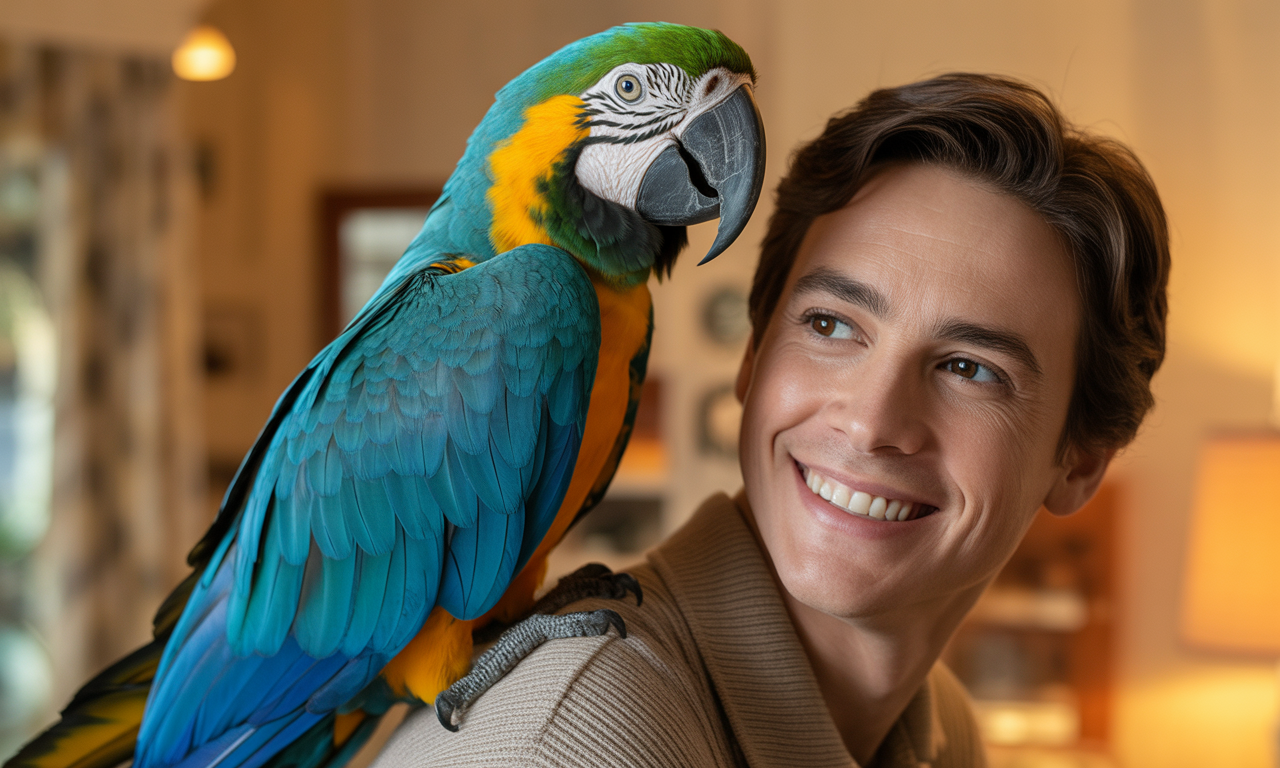
Every story of companionship begins quietly — a flutter, a heartbeat, a spark of life that changes everything. The day a tiny bird entered my home, I stepped unknowingly into one of the most rewarding experiences of my life — my bird parent journey. It began with curiosity and soon blossomed into a relationship built on care, patience, and discovery.
At first, I saw only a delicate creature in a cage; fragile, timid, and dependent. But soon I realized that being part of this bird parent journey meant learning a whole new language — one spoken through feathers, chirps, and subtle glances. Birds communicate not with words, but with rhythm, tone, and trust. I had to slow down, observe, and listen to what silence was teaching me.
Those early mornings when I uncovered the cage were magical. The soft rustle of feathers, the sparkle in tiny eyes adjusting to daylight — it was a daily reminder that life, no matter how small, carries immense joy. Gradually, our bond deepened. My bird began to anticipate my presence, chirping when I entered the room or softly preening while perched near me. Every gesture was a message of comfort and familiarity.
What makes the bird parent journey so profound is how it changes you from within. You start noticing subtleties — how your energy affects your bird’s mood, how their calmness mirrors your own peace, and how every small act of care strengthens an invisible thread of trust. Being a bird parent isn’t just about providing food or cleaning a cage; it’s about nurturing a living spirit that depends on your consistency and compassion.
Through this journey, I learned that patience is love in action. Birds thrive on predictability and gentle energy. When you approach them calmly, they open up; when you rush, they retreat. The bird parent journey transforms everyday routines into sacred rituals — feeding becomes bonding, bathing becomes therapy, and playtime becomes communication. It’s a dialogue between species, built entirely on empathy.
🐣 The Early Days: Adjusting to a New Life Together
The first few weeks were a blend of wonder and worry. Like many new caregivers, I wanted to do everything right. But no guidebook can fully prepare you for the living lessons of your own bird parent journey. My mornings became quiet sessions of observation — learning how my bird stretched, how it tested its wings, and how it expressed both joy and caution.
In those early days, mistakes taught me more than manuals ever could. I spoke too quickly, moved too suddenly, and learned the hard way that trust must be earned slowly. Birds have delicate hearts and sharp instincts; they feel safety before they see it. Gradually, I began sitting nearby, reading softly until my bird’s fear turned into curiosity. The first time it hopped toward me willingly, I knew we had crossed an invisible bridge of trust.
Nutrition was my next lesson. I discovered that a healthy diet in the bird parent journey goes beyond seeds. It includes fresh vegetables, safe fruits, and measured portions that mirror their wild diet. Observing eating habits revealed emotional cues — excitement, pickiness, and even fatigue. Birds are expressive eaters; they tell you what they love if you listen closely.
Creating a natural sleep rhythm became equally essential. Covering the cage at dusk helped mimic twilight, signaling rest and security. I learned that eight to twelve hours of uninterrupted sleep can make a huge difference in mood and immunity. It’s details like these that shape the harmony of your bird parent journey — the balance between care, routine, and respect for instinct.
And somewhere between those quiet nights and lively mornings, I realized how much birds reflect our energy. If I was anxious, they grew restless. If I sang softly, they relaxed. The bird parent journey became more than companionship — it became a mirror of mindfulness. Each day, my bird taught me something about patience, empathy, and living with awareness.
By the end of those first few months, I no longer saw myself as an owner. I was a guardian, a friend, and a student of nature’s gentlest teacher. Every flutter, chirp, and moment of stillness carried a lesson — that true connection doesn’t require words, only presence.
🕊️ Building Trust and Understanding
Trust is not given; it’s earned feather by feather, moment by moment. In the heart of every bird parent journey, trust is the invisible bridge that connects two entirely different worlds — one of instinct and one of intention.
When I first began this phase of my bird parent journey, I realized that my bird watched me far more closely than I ever watched it. Every blink, every gesture, every sound I made was being studied with quiet intelligence. Birds are emotional empaths — they sense energy long before action. If I approached with hesitation, they mirrored caution. If I smiled, spoke softly, and moved slowly, I could see their body language soften too.
The breakthrough moment came one quiet afternoon. I sat near the cage reading, my tone low and rhythm calm. Slowly, my bird climbed closer to the bars, head tilted, curious yet cautious. I held my breath as it took that first brave step toward me. It was a simple gesture — a flutter of wings and a gentle perch near my hand — but to me, it felt like magic. That was the first real bond of our bird parent journey being formed.
Building understanding requires more than observation; it demands consistency. Birds crave routine because it gives them a sense of safety. When I spoke to my bird at the same time each morning, when I whistled the same tune during feeding, it began recognizing these as comforting cues. Routine transformed fear into familiarity — the heartbeat of every successful bird parent journey.
One of the most profound lessons I learned was that birds communicate trust through stillness. When your bird closes its eyes while near you, when it preens in your presence, or gently fluffs its feathers while you’re nearby — that’s the avian version of saying, “I feel safe.” I began to treasure these quiet gestures more than any sound.
But building trust also means knowing when to give space. There were days when my bird preferred silence — no play, no chatter, just peace. Respecting those moods deepened our connection. In the bird parent journey, understanding boundaries is as essential as offering affection.
Touch came later, naturally. The first time my bird perched on my finger, its tiny claws felt like a pulse — delicate yet powerful. I didn’t force it; I waited until it was ready. That patience became the foundation of everything that followed. From there, every interaction became easier, every chirp warmer, every day a little brighter.
Trust, once earned, becomes the most beautiful rhythm of companionship. It transforms care into connection, and daily chores into acts of love. The bird parent journey teaches you to slow down, to breathe, and to build a relationship based on presence, not possession.
With every passing week, I could feel our harmony growing — a mutual understanding between two beings who spoke different languages but shared the same heart. It was no longer about taming; it was about friendship. And that’s the real magic that defines every bird parent journey — the gentle evolution from observation to oneness.
🥭 Feeding, Nutrition, and Emotional Care
If trust is the heart of the bird parent journey, then nutrition is its lifeblood. Feeding a bird isn’t just about offering food; it’s an act of communication — a daily exchange that builds confidence, joy, and health. Every grain, seed, or fruit you offer carries energy, and birds sense that intention more than we realize.
In the early stages of my bird parent journey, I made the common mistake of relying too much on packaged seed mixes. My bird ate them happily but lacked the vibrancy and vitality I had seen in wild flocks. That’s when I began researching how diet affects mood, feather condition, and behavior. What I discovered changed everything.
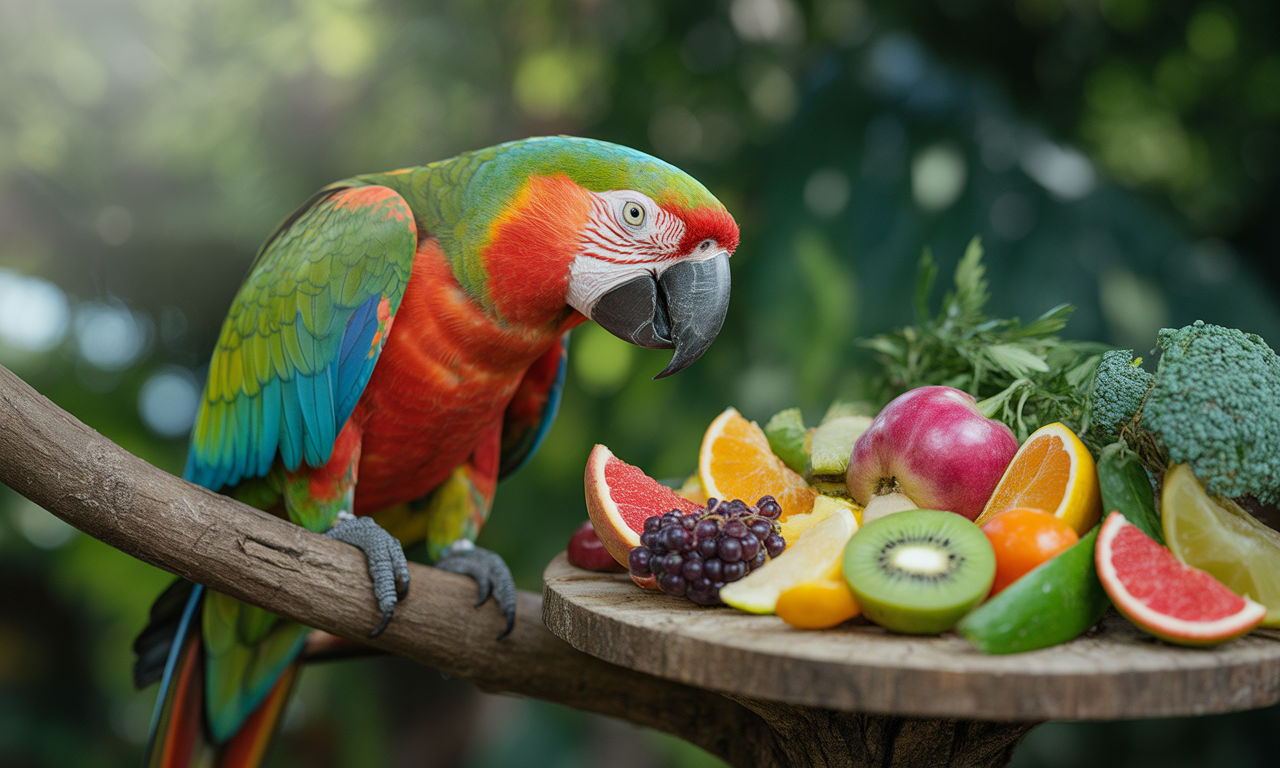
A balanced avian diet mirrors nature’s diversity — seeds, sprouts, fruits, vegetables, grains, and occasional protein. I learned that even the smallest adjustments, like adding chopped spinach or grated carrot, could uplift my bird’s spirit. The sight of bright colors in its bowl sparked curiosity; the crunch of fresh greens turned feeding into a moment of playful exploration. The bird parent journey became an exploration of flavor, texture, and trust.
Feeding time soon evolved into bonding time. I stopped placing food silently and began talking softly while serving. My bird responded with soft chirps, sometimes bobbing its head or fluttering wings in delight. These gestures weren’t just reactions — they were gratitude. They reminded me that the bird parent journey is about nurturing both body and heart.
Hydration, too, played an underrated role. Clean, fresh water — changed twice daily — became a ritual. Birds are incredibly sensitive to water quality. Once I started offering filtered or dechlorinated water, I noticed subtle improvements: brighter eyes, smoother feathers, and calmer behavior. Simple actions, consistent care — that’s how every great bird parent journey thrives.
But nutrition extends beyond physical health; it influences emotions. Birds, like humans, eat differently when anxious or lonely. There were days when my companion ignored its food after a loud thunderstorm or when the room felt unusually cold. Those were my cues to comfort — to speak gently, play soft music, or simply sit nearby. Emotional nourishment is as vital as the meal itself in the bird parent journey.
Treats became teaching tools. A small piece of apple or millet stick wasn’t just a snack — it was positive reinforcement. I used them to encourage social interaction, calm fear, or celebrate progress. Over time, these moments transformed feeding from obligation into connection.
One morning, as sunlight streamed through the window, I watched my bird nibble happily while chirping along to my humming. That tiny scene captured everything this journey had taught me — that love, when offered in simple, consistent acts, creates miracles. Feeding became more than sustenance; it became a conversation between souls.
The bird parent journey taught me to view food as energy, emotion, and expression. It’s how we say, “I care,” in a language of color, taste, and time. Balanced nutrition, emotional awareness, and mindful feeding not only sustain life but strengthen the invisible bond between you and your bird — one that grows richer with every shared meal.
🏡 Creating a Safe and Stimulating Environment
A home filled with love means little if it isn’t also filled with safety. In every bird parent journey, building a secure and stimulating environment is one of the most profound responsibilities. It’s not just about the cage or the toys; it’s about shaping a space that feels alive — one where your bird can explore, rest, and trust that it belongs.
When I first began arranging my bird’s living area, I realized that what felt “decorative” to me often felt intimidating to my feathered friend. Bright colors, mirrors, or large moving objects could cause anxiety. That’s when I learned that simplicity is serenity. Birds thrive in spaces that are calm, well-lit, and predictable. This realization became a turning point in my bird parent journey — teaching me that comfort begins with understanding perspective.
The cage, for instance, isn’t just a home; it’s a sanctuary. It should be placed in a part of your house where there’s social interaction but not chaos — near people, but away from constant noise. My bird’s cage found its perfect spot beside a sunlit window, where it could feel part of the world yet safe from its unpredictability. Natural light became our daily rhythm. Morning sunshine signaled energy and activity, while evening shadows whispered rest.
I soon realized that boredom could be as harmful as neglect. Birds are intelligent beings, wired for curiosity and play. So I began rotating toys every few days — bells, ropes, mirrors, swings, and foraging puzzles — each serving as a mental gym. Watching my bird tug at a string or mimic a sound reminded me how essential stimulation is to happiness. The bird parent journey isn’t just about feeding or cleaning; it’s about enriching the mind and spirit.
Safety, however, always comes first. I learned to bird-proof every corner: covering fans, removing toxic plants, and avoiding aerosols or strong perfumes. Even candles and non-stick cookware can release fumes that harm delicate lungs. Each small precaution made me more conscious of how fragile yet vibrant these creatures are. Protecting them became second nature — a silent vow that every bird parent journey eventually teaches.
Interaction outside the cage turned into adventure time. I set up a play perch where my bird could stretch its wings freely under supervision. Those sessions became our happiest hours — moments of laughter, flight, and freedom. Yet, I also noticed that too much stimulation without rest could make my bird restless or irritable. Like children, birds need structured time for both play and quiet. Balancing these became one of the most fulfilling lessons of my bird parent journey.
Music became another tool for emotional comfort. Soft flute tones or nature sounds filled the air during quiet afternoons. Sometimes, I’d whistle back to my bird, and it would respond with cheerful chirps — a conversation beyond words. That simple exchange of sound created invisible threads of joy that wove through our home.
Over time, our shared space evolved into something sacred — not just a corner of the house, but a little sanctuary of trust, color, and calm. When I saw my bird preening peacefully by the window, I knew that every adjustment, every mindful act of care, had created an environment where it felt safe enough to simply be.
The bird parent journey teaches us that safety and stimulation are not opposites; they’re partners in harmony. A peaceful home doesn’t mean a silent one — it means an environment where life can flourish freely without fear. When your bird feels secure, it sings. When it feels loved, it dances. And in those moments, you realize that creating a safe haven for your bird is, in truth, creating a more mindful world for yourself.
⏰ The Healing Power of Routine and Communication
Every relationship thrives on rhythm. In the gentle harmony of the bird parent journey, that rhythm is built through routine and communication — the silent heartbeat that keeps trust alive. Birds find comfort in knowing what comes next; their world revolves around predictable patterns, familiar sounds, and consistent affection.
When I began establishing a routine, I noticed how quickly my bird responded to structure. Feeding, playtime, rest, and bonding all began to fall into a natural flow. I’d uncover the cage at sunrise to soft morning light and greet my little companion with a familiar “Good morning.” Over time, that simple greeting became more than words — it became recognition. My bird’s eyes brightened, feathers fluffed, and a soft chirp followed. This was one of the earliest signs that our bird parent journey was truly transforming from care into connection.
Routine doesn’t mean rigidity; it’s about creating patterns that feel safe. Birds, by nature, rely on repetition in the wild — sunrise calls, midday flights, sunset songs. Bringing that rhythm into your home bridges instinct with comfort. I found that feeding my bird at the same hours daily not only improved digestion but also built trust. Predictability, in the bird parent journey, becomes the language of love.
Communication goes beyond sound — it’s energy. Birds read tone, movement, and emotion. I learned that a calm voice worked better than commands, and gentle gestures spoke louder than hands. My bird began recognizing specific cues: a whistle for playtime, a slow blink for peace, and a soft hum when it was time to rest. The bird parent journey revealed how every interaction, no matter how small, shapes emotional safety.
There were moments when silence became the greatest conversation. I’d sit quietly nearby, reading or meditating, and my bird would hop closer on its own. That trust — born from presence, not pressure — is the soul of the bird parent journey. Communication, I realized, is not just about what we say but about how we make them feel.
Establishing a bedtime routine was equally healing. As dusk arrived, I’d dim the lights, cover the cage partially, and play soft nature sounds. Within minutes, my bird would tuck its head beneath its wing — a gesture of pure peace. These gentle habits helped regulate not just its sleep cycle, but also my own emotional state. Caring for a bird has a way of grounding you — it turns you into a student of patience, observation, and tenderness.
The magic of communication in the bird parent journey lies in reciprocity. When your bird begins mimicking your voice, responding to your whistle, or echoing your laughter, it’s not just imitation — it’s acknowledgment. That moment of shared expression blurs the line between species. You stop being a caretaker and become a companion.
And on days when I felt low or anxious, my bird somehow knew. It chirped softly, moved closer, or simply stared with those bright, knowing eyes. It was as if it was reminding me of the same lessons I had given it — to breathe, to stay calm, to trust the moment. That’s when I understood the deeper beauty of the bird parent journey — it’s a healing exchange, not a one-way act of care.
Routine and communication aren’t chores; they’re rituals of harmony. They create balance, stability, and peace for both bird and human. Each morning song, each shared glance, each bedtime lullaby becomes part of a rhythm that sustains the bond. And with time, this rhythm turns into something profound — a melody of love that makes every single day feel purposeful and alive.
💔 Handling Challenges and Emotional Setbacks
No journey is without its storms. In the tapestry of the bird parent journey, there are moments that test patience and compassion — days when your bird falls silent, refuses food, or shies away from your touch. These are the quiet trials that remind you love isn’t always effortless; it’s an act of steady care even when understanding feels out of reach.
My first real challenge came when my bird stopped singing. The cheerful chirps that once filled my mornings faded into long stretches of stillness. Panic set in. I checked the food, the water, the temperature — everything seemed fine, yet something was off. That was when I learned one of the most important lessons of the bird parent journey: emotional well-being is as fragile as feathers.
Birds, like humans, feel stress from sudden changes — a moved cage, new surroundings, or even an unfamiliar visitor. They may pluck feathers, over-preen, or retreat in silence. I discovered that solving these issues required empathy, not urgency. I sat beside the cage, speaking softly, offering favorite treats, and simply being present. Gradually, my bird’s confidence returned. Its first chirp after days of quiet brought tears to my eyes — it was trust reborn.
Health scares can be even harder. There were moments of worry over molting, sneezing, or slight weight loss. During such times, I learned the value of professional guidance. Consulting an avian vet isn’t just medical care; it’s emotional assurance that you’re not alone in your bird parent journey. Keeping regular health checks became part of my routine, allowing me to prevent small issues before they grew.
But not every challenge is external. Sometimes, the hardest part of the bird parent journey is managing your own feelings. Guilt creeps in when you make mistakes, when you forget to change water on time, or when your bird seems less playful. It’s easy to feel like you’re failing. Yet, those moments are precisely when compassion — for yourself and your companion — matters most. Progress in this journey isn’t measured by perfection but by consistency and care.
I learned to celebrate small victories: a new sound, a successful molt, a moment of affection. Each step forward outweighed the occasional setback. Patience became my anchor, reminding me that birds sense emotions more deeply than we imagine. When I approached every challenge with calm energy instead of panic, my bird responded with trust instead of fear.
Sometimes, letting go is part of the lesson too. Birds, despite our love, are creatures of freedom. Illness, aging, or loss can become part of a story we wish we could rewrite. Saying goodbye — whether temporary or final — is the hardest chapter of the bird parent journey. Yet even in grief, there’s gratitude. The moments shared, the songs sung, and the silent companionship leave traces that never fade.
Resilience is born from these experiences. Every healed wound, every regained chirp, and every lesson learned shapes you into a more aware, compassionate being. The bird parent journey teaches that love isn’t control — it’s understanding, patience, and unwavering presence. You learn to adapt, forgive, and start again, stronger and wiser.
Challenges don’t weaken the bond; they deepen it. When your bird looks at you after a tough week and still hops onto your hand, it’s telling you that trust endures. And when you find peace in that moment, you realize that every setback was simply another way the universe taught you how to love better.
🌈 Celebrating Growth and Lifelong Companionship
Time transforms everything — even feathers and hearts. What begins as a hesitant flutter eventually becomes harmony. The deeper I went into my bird parent journey, the more I realized that companionship with a bird is not about ownership; it’s about shared evolution.
The once-timid creature that clung to the edge of its perch now flies with confidence across the room, landing gently on my shoulder. Every flap, every chirp, every affectionate preen is a memory in motion. Growth is slow but profound, and watching it unfold fills you with quiet pride. It’s as if the universe rewards patience with trust.
There’s something deeply spiritual about realizing that your daily care — the feeding, the cleaning, the conversations — has shaped a being’s world. The bird parent journey turns ordinary actions into sacred gestures. When your bird chooses to perch near you, to eat from your hand, or to mimic your voice, it’s saying, “You are my flock.”
These milestones deserve celebration. The first time your bird learns a new sound, plays with a new toy, or gently nuzzles you — capture those moments. They remind you that love doesn’t need grandeur; it blooms in consistency. Over time, your relationship evolves from mere routine to ritual, from interaction to communion.
The bird parent journey also changes you. You become calmer, more observant, more aware of silence and its meanings. You start appreciating subtle things — the rhythm of wings, the scent of morning sunlight, the beauty of tiny rituals. You begin to live slower, speak softer, and feel deeper.
This companionship teaches resilience too. Birds have short tempers but forgiving hearts. They forget mistakes faster than we do, reminding us to stay present and not cling to yesterday’s errors. Their unconditional trust becomes a mirror reflecting your best self.
And as the years pass, the bond deepens beyond words. You learn to interpret the faintest chirps, to sense moods, to respond with empathy rather than instruction. Each day becomes a shared experience — a small conversation of care. That’s when the bird parent journey feels complete, not because it ends, but because it has turned into an everlasting rhythm of coexistence.
🕊️ Lessons from the Bird Parent Journey
Looking back, the greatest gift this journey offers isn’t companionship alone — it’s transformation. Caring for a bird reshapes your understanding of patience, responsibility, and empathy. It teaches that silence can communicate love, and that trust, once earned, is life’s purest joy.
Here are some lessons that became my compass through every phase of the bird parent journey:
- Presence is more powerful than perfection. Your bird doesn’t seek flawless care — it seeks consistent warmth.
- Routines build trust. Predictability gives birds peace; surprises often cause stress.
- Gentle energy heals. Speak softly, move calmly, and your bird will mirror that peace.
- Observation equals understanding. Every gesture reveals a story — listen with your eyes.
- Love grows through patience. Bonding can’t be rushed; it unfolds at nature’s pace.
- Freedom matters. Birds thrive when they can stretch, explore, and express themselves safely.
- Emotional care counts as much as physical care. A secure heart breeds a healthy body.
The bird parent journey is both a science and an art. It’s where nurturing meets intuition — where logic blends with love. Every day spent learning your bird’s language is a day spent rediscovering your own humanity.
🌤️ Gratitude and Reflection
As my feathered friend sings beside me while I write this, I realize that the bird parent journey is not something you complete — it’s something you continue, every single day. There’s no graduation, no final chapter. Only more love to give, more lessons to learn, and more quiet moments to share.
Birds live in the present — they remind us to do the same. Their songs aren’t rehearsed; they’re spontaneous expressions of life. Watching them teaches you gratitude: for mornings, for laughter, for companionship. They become tiny gurus in feathers, showing us that happiness is not found in control but in coexistence.
In the end, being a bird parent is not about caging flight but about creating safe skies. It’s about transforming care into connection and letting that connection elevate both souls. The bird parent journey is a reflection of the truest kind of love — one that expects nothing but gives everything.
So, to every aspiring bird parent reading this: open your heart, listen more, and observe deeply. You are not just raising a bird; you are nurturing a bond that transcends words. And that, perhaps, is one of life’s most beautiful miracles.
❓ Frequently Asked Questions (FAQ)
Q1. What does the term “bird parent journey” really mean?
The bird parent journey refers to the emotional, practical, and spiritual process of caring for a pet bird — from learning its behavior and nutrition to building unspoken trust. It’s a continuous experience of growth and understanding that transforms both the bird and the caregiver.
Q2. How can I start my own bird parent journey as a beginner?
Begin by researching your bird’s species, natural diet, and behavior. Create a calm, safe environment with steady light, gentle sounds, and predictable routines. Remember, the bird parent journey starts with observation — learning before acting, and patience before touch.
Q3. How do I know if my bird trusts me?
Trust shows through relaxed body language: soft chirping, preening in your presence, or resting near you without fear. When your bird closes its eyes beside you, it’s showing vulnerability — a key milestone in every bird parent journey.
Q4. What are common challenges bird parents face?
New bird parents often struggle with diet imbalances, socialization, and environmental stress. Feather plucking or mood swings can occur when birds feel neglected or overstimulated. Handling such challenges calmly and consistently is part of the natural bird parent journey.
Q5. Can I train my bird to talk or mimic sounds?
Yes — many birds mimic sounds naturally through consistent repetition. Speak softly, repeat short phrases, and reward attempts with praise or treats. Communication training strengthens emotional bonds within your bird parent journey while keeping your bird mentally active.
Q6. How can I help my bird during molting season?
During molting, offer baths, fresh vegetables, and protein-rich foods to support feather growth. Avoid over-handling, as skin becomes sensitive. A calm environment ensures comfort — another act of care that defines the bird parent journey.
Q7. Is it normal for birds to get attached to one person?
Absolutely. Birds are social creatures and often form strong bonds with their main caregiver. If this happens, gradually introduce them to other family members to build social balance. This approach nurtures emotional stability within the bird parent journey.
Q8. How can I make my home safe for my bird?
Avoid aerosols, scented candles, ceiling fans, and open windows. Keep toxic plants and electrical cords out of reach. Every small precaution protects your companion and builds a trustworthy foundation in your bird parent journey.
Q9. What is the right age to bring home a bird?
The ideal time is after weaning, when the bird can eat independently and begin bonding naturally. A young, healthy bird adapts faster, allowing you to establish the rhythm of your bird parent journey from the very beginning.
Q10. What’s the most important quality a bird parent should have?
Patience. The bird parent journey is not about speed but understanding. Love takes time to earn, and once it’s earned, it lasts forever.
🌺 Conclusion — Where Wings and Hearts Meet
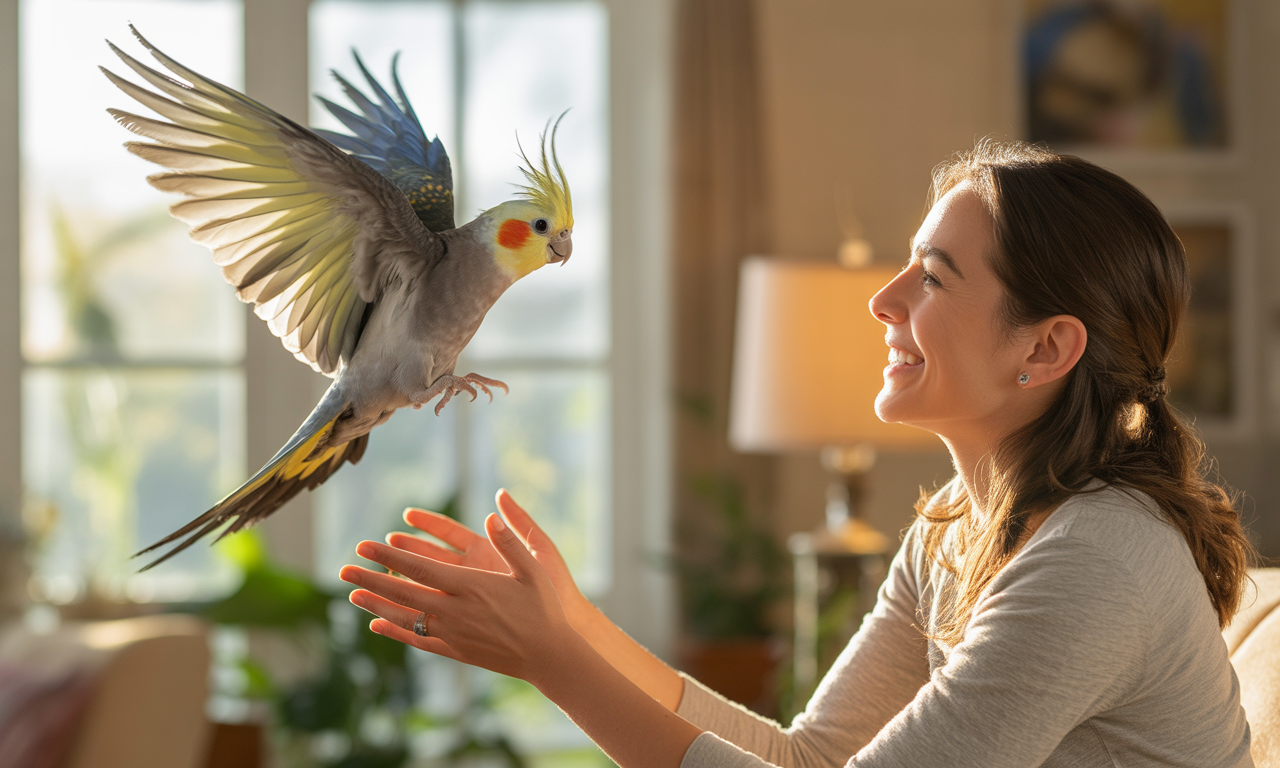
The bird parent journey is not a hobby or a fleeting interest — it’s a soulful commitment. It begins with curiosity but blossoms into a lifelong connection built on care, respect, and empathy. Through it, you learn that love isn’t spoken; it’s felt in fluttering wings, in shared silences, in tiny gestures of trust.
Every day spent with a bird becomes a mirror for your own growth. You learn patience through their fears, gratitude through their songs, and resilience through their healing. The bird parent journey doesn’t just teach you how to care for another life — it teaches you how to live with more awareness, more softness, and more heart.
There will be mornings filled with laughter and evenings of quiet reflection. Some days will test your resolve, while others will reward you with affection so pure it feels divine. And when you look back years later — at the chirps, the messes, the milestones — you’ll realize that this journey changed you more than you ever imagined.
To be a bird parent is to walk the path of gentle guardianship — to protect without possession, to guide without control, and to love without conditions. The bird parent journey is not just about keeping a bird; it’s about keeping a promise — to nurture life in its most delicate, beautiful form.
So, when your bird sings tomorrow morning, pause for a moment. Listen deeply. In that melody lives your story — a song of patience, freedom, and everlasting companionship.
📘 Glossary
Bird Parent Journey:
The emotional and practical process of learning, bonding, and growing alongside a pet bird through care, trust, and companionship.
Preening:
A natural grooming behavior in birds involving the cleaning and alignment of feathers using the beak to maintain health and waterproofing.
Molting:
The cyclical process of shedding old feathers and growing new ones, crucial for feather health and insulation.
Foraging:
The instinctive act of searching for food through exploration and play, essential for mental stimulation and exercise.
Enrichment:
The inclusion of activities, toys, and sensory experiences that stimulate a bird’s mind and prevent boredom.
Avian Vet:
A veterinarian specializing in the health, treatment, and wellness of birds.
Socialization:
The process through which birds become accustomed to human interaction, environmental changes, and gentle handling.
Bonding Behavior:
Actions like soft chirping, preening, or perching near the owner that indicate trust and affection.
Sanctuary Space:
A calm, clean, and draft-free area where a bird feels secure enough to rest, bathe, or play comfortably.
💡Looking for something different? Check out our latest post here: https://birdsheavencare.com/bird-bathing-frequency-tips/