Learn why an annual parrot checkup is vital and follow a complete checklist to prevent disease, improve wellness, and extend your parrot’s life.
- Introduction
- Why Annual Checkups Are Critical for Parrot Longevity
- How Often Should Parrots See a Vet?
- Preparing for an Annual Parrot Checkup
- Step #1 – Full Physical Examination
- Step #2 – Weight & Body Condition Tracking
- Step #3 – Blood Work & Lab Tests
- Step #4 – Fecal & Parasite Screening
- Step #5 – Nutritional & Diet Evaluation
- Step #6 – Beak, Nail & Feather Health Assessment
- Step #7 – Behavior & Environmental Review
- Printable Annual Parrot Checkup Checklist
- Common Mistakes Bird Owners Make With Annual Checkups
- Frequently Asked Questions (FAQ)
- Conclusion: Prevention Is the Greatest Gift You Can Give Your Parrot
Introduction
An annual parrot checkup is one of the most important yet commonly overlooked responsibilities of bird ownership. Parrots are experts at hiding pain and illness, often appearing perfectly healthy until a condition has already progressed to a serious stage. By the time visible symptoms appear, treatment can be more stressful, expensive, and far less effective.
Unlike dogs or cats, parrots do not show early warning signs easily. Weight loss, organ stress, nutritional deficiencies, and infections can develop silently over months or even years. This is exactly why preventive care plays such a critical role in a parrot’s long-term health and lifespan. A routine annual checkup allows avian veterinarians to detect subtle changes early—before they become life-threatening emergencies.
Many bird owners assume vet visits are only necessary when something seems “wrong.” In reality, an annual parrot checkup is designed to confirm that everything is right. It establishes health baselines, monitors trends, and ensures your bird’s diet, environment, and behavior are supporting longevity—not silently working against it.
By the end of this guide, you’ll have a complete, vet-informed annual parrot checkup checklist that helps protect your bird’s health, prevent hidden disease, and add meaningful years to their life.
Why Annual Checkups Are Critical for Parrot Longevity
The Problem: Parrots Hide Illness Until It’s Advanced
Parrots are prey animals by nature. To survive in the wild, they instinctively hide weakness, pain, and illness. This instinct remains strong even in captive, well-loved pets. As a result, many serious health issues—such as liver disease, infections, nutritional deficiencies, or organ stress—develop quietly without obvious outward signs.
By the time symptoms appear, treatment is often more complex and recovery more difficult. This is why skipping an annual parrot checkup can allow silent problems to progress unnoticed.
The Explanation: Early Detection Saves Lives
An annual veterinary visit is designed to catch subtle changes that owners cannot easily see. Small shifts in weight, blood values, feather condition, or behavior can signal early disease. During an annual parrot checkup, avian veterinarians compare current findings with past records to detect trends long before emergencies occur.
Preventive screening turns guesswork into informed care. It allows problems to be addressed early, when intervention is simpler, less stressful, and more effective.
The Solution: Preventive Care as a Longevity Strategy
Routine checkups are not just about finding illness—they are about preserving health. An annual parrot checkup establishes baseline data, supports nutritional balance, monitors aging changes, and ensures the bird’s environment is not creating hidden stress.
Parrots that receive consistent preventive care often live longer, healthier lives with fewer medical crises.
Pro Tip: One Visit Can Add Years
Many chronic parrot diseases are manageable when detected early. A single annual checkup can identify issues that, when corrected promptly, may add years to your parrot’s life and dramatically improve quality of living.
How Often Should Parrots See a Vet?
The Problem: Many Owners Wait Too Long
A common misconception among bird owners is that parrots only need veterinary care when they appear sick. Unfortunately, because parrots hide illness so well, waiting for visible symptoms often means waiting too long. This delay can turn a manageable condition into a serious or life-threatening problem.
Relying only on emergency visits instead of an annual parrot checkup puts long-term health and lifespan at risk.
The Explanation: Annual Exams vs Emergency Visits
An annual parrot checkup is a preventive wellness exam, not a response to illness. Its purpose is to monitor overall health, detect early changes, and establish medical baselines. Emergency visits, on the other hand, occur after symptoms appear—often when disease has already progressed.
Preventive visits are less stressful, more informative, and far more effective than reactive care.
How Vet Visit Frequency Changes With Age
Young Parrots (Under 5 Years)
- One annual parrot checkup is usually sufficient
- Focus on growth, diet, and early habit formation
- Early exams establish lifelong health baselines
Adult Parrots (5–15 Years)
- Continue yearly checkups
- Monitor weight trends, nutrition, and behavior
- Screen for early signs of chronic disease
Senior Parrots (15+ Years)
- One to two checkups per year may be recommended
- Closer monitoring of organs, mobility, and immune health
- Adjustments to diet and environment often needed
The Solution: Consistency Over Crisis Care
Scheduling regular checkups creates a predictable health routine and builds a relationship with an avian veterinarian who knows your bird’s history. This continuity makes the annual parrot checkup far more valuable than isolated emergency visits.
Pro Tip: Indoor Birds Still Need Checkups
Even parrots that never go outside are exposed to risks such as nutritional imbalances, household toxins, stress, and age-related disease. An indoor lifestyle does not replace the need for routine veterinary care.
Preparing for an Annual Parrot Checkup
The Problem: Stress and Poor Preparation Can Affect Results
Vet visits can be stressful for parrots, especially if preparation is rushed or overlooked. Stress may temporarily alter weight, behavior, or breathing patterns, which can affect exam findings. Many owners also forget important details that could help the veterinarian assess overall health.
Proper preparation ensures that the annual parrot checkup is accurate, efficient, and as stress-free as possible.
The Explanation: Why Preparation Matters
An avian vet relies on both physical findings and owner-provided information. Small details—such as changes in appetite, droppings, or activity—often provide critical clues about early health issues. Preparing in advance allows the veterinarian to build a complete picture of your bird’s wellness rather than relying on a brief snapshot.
A calm, well-prepared visit improves the quality of the annual parrot checkup and reduces anxiety for both bird and owner.
The Solution: How to Prepare Step by Step
1. Choose the Right Carrier
- Use a secure, well-ventilated carrier
- Line the bottom with a clean towel or paper
- Avoid perches that could cause injury during transport
2. Minimize Travel Stress
- Keep the carrier covered on three sides
- Avoid loud noises and sudden temperature changes
- Schedule appointments during quieter hours if possible
3. Bring Key Information
- Diet details (pellets, seeds, fresh foods, supplements)
- Recent weight records, if available
- Notes on behavior changes, molting, or droppings
- Previous medical records
4. Avoid Last-Minute Changes
- Do not change diet or routine right before the visit
- Avoid stressful grooming or cage rearrangements the day before
The Result: A More Accurate and Helpful Exam
When your bird arrives calm and you arrive informed, the annual parrot checkup becomes far more valuable. The vet can focus on prevention rather than guesswork, and your bird experiences less stress overall.
Pro Tip: Observe for a Week Before the Visit
In the days leading up to the appointment, watch your bird closely. Small changes in eating, vocalization, posture, or droppings are worth noting and discussing during the exam.
Step #1 – Full Physical Examination
The Problem: Early Physical Changes Are Easy to Miss
Many health problems in parrots begin with subtle physical changes that owners may not notice during daily interaction. Slight weight loss, feather damage, or minor swelling can go unnoticed for months, allowing underlying conditions to worsen.
Without a thorough exam, these warning signs may be missed during an annual parrot checkup.
The Explanation: What a Full Physical Exam Covers
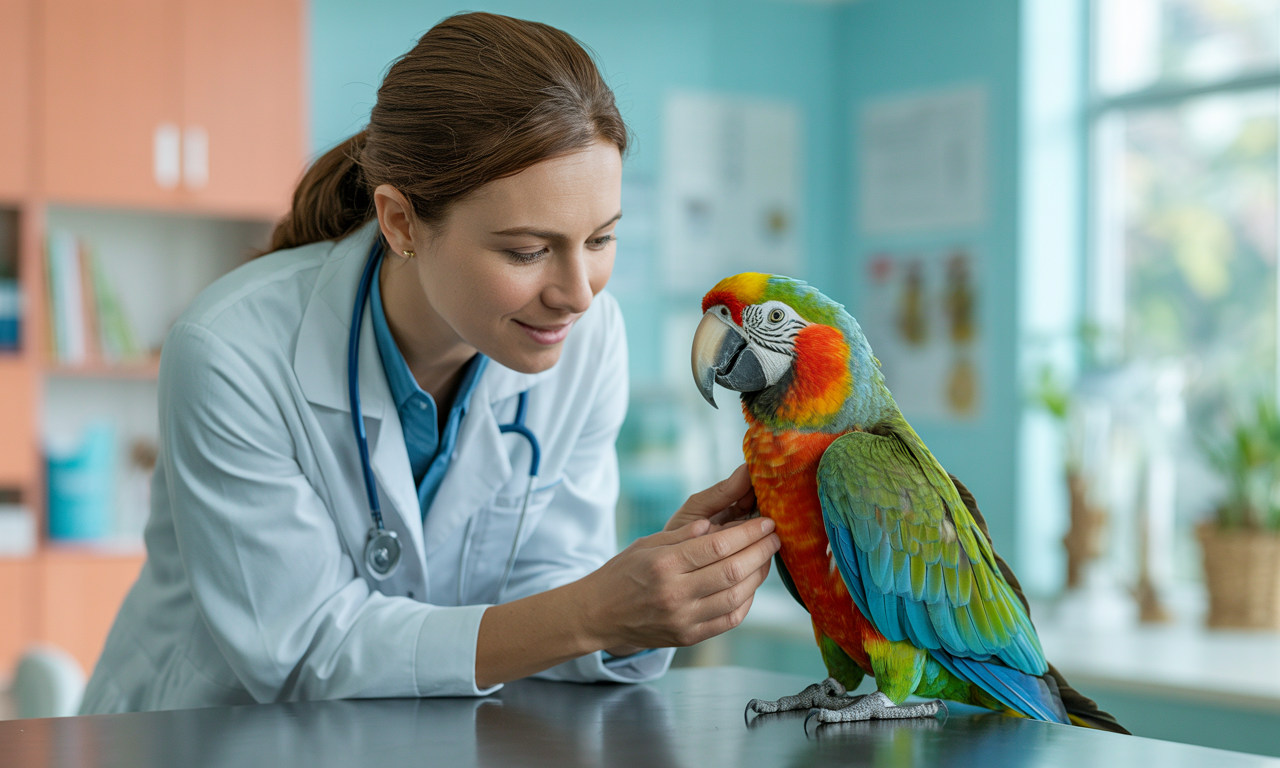
During a full physical examination, an avian veterinarian carefully assesses your parrot from head to tail. This is not a quick visual check—it is a hands-on evaluation designed to identify early abnormalities.
The vet will typically examine:
- Body condition and muscle tone
- Feathers and skin for damage or parasites
- Beak alignment and texture
- Eyes, nostrils, and ears for discharge or swelling
- Wings, legs, and joints for mobility and pain
- Vent area for cleanliness and signs of infection
Each of these checks provides clues about nutrition, infection, organ function, and overall health.
What the Vet Is Looking For
During this step of the annual parrot checkup, the veterinarian looks for:
- Weight loss or gain patterns
- Signs of dehydration or malnutrition
- Early infections or inflammation
- Structural problems affecting movement or balance
Identifying these issues early allows for timely treatment or lifestyle adjustments.
Why This Step Matters
The full physical exam establishes a baseline for your parrot’s health. Comparing findings year after year helps detect gradual changes that could signal disease long before symptoms appear. This makes the annual parrot checkup a powerful tool for prevention rather than crisis response.
Pro Tip: Ask for a Body Condition Score
Request that your vet explain your parrot’s body condition score. Understanding this helps you monitor weight and muscle health at home between checkups.
Step #2 – Weight & Body Condition Tracking
The Problem: Weight Changes Happen Before Symptoms
One of the earliest signs of illness in parrots is weight change—not behavior. Parrots can lose or gain weight gradually while appearing normal, active, and vocal. Because feathers hide body shape, owners often miss these changes until health is already compromised.
Without consistent tracking, this critical warning sign may be overlooked during an annual parrot checkup.
The Explanation: Why Weight Is a Vital Health Indicator
Weight reflects far more than size. Sudden or gradual changes can signal nutritional imbalance, organ disease, infection, hormonal shifts, or chronic stress. Even small fluctuations may be meaningful in birds, especially smaller species.
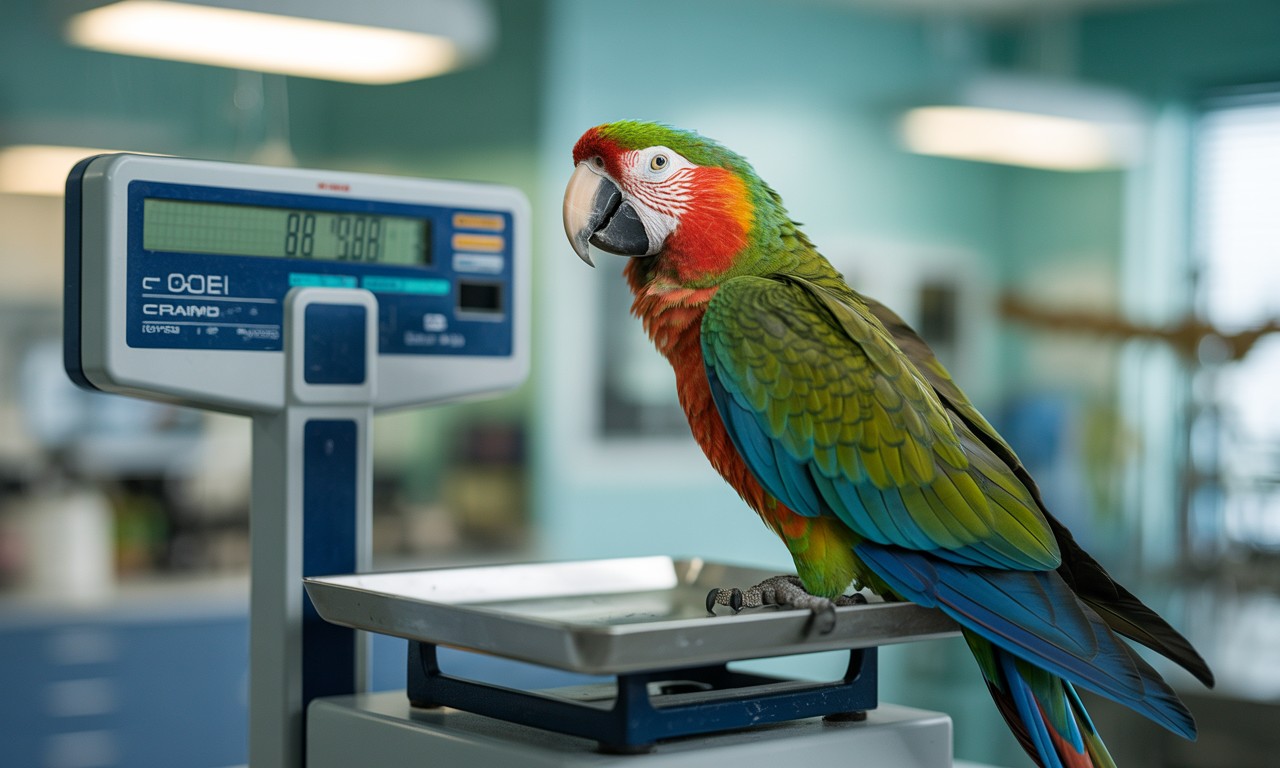
During an annual parrot checkup, the veterinarian compares your parrot’s current weight with previous records to identify trends—not just one-time numbers.
What the Vet Evaluates
At this stage of the annual parrot checkup, the vet will:
- Weigh your parrot using a precision gram scale
- Assess muscle mass along the keel bone
- Identify signs of obesity or muscle wasting
- Compare results to past visits, if available
This combined evaluation gives a clearer picture than weight alone.
Why This Step Matters
Consistent weight and body condition tracking allows early intervention before illness becomes visible. Adjustments to diet, activity, or environment can often correct problems when caught early—preventing more serious disease later.
This makes weight tracking one of the most powerful tools in preventive care.
Pro Tip: Weigh at Home Monthly
Ask your vet to recommend a safe home scale and target weight range. Monthly home weigh-ins between checkups help you catch changes early and make your next annual parrot checkup even more effective.
Step #3 – Blood Work & Lab Tests
The Problem: Many Diseases Are Invisible From the Outside
Parrots can appear perfectly healthy even when internal organs are under stress. Liver disease, kidney problems, infections, and nutritional imbalances often develop silently, without obvious physical symptoms. By the time outward signs appear, damage may already be advanced.
Without lab testing, these hidden issues can be missed during an annual parrot checkup.
The Explanation: What Blood Tests Reveal
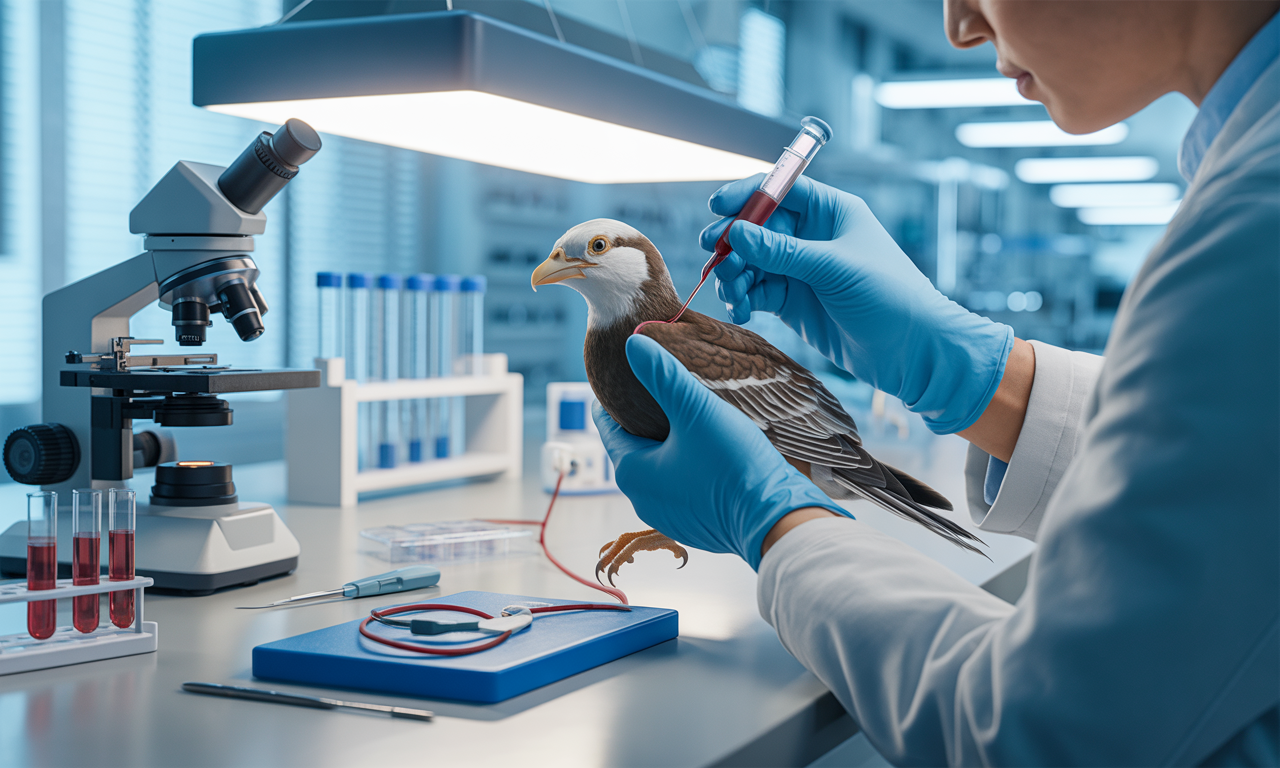
Blood work provides a detailed look at your parrot’s internal health. Common tests include a complete blood count (CBC) and blood chemistry panels. These tests help evaluate organ function, immune response, hydration status, and overall metabolic health.
During an annual parrot checkup, blood tests are used to establish baseline values. Comparing results year after year allows veterinarians to detect subtle trends long before disease becomes severe.
What the Vet Is Checking
As part of this step in the annual parrot checkup, the veterinarian may assess:
- Liver and kidney function
- Signs of infection or inflammation
- Red and white blood cell levels
- Electrolyte balance
- Nutritional deficiencies
These results guide early interventions such as diet changes, supplements, or further diagnostic testing.
Why This Step Matters
Early detection through blood work often prevents emergency situations later. Conditions identified at an early stage are usually easier to manage, less stressful for the bird, and more cost-effective for the owner. Blood tests transform the annual parrot checkup from a surface-level exam into a truly preventive health strategy.
Pro Tip: Baselines Are Powerful
Even if all results are normal, baseline blood values are invaluable. They provide a reference point that makes future changes easier to recognize and address quickly.
Step #4 – Fecal & Parasite Screening
The Problem: Digestive Issues Often Go Unnoticed
Many digestive problems in parrots develop quietly. Changes in gut bacteria, internal parasites, or infections may not immediately affect appetite or behavior. Droppings can look “normal” to owners even when something is wrong internally.
Without fecal testing, these issues can easily be missed during an annual parrot checkup.
The Explanation: Why Fecal Exams Are Essential
A fecal examination allows the veterinarian to assess digestive health at a microscopic level. It helps identify parasites, harmful bacteria, yeast overgrowth, and imbalances in gut flora. These problems, if left untreated, can interfere with nutrient absorption and weaken immunity over time.
During an annual parrot checkup, fecal screening is a simple but powerful way to catch early digestive issues before they become chronic.
What the Vet Is Looking For
As part of this step in the annual parrot checkup, the veterinarian may check for:
- Internal parasites (worms, protozoa)
- Abnormal bacterial populations
- Yeast overgrowth
- Signs of inflammation or infection
Early detection allows for targeted treatment rather than guesswork.
Why This Step Matters
Healthy digestion supports energy levels, feather quality, immune strength, and overall wellness. Treating digestive issues early often prevents weight loss, chronic diarrhea, and secondary infections later in life. Fecal screening strengthens the preventive value of the annual parrot checkup.
Pro Tip: Bring a Fresh Sample
If asked, bring a fresh fecal sample to the appointment. Collect it from clean paper the same morning to ensure accurate results and reduce the need for repeat testing.
Step #5 – Nutritional & Diet Evaluation
The Problem: Poor Nutrition Causes Silent Damage
Diet-related problems are one of the most common causes of long-term illness in parrots. Many birds appear healthy while slowly developing vitamin deficiencies, obesity, liver disease, or weakened immunity due to improper nutrition. Seed-heavy diets, inconsistent fresh food intake, or unbalanced supplements often contribute to these issues.
Without proper review, these problems may go undetected during an annual parrot checkup.
The Explanation: Why Diet Review Is a Core Preventive Tool
Nutrition affects every system in a parrot’s body—from feathers and beak health to organ function and immune strength. During an annual parrot checkup, the veterinarian evaluates what your parrot eats daily, not just what is offered occasionally. Even small dietary imbalances, when repeated over time, can lead to chronic disease.
A professional diet evaluation helps identify gaps, excesses, and harmful habits that owners may not realize are problematic.
What the Vet Evaluates
As part of this step in the annual parrot checkup, the veterinarian may assess:
- Ratio of pellets, seeds, fresh foods, and treats
- Vitamin and mineral balance
- Calcium and vitamin A intake
- Use of supplements or fortified foods
- Signs of diet-related disease
Based on findings, the vet may recommend adjustments to improve balance and support longevity.
Why This Step Matters
Correcting nutrition early can prevent serious conditions such as fatty liver disease, brittle bones, immune suppression, and feather disorders. Dietary changes made after early detection are far more effective than treatment after disease develops. This makes nutrition review one of the most impactful parts of the annual parrot checkup.
Pro Tip: Bring a Diet List
Write down everything your parrot eats in a typical week—including treats and supplements. This helps your vet provide precise, personalized dietary recommendations.
Step #6 – Beak, Nail & Feather Health Assessment
The Problem: External Changes Often Signal Internal Issues
Changes in a parrot’s beak, nails, or feathers are often mistaken for normal aging or molting. In reality, abnormal growth, discoloration, breakage, or feather damage can signal deeper health problems such as nutritional deficiencies, liver disease, hormonal imbalance, or chronic stress.
Without close examination, these warning signs may be overlooked during an annual parrot checkup.
The Explanation: Why External Health Reflects Internal Wellness
A parrot’s beak, nails, and feathers are directly influenced by diet, metabolism, and organ function. Healthy growth and appearance usually indicate balanced nutrition and stable health, while abnormalities often point to underlying issues. During an annual parrot checkup, the veterinarian examines these features carefully to assess overall wellness.
Because parrots groom themselves constantly, subtle changes are often easier for trained professionals to detect than for owners at home.
What the Vet Evaluates
As part of this step in the annual parrot checkup, the veterinarian checks:
- Beak shape, texture, and rate of growth
- Nail length and curvature
- Feather condition, symmetry, and molt patterns
- Signs of feather plucking or stress damage
- Skin health beneath feathers
These observations help identify both physical and behavioral health concerns.
Why This Step Matters
Problems affecting beak, nails, or feathers rarely occur in isolation. Early detection allows for dietary corrections, environmental improvements, or medical treatment before more serious complications arise. Monitoring these areas adds another protective layer to the annual parrot checkup.
Pro Tip: Avoid Cosmetic Trimming at Home
Do not trim beaks or nails unless instructed by an avian vet. Improper trimming can cause pain, bleeding, or long-term damage that may mask underlying health problems.
Step #7 – Behavior & Environmental Review
The Problem: Stress and Environment Are Often Overlooked
Many health problems in parrots are not caused by disease alone, but by chronic stress, poor enrichment, or unsafe surroundings. Changes in behavior—such as increased screaming, feather plucking, aggression, or withdrawal—are often dismissed as “personality issues” when they are actually warning signs.
If these factors are ignored, even a medically healthy bird may suffer long-term damage. This is why behavioral and environmental evaluation is a vital part of an annual parrot checkup.
The Explanation: Why Behavior Reflects Health
Parrots express discomfort through behavior long before physical illness appears. Stress hormones, boredom, lack of mental stimulation, poor sleep, or exposure to household toxins can weaken immunity and shorten lifespan. During an annual parrot checkup, the veterinarian looks beyond test results to understand how the bird lives day to day.
This step connects physical health with emotional and environmental wellness.
What the Vet Reviews
As part of this step in the annual parrot checkup, the veterinarian may discuss:
- Daily routine and sleep schedule
- Cage size, placement, and cleanliness
- Toys, enrichment, and mental stimulation
- Social interaction and bonding
- Exposure to drafts, fumes, or household toxins
- Recent behavior changes or stressors
These details help identify preventable causes of illness or stress.
Why This Step Matters
Correcting environmental and behavioral issues can dramatically improve a parrot’s quality of life. Simple changes—better sleep, improved enrichment, safer air quality, or reduced stress—often lead to healthier behavior, stronger immunity, and longer lifespan. This makes the annual parrot checkup a complete wellness review, not just a medical exam.
Pro Tip: Be Honest About Habits
There is no “perfect” setup. Share challenges honestly with your vet—they are there to help, not judge. Honest discussion leads to practical solutions tailored to your bird’s needs.
Printable Annual Parrot Checkup Checklist
The Problem: Owners Forget Key Details Between Visits
Even caring bird owners often forget important observations by the time the vet appointment arrives. Small changes in weight, appetite, or behavior may seem minor in the moment but are extremely valuable during an annual parrot checkup. Without a structured checklist, these details can be lost.
A printable checklist turns good intentions into consistent preventive care.
The Explanation: Why a Checklist Improves Preventive Care
A structured annual parrot checkup checklist helps you prepare before the visit, stay organized during the exam, and follow through afterward. It ensures nothing important is overlooked and allows the veterinarian to make better-informed decisions based on accurate, complete information.
Checklists also make it easier to track health trends year after year.
✅ Pre-Visit Checklist (Complete Before the Appointment)
- ☐ Confirm appointment with an avian veterinarian
- ☐ Observe eating habits for 7 days
- ☐ Note changes in droppings, behavior, or vocalization
- ☐ Record current diet (pellets, seeds, fresh foods, treats)
- ☐ Weigh your parrot at home if possible
- ☐ Prepare a secure, ventilated carrier
- ☐ Gather previous medical records
✅ During the Annual Parrot Checkup
- ☐ Full physical examination completed
- ☐ Weight and body condition recorded
- ☐ Blood work discussed or performed
- ☐ Fecal and parasite screening reviewed
- ☐ Beak, nail, and feather condition assessed
- ☐ Diet and nutrition evaluated
- ☐ Behavior and environment discussed
- ☐ Questions and concerns addressed
✅ Post-Visit Follow-Up Checklist
- ☐ Review lab results with your vet
- ☐ Implement diet or routine changes
- ☐ Schedule follow-up tests if needed
- ☐ Update home weight records
- ☐ Adjust enrichment, sleep, or cage setup
- ☐ Schedule next annual parrot checkup
The Result: Consistency That Extends Life
Using this checklist transforms the annual parrot checkup from a one-day event into a year-long health strategy. Consistent tracking allows early detection, better decision-making, and stronger preventive care—often adding meaningful years to your parrot’s life.
Pro Tip: Keep a Digital Copy Too
Store a digital version on your phone or computer so you can update it throughout the year. This makes your next checkup faster, calmer, and far more effective.
Common Mistakes Bird Owners Make With Annual Checkups
The Problem: “My Parrot Looks Fine” Is a Dangerous Assumption
One of the biggest mistakes bird owners make is skipping an annual parrot checkup because their bird appears healthy. Parrots are masters at hiding illness, and by the time visible symptoms appear, disease is often advanced. Relying on appearance alone can delay diagnosis and reduce treatment success.
This well-intentioned assumption is one of the most common reasons preventable conditions go unnoticed.
The Explanation: Where Owners Often Go Wrong
Even caring owners can unintentionally undermine preventive care. Some frequent mistakes include:
- Skipping annual visits if no obvious symptoms are present
- Waiting for emergencies instead of focusing on prevention
- Visiting non-avian vets who lack specialized bird training
- Ignoring minor changes in weight, droppings, or behavior
- Not following up on lab results or recommendations
- Assuming indoor parrots are low-risk
Each of these errors reduces the effectiveness of an annual parrot checkup and increases long-term health risks.
The Solution: Shift From Reactive to Preventive Care
The goal of an annual checkup is not to find illness—it is to confirm wellness and catch subtle changes early. Choosing an avian veterinarian, attending scheduled visits consistently, and acting on recommendations transforms veterinary care into a long-term health strategy.
When approached correctly, the annual parrot checkup becomes one of the most powerful tools for longevity and quality of life.
Pro Tip: Think in Years, Not Weeks
Parrot health is measured over years, not days. Small preventive actions taken annually can prevent serious disease later. Treat each checkup as an investment in your bird’s future, not just a routine obligation.
Frequently Asked Questions (FAQ)
How often should parrots get an annual checkup?
Most parrots should have an annual parrot checkup once a year. Senior parrots or birds with existing health conditions may need checkups every 6 months, as recommended by an avian veterinarian.
What happens during an annual parrot checkup?
An annual parrot checkup typically includes a full physical exam, weight and body condition assessment, blood work, fecal screening, nutritional review, and evaluation of behavior and environment.
Are blood tests really necessary every year?
Yes. Blood tests help detect internal problems that cannot be seen externally. Annual testing establishes baseline values and allows early detection of liver, kidney, or metabolic issues before symptoms appear.
Do indoor parrots still need annual checkups?
Absolutely. Indoor parrots are still exposed to risks such as nutritional imbalance, stress, household toxins, and age-related disease. An annual parrot checkup is essential regardless of lifestyle.
How much does an annual parrot checkup usually cost?
Costs vary by region and clinic. A basic annual parrot checkup may be affordable, while additional tests increase cost. Preventive visits are almost always less expensive than emergency treatment.
Can annual checkups really extend a parrot’s lifespan?
Yes. Early detection, nutritional correction, and preventive care identified during an annual parrot checkup can significantly improve quality of life and add years to a parrot’s lifespan.
Conclusion: Prevention Is the Greatest Gift You Can Give Your Parrot
Parrots depend entirely on us to protect their health. They cannot tell us when something feels wrong, and they are experts at hiding illness until it becomes serious. That is why preventive care matters more for parrots than for almost any other pet.
An annual parrot checkup is not just a routine appointment—it is a proactive commitment to your bird’s future. It helps uncover silent problems, correct small issues before they grow, and ensure that diet, environment, and behavior are supporting long-term wellness rather than working against it.
When done consistently, annual checkups reduce emergencies, lower long-term medical costs, and most importantly, give your parrot the chance to live a longer, healthier, and happier life by your side.
🪶 Now it’s your turn.
When was your parrot’s last annual checkup? If it’s been more than a year, consider scheduling one today—it could be one of the most loving decisions you make for your bird.
💡Looking for something different? Check out our latest post here: https://birdsheavencare.com/household-toxins-for-birds/