Discover why UVB lighting for birds is essential and explore safe UVB lamp options to support bone health, mood, and indoor bird wellness.
- Introduction
- Why Birds Need UVB Lighting Indoors
- UVB vs Full Spectrum Lighting: What’s the Difference?
- Health Benefits of UVB Lighting for Birds
- UVB Option #1 – Compact UVB Lamps for Small Cages
- UVB Option #2 – Linear UVB Tubes for Medium Aviaries
- UVB Option #3 – Full Spectrum + UVB Combo Lamps
- UVB Option #4 – Veterinary-Grade UVB Lamps
- UVB Option #5 – Adjustable UVB Clamp Lamps
- UVB Option #6 – Timer-Controlled UVB Lighting Systems
- UVB Option #7 – Portable UVB Lighting for Travel & Recovery
- How to Set Up UVB Lighting for Birds Safely
- Step-by-Step Safe Setup Guide
- Common Mistakes With UVB Lighting for Birds
- Printable UVB Lighting Setup Checklist for Birds
- ✅ UVB Lighting Setup Checklist (Use & Save)
- Frequently Asked Questions (FAQ)
- Conclusion: Light Is More Than Brightness — It’s Biology
Introduction
UVB lighting for birds is one of the most overlooked yet essential elements of indoor bird care. While parrots and other companion birds may live in bright homes, most indoor environments block the very wavelengths of light birds need to stay physically and emotionally healthy. Glass windows filter out UVB rays completely—meaning your bird may be surrounded by light, yet still deprived of a critical biological requirement.
In the wild, birds rely on natural sunlight to regulate mood, metabolism, bone strength, and vitamin D₃ production. Without proper UVB exposure, indoor birds can slowly develop calcium deficiencies, weakened immunity, dull feathers, lethargy, and even behavioral changes. These issues often appear gradually, making them easy to miss until health is already compromised.
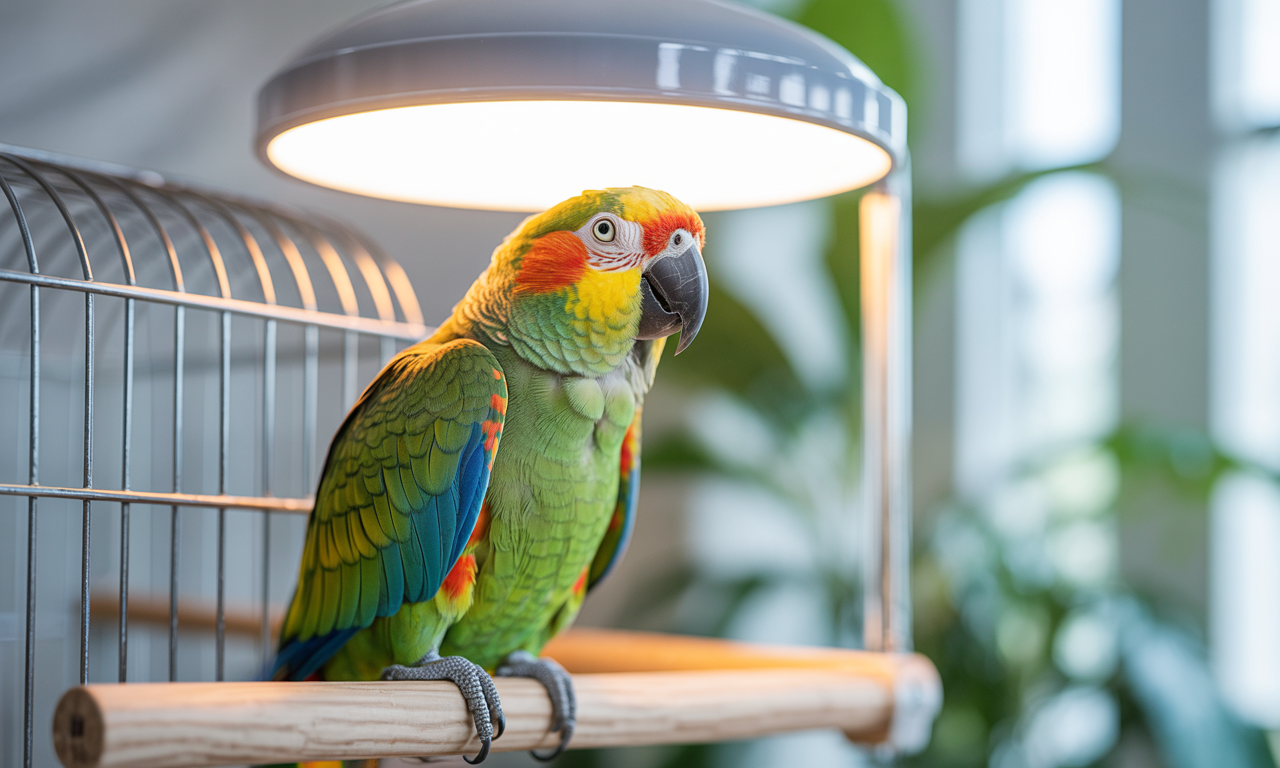
This is where UVB lighting for birds becomes a powerful tool for sensory wellness. When used correctly, UVB lamps can safely replicate a key part of natural sunlight, supporting stronger bones, brighter feathers, improved mood, and healthier daily rhythms—all without exposing birds to outdoor risks.
By the end of this guide, you’ll understand exactly why UVB lighting matters, how to choose the safest options, and how to set up UVB lighting for birds correctly to support long-term health and happiness.
Why Birds Need UVB Lighting Indoors
The Problem: Indoor Light Is Not Enough
Many bird owners believe that keeping cages near windows provides sufficient sunlight. Unfortunately, standard window glass blocks nearly all UVB rays. This means that even in bright rooms, indoor birds receive light without the biological benefits of natural sunlight.
Without proper exposure, the lack of UVB lighting for birds can quietly impact long-term health.
The Explanation: What UVB Light Does for Birds
UVB light plays a vital role in vitamin D₃ synthesis. Vitamin D₃ allows birds to absorb and regulate calcium, which is essential for strong bones, healthy beaks, proper muscle function, and egg production. In addition to physical health, UVB exposure supports immune function and overall vitality.
In natural environments, birds receive consistent UVB exposure simply by living outdoors. Indoor birds depend entirely on their caretakers to provide UVB lighting for birds in a safe, controlled way.
The Solution: Replicating Natural Sunlight Safely
Using dedicated UVB lamps designed specifically for birds allows owners to recreate this missing component of sunlight. Proper UVB lighting for birds delivers controlled exposure without the risks of outdoor predators, extreme temperatures, or uncontrolled sun exposure.
When combined with appropriate placement and timing, UVB lighting becomes a safe, effective part of an indoor bird’s wellness routine.
Pro Tip: Bright Light Is Not the Same as UVB
A room can appear bright while still lacking UVB radiation. Brightness affects visibility, but UVB affects biology. Always choose lamps specifically labeled for avian UVB use rather than relying on household lighting.
UVB vs Full Spectrum Lighting: What’s the Difference?
The Problem: Many Owners Think “Bright Light” Is Enough
A common source of confusion in bird care is the belief that any bright or “full spectrum” light automatically meets a bird’s biological needs. Many products are marketed as full spectrum, yet they do not provide UVB at all. This misunderstanding often leads owners to assume their bird is protected when a critical element is still missing.
Without understanding the difference, UVB lighting for birds may be unintentionally overlooked.
The Explanation: What Full Spectrum Lighting Provides
Full spectrum lighting is designed to mimic the visible range of natural daylight. It improves brightness, color perception, and visual comfort. Some full spectrum lamps also include UVA, which birds can see and which supports natural behaviors such as feeding, mating, and social interaction.
However, most full spectrum lights do not emit UVB. While helpful for visibility and mood, they cannot replace the biological role of UVB light.
What UVB Lighting Adds
UVB lighting provides a specific wavelength that triggers vitamin D₃ synthesis in a bird’s skin. This process is essential for calcium absorption, bone density, muscle strength, and immune health. Without UVB exposure, even a well-balanced diet may fail to support proper calcium regulation.
This is why UVB lighting for birds plays a unique and irreplaceable role in indoor environments.
Comparison at a Glance
- Full Spectrum Lighting
- Improves brightness and visual comfort
- Supports natural behavior through UVA
- Does not provide vitamin D₃ activation
- UVB Lighting for Birds
- Enables vitamin D₃ production
- Supports bone, beak, and immune health
- Must be used correctly to ensure safety
The Solution: Use the Right Tool for the Right Purpose
For optimal wellness, many bird owners use both: full spectrum lighting for visual comfort and UVB lighting for birds for biological health. Understanding the distinction allows you to choose lighting based on function—not marketing labels.
Pro Tip: Read Product Specifications Carefully
Never assume a lamp provides UVB unless it is clearly stated with a UVB percentage designed for birds. Marketing terms alone are not enough.
Health Benefits of UVB Lighting for Birds
The Problem: Deficiencies Develop Slowly
Many health issues caused by inadequate lighting do not appear suddenly. Instead, they develop gradually—often mistaken for aging, molting, or personality changes. Weak bones, poor feather quality, low energy, and recurring illness can all stem from insufficient UVB exposure.
Without proper UVB lighting for birds, these problems may continue unnoticed until they significantly affect quality of life.
The Explanation: How UVB Supports the Body and Mind
UVB light triggers the natural production of vitamin D₃ in a bird’s body. Vitamin D₃ is essential for regulating calcium and phosphorus—minerals that support skeletal strength, beak integrity, muscle function, and nerve signaling. Without UVB, calcium from food may not be absorbed efficiently, even if the diet appears balanced.
Beyond physical health, UVB lighting for birds also influences mood and behavior. Adequate lighting supports circadian rhythms, improves alertness, and encourages natural behaviors such as play, vocalization, and foraging.
Key Benefits of UVB Lighting for Birds
- Stronger bones and beak health
- Improved calcium absorption and metabolism
- Healthier feather growth and sheen
- Enhanced immune function
- Reduced lethargy and stress-related behaviors
- More stable daily sleep–wake cycles
These benefits work together to support long-term wellness rather than short-term fixes.
Why This Matters for Indoor Birds
Indoor birds do not receive consistent, direct sunlight year-round. Seasonal changes, short daylight hours, and indoor living all limit natural UV exposure. UVB lighting for birds bridges this gap safely, giving indoor birds access to a critical element of their natural environment.
Pro Tip: Benefits Build Over Time
UVB lighting is not a quick fix. Consistent, correct exposure over weeks and months leads to noticeable improvements in posture, activity level, feather quality, and overall vitality.
UVB Option #1 – Compact UVB Lamps for Small Cages
The Problem: Limited Space Still Needs Proper UVB
Small cages and compact living spaces often make bird owners hesitant to add lighting. Many assume UVB lamps are too large, too strong, or difficult to position safely. As a result, birds in smaller cages—such as budgies, lovebirds, and cockatiels—are often deprived of adequate UVB exposure.
This is a common reason UVB lighting for birds is skipped in small indoor setups.
The Explanation: How Compact UVB Lamps Work
Compact UVB lamps are designed to provide controlled UVB output in a smaller footprint. These bulbs usually screw into standard fixtures and emit a gentle, localized UVB field suitable for close-range exposure when positioned correctly.
When used properly, compact UVB lighting for birds supports vitamin D₃ synthesis without overwhelming the bird or overheating the cage area.
Best Use Case: Which Birds Benefit Most
Compact UVB lamps are ideal for:
- Budgies
- Cockatiels
- Lovebirds
- Small conures
- Birds housed in compact cages or apartments
They work best when birds can move in and out of the light naturally, allowing self-regulation.
What to Look for When Choosing a Compact UVB Lamp
When selecting a lamp, prioritize:
- UVB output specifically labeled for birds
- Low to moderate UVB percentage (typically 2–5%)
- Flicker-free operation
- Compatibility with clamp or dome fixtures
- Clear replacement schedule from the manufacturer
These features ensure safe, effective UVB lighting for birds in small enclosures.
Why This Option Matters
Compact UVB lamps make UVB access possible even in limited spaces. They lower the barrier to entry for bird owners new to lighting upgrades and provide a practical way to introduce UVB lighting for birds without a complex setup.
Pro Tip: Distance Matters More Than Wattage
Never place compact UVB lamps too close to the cage. Follow manufacturer distance guidelines carefully, and always allow shaded areas so birds can choose their exposure level.
UVB Option #2 – Linear UVB Tubes for Medium Aviaries
The Problem: Uneven Light Coverage in Larger Cages
As cage size increases, compact UVB bulbs often fail to provide even coverage. Birds may receive UVB in only one small area, limiting consistent exposure and reducing overall effectiveness. In medium-sized aviaries or wider cages, this uneven lighting can make UVB lighting for birds less reliable.
This is where linear UVB tubes become the better solution.
The Explanation: Why Linear UVB Tubes Work Better
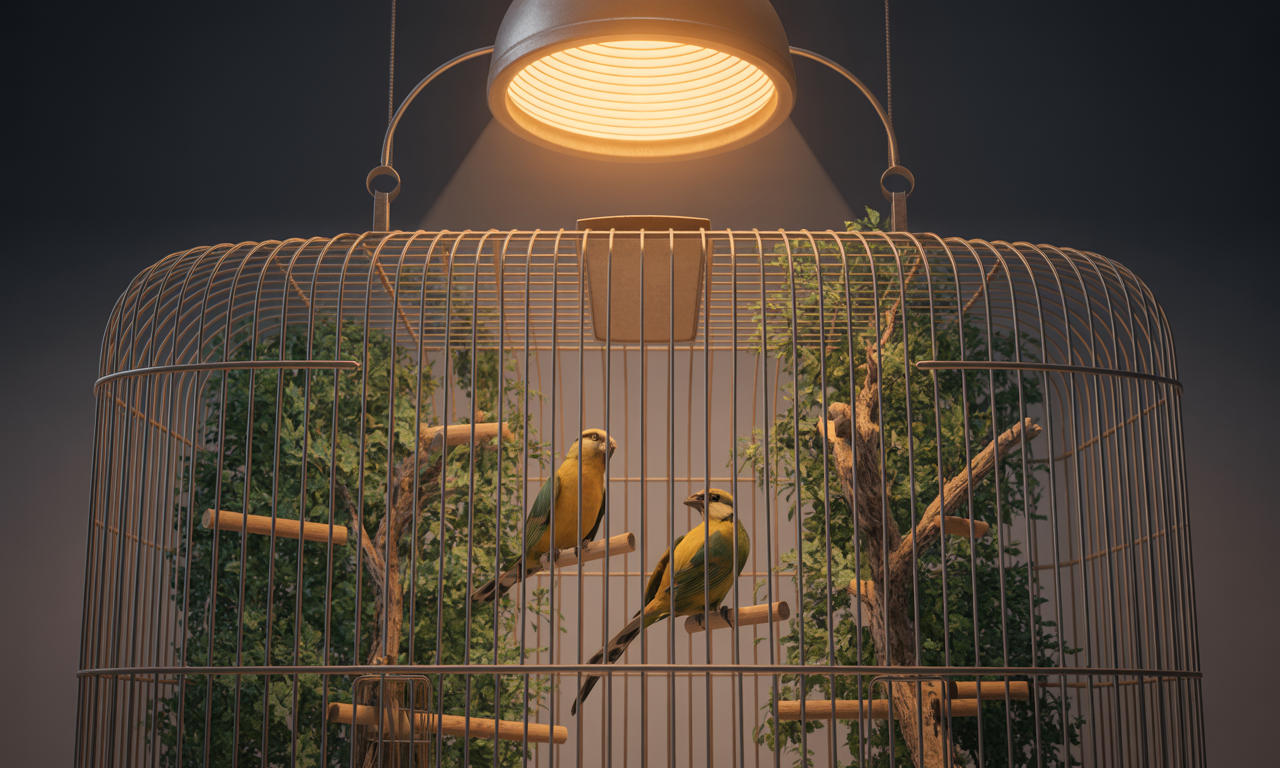
Linear UVB tubes produce a wider, more evenly distributed light field. Mounted above or along the length of a cage, they mimic the spread of natural sunlight more closely than compact bulbs. This allows birds to receive UVB exposure while moving naturally throughout the enclosure.
When installed correctly, linear UVB lighting for birds supports steady vitamin D₃ synthesis without concentrating radiation in one spot.
Best Use Case: Ideal Birds and Environments
Linear UVB tubes are best suited for:
- Medium-sized parrots (conures, caiques, ringnecks)
- Medium to large cages
- Indoor aviaries
- Multi-bird enclosures
They are especially useful when multiple birds share a space and need consistent exposure.
What to Look for When Choosing a Linear UVB Tube
When selecting a tube, prioritize:
- Bird-specific UVB ratings
- Even UV distribution along the tube length
- Low heat output
- Compatibility with reflectors for efficiency
- Clear manufacturer guidance on replacement intervals
These features ensure effective, safe UVB lighting for birds over larger areas.
Why This Option Matters
Linear UVB tubes bridge the gap between small-cage solutions and professional-grade setups. They offer balanced coverage, predictable exposure, and long-term reliability—making them one of the most popular choices for indoor bird keepers upgrading their lighting system.
Pro Tip: Mount Above, Not Inside
Always mount UVB tubes outside the cage bars to prevent chewing and overexposure. Birds should receive UVB from above, just as they would from the sun in nature.
UVB Option #3 – Full Spectrum + UVB Combo Lamps
The Problem: Separate Lamps Can Feel Complicated
Many bird owners want to improve lighting but feel overwhelmed by managing multiple lamps—one for brightness and another for UVB. This complexity often leads to inconsistent use or abandoning lighting upgrades altogether. When setup feels difficult, UVB lighting for birds is often delayed or applied incorrectly.
Combo lamps solve this problem by simplifying the setup.
The Explanation: How Combo Lamps Work
Full spectrum + UVB combo lamps are designed to emit both visible daylight and controlled UVB from a single bulb or fixture. This allows birds to benefit from improved visual clarity, color perception, and circadian rhythm support—while also receiving UVB needed for vitamin D₃ synthesis.
When used correctly, combo UVB lighting for birds supports both sensory wellness and physical health without requiring multiple fixtures.
Best Use Case: When Combo Lamps Are Ideal
Combo lamps are best suited for:
- Bird owners new to UVB lighting
- Single-bird households
- Small to medium cages
- Spaces where fixture count must be minimal
They work well for daily exposure when placed at the correct distance and used for controlled time periods.
What to Look for When Choosing a Combo Lamp
When selecting a combo lamp, look for:
- Clearly labeled UVB output suitable for birds
- Flicker-free technology to protect avian vision
- Balanced light color temperature (not harsh or blue-heavy)
- Reliable brand reputation and safety certifications
- Clear instructions for distance and daily exposure time
These factors ensure combo UVB lighting for birds is effective without increasing risk.
Why This Option Matters
Combo lamps lower the barrier to entry for bird owners who want better lighting but prefer simplicity. By combining visual comfort and UVB exposure, they make it easier to maintain consistent UVB lighting for birds as part of a daily routine.
Pro Tip: Simpler Doesn’t Mean Stronger
Avoid the temptation to leave combo lamps on all day. UVB exposure should be time-limited, even when combined with full spectrum light. Always follow recommended schedules.
UVB Option #4 – Veterinary-Grade UVB Lamps
The Problem: Standard Lamps May Not Be Enough for Deficient Birds
Some birds require more targeted support than general lighting can provide. Birds recovering from illness, suffering from calcium deficiency, metabolic bone disease, or chronic weakness may not respond adequately to standard consumer UVB lamps. In such cases, improper or insufficient exposure can delay recovery.
This is where specialized UVB lighting for birds becomes medically relevant.
The Explanation: What Makes Veterinary-Grade UVB Lamps Different
Veterinary-grade UVB lamps are designed to deliver precise, consistent UVB output under controlled conditions. These lamps are often recommended by avian veterinarians for therapeutic use and are built with stricter quality controls than typical household bulbs.
When used under professional guidance, veterinary-grade UVB lighting for birds supports targeted vitamin D₃ synthesis and calcium regulation without unnecessary exposure.
Best Use Case: When to Consider Veterinary-Grade Lamps
These lamps are best suited for:
- Birds diagnosed with calcium or vitamin D₃ deficiency
- Birds recovering from fractures or weakness
- Senior birds with reduced absorption efficiency
- Birds under active veterinary supervision
They are not intended for casual or unsupervised use.
What to Look for When Choosing a Veterinary-Grade UVB Lamp
If recommended by a vet, look for:
- Precisely documented UVB output
- Medical-grade construction and stability
- Compatibility with professional fixtures
- Clear therapeutic usage guidelines
- Manufacturer transparency and support
These factors ensure veterinary-grade UVB lighting for birds is both effective and safe.
Why This Option Matters
For birds with medical needs, lighting can be part of treatment—not just wellness. Veterinary-grade UVB lamps offer controlled support that can significantly improve recovery and long-term outcomes when integrated into a vet-approved care plan.
Pro Tip: Always Follow Veterinary Guidance
Never introduce high-output UVB lamps without professional advice. Overexposure can be harmful, and therapeutic lighting should always be tailored to the individual bird.
UVB Option #5 – Adjustable UVB Clamp Lamps
The Problem: Fixed Lighting Doesn’t Suit Every Cage
Not all cages, rooms, or setups are the same. Fixed fixtures can be difficult to position correctly, especially in homes with limited space, unusual cage shapes, or multiple perches at different heights. Poor placement can reduce effectiveness or increase the risk of overexposure.
This lack of flexibility often makes UVB lighting for birds harder to use consistently.
The Explanation: Why Adjustable Clamp Lamps Are Useful
Adjustable UVB clamp lamps allow owners to fine-tune light placement. With movable arms, swiveling heads, and clamp mounts, these lamps can be positioned above or beside cages at the correct distance. This adjustability helps ensure birds receive safe UVB exposure while still having shaded areas to retreat to.
When used correctly, adjustable UVB lighting for birds adapts to changing cage layouts and bird behavior.
Best Use Case: When Clamp Lamps Work Best
Adjustable clamp lamps are ideal for:
- Homes with limited mounting options
- Cages placed on stands or shelves
- Birds that prefer specific perching spots
- Owners who rearrange cages or rooms occasionally
They are especially helpful for owners still experimenting with optimal placement.
What to Look for When Choosing an Adjustable Clamp Lamp
When selecting a clamp lamp, prioritize:
- Strong, secure clamp grip
- Heat-resistant fixtures
- Compatibility with bird-safe UVB bulbs
- Stable positioning without drifting or sagging
- Clear distance and exposure guidelines
These features help maintain safe, reliable UVB lighting for birds over time.
Why This Option Matters
Flexibility improves consistency. Adjustable clamp lamps make it easier to position UVB lighting correctly, which reduces mistakes and increases long-term compliance with safe lighting practices.
Pro Tip: Recheck Position Regularly
Birds move, cages shift, and bulbs age. Recheck lamp distance and angle every few weeks to ensure UVB lighting for birds remains within safe exposure ranges.
UVB Option #6 – Timer-Controlled UVB Lighting Systems
The Problem: Inconsistent Lighting Disrupts Bird Rhythms
One of the biggest challenges with lighting is inconsistency. Busy schedules, travel, or simple forgetfulness often lead to irregular lighting routines. Turning UVB lamps on too late, leaving them on too long, or skipping days altogether can disrupt a bird’s natural rhythm.
Without consistency, even high-quality UVB lighting for birds cannot deliver its full benefits.
The Explanation: Why Timers Make UVB Lighting Safer and Smarter
Timer-controlled UVB lighting systems automate exposure, ensuring birds receive UVB at the same time each day for a controlled duration. This supports circadian rhythms, hormonal balance, and predictable rest cycles.
When paired with proper placement, timed UVB lighting for birds closely mimics natural sunrise-to-daylight patterns—without the risk of overexposure caused by human error.
Best Use Case: When Timer Systems Are Ideal
Timer-controlled systems are best for:
- Owners with busy or irregular schedules
- Multi-bird households
- Long-term indoor bird setups
- Birds sensitive to routine changes
They are especially valuable for maintaining consistency year-round, regardless of season or daylight length.
What to Look for When Choosing a Timer System
When selecting a timer for UVB lighting for birds, look for:
- Reliable daily on/off programming
- Quiet operation (no clicking noises)
- Backup memory during power outages
- Compatibility with UVB lamp wattage
- Simple manual override when needed
These features ensure safety while maintaining a stable lighting routine.
Why This Option Matters
Consistency is just as important as light quality. Timer-controlled systems remove guesswork and reduce the risk of accidental overexposure or neglect, making UVB lighting for birds easier to manage and safer over the long term.
Pro Tip: Match Lighting to Natural Day Length
Set timers to reflect natural daylight hours for your region. Gradual seasonal adjustments help birds maintain healthy biological rhythms and reduce stress.
UVB Option #7 – Portable UVB Lighting for Travel & Recovery
The Problem: UVB Exposure Drops During Travel or Healing
During travel, relocation, or recovery from illness, birds often lose access to their regular lighting setup. Temporary cages, boarding situations, or quarantine spaces rarely include proper UVB exposure. This interruption can slow recovery, affect mood, and disrupt calcium metabolism.
In these situations, UVB lighting for birds is often unintentionally paused when it is needed most.
The Explanation: How Portable UVB Lamps Help
Portable UVB lighting solutions are lightweight, compact lamps designed for short-term or supplemental use. They provide controlled UVB exposure without requiring permanent installation. When used correctly, portable UVB lighting for birds helps maintain vitamin D₃ synthesis and supports physical and emotional stability during transitions.
These lamps are not meant to replace a full setup but act as a bridge during temporary changes.
Best Use Case: When Portable UVB Lighting Is Ideal
Portable UVB lamps are best for:
- Travel or temporary housing
- Veterinary recovery or quarantine
- Emergency or backup lighting
- Short-term supplementation when main lamps fail
They are especially helpful for owners who travel with birds or maintain hospital cages at home.
What to Look for When Choosing a Portable UVB Lamp
When selecting portable UVB lighting for birds, look for:
- Lightweight, compact design
- Clearly labeled bird-safe UVB output
- Stable placement or clip support
- Low heat emission
- Short, controlled exposure recommendations
Safety and ease of use are more important than power in portable setups.
Why This Option Matters
Consistency supports recovery. Portable UVB lamps prevent sudden drops in UVB exposure during vulnerable periods, helping birds stay calmer, more balanced, and physiologically supported.
Pro Tip: Limit Exposure Time
Portable UVB lamps are best used in short, supervised sessions. Always allow shaded areas and never leave portable UVB lighting on unattended for long periods.
How to Set Up UVB Lighting for Birds Safely
The Problem: Incorrect Setup Can Do More Harm Than Good
While UVB lighting for birds offers powerful health benefits, improper setup can reduce effectiveness—or worse, cause stress or overexposure. Placing lamps too close, leaving them on too long, or blocking UVB rays with barriers are common mistakes that undermine good intentions.
Safety is not optional with UVB lighting—it is essential.
The Explanation: UVB Must Be Controlled, Not Constant
In nature, birds experience UVB exposure in cycles, not continuously. They move in and out of sunlight, adjust their position, and rest in shade. Indoor UVB lighting must respect this natural pattern by allowing choice, distance, and time limits.
Correct UVB lighting for birds replicates nature without overwhelming the bird’s system.
Step-by-Step Safe Setup Guide
1️⃣ Choose the Correct Distance
- Follow manufacturer distance guidelines exactly
- Most bird-safe UVB lamps are placed 12–18 inches above the highest perch
- Never place UVB lamps inside the cage
Distance determines exposure strength more than bulb wattage.
2️⃣ Mount UVB Lighting Above the Cage
- UVB should come from above, like natural sunlight
- Mount lamps outside the cage bars
- Avoid side placement that forces constant exposure
This setup allows birds to move in and out of the light naturally.
3️⃣ Limit Daily Exposure Time
- Typical safe exposure: 2–4 hours per day
- Do NOT leave UVB lighting on all day
- Use timers for consistency and safety
More UVB does not equal better results.
4️⃣ Ensure Access to Shade
- Always provide shaded areas within the cage
- Birds must be able to escape UVB exposure freely
- Never force a bird to remain under the lamp
Choice is a key safety factor in UVB lighting for birds.
5️⃣ Avoid Barriers That Block UVB
- Glass and plastic block UVB completely
- Fine metal mesh may reduce intensity
- Never assume UVB passes through windows
Always place lamps where UVB can reach the bird directly.
6️⃣ Replace Bulbs on Schedule
- UVB output fades long before visible light does
- Most bulbs require replacement every 6–12 months
- Mark replacement dates clearly
Expired bulbs provide light—but no benefit.
Why Safe Setup Matters
Correct setup ensures UVB lighting for birds supports vitamin D₃ synthesis, bone health, mood, and immune function—without causing stress, burns, or hormonal disruption.
Safety transforms UVB lighting from a risk into a reliable wellness tool.
Pro Tip: Observe Your Bird’s Behavior
Signs of proper exposure include relaxed posture, normal activity, good appetite, and improved feather condition. Signs of discomfort—panting, avoidance, agitation—mean adjustments are needed immediately.
Common Mistakes With UVB Lighting for Birds
The Problem: Good Intentions, Poor Execution
Many bird owners invest in UVB lamps with the best intentions, but small setup or usage errors can cancel out the benefits—or even cause harm. Because UVB effects are invisible, mistakes often go unnoticed until health or behavior changes appear.
Avoiding these common errors is essential for safe, effective UVB lighting for birds.
Mistake #1: Placing the Lamp Too Close
UVB intensity increases dramatically at short distances. Placing lamps too close to perches can cause overexposure, stress, or eye irritation.
Fix: Always follow manufacturer distance guidelines and recheck placement after cage adjustments.
Mistake #2: Leaving UVB Lighting On All Day
UVB is not meant to be constant. Continuous exposure can disrupt hormonal balance and circadian rhythm.
Fix: Limit UVB lighting for birds to 2–4 hours daily using a timer.
Mistake #3: Assuming Window Sunlight Is Enough
Glass blocks nearly all UVB rays, even in direct sunlight. Bright rooms do not equal biological UV exposure.
Fix: Use dedicated bird-safe UVB lamps—not windows—as the UVB source.
Mistake #4: Using Non-Avian UVB Products
Reptile or tanning UVB lamps are often too strong for birds and can cause harm.
Fix: Only use UVB products specifically designed and labeled for birds.
Mistake #5: Blocking UVB With Barriers
Plastic covers, glass, or incorrect cage placement can block or weaken UVB output.
Fix: Ensure nothing sits between the bulb and the bird except open cage bars.
Mistake #6: Forgetting to Replace Bulbs
UVB output fades long before bulbs stop shining. Old bulbs may provide light with zero benefit.
Fix: Replace UVB bulbs every 6–12 months as recommended.
Mistake #7: Ignoring Bird Behavior
Birds communicate discomfort through avoidance, agitation, or stress behaviors.
Fix: Observe daily. Adjust placement or exposure immediately if behavior changes.
Why Avoiding These Mistakes Matters
Correcting these errors ensures UVB lighting for birds supports health rather than undermining it. Proper use protects bones, immunity, mood, and long-term wellness—while misuse can create new problems.
Pro Tip: Review Setup Quarterly
Seasonal light changes, cage rearrangements, and bulb aging all affect UVB exposure. Reassess your setup every few months to maintain safe, effective lighting.
Printable UVB Lighting Setup Checklist for Birds
The Problem: Small Details Are Easy to Forget
Even when bird owners understand the importance of UVB, day-to-day routines can lead to missed steps—wrong distance, expired bulbs, or inconsistent exposure times. Because the effects of UVB are not immediately visible, these mistakes often go unnoticed.
A structured checklist turns UVB lighting for birds from a concept into a reliable, repeatable wellness habit.
The Explanation: Why a Checklist Improves Safety & Results
A printable checklist ensures that UVB lighting is:
- Set up correctly
- Used consistently
- Reviewed regularly
It also helps caregivers adjust setups as birds age, cages change, or seasons shift. This makes UVB lighting for birds safer, more effective, and easier to maintain long term.
✅ UVB Lighting Setup Checklist (Use & Save)
🔧 Lamp & Equipment Check
- ☐ UVB lamp is bird-specific (not reptile or tanning)
- ☐ UVB percentage appropriate for birds (low–moderate)
- ☐ Fixture is stable, heat-safe, and securely mounted
- ☐ Bulb replacement date is recorded
📏 Placement & Distance
- ☐ Lamp placed above the cage, never inside
- ☐ Distance follows manufacturer guidelines (typically 12–18 inches)
- ☐ No glass or plastic blocking UVB rays
- ☐ Bird can move freely in and out of the light
⏱️ Exposure & Timing
- ☐ Daily exposure limited to 2–4 hours
- ☐ Timer used for consistent on/off schedule
- ☐ Lighting aligns with natural daytime hours
- ☐ UVB lamp is turned off during sleep hours
🐦 Bird Behavior & Comfort
- ☐ Bird shows normal activity and appetite
- ☐ No signs of avoidance, agitation, or stress
- ☐ Feather condition and posture remain healthy
- ☐ Shaded resting areas are always available
🔄 Maintenance & Review
- ☐ Bulb replaced every 6–12 months
- ☐ Setup reviewed every 3 months
- ☐ Cage or perch changes trigger a distance recheck
- ☐ Seasonal daylight changes considered
The Result: Confidence & Consistency
Using this checklist removes guesswork and ensures UVB lighting for birds is delivering benefits—not risks. Consistency leads to better bone health, stronger immunity, improved mood, and long-term wellness.
Pro Tip: Keep This Checklist Visible
Print this checklist and keep it near your bird’s enclosure or save a digital copy on your phone. Quick visual reminders help prevent small mistakes that can impact health over time.
Frequently Asked Questions (FAQ)
Do birds really need UVB lighting indoors?
Yes. UVB lighting for birds is essential for indoor birds because window glass blocks UVB rays completely. Without UVB exposure, birds cannot properly synthesize vitamin D₃, which is critical for calcium absorption, bone strength, and overall health.
How long should UVB lighting for birds be used each day?
Most birds benefit from 2–4 hours per day of UVB exposure. UVB lighting should never be left on all day. Using a timer helps maintain safe, consistent exposure that mimics natural sunlight cycles.
Is UVB lighting safe for parrots?
When used correctly, UVB lighting for birds is safe and beneficial. Safety depends on proper distance, limited exposure time, bird-specific bulbs, and allowing birds access to shade so they can self-regulate.
Can UVB lighting replace natural sunlight?
UVB lighting can supplement, but not fully replace, natural sunlight. It safely provides the biological benefits of UVB without outdoor risks such as predators, temperature extremes, or uncontrolled exposure.
How often should UVB bulbs be replaced?
Most UVB bulbs should be replaced every 6–12 months, even if they still emit visible light. UVB output degrades over time, and expired bulbs may provide no biological benefit.
Can UVB lighting affect bird behavior and mood?
Yes. Proper UVB lighting for birds supports circadian rhythm, improves alertness, reduces lethargy, and encourages natural behaviors such as play, vocalization, and foraging.
Conclusion: Light Is More Than Brightness — It’s Biology
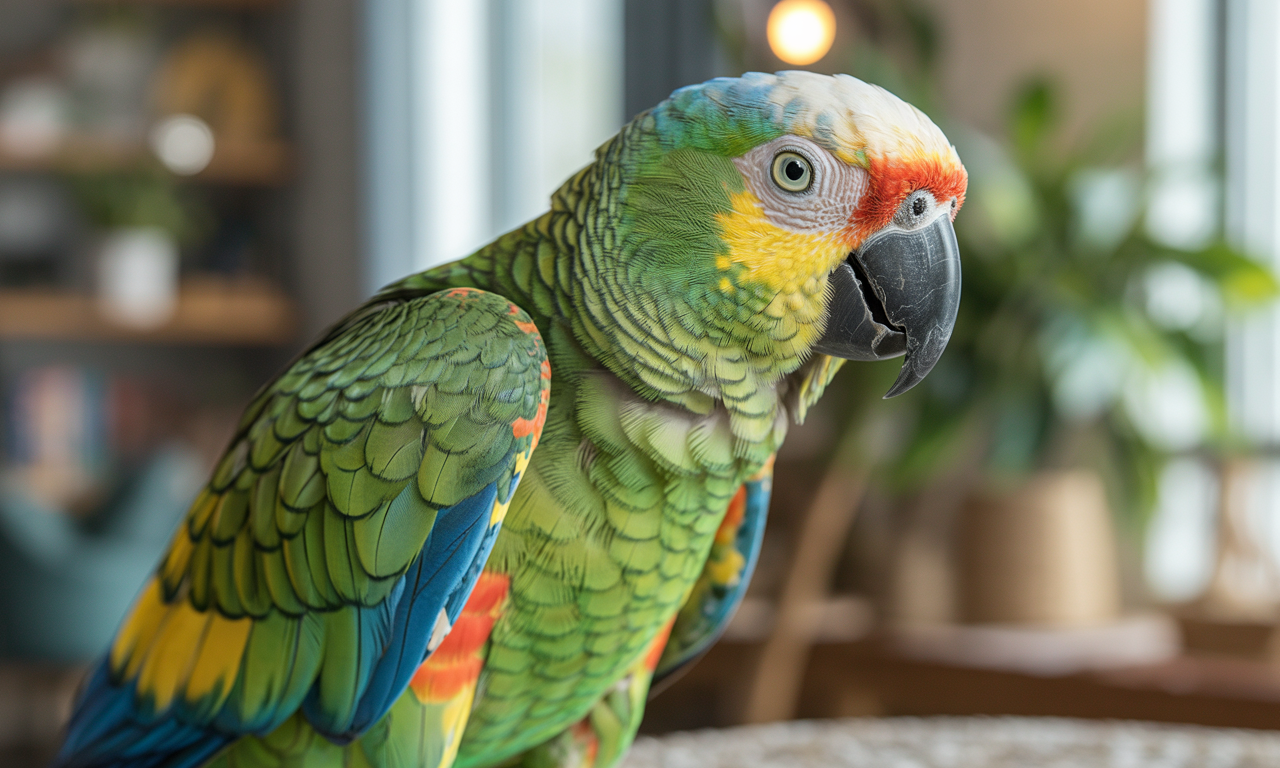
Birds evolved under the sun. Light isn’t just something they see — it’s something their bodies depend on. When birds live indoors, one of the most important elements of their natural environment quietly disappears: UVB radiation.
UVB lighting for birds bridges that gap. When used correctly, it supports strong bones, healthy feathers, balanced mood, and stable daily rhythms. It transforms indoor living from mere survival into true wellness.
The key is not intensity, but intention — choosing the right lamp, placing it safely, limiting exposure time, and allowing birds the freedom to move in and out of the light naturally. Small, thoughtful adjustments can have a powerful impact over time.
💡 Now it’s your turn.
Is your bird getting the UVB exposure it needs to thrive indoors?
If not, even one well-chosen UVB lighting upgrade could make a meaningful difference in your bird’s health, happiness, and longevity.
💡Looking for something different? Check out our latest post here: https://birdsheavencare.com/annual-parrot-checkup/