Learn to identify bird health emergency signs and provide immediate first aid. From breathing trouble to injury or poisoning, protect your pet bird with expert guidance.
- ✍️ Introduction
- 🩺 Understanding Bird Health Emergencies
- 🕊️ Early Warning Signs Every Owner Should Notice
- 🌬️ Respiratory & Breathing Problems
- 🩸 Bleeding, Injury & Shock Response
- 🍽️ Digestive & Crop-Related Emergencies
- 🪽 Broken Wings, Legs, or Tail Feathers
- ☀️❄️ Heat Stroke & Cold Shock
- 🩺 Bird Health Emergency? Signs of Trouble & First Aid Every Owner Must Know
✍️ Introduction
Imagine walking into the room one morning and noticing your beloved bird sitting silently at the bottom of its cage — wings drooped, feathers puffed, eyes half-closed. Panic sets in, and questions flood your mind: What’s wrong? Is it serious? What should I do right now?
For many bird owners, these terrifying moments are the first realization of how crucial it is to recognize bird health emergency signs before it’s too late.
Birds are experts at masking illness — a survival instinct inherited from the wild. They often appear normal until their condition becomes critical. This means that by the time visible symptoms appear, immediate action is required. Knowing the right bird health emergency signs helps you respond quickly, calmly, and effectively, often making the difference between recovery and tragedy.
From breathing difficulties and sudden bleeding to changes in appetite or droppings, every small symptom tells a story about your bird’s internal health. Learning to identify these signals early empowers you to act decisively with first aid measures while seeking veterinary help.
This guide simplifies everything you need to know about bird health emergency signs — what to watch for, what to do, and how to prepare before disaster strikes. You’ll discover life-saving first aid steps, emergency care essentials, and prevention tips trusted by avian experts worldwide.
So let’s begin your journey toward confident, compassionate bird care — because when you recognize the right bird health emergency signs, you can truly protect the life that sings to your soul.
🩺 Understanding Bird Health Emergencies
Birds are delicate creatures that rely heavily on subtle cues to communicate their well-being. Unlike cats or dogs, they rarely cry out when something’s wrong — instead, they show small behavioral or physical shifts that often go unnoticed until the situation becomes severe. Understanding these cues and recognizing bird health emergency signs early is vital for every bird owner who wishes to prevent suffering or loss.
In the wild, survival depends on strength. Birds instinctively hide weakness to avoid attracting predators. This natural behavior, though beneficial outdoors, becomes dangerous in captivity, where their silence delays treatment. That’s why bird health emergency signs can seem to appear suddenly — but in truth, the problem often develops quietly over several days.
Common emergencies range from respiratory distress and poisoning to injuries, shock, or severe digestive blockage. Each of these can escalate rapidly if not addressed promptly. Knowing the difference between mild discomfort and genuine crisis is a skill every pet parent must develop. Even something as small as fluffed feathers, reduced vocalization, or unusual droppings can be an early indicator of deeper trouble.
Being proactive rather than reactive is the foundation of avian wellness. Observing your bird daily — how it eats, breathes, and interacts — allows you to notice deviations that signal distress. Once you identify bird health emergency signs, your immediate goal is to stabilize your bird: reduce stress, maintain warmth, and ensure access to clean air and water before reaching a veterinarian.
It’s also important to keep a simple emergency checklist nearby — including your avian vet’s contact number, first aid materials, and a clean towel or carrier. These small preparations save valuable minutes during a crisis.
By understanding what qualifies as a true emergency, you’ll learn to act swiftly and confidently instead of hesitating. Whether it’s a case of labored breathing, continuous bleeding, or sudden collapse, identifying bird health emergency signs early gives you the power to intervene before damage becomes irreversible.
In the following sections, we’ll explore the most common warning signs, practical first aid techniques, and preventive strategies to help your feathered companion stay safe, healthy, and resilient. Remember — being aware of bird health emergency signs isn’t just good care; it’s a commitment to the life you’ve chosen to protect.
🕊️ Early Warning Signs Every Owner Should Notice
A healthy bird is lively, vocal, and curious — constantly exploring its surroundings. When these natural behaviors start to fade, it’s often your first hint that something isn’t right. Recognizing bird health emergency signs early can make all the difference between a quick recovery and a tragic outcome. Birds rarely show pain or weakness until they’re critically ill, so subtle shifts in energy, posture, or appetite can reveal what words cannot.
1. Physical Warning Signs You Should Never Ignore
Physical symptoms are often the most visible bird health emergency signs, though they can easily be overlooked. Watch for drooping wings, sitting at the bottom of the cage, fluffed-up feathers, or persistent shivering. Dull or crusty eyes, nasal discharge, labored breathing, or open-mouth panting are also major red flags.
Changes in droppings — such as watery stool, blood, or unusual color — often indicate infection, liver issues, or internal bleeding. Even minor swelling around the eyes, legs, or vent area deserves immediate attention.
2. Behavioral Changes That Indicate Distress
Behavioral shifts can be even more revealing than physical symptoms. A cheerful parrot that suddenly becomes silent, withdrawn, or unusually aggressive may be in distress. Similarly, a budgie that stops singing, eats less, or isolates itself could be struggling with illness. These behavioral bird health emergency signs often appear before visible sickness does.
If your bird sits still for long periods, avoids toys, or seems unusually sleepy, take it seriously. These patterns may point to respiratory infection, shock, or nutrient deficiency.
3. Appetite, Grooming, and Activity Patterns
A bird that stops eating, drinking, or preening is showing urgent warning signs. Birds rely heavily on metabolism to stay healthy, and missing just one or two meals can weaken their immune system. Similarly, if your bird stops grooming or has patchy, unkempt feathers, this could signal internal stress or infection.
Keep track of your bird’s normal habits. A simple “Health Diary” — noting food intake, droppings, and daily activity — can help you detect bird health emergency signs before they escalate.
4. Early Action Can Save Lives
The moment you notice these warning signs, don’t wait for improvement. Move your bird to a calm, warm area and contact your avian veterinarian. Even mild symptoms can worsen rapidly because of birds’ fast metabolism. Quick response and proper care give your pet the best chance of full recovery.
By learning to interpret these early bird health emergency signs, you become your bird’s first line of defense — the difference between danger and healing.
🌬️ Respiratory & Breathing Problems
When it comes to life-threatening conditions, respiratory distress tops the list of bird health emergency signs. Birds have an extremely efficient but delicate respiratory system, and even a minor obstruction or infection can become fatal within hours. Recognizing early symptoms of breathing difficulty can save precious time and, most importantly, your bird’s life.
1. How to Identify Respiratory Distress
Watch for labored breathing, open-mouth gasping, tail bobbing with each breath, or wheezing sounds. These are not just mild symptoms — they are urgent bird health emergency signs. A bird struggling for oxygen may also keep its beak open continuously or flare its nostrils while breathing. In severe cases, the feathers around the chest may puff as the bird strains for air.
You might also notice lethargy, decreased appetite, or your bird sitting low in the cage. These physical and behavioral indicators often occur together, signaling that the respiratory system is under stress.
2. Common Causes of Breathing Issues
Respiratory illness in birds can result from infections, exposure to smoke, scented candles, cooking fumes, or even aerosol sprays. Sudden temperature changes and poor cage ventilation are also major triggers. Birds exposed to Teflon (non-stick cookware fumes) may develop Teflon toxicosis, one of the most critical bird health emergency signs that often causes death within minutes.
Allergens, dust, or fungal spores from dirty cages can also lead to long-term breathing issues. Keeping your bird’s habitat clean and well-ventilated is the first step toward prevention.
3. Immediate First Aid Actions
If your bird exhibits breathing trouble, act swiftly:
- Move your bird to a quiet, ventilated, and warm environment.
- Eliminate all irritants immediately — turn off air fresheners, candles, or fumes.
- Avoid handling excessively, as stress worsens breathing problems.
- Contact an avian vet right away — breathing emergencies progress rapidly.
Until you reach professional help, your goal is to minimize stress and ensure oxygen flow. Avoid home remedies or forced medications without veterinary guidance — incorrect handling can worsen the condition.
4. Prevention Through Observation
Track your bird’s breathing daily. Subtle tail bobbing, nasal discharge, or quiet wheezing are small but significant bird health emergency signs. Keeping a simple observation checklist can help you catch these patterns early. Regular cage cleaning, filtered air circulation, and avoidance of household toxins all contribute to a healthier respiratory system.
In short, knowing how to recognize and respond to these bird health emergency signs ensures that your feathered companion breathes freely — and lives happily.
🩸 Bleeding, Injury & Shock Response
Among all bird health emergency signs, active bleeding or visible injury is one of the most alarming — and requires immediate, calm action. Birds have a small blood volume, so even minor bleeding can quickly become fatal. Understanding what to do in those first few moments can save your bird’s life.
1. Recognizing Bleeding Emergencies
If you notice blood on feathers, perches, or near the beak or vent area, act immediately. Broken blood feathers (especially on wings or tail), nail injuries, or beak cracks are common bird health emergency signs. Never assume the bleeding will stop on its own — birds can lose a dangerous amount of blood in just minutes.
Look closely at the source of bleeding: is it dripping, oozing, or clotted? Continuous bleeding from the nostrils, mouth, or vent can signal internal injury and requires urgent veterinary care.
2. Common Causes of Injury
Many physical injuries stem from accidents — colliding with windows, cage bars, ceiling fans, or sharp toys. Fights between birds, sudden fright, or poor wing clipping may also result in fractures or lacerations. These situations often accompany behavioral distress, such as panting, weak balance, or silence — subtle yet critical bird health emergency signs that should never be ignored.
3. Step-by-Step First Aid for Bleeding
If your bird is bleeding, stay composed and take these steps immediately:
- Secure the bird gently in a soft towel to prevent further movement.
- Apply gentle pressure with sterile gauze or clean cloth to the bleeding area.
- Use styptic powder or cornstarch to stop minor bleeding from nails or feathers.
- Avoid liquid antiseptics like alcohol or hydrogen peroxide — they may shock the bird.
- Keep the bird warm and quiet to stabilize its condition and prevent shock.
For heavy or persistent bleeding, do not delay — contact your avian vet immediately. Transport your bird in a small, dark carrier lined with a soft towel to reduce stress during travel.
4. Identifying and Managing Shock
Shock often follows blood loss or trauma. Signs include rapid breathing, pale or bluish skin, weakness, and cold feet. These are severe bird health emergency signs requiring urgent care. Keep your bird warm, quiet, and hydrated while arranging veterinary assistance. Never feed or medicate during shock without professional guidance.
5. Prevention Tip
Regular cage inspections, safe perches, and supervised playtime can prevent many injuries. Keep styptic powder and emergency contact numbers ready — preparation is the best first aid.
Recognizing bleeding or trauma as serious bird health emergency signs empowers you to act with confidence, transforming fear into lifesaving readiness.
🍽️ Digestive & Crop-Related Emergencies
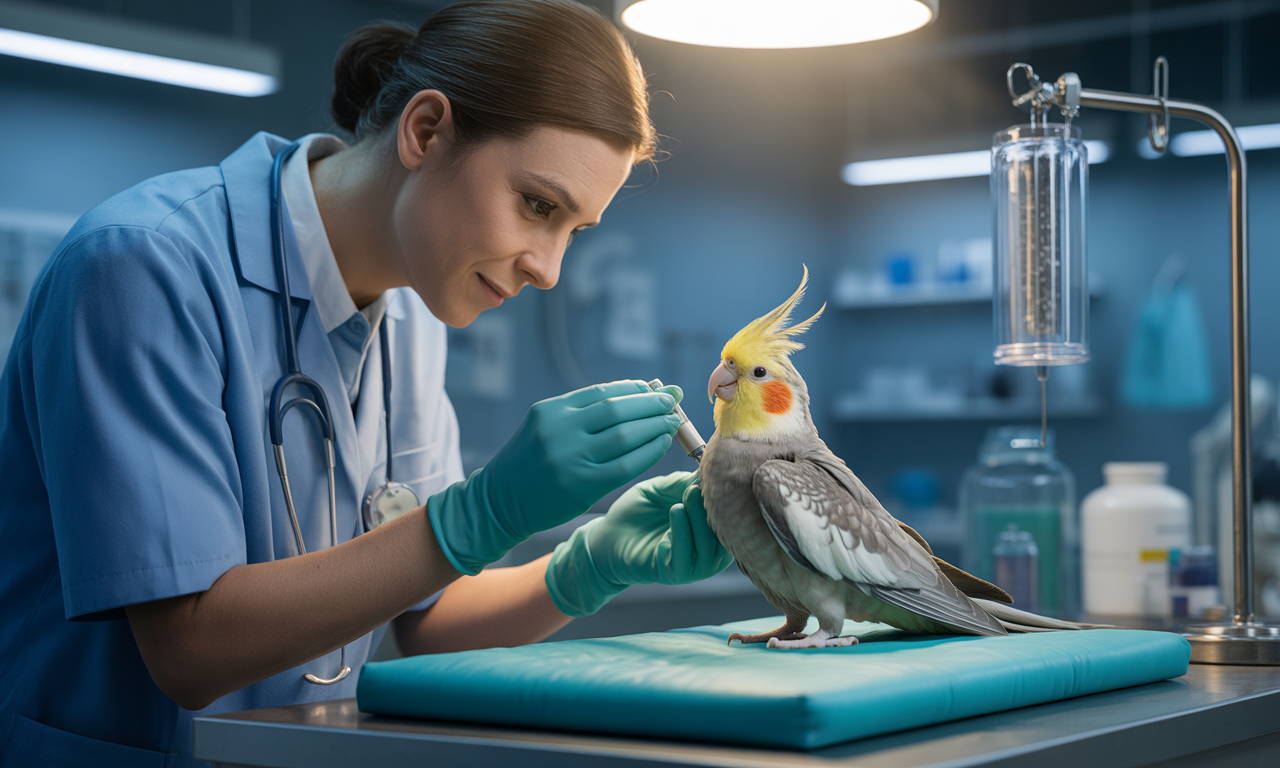
Digestive problems are among the most overlooked bird health emergency signs, yet they can escalate rapidly if not handled promptly. Birds have a sensitive digestive system that depends on balance — too much fat, spoiled food, or dehydration can trigger life-threatening conditions. Because birds hide discomfort so well, owners must learn to detect digestive distress early and take gentle corrective action.
1. Identifying Digestive Distress
Watch for vomiting, regurgitation, swollen crop (the pouch near the throat), refusal to eat, or constant head bobbing. If food or mucus appears around the beak, it’s a sign of possible infection or obstruction. These are not minor issues — they’re serious bird health emergency signs that demand immediate attention.
Abnormal droppings — unusually dark, watery, or foul-smelling — can also signal internal problems. Chronic diarrhea often points to infections or poor diet, while undigested seeds in droppings may indicate pancreatic or intestinal malfunction.
2. Common Causes of Digestive & Crop Issues
Digestive issues can arise from spoiled or contaminated food, sudden diet changes, bacterial infection, or swallowing foreign objects. Overfeeding rich seeds or oily nuts may cause liver stress. Similarly, birds fed only one type of food lack essential nutrients, weakening their digestive resilience. Crop stasis — when food stops moving through the digestive tract — is one of the most dangerous bird health emergency signs and needs urgent veterinary care.
3. Immediate First Aid Measures
If you observe vomiting, a distended crop, or refusal to eat, here’s what to do immediately:
- Remove all food and treats until the cause is known.
- Provide clean, lukewarm water to keep the bird hydrated.
- Keep your bird warm and quiet, as stress worsens digestion.
- Do not attempt to massage or press the crop — this can cause aspiration or internal damage.
- Contact your avian vet immediately for a crop flush or diagnostic check.
Avoid giving oily foods, milk, or human medication. Many birds worsen when home remedies are used incorrectly.
4. Preventing Digestive Crises
Feed your bird a balanced diet of pellets, greens, and limited seeds. Always check expiry dates and avoid damp storage areas. Wash feeding bowls daily to prevent bacterial buildup. Introduce new foods gradually to avoid shock to the digestive system.
Consistent observation and early detection of bird health emergency signs such as vomiting, regurgitation, or unusual droppings can make all the difference between discomfort and danger. By acting quickly and responsibly, you give your bird the best chance to heal naturally and thrive again.
🪽 Broken Wings, Legs, or Tail Feathers
Injuries to wings, legs, or feathers are among the most visually distressing bird health emergency signs for any bird owner. Birds depend on mobility and balance to feel safe, so even minor fractures can trigger fear, pain, and shock. Quick, gentle intervention can make all the difference between recovery and permanent damage.
1. Recognizing Fractures and Dislocations
The first clue to injury is often behavioral — your bird may stop flying, limp, or refuse to perch. Visible swelling, dangling wings, or unusual postures are critical bird health emergency signs indicating fracture or joint dislocation. You might also notice trembling, loss of balance, or the bird holding one wing lower than the other.
In some cases, bleeding feathers accompany the injury, requiring both wound care and stabilization. Birds in pain may become unusually silent or aggressive — a clear sign of distress.
2. Common Causes of Bone or Feather Injuries
Accidents can happen in seconds — a startled flight into a window, rough handling, or an unsafe play area can lead to fractures or damaged feathers. Tail feather breaks are especially common in birds with cramped cages or inadequate space for stretching. These situations not only cause physical pain but also emotional stress, which can further worsen recovery. Recognizing such triggers as bird health emergency signs helps you prevent recurrence.
3. Immediate First Aid for Broken Wings or Legs

If you suspect a fracture:
- Handle with extreme care. Use a soft towel to restrain your bird gently.
- Do not attempt to realign bones. Incorrect pressure can cause permanent damage.
- Immobilize the injured area by keeping the bird in a small, padded box or carrier.
- Control bleeding with sterile gauze or styptic powder if needed.
- Keep the bird warm and quiet, minimizing stress until you reach a vet.
A veterinarian will perform X-rays and apply proper splints or bandages. Avoid giving painkillers or ointments unless prescribed, as many human medications are toxic to birds.
4. Post-Injury Recovery and Care
Once stabilized, ensure your bird rests in a small, dimly lit area for several days. Avoid flight training or loud environments during healing. Offer soft food, hydration, and frequent comfort through gentle talk. Observation remains key — if your bird becomes lethargic, stops eating, or reopens the wound, these are renewed bird health emergency signs needing medical attention.
Learning how to identify fractures, stabilize injuries, and maintain calm under pressure can transform you into your bird’s first responder — turning panic into purposeful care when bird health emergency signs appear.
☀️❄️ Heat Stroke & Cold Shock
Among the most underestimated bird health emergency signs are those triggered by extreme temperature changes. Birds are highly sensitive to their environment — a few degrees too hot or too cold can push them into shock within minutes. Whether it’s a parakeet near a sunny window or a cockatiel exposed to an air conditioner’s chill, temperature stress demands immediate, informed action.
1. Recognizing Heat Stroke in Birds
During hot weather, excessive heat causes dehydration and oxygen deprivation, leading to potentially fatal hyperthermia. The most critical bird health emergency signs of heat stroke include rapid breathing, open-mouth panting, drooping wings, excessive spreading of feathers, and unsteady balance. Some birds may appear dazed or collapse suddenly.
Their droppings might become watery, and they may stop eating or drinking. If your bird’s body feels unusually warm to touch, act at once — every minute matters.
2. First Aid for Heat Stroke
- Move the bird immediately to a cool, shaded, and well-ventilated area.
- Misty spray the feathers lightly with room-temperature (not cold) water.
- Offer hydration — provide fresh, cool water but do not force it.
- Avoid ice baths or fans directly pointed at your bird; extreme cooling can trigger shock.
- Monitor breathing and energy levels while preparing for veterinary consultation.
Quick recognition and a gentle response can reverse most heat-related crises before lasting harm occurs.
3. Recognizing Cold Shock in Birds
Cold exposure is equally dangerous. Birds suffering from hypothermia may puff up their feathers, shiver, or become unusually silent. Sitting motionless with closed eyes or tucked feet are significant bird health emergency signs of cold shock. In extreme cases, their feet and beak may feel cold to touch, and their heartbeat slows noticeably.
4. First Aid for Cold Shock
- Move your bird to a warm, draft-free area immediately.
- Wrap it gently in a soft towel to help retain heat.
- Gradually increase temperature using a heating pad under half of the cage — never apply direct heat.
- Hydrate with lukewarm water once your bird is stable and alert.
- Contact your avian vet if breathing remains shallow or the bird seems unresponsive.
5. Prevention and Environmental Balance
Maintaining optimal temperature (between 24°C–28°C for most species) is crucial. Avoid placing cages near direct sunlight, windows, air conditioners, or fans. Always observe your bird for subtle bird health emergency signs such as open-mouth breathing or excessive fluffing during seasonal changes.
When it comes to heat or cold, balance is everything. By mastering the warning cues and first-aid responses, you can protect your feathered friend from preventable suffering — ensuring that comfort and safety always remain in harmony.
🩺 Bird Health Emergency? Signs of Trouble & First Aid Every Owner Must Know
Understanding Bird Health Emergencies
Birds rarely show pain or weakness until illness becomes severe, which makes early detection essential. Many owners overlook subtle cues that signal distress. Recognizing bird health emergency signs can mean the difference between life and death.
In the wild, birds hide their weakness to survive, but in captivity, this instinct delays medical attention. What seems like a “quiet day” could actually be an early warning of respiratory distress, poisoning, or internal injury.
Common emergencies include breathing difficulties, bleeding, sudden lethargy, and crop or digestive blockages. These issues escalate quickly due to birds’ rapid metabolism. Observing daily habits—how your bird eats, sings, and perches—helps identify changes that demand action.
Once bird health emergency signs are noticed, stabilize your bird by reducing stress, maintaining warmth, and contacting an avian veterinarian immediately. Preparation and awareness form the foundation of effective care.
Early Warning Signs Every Owner Should Notice
A healthy bird is active and vocal; any sudden quietness or stillness can indicate distress. Subtle bird health emergency signs often appear through:
- Physical symptoms: fluffed feathers, drooping wings, nasal discharge, watery or discolored droppings, or balance loss.
- Behavioral changes: isolation, aggression, sleepiness, or refusal to eat.
- Grooming habits: if your bird stops preening or seems disinterested in its surroundings, something may be wrong.
Keep a simple diary noting daily feeding, droppings, and activity. This makes spotting early bird health emergency signs much easier and ensures you act promptly when health declines.
Respiratory & Breathing Problems
Breathing distress is one of the most critical bird health emergency signs. Labored breathing, open-mouth panting, or tail bobbing indicate oxygen deprivation. Causes include infection, smoke, air fresheners, or non-stick cookware fumes.
First aid response:
- Move your bird to clean air immediately.
- Eliminate smoke or irritants.
- Keep the bird warm, still, and quiet.
- Avoid unnecessary handling.
- Seek an avian vet without delay.
Prevention is simple: maintain clean air, avoid aerosols, and monitor subtle breathing changes daily.
Bleeding, Injury & Shock Response
Bleeding is among the most alarming bird health emergency signs. Birds can lose life-threatening blood volumes quickly. Check for bleeding feathers, cracked beaks, or wounded nails.
Emergency steps:
- Wrap your bird gently in a towel.
- Apply light pressure with sterile gauze.
- Use cornstarch or styptic powder for nail or feather injuries.
- Keep the bird quiet and warm.
If bleeding persists or the bird appears weak or cold, contact your vet immediately. Signs like rapid breathing or pale feet often indicate shock—another critical emergency requiring urgent care.
Digestive & Crop-Related Emergencies
Digestive distress shows up through vomiting, regurgitation, or a swollen crop. These are severe bird health emergency signs often caused by infection, spoiled food, or swallowed objects.
Immediate care:
- Remove food.
- Offer fresh, lukewarm water.
- Keep your bird warm and still.
- Do not massage the crop or force-feed.
Prevent these emergencies by maintaining clean bowls, a balanced diet, and gradual food changes. Early action ensures faster recovery and prevents dehydration or organ stress.
Broken Wings, Legs, or Tail Feathers
Injuries to wings or legs are devastating for birds. Watch for limping, drooping wings, or difficulty perching — these are serious bird health emergency signs.
First aid:
- Handle with care using a towel.
- Immobilize in a small, padded carrier.
- Do not realign bones or apply ointment.
- Contact your vet for professional splinting.
After treatment, keep the environment quiet and dim, offering hydration and rest. Reappearance of pain or appetite loss indicates the need for follow-up care.
Heat Stroke & Cold Shock
Temperature extremes are silent killers. Overheating causes panting, drooped wings, and collapse, while cold exposure results in shivering or silence—both urgent bird health emergency signs.
Heat stroke aid: move the bird to shade, mist feathers lightly, and offer cool water.
Cold shock aid: wrap in a soft towel, warm gradually, and hydrate with lukewarm water once alert.
Prevent issues by keeping cages away from direct sunlight, windows, and air conditioners. A balanced environment ensures safety year-round.
Seizures, Poisoning & Toxic Exposure
Seizures and poisoning rank among the most life-threatening bird health emergency signs. Sudden convulsions, loss of balance, vomiting, or drooling often follow toxin exposure.
Common sources: Teflon fumes, chocolate, caffeine, cleaning sprays, and scented candles.
First aid:
- Move to fresh air.
- Remove all toxins.
- Keep still, quiet, and warm.
- Contact your vet with exposure details.
Prevention starts with awareness—keep hazardous items far from your bird’s reach and never use aerosol products near them.
Building the Perfect Bird First Aid Kit
Preparedness transforms panic into calm action. A proper first aid kit should include:
- Sterile gauze and tweezers
- Styptic powder or cornstarch
- Saline solution
- Syringe for hydration
- Digital thermometer
- Towels and vet contact list
Check items regularly and replace expired supplies. Knowing the bird health emergency signs ensures you reach for the right tool when seconds matter.
When to Call the Vet vs. Home Care
Always call your avian vet if:
- Bleeding doesn’t stop
- Your bird collapses, vomits, or breathes with difficulty
- Seizures, poisoning, or paralysis occur
Minor scratches or stress may be managed at home with observation, but hesitation during true emergencies can be fatal. Trust your intuition — most bird health emergency signs escalate quickly.
Preventing Future Emergencies
Routine care is the best prevention.
- Feed a balanced, clean diet.
- Keep cages hygienic and toxin-free.
- Maintain consistent temperatures.
- Conduct weekly health checks.
- Ensure safe play areas and supervised exercise.
Being proactive and observant of bird health emergency signs promotes long-term wellness and confidence in your bird’s care routine.
FAQ
What are the most common bird health emergency signs?
Labored breathing, bleeding, vomiting, and lethargy are top indicators.
How can I perform bird first aid at home?
Stop bleeding with cornstarch, keep your bird warm, and contact a vet immediately.
Which household items are toxic?
Teflon, avocado, chocolate, aerosols, and scented candles are dangerous.
How do I recognize shock?
Cold feet, pale beak, and shallow breathing signal shock.
Conclusion
Recognizing bird health emergency signs early allows you to save your bird from avoidable suffering. Quick response, a ready first aid kit, and calm confidence turn fear into protection.Every chirp, flap, and breath of your bird is precious. Build your emergency preparedness kit today, observe your bird daily, and act decisively.
💬 Share this guide with other bird lovers — together we can protect every feathered friend that brings joy to our lives.
💡Looking for something different? Check out our latest post here: https://birdsheavencare.com/natural-bird-detox/