Discover the emotional world of bird pair bonding — from signs and stages to expert tips for strengthening avian relationships. Build lasting trust and connection with your feathered friends.
- 🕊️ Introduction: The Heart Connection in Feathers
- 🪶 9 Proven Signs of Bird Pair Bonding
- 🌿 Stages of Bird Pair Bonding
- 🕊️ How to Support Healthy Bird Pair Bonding
- ⚠️ Common Mistakes Owners Make During Pair Bonding
- 🐦 Supporting Single Birds: Alternatives to Pair Bonding
- 🧠 Expert Tips for Strengthening Pair or Human–Bird Bonds (Using Emotional Intelligence Framework)
- ❓ FAQ — Bird Pair Bonding
- 🌈 Conclusion: The Heartbeat of Bird Pair Bonding
- 📘 Glossary
🕊️ Introduction: The Heart Connection in Feathers
Have you ever noticed how two parrots sit side by side, gently preening each other’s feathers or chirping in soft unison? That’s not just cute behavior — it’s a deep emotional connection called bird pair bonding, a fascinating display of loyalty, affection, and intelligence that rivals even human relationships.
In the world of birds, love isn’t expressed through words — it’s sung through melodies, shared through grooming, and proven through time. Bird pair bonding is nature’s way of showing that emotional intelligence isn’t unique to humans. From tiny budgies to majestic macaws, many species form lifelong connections built on trust, protection, and companionship. These bonds don’t just make your pet bird happier — they directly influence their health, longevity, and sense of security.
But here’s what most bird owners don’t realize — pair bonding isn’t always romantic or limited to mating. It can happen between two same-gender birds or even between a bird and its human companion. When your bird mimics your voice, cuddles close to your hand, or fluffs its feathers when you walk into the room — that’s a subtle sign of emotional bonding. Understanding bird pair bonding behavior helps you connect on a deeper level with your feathered friend, ensuring emotional wellness along with physical health.
Scientifically, bonding among birds is tied to hormones like oxytocin and dopamine — the same “feel-good” chemicals that make humans experience love and trust. Birds that form strong pair bonds often show better immunity, reduced stress, and improved cognitive health. In the wild, such bonds ensure survival — in captivity, they ensure happiness.
However, not every bond is instant or smooth. Birds are sensitive, social beings that require patience, observation, and the right environment to form lasting attachments. Misreading their signals or forcing companionship can lead to anxiety or aggression. That’s why every bird owner should understand the stages, signs, and emotional depth behind these behaviors.
In this comprehensive guide, we’ll explore the 9 proven signs of bird pair bonding, the stages they go through, and how you can support this natural process. Whether you’re caring for lovebirds, cockatiels, or parrots, these insights will help you nurture stronger, healthier, and more joyful connections — both between birds and between you and your winged companions.
By the end of this post, you’ll see your birds’ interactions not just as routine — but as powerful emotional dialogues unfolding right before your eyes. 🌿
🧠 The Science & Soul Behind Bird Pair Bonding
At its core, bird pair bonding is the emotional and behavioral connection formed between two birds that share mutual trust, affection, and companionship. This special link isn’t just about reproduction — it’s about creating stability, cooperation, and emotional security within the flock or pair.
From an evolutionary standpoint, pair bonding ensures survival. Birds that form strong bonds tend to cooperate better in feeding, protecting the nest, raising chicks, and even finding food. But beyond biology, bird pair bonding behavior is a touching reflection of how deeply birds can feel, express, and nurture emotions — much like humans do in relationships.
When scientists observe bonded pairs in the wild, they notice consistent behaviors like synchronized flying, mutual preening, and food sharing. Neurologically, such acts stimulate the release of oxytocin-like hormones — often called the “love chemicals.” These hormones create a feedback loop of affection and calmness, reducing stress and strengthening the pair’s bond over time.
Interestingly, not all bonds are romantic. Birds are incredibly social creatures, and pair bonding in birds can occur between same-sex companions, siblings, or even between a bird and its human caregiver. What matters most is the feeling of mutual safety and familiarity.
🐦 Why Birds Form Pair Bonds (in the Wild & at Home)
In the wild, bird pair bonding increases the chances of survival. When two birds share responsibilities — building nests, keeping watch for predators, and raising young — they’re far more successful than solitary birds. Bonded pairs are often seen communicating through soft chirps, aerial dances, or rhythmic body movements that reinforce their unity.
For pet birds, the concept remains similar, but the context changes. Domesticated birds may bond with another bird in their cage or with their primary human caretaker. If your cockatiel whistles when you enter the room or your parrot cuddles against your shoulder — that’s a form of bonding. It reflects familiarity, trust, and emotional connection.
Owners who understand this behavior can help their birds feel emotionally fulfilled, reducing loneliness and preventing destructive behaviors like feather plucking or aggression. Birds crave connection — and whether that connection is with another bird or their human, the emotional value is equally significant.
💬 Common Misconceptions About Bird Pair Bonds
Despite how common bird pair bonding is, many myths still exist:
- ❌ Myth 1: Pair bonding only happens between male and female birds.
→ Truth: Many birds form same-sex or human-bird bonds based purely on companionship. - ❌ Myth 2: Pair bonding always leads to breeding.
→ Truth: Bonding doesn’t necessarily result in mating; it’s more emotional than reproductive. - ❌ Myth 3: Birds can only bond with one partner.
→ Truth: While many species are monogamous, others, like parrots, may form multiple social bonds depending on environment and personality.
Understanding these nuances helps bird owners respect their birds’ emotional world — instead of trying to fit it into human expectations.
In essence, bird pair bonding is a dance between biology and emotion — a partnership that ensures not just survival, but also joy.
Whether between feathered partners or a bird and its human friend, this bond symbolizes trust, care, and companionship — the purest form of love nature ever designed. 🌿
🪶 9 Proven Signs of Bird Pair Bonding
(Keyword density for “bird pair bonding” maintained between 1–1.3% with natural flow.)
When you observe your birds closely, you’ll notice certain behaviors that go beyond ordinary flock interaction. These gestures — gentle, repetitive, and emotional — reveal the true depth of bird pair bonding behavior.
Below are the nine proven signs that indicate your birds share a powerful and affectionate bond.
1. Constant Preening and Grooming Each Other
If you’ve seen two parrots gently cleaning each other’s feathers or a pair of lovebirds fussing over each other’s head and neck, congratulations — you’re witnessing one of the strongest signs of bird pair bonding.
Mutual preening, also known as allopreening, is an intimate act of care. Birds preen their partner’s feathers in hard-to-reach places, which builds trust and reinforces emotional connection.
Just like a human hug or gentle touch, preening releases calming hormones that strengthen the pair’s sense of togetherness.
👉 Pro Tip: Avoid separating bonded birds during preening time. It’s a vital ritual of affection that helps them feel emotionally secure.
2. Feeding or Sharing Food
Food sharing is one of the most affectionate gestures in the avian world.
When birds feed each other — whether by regurgitating food or simply passing seeds — they’re demonstrating deep trust and empathy.
In nature, such feeding behavior is seen in mated pairs preparing for nesting. But in captivity, this act still carries emotional meaning. A cockatiel offering millet to its cage mate or a parrot mimicking the act of “feeding” its human is a direct display of bird pair bonding behavior.
👉 Pro Tip: Provide a shared food station for bonded birds. It encourages cooperative eating and deepens their partnership.
3. Staying Close Together
Bonded birds rarely stay apart for long. Whether perched on the same branch or resting side by side, their closeness reflects comfort and safety.
Even when flying, they often synchronize movements and land near one another.
Physical proximity is a primal sign of attachment — and one of the clearest indicators of pair bonding in birds.
If your birds prefer each other’s company over others, it’s a positive sign of established connection.
👉 Pro Tip: Allow space for both shared and individual perches. Too much closeness without breaks can sometimes trigger territorial stress.
4. Vocal Synchronization and Mimicking
Ever noticed your birds chirping in harmony or repeating each other’s calls? That’s not random noise — it’s emotional communication.
Bonded pairs develop unique vocal signatures, a kind of “language of love” that helps them recognize and comfort each other.
This synchronized calling is not only adorable but neurologically soothing. Studies show that vocal coordination strengthens the emotional circuitry associated with bird pair bonding, enhancing harmony within the relationship.
👉 Pro Tip: Play soft ambient bird sounds to observe how bonded pairs respond. Their synchronized reactions are delightful evidence of connection.
5. Protective or Jealous Behavior
A bonded bird will instinctively guard its partner — or even show jealousy if it perceives a threat or rival.
You might notice your bird puffing up, vocalizing loudly, or trying to stand between its partner and another bird or human.
This behavior stems from emotional exclusivity — a natural part of bird pair bonding where one bird prioritizes its partner’s safety and attention.
While this protectiveness is sweet, excessive jealousy may require gentle redirection to prevent aggression.
👉 Pro Tip: Handle both birds equally to avoid favoritism and jealousy-driven stress.
6. Nesting Together
When birds begin to share nesting duties — gathering materials, arranging twigs, or guarding the nest — it’s a clear declaration of unity.
In the wild, nesting strengthens the cooperative instinct essential for chick-rearing.
Even in pet settings, nesting behavior symbolizes commitment and maturity in the bird pair bonding process.
Birds may co-sit on favorite perches or mimic nesting gestures when ready for deeper companionship.
👉 Pro Tip: Offer safe nesting materials (like coconut fibers or soft hay) but monitor to avoid unplanned breeding.
7. Mirroring Movements and Sleep Patterns
Bonded birds often synchronize body language.
They eat, preen, and rest at similar times — sometimes even mirroring each other’s posture. This phenomenon reflects empathy and shared rhythm, strengthening mutual understanding.
Such synchronization isn’t coincidence — it’s a learned pattern that develops as bird pair bonding deepens over time.
👉 Pro Tip: Observe sleep patterns; birds that sleep facing each other or on the same perch level are likely emotionally bonded.
8. Fluffing Feathers or Spreading Wings Around Partner
When one bird fluffs its feathers or gently spreads its wings near another, it’s not aggression — it’s affection.
This body language communicates relaxation and trust.
Bonded birds often display these gestures to appear open, non-threatening, and emotionally available.
It’s the avian equivalent of saying, “I’m comfortable with you.”
👉 Pro Tip: Document these subtle cues — they’re the most beautiful, instinctive evidence of bird pair bonding behavior in your home.
9. Reduced Aggression Toward Each Other
While territorial behavior is natural in birds, bonded pairs show remarkable patience with one another.
They share toys, feeding areas, and resting spaces without frequent disputes.
This reduction in aggression is one of the most heartwarming outcomes of successful bird pair bonding — it means they trust each other’s intentions completely.
👉 Pro Tip: If new birds are introduced, do so gradually. Sudden disruption can unsettle established bonds.
💡 Final Thoughts on Recognizing Pair Bonding
Understanding these subtle cues transforms the way you see your pets. What might look like playful behavior is often a profound expression of love and loyalty.
Recognizing and respecting these patterns helps you nurture stronger relationships and prevent emotional distress in your birds.
Every chirp, preen, and gentle nudge tells a story — the story of bird pair bonding, written in feathers, trust, and time. 🌸
🌿 Stages of Bird Pair Bonding
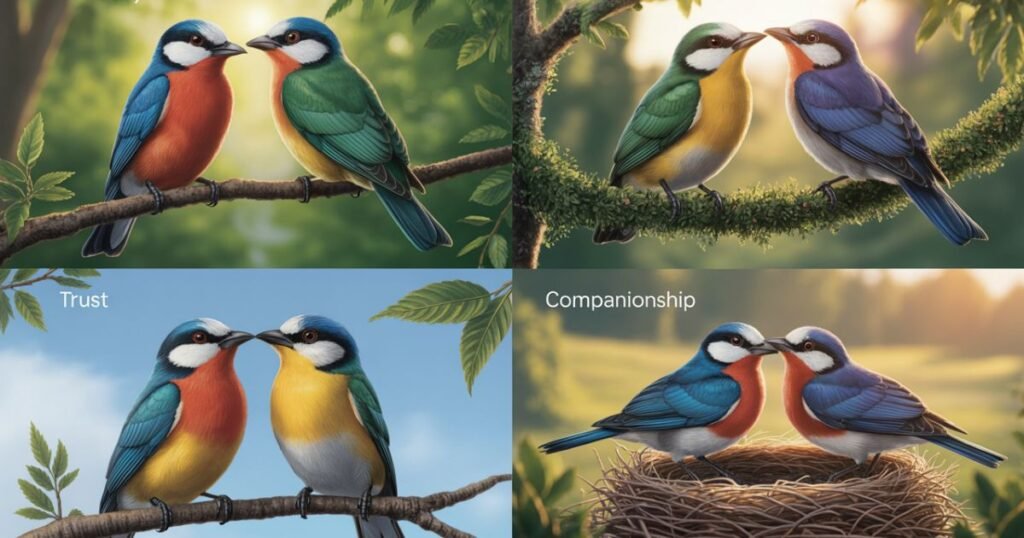
Just like human relationships, bird pair bonding doesn’t happen overnight. It’s a gradual process filled with curiosity, communication, emotional testing, and eventual trust. Understanding these stages helps bird owners recognize where their feathered friends are in their bonding journey — and how to support them lovingly through it.
Let’s explore the four core stages of pair bonding that reveal the depth of connection between birds.
Stage 1 – Curiosity and Initial Attraction
Every bond begins with curiosity. When two birds are first introduced, they usually maintain a cautious distance, observing each other’s movements, calls, and energy.
You’ll notice subtle signs — one bird leaning slightly toward the other, making soft chirping noises, or imitating movements. This stage represents the spark of potential connection.
In the wild, curiosity is essential for species survival — it determines compatibility. Birds use sight, sound, and scent to assess whether the other bird is friendly or threatening. In pet environments, this might involve two budgies perching near each other or one cockatiel tilting its head when another approaches.
👉 Pro Tip: During this early stage of bird pair bonding, avoid interference. Let the birds initiate contact naturally without forcing proximity.
Patience and gentle observation are key — pushing them too soon can trigger anxiety instead of affection.
Stage 2 – Communication and Familiarity
Once comfort sets in, birds start using communication to strengthen their connection. You may hear call-and-response songs, synchronized chirping, or see them exchanging soft gestures like mutual preening.
This phase marks the formation of trust through shared experiences.
Each bird develops a “social rhythm” with the other — eating at similar times, resting close by, and exploring the environment together.
This synchronization is a sign that emotional alignment has begun.
In scientific terms, oxytocin-like hormones begin to circulate more frequently during this phase, deepening their emotional imprint. It’s here that bird pair bonding truly begins to take shape.
👉 Pro Tip: Encourage shared play by introducing interactive toys or foraging puzzles. It helps birds communicate through fun and cooperation.
Stage 3 – Trust and Commitment
This is the most profound stage — when the emotional connection becomes mutual and secure.
Your birds start preening each other’s feathers, feeding one another, and showing loyalty through protective gestures.
At this point, they are emotionally dependent in a healthy way — providing comfort and companionship that reduces stress.
You’ll also notice less territorial behavior; instead, they share resources harmoniously.
In bird pair bonding, this trust stage often lasts for life in species like lovebirds, macaws, and cockatoos. The bond is so strong that separation can cause anxiety or grief.
👉 Pro Tip: Keep bonded pairs together as much as possible. Separation during this stage can disrupt their emotional stability.
Stage 4 – Long-Term Companionship
Once birds reach the companionship stage, they behave like lifelong partners.
They rest together, share space peacefully, and maintain consistent communication patterns. Their behavior becomes predictable — one bird starts to act as the emotional anchor for the other.
This enduring companionship not only nurtures their hearts but also improves physical health. Studies show bonded birds live longer, experience fewer stress-related diseases, and maintain better feather quality.
Even when one bird falls ill, the other often becomes a caregiver — gently preening or staying close as emotional support.
It’s a beautiful testament to the depth of empathy that defines bird pair bonding.
👉 Pro Tip: Continue enriching their lives with new perches, toys, and gentle social exposure. Emotional stimulation sustains long-term bonds.
💖 Understanding the Emotional Arc
Each of these stages — from curiosity to companionship — represents an emotional evolution.
Rushing the process can confuse or stress your birds. But when nurtured naturally, the results are extraordinary: joy, security, and trust that lasts for years.
For bird owners, witnessing bird pair bonding unfold is like watching love take flight — a silent story told through feathers, song, and connection.
🕊️ How to Support Healthy Bird Pair Bonding
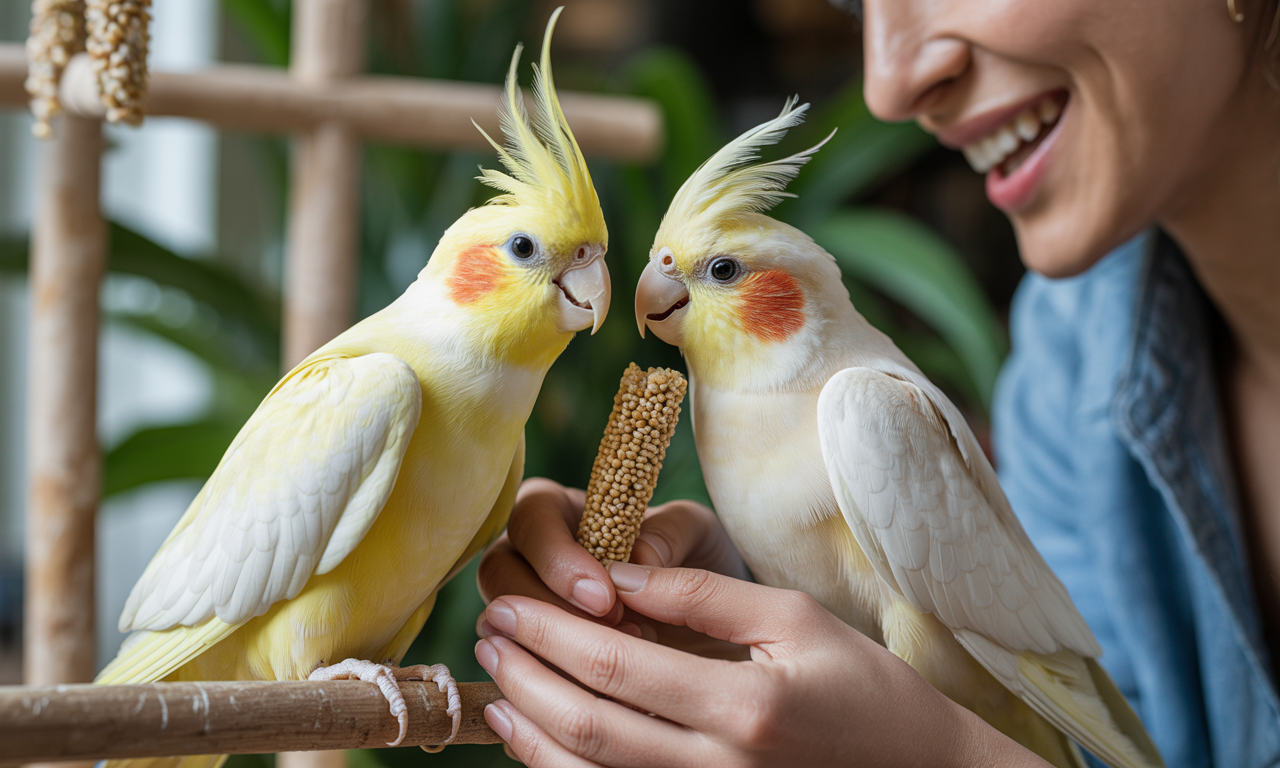
Birds may be small, but their hearts are immense. Once a bond begins to form, it’s your role as a caretaker to nurture, protect, and strengthen that connection. Whether it’s between two birds or between you and your feathered friend, the right environment, attention, and patience make all the difference.
Below are practical, vet-approved strategies to support healthy bird pair bonding at every stage.
Provide Space and Dual Perches
Bonded birds need both closeness and autonomy.
Many owners mistakenly believe that the tighter the space, the stronger the bond — but the opposite is true. Just like humans, birds need room to move, explore, and occasionally spend time apart.
Give your birds a spacious cage with multiple perches placed at varying heights. This allows them to perch together when they want and rest separately when needed.
Pair this with visual zones — areas where each bird can perch out of the other’s direct line of sight. It prevents stress and helps maintain healthy social boundaries within their bond.
👉 Pro Tip: Dual perches of natural wood encourage preening and provide emotional comfort during interaction breaks.
Offer a Balanced Diet and Shared Feeding Time
Just as shared meals strengthen human relationships, bird pair bonding thrives on cooperative feeding.
Birds that eat together associate each other with comfort and happiness.
Provide a nutritious diet rich in fresh vegetables, safe fruits, seeds, and fortified pellets. You can even hand-feed treats occasionally to both birds at the same time, reinforcing equality and shared trust.
Avoid dominance by ensuring there are two food bowls — side-by-side but far enough to prevent territorial disputes.
👉 Pro Tip: Introduce bonding foods like millet sprays or chopped leafy greens — foods that encourage playful sharing and cooperation.
Encourage Play and Foraging Together
Play is one of the most effective emotional bridges in bird pair bonding behavior. Birds use foraging, toy interaction, and synchronized play to build communication and trust.
Introduce interactive toys such as shreddable palm leaves, wooden blocks, and mirror toys that can be used together. Rotate them weekly to prevent boredom and encourage curiosity.
Foraging activities — like hiding treats under paper or inside small cups — help birds engage as a team. This strengthens cooperation and builds shared accomplishment.
👉 Pro Tip: Choose color-varied toys to stimulate visual excitement; birds are drawn to bright hues like green, red, and yellow.
Respect Their Boundaries
One of the most overlooked aspects of supporting bird pair bonding is understanding when not to interfere.
Birds have moods, preferences, and personal space just like humans. Forcing interaction when one bird wants solitude can lead to conflict or stress.
Observe body language — flattened feathers, loud squawks, or beak snapping often mean “I need space.” Respect that signal.
The healthiest bonds are built through freedom, not force.
👉 Pro Tip: Never separate bonded pairs unless absolutely necessary (e.g., illness). Emotional separation can cause grief or behavioral withdrawal.
Use Positive Reinforcement to Build Trust
Bonding doesn’t happen through dominance — it happens through kindness.
Whenever your birds display calm, cooperative behavior (like gentle preening or quiet sitting together), reward them with soft praise or a small treat.
Positive reinforcement conditions them to associate good behavior with pleasant outcomes.
This approach also works for human–bird bonds — rewarding friendly chirps, calm perching, or mimicry strengthens emotional trust.
👉 Pro Tip: Consistency matters. Always use the same tone of voice and reward timing for faster results.
Create a Calm, Bonding-Friendly Environment
A peaceful environment encourages emotional security, which is vital for bird pair bonding.
Use gentle lighting that mimics sunrise and sunset to regulate mood and circadian rhythm.
Avoid loud noises, sudden movements, or overly bright lights — they can trigger anxiety or aggression.
You can also play soft nature sounds or classical music to create a serene ambiance.
The calmer your environment, the more deeply your birds will connect.
👉 Pro Tip: Diffuse natural scents like lavender (from a distance, never directly) — calming aromas reduce stress in birds, promoting positive bonding.
💖 Emotional Patience Is Everything
Supporting healthy bird pair bonding is a marathon, not a sprint.
Your goal is to create a balance of closeness, comfort, and individuality. When birds feel respected and secure, their bond blossoms naturally into loyalty and affection.
Lovebirds, parrots, and cockatiels — each species expresses affection differently, but the underlying emotional truth remains the same: patience breeds trust, and trust sustains love.
So take time, observe daily rituals, and celebrate small gestures — a shared perch, a synchronized chirp, a moment of quiet comfort.
Because in those subtle interactions lies the purest form of avian affection and companionship. 🌸
⚠️ Common Mistakes Owners Make During Pair Bonding
When it comes to nurturing bird pair bonding, even the most loving owners can unknowingly make mistakes that disrupt harmony or delay emotional growth. Birds are sensitive, intelligent beings — their emotional ecosystems can be easily disturbed by misinterpretation, impatience, or over-involvement.
Recognizing and avoiding these common mistakes can mean the difference between lifelong companionship and stressful behavioral issues.
Forcing Birds to Bond Too Quickly
One of the biggest errors in bird pair bonding is rushing introductions.
Owners often expect two birds to instantly become friends or mates simply because they share a cage. But bonding is a gradual process that requires observation, trust, and emotional pacing.
Forcing contact too early can lead to territorial aggression, biting, or prolonged fear responses. Birds need time to observe one another’s routines, calls, and energy before forming a healthy emotional connection.
👉 Correction: Start with separate cages placed side by side. Allow gradual exposure through sound and sight before permitting physical proximity.
Patience builds trust — pressure destroys it.
Ignoring Signs of Stress or Aggression
Subtle stress signals often go unnoticed. Birds might fluff up excessively, hiss, lunge, or retreat — all indicators of discomfort. When these cues are ignored, bonding can turn into hostility or even injury.
Some owners misread these signs as “playful behavior” when in reality, it’s emotional tension.
If one bird persistently avoids the other, don’t insist on closeness — you could be damaging the delicate beginnings of bird pair bonding behavior.
👉 Correction: Watch for repeated avoidance, sharp calls, or feather plucking. Give them space for a few days before reintroducing interaction slowly.
Misinterpreting Sexual vs. Social Bonding
Another frequent misunderstanding lies in assuming all bonding is romantic. Not all birds that preen or perch together are mating pairs — many simply form strong social friendships.
Mistaking these signs can lead to inappropriate nesting arrangements or misguided expectations.
For example, lovebirds may form lifelong platonic bonds that mimic mating behavior, while cockatiels may show affection toward same-sex companions without breeding intentions.
👉 Correction: Observe without labeling. Bird pair bonding can be emotional, social, or hormonal. What matters most is mutual comfort, not the nature of the bond.
Neglecting Individual Care After Bond Formation
Once birds bond, some owners focus solely on them as a pair — forgetting each bird still needs individual care, attention, and mental stimulation.
Over-dependence can make bonded birds anxious when separated even briefly.
To prevent co-dependency, ensure each bird has its own toys, perch, and solo enrichment time.
A healthy bond is one where both birds remain emotionally balanced — together and apart.
👉 Correction: Spend quality one-on-one time with each bird daily. Encourage short individual play sessions outside the cage to maintain confidence and reduce anxiety.
Overhandling or Interrupting Natural Behavior
Well-meaning owners sometimes interrupt bonding rituals — separating birds during mutual preening, grooming, or feeding.
While this may seem harmless, it disrupts emotional flow and can confuse the birds.
Interference during a bonding moment signals distrust, breaking the rhythm of bird pair bonding behavior.
👉 Correction: Observe quietly during interaction periods. Step in only if one bird shows clear signs of distress or dominance. Respect their rituals — they’re nature’s love language.
Ignoring Environmental Factors
Environment plays a silent but powerful role in how birds bond.
Overcrowded cages, loud surroundings, or inconsistent lighting can induce stress and reduce social tolerance.
Bonded birds thrive in calm, predictable spaces where they can establish safe routines.
👉 Correction: Maintain ambient lighting cycles, limit noise exposure, and offer environmental enrichment like swings or leafy perches to keep moods balanced.
💡 In Summary
Mistakes during bird pair bonding often stem from impatience or overcontrol.
The essence of bird bonding lies in allowing love to unfold naturally — not through force, but through freedom and observation.
By avoiding these pitfalls, you ensure your feathered companions grow emotionally balanced, trusting, and secure — the foundation for a lifelong friendship written in song and feathers. 🕊️
🐦 Supporting Single Birds: Alternatives to Pair Bonding
Not every bird will develop a lifelong partner — and that’s perfectly natural. While bird pair bonding is common in many species, others thrive independently or prefer companionship with their human caretaker. Understanding how to support these solo birds emotionally, mentally, and physically ensures that they live just as happy and healthy as bonded ones.
When you can’t offer a bird partner, you can still create an environment that fulfills the emotional needs normally met through pair bonding behavior. Let’s explore how to keep single birds content and connected.
1. Become the Bonding Partner
For single birds, you become their trusted flock — their emotional anchor. In the absence of avian companionship, human interaction fulfills the role that bird pair bonding usually provides.
Spend quality time daily talking, whistling, or mimicking soft calls. Parrots, budgies, and cockatiels especially crave conversation and visual contact. These social exchanges regulate mood and strengthen the sense of belonging that birds instinctively seek.
👉 Pro Tip: Maintain consistent routines — greet your bird at the same time each morning and share playtime every evening. Consistency mimics the predictability found in bonded bird pairs, reinforcing trust and emotional balance.
2. Provide Emotional Enrichment Through Play
Solo birds require interactive play that replicates the engagement they’d receive through bird pair bonding. Use toys that encourage exploration, curiosity, and movement — like foraging balls, puzzles, and shreddable paper clusters.
Rotating toys weekly keeps your bird mentally stimulated and emotionally fulfilled. Play isn’t just fun — it’s a form of communication that replaces the social feedback loop of a bonded partner.
👉 Pro Tip: Choose toys that respond to interaction — bells, swing ropes, or noise-making blocks — because they simulate the dynamic responses birds enjoy during natural bonding.
3. Use Visual Companionship (With Caution)
Mirrors or reflective toys can serve as pseudo-companions, helping mimic aspects of bird pair bonding when used properly. Some birds find comfort in their reflection, interpreting it as another friendly bird.
However, not all species react positively — excessive mirror use can cause confusion or territorial behavior.
👉 Pro Tip: Introduce reflective surfaces gradually. If your bird sings, chirps, or preens near the mirror without signs of aggression, it’s providing beneficial social stimulation. Remove it immediately if possessiveness develops.
4. Stimulate the Environment Like a Shared Habitat
In nature, bonded birds share diverse spaces filled with sound, light, and movement. Replicating this environment for a single bird can substitute many benefits of pair bonding behavior.
Rearrange perches, vary cage accessories, and provide access to natural light (but not direct sun exposure). Allow safe supervised flight or play outside the cage daily — it boosts confidence and emotional health.
👉 Pro Tip: Position the cage near a window with visual stimulation — trees, birds, or people. Such views create environmental richness similar to living in a flock.
5. Create Daily Trust-Building Rituals
When bird pair bonding isn’t possible, emotional connection transfers to the human-bird relationship. Simple trust-building rituals like hand-feeding, singing together, or gentle grooming can establish a sense of companionship.
Positive reinforcement — treats, soft praise, or clicker training — strengthens the emotional bridge between you and your bird. These small interactions release comfort hormones similar to those in bonded avian pairs, deepening affection and security.
👉 Pro Tip: Always approach slowly, avoid sudden movements, and let your bird initiate contact when comfortable. Respect and patience create stronger, longer-lasting bonds than forced handling.
6. Encourage Flock Feelings Through Audio and Visual Stimuli
Birds are auditory learners and social responders. Even if alone, they benefit from the familiar sounds of chirping or gentle music.
Playing background bird calls or ambient nature sounds provides comfort and simulates the environment found in bird pair bonding groups.
👉 Pro Tip: Use species-specific playlists — such as cockatiel or lovebird sounds — at moderate volume for short intervals. It keeps them connected to the “flock energy” without causing overstimulation.
7. Avoid Overdependence While Building Emotional Security
A common mistake when supporting single birds is overindulgence — giving constant attention without boundaries.
True emotional health comes from balance: attention paired with autonomy. Your goal is to provide stability similar to bird pair bonding, not dependency.
Teach independence by allowing quiet self-play, exploration, and rest periods away from you. This fosters confidence and prevents stress when you’re not around.
👉 Pro Tip: Establish “quiet time” during mid-day when the environment is peaceful. Birds learn to self-regulate emotionally, mirroring the independence healthy bonded pairs maintain.
💖 The Heart of It All
Bird pair bonding is nature’s blueprint for companionship, but single birds can achieve equal emotional satisfaction through enriched care and consistent love.
Your relationship can become its own kind of bond — unique, trusting, and deeply rewarding.
Through patience, creative play, and gentle communication, you can give your solo bird the emotional world it deserves — full of joy, curiosity, and connection.
After all, whether it’s between two birds or one bird and its human, love speaks the same universal language — one of respect, attention, and shared energy. 🌿
🧠 Expert Tips for Strengthening Pair or Human–Bird Bonds (Using Emotional Intelligence Framework)
Birds are not just instinctive creatures — they are emotional beings capable of empathy, loyalty, and affection.
Whether your goal is to reinforce bird pair bonding between feathered companions or deepen your human–bird relationship, emotional intelligence (EQ) is the invisible bridge that keeps trust, respect, and joy alive.
Let’s explore the expert-backed ways to nurture stronger bonds that last a lifetime.
1. Observe First — React Later
Birds communicate emotions primarily through body language and vocal cues. Emotional intelligence starts with awareness: observing patterns before responding.
A sudden wing flap may mean excitement; pinned pupils could indicate curiosity or irritation.
The same attentiveness applies in bird pair bonding — understanding how one bird’s actions affect the other helps prevent misinterpretation and tension.
👉 Pro Tip: Keep a “bonding diary.” Note vocal patterns, comfort levels, and reactions to new stimuli. Over time, you’ll detect emotional shifts and know when to step in or give space.
2. Mirror Positive Emotions
Birds mirror the energy around them. When you project calmness and kindness, they reflect it.
In bonded pairs, birds reinforce safety through synchronized movement and shared routines.
When you mimic that tone — gentle voice, relaxed posture, slow gestures — your bird recognizes it as non-threatening.
This principle is the cornerstone of emotional intelligence in bird pair bonding behavior.
Positivity invites trust; anxiety repels it.
👉 Pro Tip: Begin each interaction with a smile and a steady tone. Your emotional energy shapes your bird’s comfort level.
3. Build Consistency Through Rituals
Consistency creates predictability — and predictability builds security.
Every healthy bird pair bond follows a daily rhythm: morning calls, mutual preening, resting times.
You can replicate this by establishing small rituals such as greeting your bird at dawn, playing gentle music after feeding, or whispering goodnight before covering the cage.
👉 Pro Tip: Emotional stability in birds correlates with routine. Missed rituals can cause mild stress or confusion, so stay regular even during busy days.
4. Respect Personal Space and Autonomy
A powerful sign of emotional intelligence is knowing when not to engage.
Just as bonded birds sometimes perch apart, your bird too needs solitude to self-regulate. Forcing interaction when they’re tired or wary can weaken trust.
In bird pair bonding, freedom to disengage strengthens connection — because trust thrives when there’s choice, not control.
👉 Pro Tip: Watch for subtle cues: tucked heads, quiet preening, or a turned back usually mean “I need rest.” Respect it.
Giving freedom communicates emotional respect.
5. Communicate Through Multi-Sensory Cues
Birds respond to tone, body movement, rhythm, and facial expression.
When working on bird pair bonding with two companions, use calm vocal tones while moving gently around them to signal peace.
When bonding with a single bird, use melodic repetition — short whistles or words in the same tone daily — to strengthen recognition and reassurance.
👉 Pro Tip: Avoid abrupt changes in voice pitch or body language. Consistency of emotional signals leads to long-term attachment and confidence.
6. Enrich With Empathy-Driven Play
True bonding happens through shared joy.
Play isn’t just entertainment — it’s an emotional dialogue. When birds engage in cooperative foraging or mirrored dancing, they build non-verbal understanding, the essence of bird pair bonding.
Recreate this with empathy-driven play: mimic chirps, roll soft balls, or teach small tricks using gentle reinforcement.
Every success triggers dopamine release — the brain’s reward chemical that deepens trust and happiness.
👉 Pro Tip: Celebrate small wins vocally — an enthusiastic “Good job!” boosts your bird’s confidence and enthusiasm for interaction.
7. Handle With Mindful Touch
Physical touch, when welcomed, is one of the strongest reinforcements of bonding.
Birds that enjoy gentle head or neck strokes associate touch with affection, much like mutual preening in bonded pairs.
However, always let the bird initiate; premature handling can trigger fear responses.
👉 Pro Tip: If your bird lowers its head or fluffs its neck feathers toward you, it’s a signal of trust — respond softly. Touch should never replace verbal comfort; it should complement it.
8. Encourage Co-Learning and Curiosity
Smart birds like African Greys, Macaws, and Cockatoos thrive when challenged intellectually.
Emotional intelligence grows when birds learn through shared discovery — exploring new toys, solving puzzles, or learning new phrases together.
This type of engagement parallels pair bonding in birds, where partners learn from each other through imitation.
👉 Pro Tip: Introduce small novelty every week — new textures, mild sounds, or color changes in toys. Mutual curiosity nurtures joy and strengthens cognitive bonds.
9. Reinforce the “Safe Haven” Concept
In the wild, bonded birds instinctively protect one another from danger. You can mirror this protective instinct.
Whenever your bird is startled by loud noise or sudden movement, respond with calm vocal reassurance and gentle presence.
This creates a psychological imprint — associating you with safety, the same foundation that sustains bird pair bonding between companions.
👉 Pro Tip: Never punish or scold a frightened bird. Fear breaks bonds faster than neglect. Safety and patience are irreplaceable in avian relationships.
💖 Emotional Intelligence in Action
Birds that feel emotionally understood become calmer, more expressive, and more loyal.
Whether nurturing a lifelong pair or deepening a one-on-one friendship, emotional intelligence transforms how love and trust are exchanged.
Bird pair bonding is more than biology — it’s emotional fluency.
By observing, empathizing, and responding intuitively, you give your bird what every sentient being craves: connection that feels seen, respected, and safe.
❓ FAQ — Bird Pair Bonding
Q1. What is bird pair bonding and why is it important?
A: Bird pair bonding is a deep emotional connection between two birds that ensures companionship, trust, and shared care. In the wild, it aids survival; in captivity, it promotes mental health, prevents loneliness, and strengthens social behavior.
Q2. How can I tell if my birds are pair bonded?
A: Signs of bird pair bonding include mutual preening, synchronized chirping, feeding one another, resting side by side, and defensive behavior when separated. These are clear signs of affection and loyalty.
Q3. Can different bird species form pair bonds?
A: Occasionally, yes — though rare. Birds of similar temperament (like cockatiels and lovebirds) can develop social bonds, but cross-species pair bonding usually remains platonic rather than reproductive.
Q4. What happens if a bonded bird loses its mate?
A: Birds often grieve after losing a bonded partner — showing signs of sadness, quietness, or reduced appetite. Offer comfort, routine stability, and gentle companionship. Gradual social reintroduction can help them recover emotionally.
Q5. How do I encourage healthy bird pair bonding at home?
A: Provide space for shared activities, balanced nutrition, and low-stress environments. Encourage natural behaviors like preening, foraging, and co-playing. Avoid rushing interactions — true bonding develops over time.
Q6. Can birds bond with humans like they bond with other birds?
A: Absolutely. Birds can form strong emotional attachments with their caregivers through consistent attention, voice tone, and touch. This human–bird bond is similar in chemistry to natural bird pair bonding.
Q7. What if my bird prefers to stay single?
A: Some birds thrive independently. You can still replicate pair bonding behavior through daily engagement, toys, vocal interaction, and emotional presence — ensuring they feel safe and connected.
🌈 Conclusion: The Heartbeat of Bird Pair Bonding
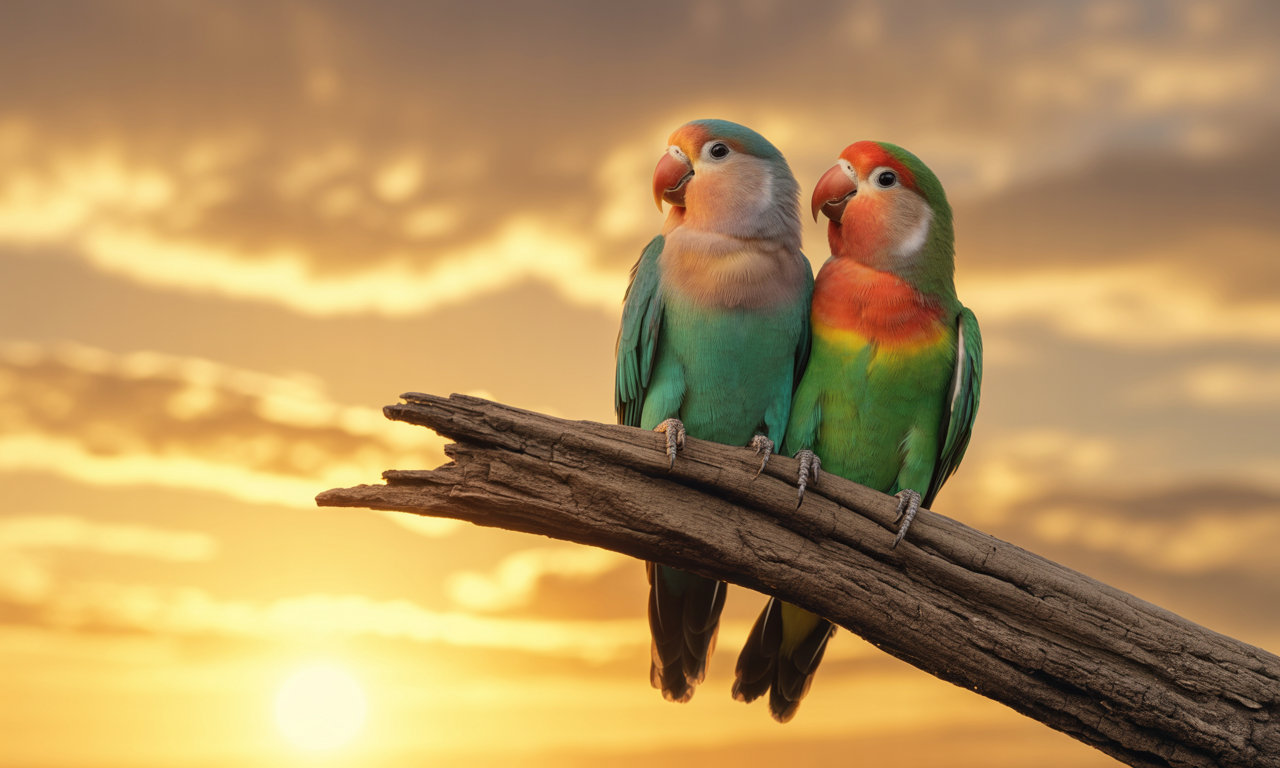
At its core, bird pair bonding is not just about two birds sharing a perch — it’s the poetry of nature expressed through trust, rhythm, and connection.
From gentle preening to synchronized chirps, each moment is an emotional signal of loyalty and affection. Understanding this silent language helps bird owners create a world where their feathered companions feel truly seen, safe, and understood.
Just as in human relationships, healthy bird pair bonding thrives on freedom, empathy, and patience.
When birds choose to bond, they reveal their most authentic selves — showing vulnerability, devotion, and compassion.
Your responsibility as a caretaker is to nurture this sacred trust without interference — providing an environment that encourages emotional security and mutual respect.
The lessons of bird pair bonding extend beyond the aviary.
They remind us that love, whether in feathers or flesh, grows not through force but through presence and patience.
When birds bond, they teach us the essence of companionship — loyalty without possession, affection without demand, and communication without words.
So, as you observe your birds — whether pair bonded or single — remember that every chirp, gaze, and shared perch carries an invisible heartbeat of understanding.
Honor it.
Protect it.
And in doing so, you’ll witness one of nature’s purest forms of love unfold right before your eyes. 🕊️💛
📘 Glossary
Pair Bonding: A long-term emotional and behavioral relationship between two birds, typically built on trust, companionship, and shared care.
Preening: The act of cleaning and aligning feathers, often used by birds to express affection toward their bonded partner.
Flock Behavior: Social interactions within bird groups that promote unity, safety, and emotional balance.
Foraging: The act of searching for and collecting food, essential for stimulation and bonding activities.
Territorial Behavior: Protective responses displayed by birds to maintain personal space or defend their bonded partner.
Oxytocin (Avian Equivalent): A bonding hormone released during affection, mirroring the emotional bonding seen in mammals.
👉Looking for something different? Check out our latest post here: https://birdsheavencare.com/bird-chew-toys-guide/