Discover the real differences between budget vs premium bird cages. Compare safety, durability, and cost to find the best cage for your feathered friend.
- Introduction
- 🏗️ Understanding the Basics: What Defines a Bird Cage’s Value?
- ⚖️ Budget vs Premium Bird Cages: Core Comparison Chart
- 🛠️ Section 3 – 5 Smart Budget vs Premium Bird Cages You Should Compare
- 🪶 Are Premium Bird Cages Worth It? The Real-World Insights
- 💰 Finding the Best Value for Money — Not Just the Lowest Price
- 🕊️ Which Bird Cage Should You Buy — Budget or Premium?
- ❓ FAQ Section
- 💬 Conclusion
Introduction
Have you ever found yourself scrolling through endless listings of bird cages—wondering whether you should go for an affordable one or invest in a premium model? You’re not alone. Every bird parent faces the same dilemma: should I buy a budget or premium bird cage that truly ensures safety, comfort, and value for money?
The market for bird enclosures has grown tremendously, with brands offering everything from simple, functional cages to luxury stainless-steel aviaries that cost more than the birds themselves. But here’s the truth — a high price tag doesn’t always mean high quality, and a cheaper option isn’t always a compromise. That’s where understanding the real difference between budget vs premium bird cages becomes essential.
In this guide, we’ll decode exactly what separates a $70 starter cage from a $700 high-end model. We’ll explore materials, craftsmanship, safety standards, long-term durability, and even hidden maintenance costs that most buyers overlook. You’ll also get real insights from bird owners who have tried both sides of the price spectrum.
By the end of this post, you’ll have a clear answer to one of the most common pet-owner questions: Which one should I really get—a budget cage that fits my wallet or a premium one that promises lifelong peace of mind? Let’s find out which budget vs premium bird cages truly deliver both comfort and value.
🏗️ Understanding the Basics: What Defines a Bird Cage’s Value?

Before diving into price comparisons, it’s important to understand what actually gives a bird cage its value. In hundreds of real budget vs premium bird cages reviews, bird owners repeatedly mention that material, safety, craftsmanship, and design—not just cost—determine whether a cage is worth the investment.
A bird cage isn’t just an enclosure—it’s your pet’s home. It shapes their safety, comfort, and even personality. A poorly built cage can lead to injuries, bent bars, or chipped beaks, while a high-quality one can promote confidence and better behavior. The key difference between budget vs premium bird cages often lies in the subtle details: thicker bars, smoother finishes, and ergonomic door placements that make daily care easier.
🕊️ Quick Comparison: What Makes a Bird Cage “Budget” or “Premium”
| Feature | Budget Bird Cage | Premium Bird Cage |
| Material | Powder-coated metal, light alloys | Stainless steel, reinforced aluminum |
| Durability | 1–3 years average lifespan | 8–15 years or more |
| Maintenance | Needs frequent cleaning | Stain-resistant and easy to sanitize |
| Comfort | Basic structure, limited perches | Spacious with ergonomic design |
| Price Range | $50–$150 | $300–$1000+ |
💡 Expert Insight
Most budget cages are designed for beginners or small species, offering affordability and accessibility. On the other hand, premium cages prioritize longevity, hygiene, and safety, making them ideal for owners planning long-term bird care or housing multiple species.
The smartest buyers look beyond the price tag—they compare budget vs premium bird cages by purpose, species type, and daily use convenience. Sometimes, a mid-range model provides the perfect balance between quality and cost.
⚖️ Budget vs Premium Bird Cages: Core Comparison Chart
Choosing between budget vs premium bird cages isn’t just about the price—it’s about balancing practicality, safety, and comfort. Whether you’re a first-time bird owner or an experienced enthusiast, the right decision depends on understanding how each type performs in real-world use.
The biggest difference usually shows up in how these cages age over time. Budget models offer accessibility and simplicity but often require more maintenance, while premium options focus on endurance, hygiene, and aesthetics that last a decade or more.
📊 Feature Comparison Table
| Feature | Budget Bird Cage | Premium Bird Cage | Verdict |
| Material & Build Quality | Made of thin steel or coated wire; may rust over time | Stainless steel or anodized aluminum with anti-rust coating | ✅ Premium wins for long-term reliability |
| Safety Standards | Basic locks; sometimes sharp edges or paint chips | Secure locks, smooth welds, non-toxic coatings | ✅ Premium ensures higher safety & hygiene |
| Ease of Cleaning | Removable trays, but narrow door openings | Wide doors, detachable panels, dishwasher-safe trays | ✅ Premium offers faster daily cleaning |
| Comfort & Space | Adequate for small species; limited perch areas | Spacious with multiple perches and play zones | ✅ Premium enhances bird comfort and exercise |
| Aesthetic Appeal | Functional but minimal designs | Modern, decorative finishes suitable for living spaces | 👌 Depends on owner preference |
| Longevity | Average life: 1–3 years | Average life: 8–15 years | ✅ Premium offers better ROI |
| Price Point | $50–$150 | $300–$1000+ | 💸 Budget fits new owners, Premium for long-term planners |
🧠 Deep Dive: How Each Performs in Real Life
Budget Bird Cages are ideal for smaller birds like budgies, finches, and lovebirds, or for temporary use such as travel or quarantine setups. However, bird owners often report issues like chipped paint or difficult cleaning over time.
Premium Bird Cages, meanwhile, are designed for long-term use. They offer smoother finishes, thicker bars, and rust resistance that keeps your feathered friend safe and comfortable for years. They also tend to hold resale value—a point mentioned in many experienced bird owner reviews comparing budget vs premium bird cages.
💡 Pro Tip:
If you’re on a tight budget but want premium-like durability, look for hybrid models made of powder-coated iron with stainless-steel feeding doors. They often deliver the best of both worlds—affordability and strength.
🛠️ Section 3 – 5 Smart Budget vs Premium Bird Cages You Should Compare
When comparing budget vs premium bird cages, real-value comes from matching features to your bird’s needs and your living space—not just the price tag. Below are five solid cage options, ranging from affordable to high-end, each with pros and cons to help you decide wisely.
🔎 Featured Cage Comparisons
| # | Model & Category | Key Specs | Why It’s Worth Considering | Price Tier |
| 1 – VISCOO 46″ Budget Flight Cage | Budget | Approx 24 x 12 x 46 in, slide-out tray, small bird bar spacing. (Agri Care Hub) | Excellent entry option for budgies/parakeets; covers basic safety & flight space. Reflects “budget bird cage best value”. | Budget |
| 2 – Prevue Hendryx Wrought Iron Flight Cage | Lower-mid budget | 31″W x 20.5″D x 53″H, double front doors, bottom tray & feeder cups. (Talis Us) | Solid build for new owners; good value for small-to-medium birds. | Budget |
| 3 – Yaheetech 64″ Wrought Steel Bird Cage with Stand | Mid / Premium crossover | Large size, powder-coated steel, rolling stand, multiple access. (wildharvester.com) | Bridges budget and premium; good if you have space and want more durability. | Mid/Premium |
| 4 – Prevue Pet Products Large Stainless Steel Bird Cage | Premium | Stainless steel build, play-top, easy cleaning, suits medium/large birds. (aluxurylifestyle.com) | True premium build—rust-resistant, long-lasting, higher cost but strong ROI. | Premium |
| 5 – Kings Cages European Style Parrot Cage | High-End Premium | Large format, high-quality materials, designed for large parrots and aviary setups. (herebird.com) | Ideal for dedicated bird parents or multi-bird homes; high price but excellent quality. | Premium |
🧠 How to Use the Table
- Identify your bird species first: smaller birds (budgies, finches) can often make do with budget or lower-mid cages; medium/large parrots typically demand premium builds.
- Check dimensions & bar spacing: Most budget cages are sufficient for smaller birds, but premium cages often offer more vertical space and stronger material, reflecting the concept of cheap vs high end bird cage comparison.
- Factor long-term use & durability: A premium cage often costs more initially but may last many years, aligning with the idea of premium bird cage benefits.
- Consider your budget vs premium bird cages decision: If you’re starting out or have limited space, budget might suffice; if you’re committed and want a long-term solution, premium may pay off.
📝 Real-Owner Insight
One bird parent shared how switching from a simple budget cage to a premium model completely changed their bird’s behaviour: more active, less feather-plucking, and fewer escapes. This story highlights that investing in higher-quality housing can have visible benefits.
💡 Pro Tip
Before purchasing, list your must-haves (size, cleaning ease, material) and weigh them against cost. As numerous guides on budget vs premium bird cages show, sometimes a mid-range cage may offer nearly all the premium benefits for a lower cost. You don’t always need the top tier—just the right match.
🪶 Are Premium Bird Cages Worth It? The Real-World Insights
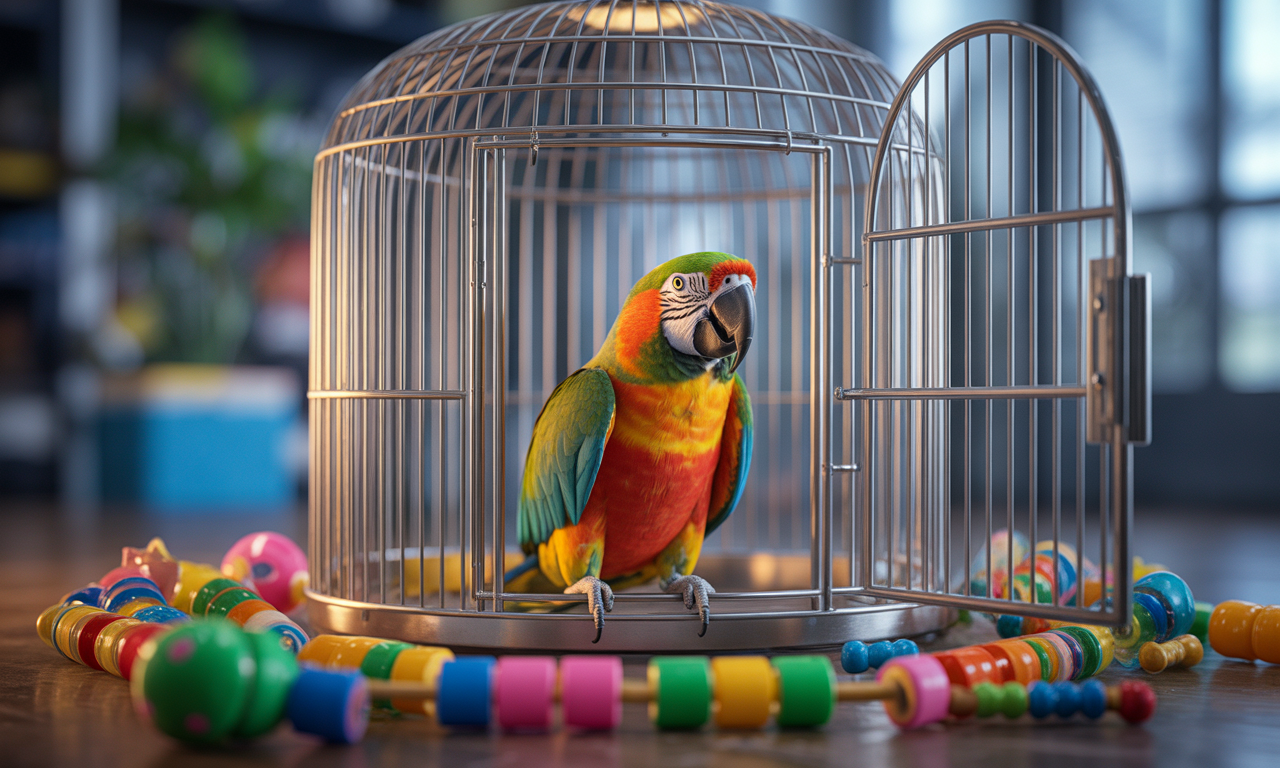
When you compare budget vs premium bird cages, the first question that naturally arises is—are premium cages really worth paying several times more for? The answer, according to seasoned bird owners, depends on how you define value.
Many long-time caregivers believe that premium cages aren’t just products—they’re investments in safety and peace of mind. They note fewer vet visits, smoother cleaning routines, and happier, healthier birds over time. In dozens of real-world comparisons, owners who upgraded from budget to premium said they noticed behavioral changes within weeks. Birds became more relaxed, playful, and even more vocal—a sign of trust and comfort.
Premium bird cages are typically built from stainless steel or high-quality aluminum that resists rust and flaking. These materials protect against zinc poisoning or chipped paint—issues often cited in reviews of lower-priced cages. They also feature smoother welds, rounded edges, and sturdier locks that prevent escapes and accidental injuries.
Meanwhile, budget bird cages vs premium bird cages debates often center around long-term maintenance. Budget options may look appealing at checkout, but rust, odor retention, and frequent replacements can quickly add up. What seems like a low-cost choice today may end up costing more within two to three years.
🧠 Real Owner Story
Maria, a parrot enthusiast from Florida, once swore by affordable cages. But after her African grey developed minor respiratory irritation from flaking paint, she decided to switch to a stainless-steel model. “It felt expensive,” she recalls, “but now cleaning takes minutes, and Rio hasn’t had a single issue since.” Her story is echoed in countless budget vs premium bird cages discussions—real proof that quality saves more than just money; it safeguards health.
💡 Expert Insight
Avian veterinarians often recommend choosing cages made of non-toxic, powder-coated metal or stainless steel, especially for species that chew frequently. While the upfront investment might sting, the longevity, hygiene, and stress-free maintenance of a premium cage justify the cost for many bird owners.
⚖️ Quick Reality Check: Pros & Cons
| Category | Premium Bird Cage | Budget Bird Cage |
| Durability | Lasts 10 + years with minimal wear | May need replacement every 2–3 years |
| Safety | Non-toxic, strong locks, escape-proof | Paint may chip; less secure |
| Ease of Use | Effortless cleaning, wide access doors | Narrow openings, time-consuming upkeep |
| Resale Value | Retains value | Low resale potential |
| Best For | Dedicated, long-term bird parents | New or casual owners |
💬 Verdict
Premium cages are ideal for committed bird parents or those owning medium-to-large species. For smaller birds or short-term setups, a well-chosen budget model can still perform beautifully—provided you prioritize safety and cleaning frequency.
The golden rule? Buy once, buy smart. Don’t pay for luxury—pay for lasting quality that keeps your bird safe, comfortable, and stress-free.
💰 Finding the Best Value for Money — Not Just the Lowest Price
When shopping for budget vs premium bird cages, it’s easy to assume that the cheaper option saves money. But in bird care, value goes beyond the price tag. True value measures how long a cage lasts, how safe it keeps your bird, and how much time and effort it saves you every day.
Many experienced owners stress that the “best deal” isn’t always the lowest figure at checkout. Over five years, a low-cost cage may require multiple repairs, frequent deep cleans, or even early replacement. On the other hand, a high-end model, while expensive upfront, often pays for itself through durability and minimal maintenance.
That’s why budget vs premium bird cages should be seen through the lens of Return on Investment (ROI)—not just sticker price.
📊 5-Year Cost-of-Ownership Comparison
| Factor | Budget Cage | Premium Cage | 5-Year Verdict |
| Initial Cost | $80 – $150 | $400 – $900 | Premium costs × 5–6 upfront |
| Maintenance & Repairs | Paint retouching, rust treatment, tray replacement ($30 – $60/yr) | Minimal upkeep ($10 – $20/yr) | Premium cheaper long-term |
| Replacement Cycle | 2 – 3 years | 8 – 15 years | Premium wins lifespan |
| Health & Vet Risk | Paint flakes, stress, injuries ($100 – $200 potential vet cost) | Low to none | Premium saves vet bills |
| Overall 5-Year Cost | ~$500 – $650 | ~$450 – $600 | Nearly identical—but premium safer |
📈 Result: The budget vs premium bird cages cost difference nearly vanishes when viewed long-term. Premium models provide better value because they combine longevity with fewer hidden expenses.
🧠 How to Evaluate “Best Value” Before You Buy
- Calculate Cost per Year: Divide total price by expected lifespan.
- Check Build Warranty: Premium brands often include 5- to 10-year warranties.
- Assess Hygiene Time: Saving 15 minutes per cleaning = 75 hours a year!
- Measure Bird Behavior: Happier, calmer birds mean fewer vet and stress issues.
💡 Pro Tip:
If your budget is limited, aim for hybrid models — powder-coated steel frames with stainless-steel feeding doors or trays. These deliver near-premium durability at mid-range prices and appear in many “best value” budget vs premium bird cages comparisons.
🕊️ Real-Owner Insight
Liam, a cockatiel owner, tracked his expenses over five years. His $120 budget cage needed repainting twice and was replaced after three years. His next $600 premium cage has lasted five years without a single issue. His takeaway: “I spent the same overall—but my bird’s happier, and I clean less.”
🕊️ Which Bird Cage Should You Buy — Budget or Premium?

Choosing between budget vs premium bird cages can feel like walking a tightrope between affordability and responsibility.
Both types serve distinct audiences—and understanding your bird’s personality, habits, and environment is the key to making the right decision.
The goal isn’t to buy the most expensive cage—it’s to buy the right one that balances comfort, safety, and value for both you and your feathered friend.
🧩 Quick Self-Assessment Checklist
Answer these honestly to identify which option suits you best:
| Question | If You Answer “Yes” → Choose | Reasoning |
| Are you a first-time bird parent with a small species (budgie, finch, lovebird)? | Budget Cage | Affordable entry point; fits limited space. |
| Do you own a medium-to-large parrot or multiple birds? | Premium Cage | Requires larger, sturdier enclosure. |
| Is your home humid or coastal (rust-prone environment)? | Premium Cage | Stainless steel resists corrosion. |
| Do you plan to upgrade within 2 years? | Budget Cage | Short-term practical choice. |
| Do you want your cage to last 10 + years? | Premium Cage | Long-term ROI and safety justify cost. |
| Are you tight on cleaning time or space? | Premium Cage | Easier maintenance and mobility features. |
💬 Scenario-Based Recommendation
Scenario 1 – The Beginner Caregiver
If you’re new to bird parenting and testing compatibility, start with a high-value budget cage. Pick models like the Prevue Hendryx Flight or Yaheetech Stand Cage—safe, spacious, and wallet-friendly. Once you’re confident, upgrade when your bird outgrows it.
Scenario 2 – The Long-Term Companion Keeper
For serious owners with parrots, cockatoos, or macaws, premium cages are a non-negotiable investment. They prevent injuries, reduce stress, and provide lasting comfort.
Scenario 3 – The Multi-Bird Household
Hybrid setups—using one premium main cage and one secondary budget play cage—can offer flexibility. It allows rotation for cleaning, quarantine, or travel without disrupting your birds’ routine.
🧠 Pro Tip:
Always inspect bar spacing and lock quality before purchase—regardless of price. A sturdy latch can save your bird’s life. Even the most elegant cage is unsafe if the spacing or welding is wrong.
🏆 Summary Decision Matrix
| Criteria | Budget Cage | Premium Cage |
| Price Range | $80 – $200 | $400 – $1000 + |
| Ideal For | New owners, small birds | Experienced keepers, large birds |
| Durability | 2 – 4 years | 10 – 15 years |
| Maintenance | Frequent cleaning | Minimal effort |
| Health Safety | Basic | Superior |
| Overall Verdict | Best short-term or backup | Best lifetime investment |
🌿 Emotional Takeaway
In the debate on budget vs premium bird cages, the real difference isn’t price—it’s peace of mind. Your bird’s home should echo trust, safety, and joy.
If you can stretch your budget, invest once and invest right.
If you can’t yet, start modestly but choose wisely—because love and responsibility always matter more than luxury.
❓ FAQ Section
Q1. What’s the main difference between budget vs premium bird cages?
The biggest difference between budget vs premium bird cages lies in materials, durability, and long-term safety. Budget cages often use powder-coated metal and basic locks, while premium cages use stainless steel, superior welding, and safer finishes designed for longevity.
Q2. Are budget bird cages safe for parrots or cockatiels?
Yes—but only if you select one made from non-toxic coatings and proper bar spacing. Always inspect for sharp edges and ensure adequate room for movement. For larger species, premium cages are strongly recommended for better safety and comfort.
Q3. How often should I replace a budget bird cage?
On average, budget cages last 2–4 years before rust or paint chipping occurs. In humid climates, replacement may be required sooner. Premium cages can last 10+ years with minimal upkeep.
Q4. Are premium bird cages worth the investment?
Absolutely. Although premium cages cost more upfront, they save money in the long run by reducing vet visits, replacement frequency, and cleaning time. They also promote healthier behavior and emotional stability in birds.
Q5. How do I know which cage size fits my bird best?
The general rule: your bird’s wingspan × 2 for the cage width. Add vertical height for climbing species like conures or cockatiels. Most premium cages list species recommendations, making it easier to select the right fit.
Q6. Can I find mid-range options between budget vs premium bird cages?
Yes. Hybrid models—powder-coated steel frames with stainless-steel trays—offer great value. They combine affordability with much of the premium durability and hygiene features.
Q7. What accessories should I prioritize after buying a cage?
Start with:
- Perches of different textures and widths
- Non-toxic toys
- Spill-proof feeders
- Sandpaper sheets for nail control
- Bird-safe disinfectants
These elevate even a budget cage to near-premium comfort standards.
💬 Conclusion
After weighing all the pros, cons, and costs, it’s clear: the budget vs premium bird cages debate isn’t about money—it’s about commitment.
A premium cage gives your feathered friend years of comfort, safety, and freedom. But even if you start with a budget-friendly choice, smart maintenance and quality accessories can bridge much of the gap.🪶 Final Tip: Don’t buy with your wallet—buy with your heart and your bird’s well-being in mind.
💡Looking for something different? Check out our latest post here: https://birdsheavencare.com/bird-owner-product-reviews/