
Discover smart climate control for birds using safe gadgets that protect pet birds from heat and cold stress all year round.
- Introduction
- Why Climate Control Matters for Birds
- Signs Your Bird Is Suffering From Heat or Cold Stress
- Smart Climate Control vs Traditional Methods
- Gadget #1 – Digital Temperature & Humidity Monitor
- Gadget #2 – Smart Ceramic Bird Heater
- Gadget #3 – Smart Cooling Fan (Bird-Safe)
- Gadget #4 – Thermostat-Controlled Smart Plug
- Gadget #5 – Smart Humidifier / Humidity Controller
- Gadget #6 – Smart Cage Cover (Thermal Insulation)
- Gadget #7 – Smart Air Quality & Climate Sensor
- How to Use Climate Control Gadgets Safely
- Common Climate Control Mistakes Bird Owners Make
- Frequently Asked Questions (FAQ)
- Conclusion: Comfort Today Means Health Tomorrow
Introduction
Climate control for birds is no longer a luxury—it has become a necessity in today’s world of extreme heatwaves, sudden cold snaps, and unpredictable weather patterns. If you’ve ever noticed your bird panting during summer or fluffing its feathers and staying unusually quiet in winter, those are warning signs that temperature stress may already be affecting its health.
Unlike humans, birds cannot regulate body temperature efficiently. Even small changes in heat, cold, or humidity can lead to serious problems such as dehydration, respiratory issues, weakened immunity, or sudden stress-related illness. Indoor birds are especially vulnerable because cages often trap heat in summer and lose warmth quickly during cold nights.
This is where smart technology changes the game. Modern gadgets designed specifically for climate control for birds allow you to monitor temperature, manage humidity, and maintain a stable, bird-safe environment without constant guesswork. These tools don’t just improve comfort—they actively protect your bird’s physical and emotional well-being throughout the year.
By the end of this post, you’ll discover 7 smart climate control gadgets that help birds stay safe, calm, and healthy—whether battling intense heat or harsh winter cold.
Why Climate Control Matters for Birds
The Problem: Birds Are Extremely Sensitive to Temperature Changes
Birds are far more vulnerable to temperature fluctuations than most pet owners realize. Unlike mammals, birds lack sweat glands and have limited ability to regulate body heat. Even a small rise or drop in temperature can place stress on their bodies. Heat stress can cause dehydration and breathing difficulty, while cold exposure may lead to shock, lowered immunity, or respiratory illness.
Sudden seasonal changes, night-time temperature drops, and poorly ventilated rooms make indoor birds especially at risk. Without proper climate control for birds, these hidden dangers often go unnoticed until symptoms appear.
The Explanation: How Temperature and Humidity Affect Bird Health
A bird’s comfort depends not only on temperature but also on humidity and airflow. High heat combined with poor ventilation can quickly lead to overheating, while cold, dry air can irritate the respiratory system. Stable environmental conditions help birds maintain normal body functions, conserve energy, and stay calm.
Consistent climate control for birds supports healthy breathing, stable metabolism, and emotional balance. It also reduces stress, which is a major trigger for illness and behavioral problems.
The Solution: Creating a Stable Indoor Environment
Providing a controlled indoor climate protects birds from extreme weather and sudden changes. Smart tools that regulate temperature, humidity, and airflow help maintain a safe range throughout the day and night. Effective climate control for birds removes guesswork and ensures comfort even when outdoor conditions become harsh.
Pro Tip: Stability Is More Important Than Perfection
Birds adapt well to stable conditions but struggle with frequent fluctuations. Instead of chasing exact temperatures, focus on keeping the environment consistent. Avoid placing cages near windows, air conditioners, or heaters, and use climate control tools to maintain balance year-round.
Signs Your Bird Is Suffering From Heat or Cold Stress
The Problem: Birds Hide Discomfort Until It Becomes Serious
Birds instinctively mask weakness to avoid appearing vulnerable. As a result, temperature-related stress often goes unnoticed until it reaches a critical stage. By the time obvious symptoms appear, the bird may already be struggling internally.
Without proper climate control for birds, heat and cold stress can silently damage health long before owners realize something is wrong.
The Explanation: How Temperature Stress Shows Up in Daily Behavior
When birds are exposed to uncomfortable temperatures, their bodies react quickly. Heat stress forces the bird to work harder to cool down, while cold stress pushes the body to conserve warmth. These responses show up through changes in posture, breathing, and behavior.
Common warning signs include:
- Panting or rapid breathing
- Holding wings slightly away from the body
- Lethargy and reduced movement
- Loss of appetite or excessive drinking
- Fluffed feathers and shivering in cold conditions
- Increased irritability or unusual silence
These symptoms often indicate that environmental conditions are outside a safe range.
The Solution: Early Detection and Immediate Adjustment
Recognizing these signs early allows you to correct the environment before serious harm occurs. Adjusting room temperature, improving airflow, or activating smart devices designed for climate control for birds can quickly relieve stress and restore comfort.
Birds respond rapidly once conditions stabilize, often regaining normal behavior within a short time.
Pro Tip: Watch Patterns, Not Just Moments
Occasional behavior changes may not signal danger, but repeated signs at certain times of day—such as afternoons in summer or late nights in winter—are strong indicators of temperature stress. Monitoring patterns helps you fine-tune climate control and prevent recurring issues.
Smart Climate Control vs Traditional Methods
The Problem: Traditional Methods Rely on Guesswork
Many bird owners still depend on basic methods such as cage covers, room heaters, ceiling fans, or seasonal adjustments to manage temperature. While these methods may offer temporary relief, they often rely on guesswork rather than accurate data. A room may feel comfortable to humans but still be too hot, too cold, or too dry for birds.
Without precise monitoring, traditional methods can accidentally expose birds to unsafe conditions. This is where climate control for birds often falls short when handled manually.
The Explanation: Why Smart Climate Control Is More Reliable
Smart climate tools are designed to monitor and regulate the environment in real time. Devices such as digital temperature and humidity sensors, smart plugs, and automated heaters provide accurate readings and respond instantly to changes. Instead of reacting after your bird shows signs of stress, smart systems allow you to prevent problems before they begin.
Modern climate control for birds focuses on consistency, accuracy, and safety—something traditional tools simply cannot guarantee.
The Solution: Combining Technology With Care
Using smart gadgets does not replace attentive bird care; it enhances it. Smart devices support better decision-making by showing exact temperature and humidity levels at cage height, not just room level. This allows bird owners to adjust conditions confidently and maintain a stable environment throughout the day and night.
By upgrading to smart climate control for birds, owners reduce risk, improve comfort, and gain peace of mind—especially during extreme weather.
Quick Comparison: Traditional vs Smart Climate Control
| Feature | Traditional Methods | Smart Climate Control |
| Accuracy | Low | High |
| Real-time monitoring | No | Yes |
| Automation | No | Yes |
| Safety | Moderate | High |
| Stress prevention | Limited | Strong |
Pro Tip: Use Smart Tools as Early Warning Systems
Even if you still rely on traditional methods, adding at least one smart monitoring device can act as an early warning system. Alerts and real-time data help you respond before temperature stress affects your bird.
Gadget #1 – Digital Temperature & Humidity Monitor
The Problem: Guessing the Environment Puts Birds at Risk
Many bird owners rely on how the room feels to judge comfort. Unfortunately, birds experience temperature and humidity very differently than humans. A room that feels pleasant to you may be dangerously warm, cold, or dry at cage level. This guesswork is one of the most common reasons heat or cold stress goes unnoticed.
Without accurate readings, effective climate control for birds becomes almost impossible.
The Explanation: Why Monitoring Temperature and Humidity Matters
Birds are sensitive not only to temperature but also to humidity. High heat with low humidity increases dehydration risk, while cold, dry air can irritate the respiratory system. A digital temperature and humidity monitor provides real-time data, showing exactly what your bird is experiencing throughout the day and night.
These devices continuously track environmental changes and remove uncertainty. Accurate monitoring is the foundation of safe and effective climate control for birds.
The Solution: Real-Time Awareness and Early Intervention
Installing a digital monitor near the cage allows you to respond before conditions become harmful. Sudden temperature drops at night or heat buildup during the afternoon are immediately visible. This enables timely use of heaters, fans, or humidifiers to restore balance.
As a core tool in climate control for birds, a digital monitor helps prevent stress, supports respiratory health, and improves overall comfort.
Pro Tip: Placement Makes All the Difference
Always place the monitor at the same height as your bird’s perch—not near windows, ceilings, or vents. This ensures readings reflect the actual conditions your bird experiences and helps you make accurate adjustments.
Gadget #2 – Smart Ceramic Bird Heater
The Problem: Cold Nights and Winter Drafts
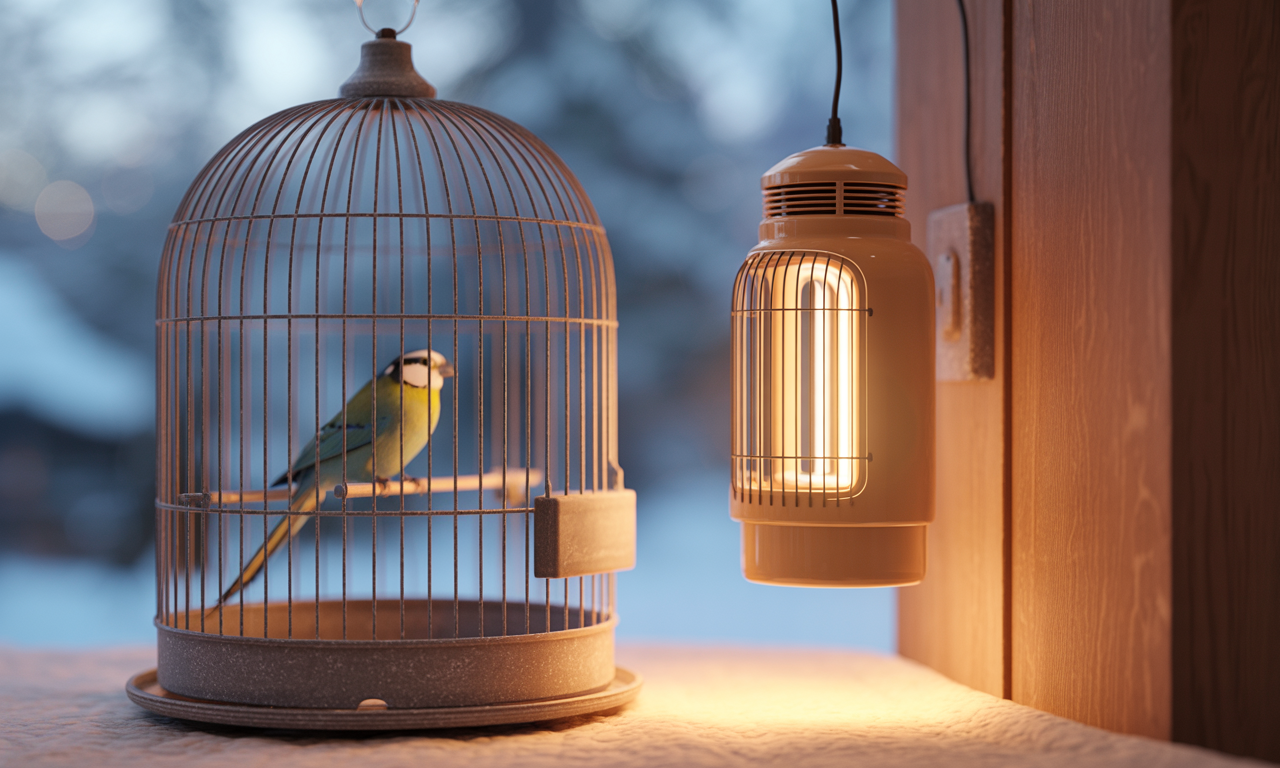
During winter or in air-conditioned rooms, temperatures can drop sharply at night. Birds lose body heat quickly, especially smaller species or sick and elderly birds. Standard room heaters are often unsafe, while blankets or cage covers alone may not provide enough warmth.
Without proper support, cold exposure can weaken immunity and trigger respiratory illness. This is where smart heating becomes a key part of climate control for birds.
The Explanation: Why Ceramic Heaters Are Bird-Safe
A smart ceramic bird heater produces gentle radiant heat without emitting light, fumes, or exposed heating elements. Unlike heat lamps, ceramic heaters do not disturb sleep cycles and do not dry the air excessively. Smart models work with thermostats or automatic shut-off features, preventing overheating.
These heaters are specifically designed to maintain a stable micro-climate around the cage, making them ideal tools for climate control for birds during cold seasons.
The Solution: Consistent Warmth Without Risk
When placed correctly, a ceramic bird heater maintains comfortable warmth throughout the night without direct contact. It supports energy conservation, helps birds sleep better, and reduces cold-related stress. Used alongside a temperature monitor, it creates a reliable winter setup.
As part of a complete climate control for birds strategy, ceramic heaters offer safety, consistency, and peace of mind.
Pro Tip: Pair With a Thermostat
Always use a thermostat-controlled or smart-plug-enabled heater. This ensures the heater activates only when temperatures fall below a safe range, preventing overheating and unnecessary power use.
Gadget #3 – Smart Cooling Fan (Bird-Safe)
The Problem: Summer Heat Builds Up Fast
During hot months, indoor temperatures can rise quickly—especially in rooms with limited airflow. Birds are highly sensitive to heat and can overheat much faster than humans. Ceiling fans or air conditioners may cool the room unevenly, while direct airflow can actually stress or dehydrate birds.
Without proper airflow management, climate control for birds becomes incomplete during summer.
The Explanation: Why Bird-Safe Cooling Fans Are Different
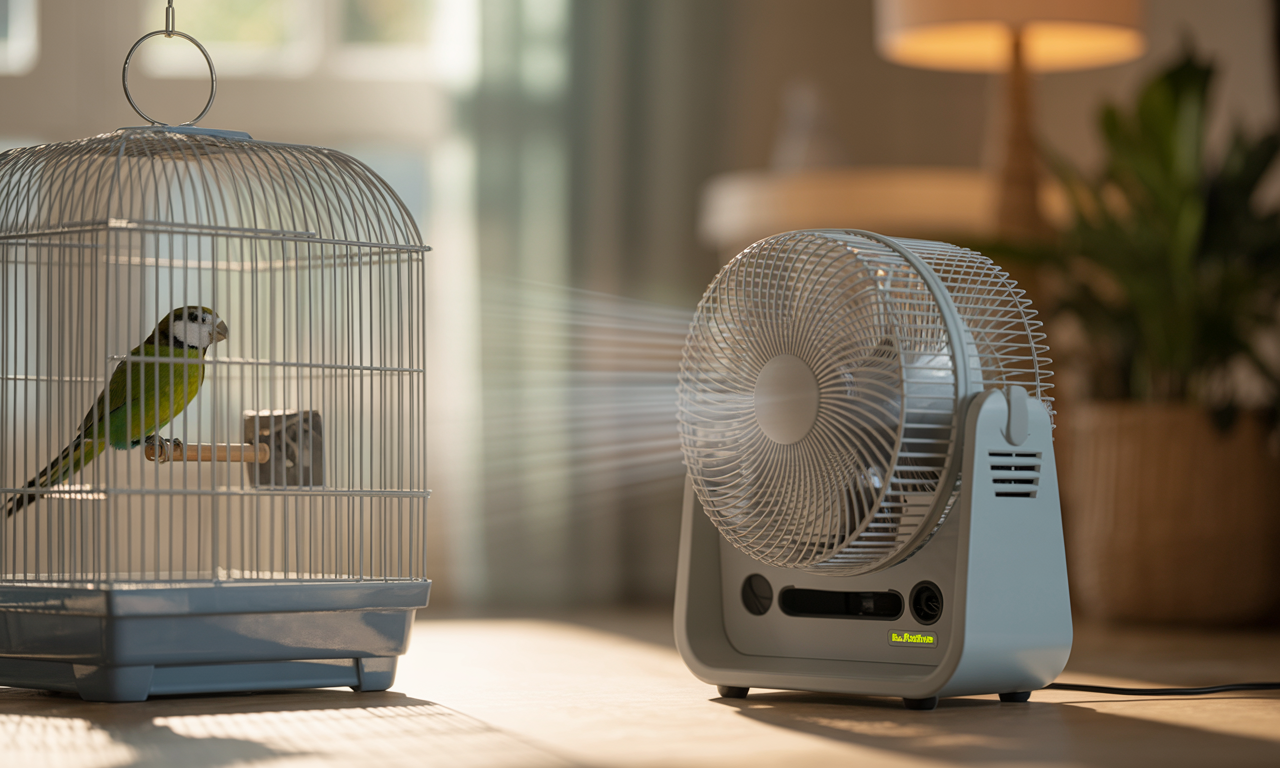
Smart cooling fans designed for birds focus on circulation rather than direct blowing. These fans improve air movement, reduce heat buildup, and help maintain consistent temperature without creating harsh drafts. Smart models allow speed control, timers, and integration with temperature sensors.
By gently moving warm air away from the cage, these devices support safe climate control for birds without causing respiratory stress.
The Solution: Cooler Air Without Direct Exposure
Positioned correctly, a smart cooling fan lowers surrounding heat while keeping airflow indirect. This helps birds regulate body temperature naturally and reduces signs of heat stress such as panting or wing spreading. Combined with humidity control, cooling fans play a vital role in summer setups.
As part of a balanced climate control for birds system, bird-safe fans enhance comfort while minimizing risk.
Pro Tip: Never Point Fans at the Cage
Always aim fans toward walls or open space near the cage, not directly at your bird. Indirect airflow provides cooling benefits without chilling or dehydration.
Gadget #4 – Thermostat-Controlled Smart Plug
The Problem: Manual Switching Leads to Temperature Swings
Many bird owners turn heaters or fans on and off manually. This often leads to sudden temperature changes—especially during sleep hours, busy workdays, or unexpected weather shifts. These fluctuations can stress birds even if the average room temperature seems acceptable.
Without automation, maintaining steady climate control for birds becomes difficult and unreliable.
The Explanation: How Smart Plugs Improve Temperature Stability
A thermostat-controlled smart plug works by turning connected devices on or off based on real-time temperature readings. When paired with heaters, fans, or humidifiers, the plug automatically maintains a safe range without constant supervision.
These plugs eliminate guesswork and human error, making them powerful tools for consistent climate control for birds—especially when owners are away from home.
The Solution: Hands-Free Climate Management
By automating heating and cooling devices, smart plugs ensure birds remain comfortable throughout the day and night. Sudden cold snaps or heat spikes are addressed instantly, preventing stress before it begins. This level of control is especially helpful for households with unpredictable schedules.
As part of a smart climate control for birds setup, thermostat-controlled plugs add reliability, safety, and peace of mind.
Pro Tip: Use With Certified Bird-Safe Devices
Always connect smart plugs only to bird-safe heaters, fans, or humidifiers. Avoid high-wattage human appliances that may overheat or pose electrical risks near cages.
Gadget #5 – Smart Humidifier / Humidity Controller
The Problem: Ignoring Humidity Can Harm Birds
Many bird owners focus only on temperature, overlooking humidity levels. Dry air during winter heating or excessively damp air during monsoon seasons can seriously affect a bird’s respiratory system, skin, and feather quality. Low humidity may cause dry nostrils and breathing discomfort, while high humidity can encourage mold and bacterial growth.
Without humidity regulation, even well-managed climate control for birds remains incomplete.
The Explanation: Why Humidity Balance Matters
Birds naturally thrive in environments with stable moisture levels that support healthy breathing and feather condition. A smart humidifier or humidity controller continuously monitors air moisture and adjusts output automatically. Smart models prevent over-humidification while ensuring air does not become too dry.
By maintaining optimal humidity, these devices strengthen respiratory comfort and complement temperature-based climate control for birds.
The Solution: Consistent Moisture for Respiratory Comfort
Using a smart humidifier creates a balanced indoor environment that supports breathing and overall comfort. Birds exposed to proper humidity levels are less likely to develop respiratory irritation or stress-related behaviors. When paired with temperature sensors, humidity controllers complete a holistic climate system.
As part of an integrated climate control for birds setup, smart humidity management promotes long-term health and stability.
Pro Tip: Keep Humidifiers Clean
Clean and refill humidifiers regularly to prevent bacterial or mold buildup. Always use clean water and follow manufacturer maintenance guidelines to keep the environment safe.
Gadget #6 – Smart Cage Cover (Thermal Insulation)
The Problem: Night-Time Heat Loss and Sudden Cold Drafts
Even when daytime temperatures are comfortable, nights can become dangerously cold for birds—especially in winter or air-conditioned homes. Heat escapes quickly after sunset, and drafts from windows or doors can cause sudden temperature drops. These changes often go unnoticed while birds sleep, increasing the risk of cold stress.
Without proper insulation, effective climate control for birds breaks down during the most vulnerable hours.
The Explanation: How Smart Cage Covers Work
Smart cage covers are designed with insulated yet breathable materials that help retain warmth while allowing proper airflow. Unlike ordinary cloth covers, smart versions regulate heat more evenly and prevent moisture buildup. Some advanced models are designed to work alongside heaters or sensors to maintain a stable micro-environment around the cage.
By reducing overnight heat loss, these covers support consistent climate control for birds without relying solely on electrical devices.
The Solution: Stable Comfort Throughout the Night
Using a smart cage cover helps maintain a steady temperature while birds rest. This promotes deeper sleep, reduces stress, and prevents sudden chills. When combined with a ceramic heater or temperature monitor, cage covers become a powerful layer of protection during cold seasons.
As part of a complete climate control for birds strategy, smart cage covers add safety, comfort, and energy efficiency.
Pro Tip: Use Only at Night
Always remove cage covers during the day to allow natural light and ventilation. Night-time use provides insulation benefits without restricting daytime airflow or activity.
Gadget #7 – Smart Air Quality & Climate Sensor
The Problem: Invisible Environmental Threats Go Undetected
Temperature and humidity are not the only factors affecting bird health. Poor air quality caused by dust, fumes, smoke, cooking gases, or cleaning chemicals can silently harm birds long before visible symptoms appear. Birds have extremely sensitive respiratory systems, making them vulnerable to even minor air pollutants.
Without real-time monitoring, these hidden risks undermine effective climate control for birds.
The Explanation: How Smart Air Quality Sensors Protect Birds
Smart air quality and climate sensors continuously monitor temperature, humidity, and airborne pollutants such as VOCs (volatile organic compounds). Advanced models send alerts to your phone when conditions move outside safe ranges, allowing immediate action.
By combining multiple environmental readings into one system, these sensors provide a complete picture of your bird’s surroundings. This makes them one of the most advanced tools available for comprehensive climate control for birds.
The Solution: Complete Environmental Awareness
Installing a smart air quality sensor near the bird cage allows you to respond instantly to harmful changes—whether it’s rising heat, falling humidity, or sudden air contamination. Early alerts help prevent respiratory distress, stress behaviors, and long-term health issues.
As the final layer of a smart climate control for birds setup, these sensors bring precision, safety, and peace of mind.
Pro Tip: Enable Mobile Alerts
Always activate mobile notifications so you receive alerts even when away from home. Fast response to environmental changes can make a critical difference in protecting your bird’s health.
How to Use Climate Control Gadgets Safely
The Problem: More Gadgets Can Mean More Risk if Used Incorrectly
Smart devices make bird care easier, but incorrect placement or overuse can create new problems. Excessive heating, constant airflow, or uncontrolled humidity can stress birds just as much as extreme temperatures. Many issues arise not from the gadgets themselves, but from how they are used.
To be effective, climate control for birds must be applied thoughtfully and consistently.
The Explanation: Birds Need Balance, Not Extremes
Birds thrive in stable environments. Sudden changes—even well-intended ones—can trigger stress responses. Smart heaters, fans, and humidifiers should work together, not compete. Monitoring devices provide guidance, but human judgment is still essential.
Safe climate control for birds focuses on gradual adjustments, indirect airflow, and steady temperature ranges rather than constant tweaking.
The Solution: Best Practices for Safe Climate Control
Follow these guidelines to use climate control gadgets safely:
- Place heaters and fans near, not directly facing, the cage
- Avoid rapid temperature changes (no more than a few degrees at a time)
- Use thermostats and sensors to maintain consistency
- Monitor conditions at cage level, not ceiling height
- Combine temperature and humidity control for best results
When used correctly, climate control for birds enhances comfort without disrupting natural behavior.
Pro Tip: Less Intervention, More Observation
Once the environment is stable, resist the urge to keep adjusting settings. Observe your bird’s behavior instead. Calm posture, steady appetite, and normal activity are signs that your climate setup is working well.
Common Climate Control Mistakes Bird Owners Make
The Problem: Small Errors Can Cause Big Stress
Most climate-related problems in birds are not caused by extreme weather alone, but by well-meaning mistakes at home. Using the wrong devices, placing them incorrectly, or reacting too late can expose birds to unnecessary stress. Because birds are highly sensitive, even minor environmental errors can have serious effects.
Avoiding these mistakes is essential for effective climate control for birds.
The Explanation: Where Things Often Go Wrong
Bird owners often rely on human comfort levels or quick fixes without considering how birds experience temperature and airflow. Some of the most common mistakes include:
- Placing cages near windows or vents, exposing birds to drafts and direct heat
- Using human heaters or heat lamps that produce unsafe temperatures or light
- Pointing fans directly at the cage, causing dehydration or chills
- Ignoring humidity, especially during winter heating or monsoon seasons
- Making sudden temperature changes instead of gradual adjustments
- Over-relying on one gadget instead of a balanced setup
These errors weaken the benefits of climate control for birds and increase the risk of heat or cold stress.
The Solution: Smarter, Bird-Centered Decisions
Effective climate management starts with understanding bird-specific needs. Use devices designed for avian safety, place them thoughtfully, and monitor conditions regularly. Combining sensors with heaters, fans, and humidifiers creates a more reliable system than using any single device alone.
Well-planned climate control for birds focuses on prevention, consistency, and comfort rather than quick reactions.
Pro Tip: Think Like Your Bird
Instead of asking whether the room feels comfortable to you, observe your bird. Calm behavior, relaxed posture, and normal eating patterns are the best indicators that your climate setup is working properly.
Frequently Asked Questions (FAQ)
What temperature is too hot for birds?
Most pet birds begin to experience heat stress when temperatures rise above 30–32°C (86–90°F), especially with poor ventilation. Proper climate control for birds helps prevent overheating during hot weather.
How cold is unsafe for pet birds?
Temperatures below 10–12°C (50–54°F) can be dangerous for many pet birds, particularly smaller species. Sudden drops at night are especially risky without adequate climate control for birds.
Do birds really need climate control indoors?
Yes. Indoor environments can trap heat in summer and lose warmth quickly in winter. Consistent climate control for birds protects them from silent temperature stress even inside homes.
Are fans safe to use around birds?
Fans are safe when used correctly. They should improve air circulation without blowing directly on the bird. Bird-safe fans are an important part of balanced climate control for birds in hot conditions.
Should I use a heater near my bird’s cage?
Only bird-safe ceramic heaters should be used, and they must be placed near—not directly facing—the cage. Proper placement ensures effective climate control for birds without overheating.
Can smart climate gadgets replace daily care?
No. Smart devices support care but do not replace observation. The best climate control for birds combines technology with attentive monitoring of behavior and health.
How do I know if my climate setup is working?
A comfortable bird shows relaxed posture, steady appetite, normal activity, and calm behavior. These signs indicate your climate control for birds setup is effective.
Conclusion: Comfort Today Means Health Tomorrow
Birds depend entirely on us to shape their environment. While they cannot tell us when they feel too hot or too cold, their health quietly reflects the conditions we create for them. Stable temperature, balanced humidity, and clean air are not luxuries—they are essentials for long, healthy lives.
Smart gadgets make climate control for birds easier, safer, and more precise than ever before. By using the right tools thoughtfully, you protect your bird from silent dangers like heat stress, cold shock, and poor air quality. More importantly, you create a space where your bird feels calm, secure, and comfortable in every season.
Whether you start with a simple temperature monitor or build a fully automated setup, every small improvement matters. Prevention is always kinder—and easier—than emergency care.
🌿 Now it’s your turn.
Which smart climate control gadget will you introduce first to protect your bird from heat and cold?
Share your thoughts or experiences in the comments—your insight may help another bird live a safer, happier life 🐦💚
💡Looking for something different? Check out our latest post here: https://birdsheavencare.com/probiotic-supplements-for-birds/