7 Common Bird Diseases & Remedies: Keep Your Feathered Friend Safe
Meta Description: Learn about 7 common bird diseases, their symptoms, and remedies.
- Introduction
- 🦜 Psittacosis (Parrot Fever): The Silent Threat Among Common Bird Diseases
- 🍞 Candidiasis: The Digestive Infection Hiding in Plain Sight
- 🧬 Polyomavirus: The Hidden Viral Killer in Young Birds
- 🦠 Avian Pox – The Visible Yet Often Misunderstood Threat
- 💩 Proventricular Dilatation Disease (PDD) – The Digestive Destroyer
- 🧫 Coccidiosis – The Parasitic Enemy of the Guts
- 🕊️ Conclusion: Building a Healthier Future for Your Feathered Family
- ❓ Frequently Asked Questions (FAQs)
- 📘 Glossary
Introduction
Have you ever watched your bright-feathered companion sitting quietly, looking a little off, and wondered if something serious was going on? As loving bird owners, we often think our pets will show signs when they’re unwell — yet one of the truths of caring for birds is that common bird diseases frequently lurk behind subtle changes. Because birds are masters at masking pain, a shift in chirp, appetite or fluffing may indicate deeper trouble.
In this guide, we explore 7 common bird diseases that affect parrots, cockatiels, budgies and other pet birds — what they look like, how to act quickly and how to apply effective remedies. By understanding the early signs of common bird diseases, you’ll be equipped to protect your bird, rather than simply react once things have escalated.
Whether you’ve just welcomed a new budgie, are bonding with a vocal parrot or caring for a cockatiel over a decade old, knowing the most frequent health threats helps turn you into a confident, prepared bird-parent. And that’s our promise: by the end of this blog, you’ll recognise warning signs, know concrete steps to address them and feel empowered to keep your feathered friend safe from common bird diseases.
So let’s dive in — your bird’s health depends on what you know today.
🦜 Psittacosis (Parrot Fever): The Silent Threat Among Common Bird Diseases
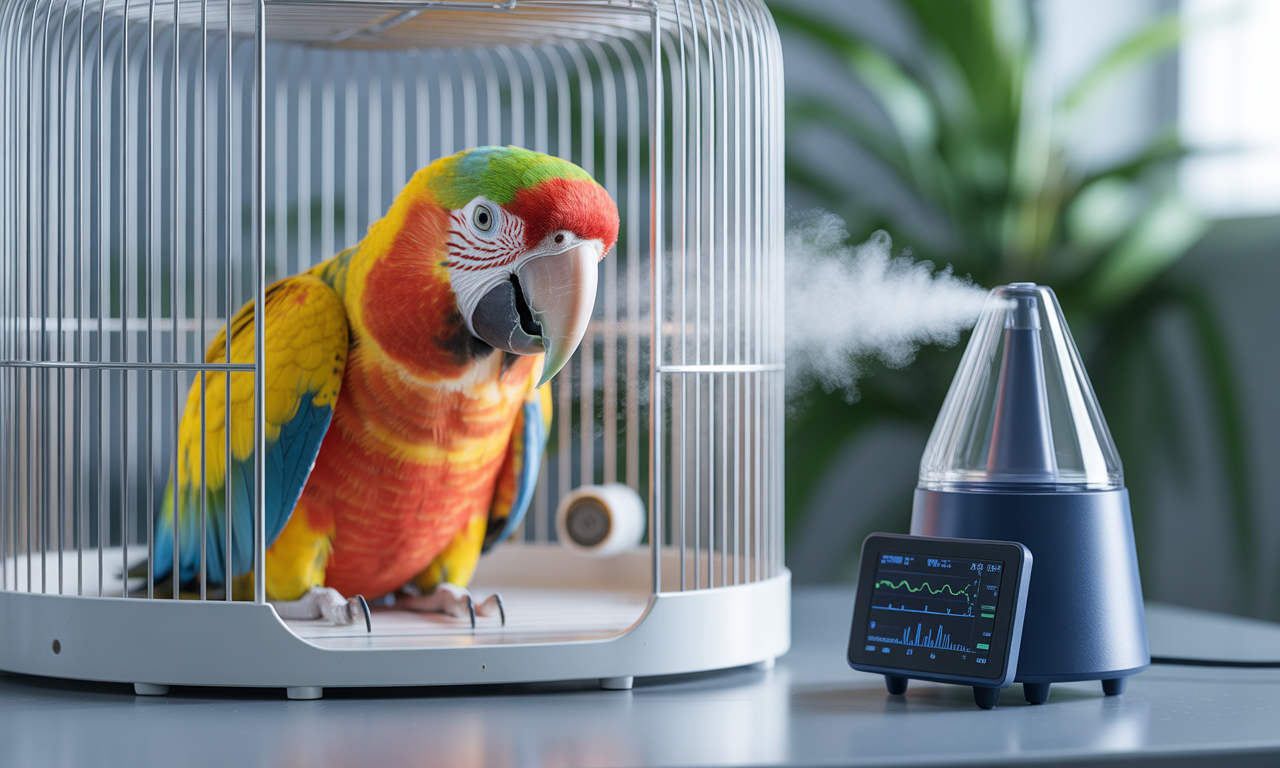
When talking about common bird diseases, Psittacosis — often called Parrot Fever — deserves special attention. It is one of the oldest and most serious infections found among captive birds, caused by the bacterium Chlamydia psittaci. What makes Psittacosis particularly dangerous is that it can remain hidden for weeks or even months before showing visible symptoms. Because birds are experts at masking illness, a seemingly cheerful parrot may actually be fighting one of the most infectious common bird diseases in aviculture.
🔬 Understanding the Nature of Psittacosis
Chlamydia psittaci attacks the respiratory and digestive systems, spreading internally to the liver, spleen, and air sacs. The bacteria are incredibly resilient, surviving for long periods outside the host, which is why dried droppings, feather dust, and even cage cleaning can release infectious particles into the air. When inhaled by humans or other birds, it can cause infection quickly.
This stealthy mode of transmission is what makes Psittacosis one of the most persistent common bird diseases in both household aviaries and professional breeding setups. It can affect parrots, cockatiels, budgerigars, macaws, and even canaries.
⚠️ How Psittacosis Spreads in Bird Environments
Understanding how Psittacosis spreads is essential to preventing outbreaks of common bird diseases in your flock. Infected birds excrete the bacteria through feces, nasal discharge, and feather dust. When these particles dry up, they can stay airborne for hours, especially in warm, enclosed spaces.
Typical routes of infection include:
- Inhalation of contaminated dust: The most frequent cause.
- Contaminated food or water: Shared feeding areas can spread bacteria quickly.
- Parent-to-chick transmission: Infected breeding pairs can pass the bacteria to their chicks.
- Cross-species contamination: Wild pigeons and doves often act as carriers, spreading the disease to indoor birds through open windows or balcony cages.
Even a well-maintained cage can harbor bacteria if cleaning routines are irregular — this is how unnoticed common bird diseases slowly infect entire bird collections.
💡 Recognizing the Symptoms Early
The earliest signs of Psittacosis are subtle — a reason why it remains among the hardest common bird diseases to diagnose without a vet’s help. Early detection can literally save a bird’s life.
Look for these symptoms:
- Persistent tiredness and reluctance to move or fly
- Fluffed feathers even in warm environments
- Watery or greenish droppings
- Nasal or eye discharge that crusts over
- Loss of voice, coughing, or wheezing
- Rapid weight loss and reduced appetite
- Occasional tremors or balance issues
A bird suffering from Psittacosis may still try to act normal, but its energy will fade quickly. Any combination of these signs calls for immediate veterinary attention.
💊 Treatment & Veterinary Remedies
Once diagnosed, Psittacosis can be treated effectively under professional supervision. Vets typically prescribe a 30- to 45-day course of Doxycycline or other tetracycline-based antibiotics, administered via food, water, or direct dosage. Because this bacterium has a long life cycle, incomplete treatment can lead to relapse — making patience and consistency vital.
During treatment:
- Keep the bird isolated in a quiet, stress-free environment.
- Maintain optimal temperature (around 27°C / 80°F).
- Disinfect the cage daily using a bird-safe disinfectant such as F10 SC or Aviclean.
- Replace water and food bowls every 24 hours.
- Dispose of droppings safely to prevent reinfection.
Your veterinarian might recommend probiotics to restore healthy gut bacteria after antibiotic therapy. A nutrient-dense diet with fruits, greens, and seed mix also accelerates recovery.
It’s crucial to remember that Psittacosis can infect humans, leading to flu-like symptoms or pneumonia. Always wear gloves and a mask when cleaning cages or handling sick birds. This zoonotic risk is another reason why Psittacosis is ranked high among common bird diseases globally.
🌿 Natural Remedies & Preventive Support
While medication is essential, supportive natural remedies can help birds regain strength faster:
- Add a few drops of apple cider vinegar (ACV) to the drinking water twice a week to lower pH and control harmful bacteria.
- Offer immune-boosting herbs such as Echinacea or turmeric in small, controlled doses.
- Provide fresh greens like spinach and coriander for natural antioxidants.
However, avoid relying solely on natural solutions for Psittacosis — it is one of the more severe common bird diseases, and veterinary guidance remains non-negotiable.
🧼 Prevention Is Better Than Cure
Preventing Psittacosis is primarily about maintaining impeccable hygiene and responsible bird management. Here’s how to protect your aviary:
- Regular Disinfection: Clean cages, perches, and feeders daily.
- Adequate Ventilation: Stale air fosters bacteria — ensure cross-breeze or exhaust systems.
- Quarantine New Birds: Always isolate newcomers for 30 days before introducing them to the main flock.
- Monitor Droppings: Changes in color, texture, or frequency often signal early common bird diseases.
- Stress Reduction: A calm, predictable environment supports immunity. Avoid loud noises or frequent relocations.
A single overlooked cleaning session or unmonitored new bird can introduce Psittacosis into your home. By following these measures, you significantly lower the chance of this and other common bird diseases from taking hold.
🪶 Takeaway: Why Psittacosis Matters
Psittacosis stands out not only because of its ability to spread quietly but also because of its potential to harm both birds and humans. Awareness, hygiene, and early veterinary support form the triple shield against this bacterial menace. When owners commit to these basics, they dramatically reduce the risk of common bird diseases in their aviaries and ensure a safe, thriving environment for their feathered companions.
🍞 Candidiasis: The Digestive Infection Hiding in Plain Sight
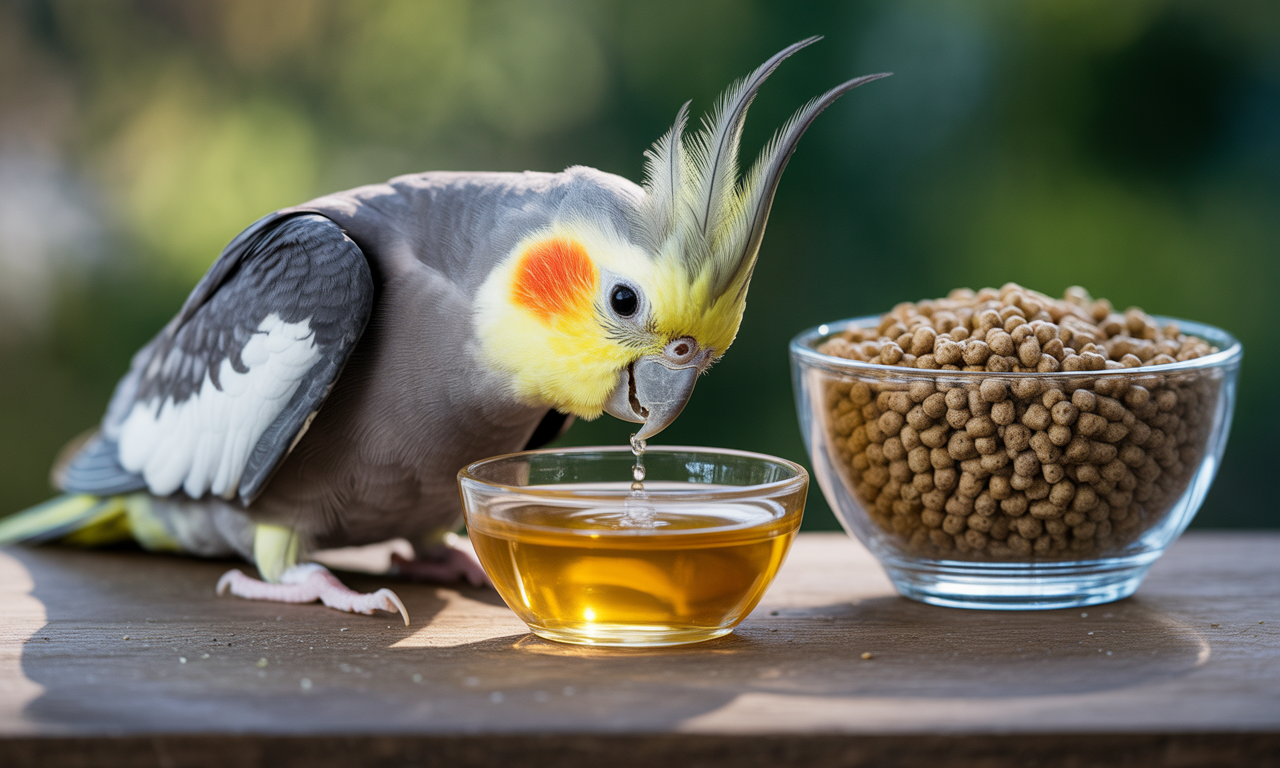
Among the many common bird diseases that silently weaken pet birds, Candidiasis stands out for its deceptive simplicity. It’s caused by an overgrowth of Candida albicans, a type of yeast normally present in small amounts in the digestive tract. When the natural balance of gut flora is disrupted—due to poor diet, stress, antibiotic misuse, or unclean water—the yeast multiplies uncontrollably, leading to infection.
Unlike Aspergillosis or Psittacosis, which are often respiratory, Candidiasis primarily attacks the digestive system, causing discomfort, nutrient absorption issues, and eventual weight loss. Birds with weakened immune systems—especially chicks, weaning juveniles, or rescued birds—are most susceptible. Left untreated, this seemingly harmless yeast infection can spiral into one of the most persistent common bird diseases in captivity.
🔍 How Candidiasis Develops
The bird’s crop (a pouch-like organ that stores food before digestion) is a perfect environment for Candida to grow—warm, moist, and nutrient-rich. When hygiene slips, uneaten soft food or formula can ferment, feeding the yeast colonies. Over time, this imbalance spreads down the digestive tract, inflaming the crop lining and disturbing normal digestion.
Poor-quality feed, high sugar content, and excessive bread or fruit treats further encourage yeast growth. Antibiotic misuse is another major trigger—when antibiotics destroy beneficial gut bacteria, yeast takes over. This makes Candidiasis one of the most preventable common bird diseases if owners understand its root causes.
⚠️ Symptoms You Should Never Ignore
Spotting Candidiasis early can prevent severe discomfort and nutritional deficiency in your bird. Look out for these symptoms that often blend with general illness signs:
- Regurgitating food or fluid frequently
- White, curd-like patches inside the mouth or throat
- Crop stasis (food remains undigested for hours)
- Foul-smelling breath
- Reduced appetite or interest in favorite treats
- Loose, undigested droppings
- Weight loss despite normal feeding
A yeast infection can make birds feel bloated and lethargic, often leading them to fluff up and rest more than usual. Because these symptoms overlap with other common bird diseases, a lab culture or microscopic test is needed for confirmation.
💊 Treatment & Vet-Approved Remedies
Fortunately, Candidiasis responds well to treatment when addressed promptly. Avian veterinarians usually prescribe Nystatin—a safe antifungal medication that directly targets yeast in the digestive tract. In more advanced cases, Ketoconazole or Fluconazole may be recommended.
During the recovery phase:
- Remove all soft, fermented, or leftover food immediately.
- Offer fresh drinking water daily and clean bowls twice a day.
- Include probiotic supplements (like Bene-Bac or Avipro Avian) to rebuild gut flora.
- Maintain cage temperature between 26°C and 30°C to ease digestion.
- Eliminate sugary fruits or honey-based treats temporarily.
One key reason Candidiasis is among the most frequent common bird diseases is owner neglect during hand-feeding or soft-food preparation. Using unsterilized feeding tools or reusing formula that has cooled can rapidly trigger yeast growth in the crop.
🌿 Home Remedies & Natural Aids
Complement veterinary treatment with simple home remedies that help restore digestive balance:
- Apple Cider Vinegar (ACV): Add one drop per 100 ml of drinking water daily for seven days. It helps maintain a mildly acidic gut environment that discourages yeast.
- Cinnamon Powder: A natural antifungal—sprinkle a pinch over bird-safe pellets occasionally.
- Garlic Essence: In trace amounts (one drop of diluted essence in 50 ml water), it boosts immunity and fights fungal colonies.
- Aloe Vera Gel: When mixed with water (one teaspoon per 100 ml), it soothes crop irritation and aids digestion.
However, moderation is crucial—birds have delicate metabolisms, and excess can do more harm than good. Always consult your avian vet before starting any natural supplement, especially in combination with antifungal medications.
🧼 Prevention: Your Best Strategy Against Digestive Disorders
Good hygiene and balanced nutrition are your bird’s best shields against Candidiasis and other common bird diseases. Follow these golden preventive rules:
| Preventive Practice | Why It Matters |
| Clean feeding tools daily | Prevents leftover formula from fermenting. |
| Offer fresh food only | Avoids yeast contamination from old fruit or mash. |
| Use probiotics regularly | Maintains healthy gut bacteria balance. |
| Avoid unnecessary antibiotics | Protects beneficial microbes from depletion. |
| Dry cages after cleaning | Moisture encourages fungal and yeast growth. |
Birds that eat diverse, natural diets and live in clean environments rarely suffer from yeast-related problems. Consistency in care is the secret weapon against common bird diseases that stem from neglect and imbalance.
🪶 Pro Tip for Bird Owners
During crop-feeding or hand-rearing, never reuse leftover formula, even if it’s been refrigerated. Bacteria and yeast multiply rapidly once the formula reaches room temperature. Use boiled, cooled water for mixing feeds and sterilize utensils after every session. These small acts of diligence go a long way in ensuring your chicks never fall prey to Candidiasis—one of the most preventable common bird diseases known to avian science.
🧬 Polyomavirus: The Hidden Viral Killer in Young Birds
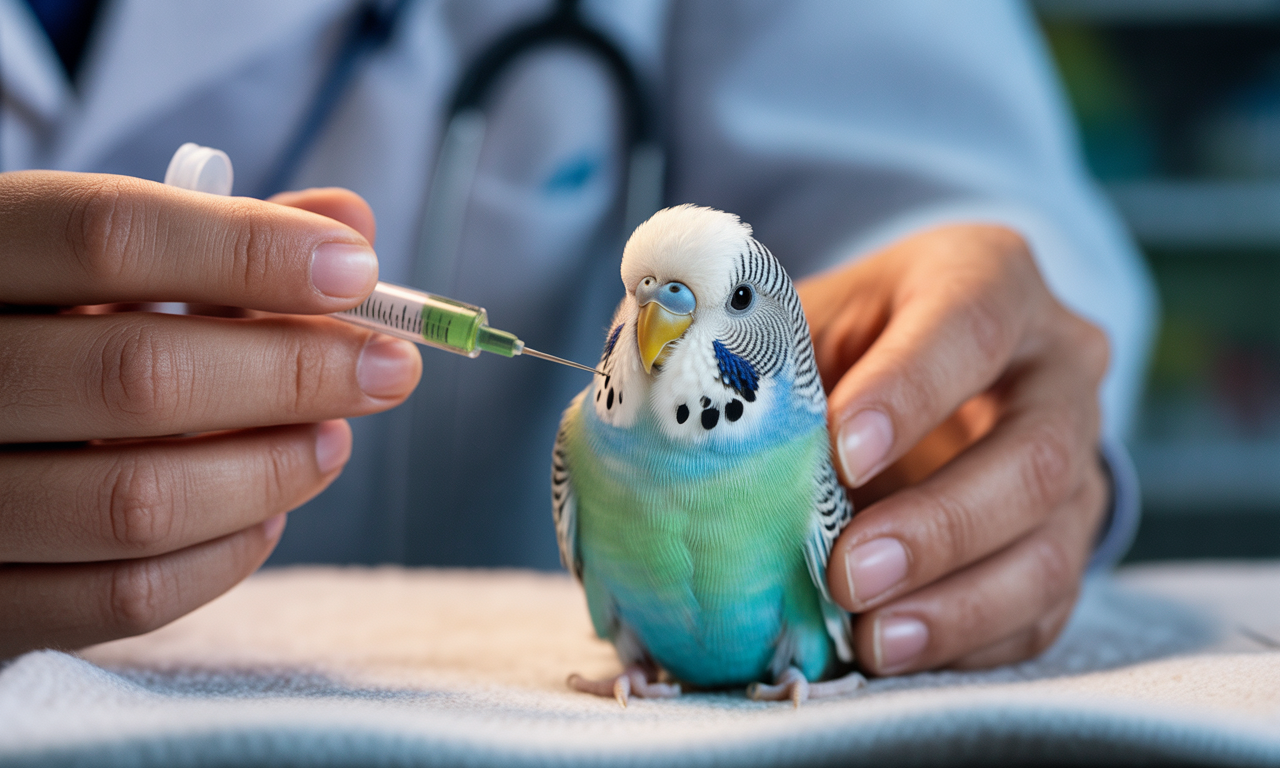
Among all common bird diseases, Polyomavirus is perhaps the most heartbreaking. It primarily targets chicks and juvenile birds—those still developing immunity—making it one of the most feared viral infections in aviaries and breeding facilities. Caused by the Avian Polyomavirus, this microscopic invader spreads rapidly, attacking vital organs like the liver, spleen, and heart. The result is often sudden illness, stunted growth, or even death within days if not identified early.
Unlike some common bird diseases that show gradual warning signs, Polyomavirus can appear without warning, leaving bird parents devastated. Because it spreads through feather dust, droppings, and even human hands or feeding tools, vigilance and biosecurity are crucial to control it.
🔍 How Polyomavirus Spreads Among Pet Birds
The virus can survive for long periods outside the host, lurking in the environment and reactivating when new birds arrive. Even healthy adult birds can act as silent carriers, shedding the virus intermittently without symptoms. Common transmission routes include:
- Direct contact with infected birds or contaminated cages
- Hand-feeding equipment shared among chicks
- Contaminated nesting materials or perches
- Exposure to unquarantined birds in pet shops or shows
This stealthy nature is why Polyomavirus ranks among the most difficult common bird diseases to manage in breeding environments. Once it infiltrates an aviary, it can silently affect multiple generations.
⚠️ Recognizing the Symptoms
Polyomavirus has two primary forms—acute (sudden) and chronic (slow-developing). Young chicks, especially budgerigars, cockatiels, lovebirds, and parrots under 3 months, are most at risk.
Key symptoms include:
- Swollen abdomen due to fluid accumulation
- Feather abnormalities or delayed feather growth
- Inability to perch or fly properly
- Vomiting, weakness, or trembling
- Subcutaneous hemorrhages (bruises beneath the skin)
- Sudden death in apparently healthy chicks
In older birds, signs are milder—such as poor feather quality or reduced fertility—but they can still spread the infection to others, making early testing vital in preventing common bird diseases outbreaks.
💊 Treatment & Veterinary Approach
Unfortunately, there is no specific antiviral cure for Polyomavirus. However, supportive veterinary care can greatly improve survival odds and comfort for infected birds.
Typical veterinary recommendations include:
- Fluid therapy to prevent dehydration and stabilize body temperature
- Immune boosters such as Avian Multivitamin Complex and probiotics
- Hepatic support using milk thistle or silymarin supplements for liver protection
- Strict isolation of infected birds for at least 60 days
- Environmental disinfection with chlorine-based or veterinary-grade disinfectants
For breeders, vaccination programs—especially the Psittimune® Polyoma vaccine—have proven highly effective in preventing this and other common bird diseases that spread through close contact.
🌿 Natural Supportive Remedies
While vaccines and hygiene are the main defenses, several natural remedies can support recovery and resilience:
- Echinacea extract: Enhances immune function in recovering birds.
- Turmeric powder: Acts as a natural anti-inflammatory.
- Aloe vera juice (diluted): Helps detoxify internal organs after infection.
- Balanced diet: Include greens, fruits like papaya or apple, and vitamin D through sunlight.
Always remember: these natural remedies complement, not replace, veterinary care. When dealing with viral common bird diseases, only professional guidance ensures safety and success.
🧼 Prevention: Protecting Your Aviary from Polyomavirus
Because there’s no permanent cure, prevention is the key. Every responsible bird parent should follow these protective steps:
| Preventive Step | Why It Matters |
| Quarantine new birds (45–60 days) | Prevents hidden carriers from infecting others. |
| Disinfect cages & tools regularly | The virus can survive for months on surfaces. |
| Vaccinate breeding pairs | Provides immunity and reduces chick mortality. |
| Avoid overcrowding | Reduces stress and transmission. |
| Practice clean hand-feeding | Wash and sterilize syringes before every feeding. |
Even a single infected bird can silently spread Polyomavirus through shared air or contact. By maintaining these habits, bird owners dramatically reduce the risk of this and other common bird diseases.
🪶 Pro Tip: Building Immunity Through Nutrition
Strengthen your bird’s natural defense system with nutrient-rich foods like spirulina, flaxseed, and carrots. These supply antioxidants and essential fatty acids that fortify the immune system. Birds on such diets are far less prone to viral relapses or other common bird diseases, making nutrition your first line of defense.
💬 Real-Life Lesson from Avian Breeders
Professional breeders often share stories of losing entire clutches to Polyomavirus before adopting strict hygiene measures. After implementing quarantine rules, sterilization routines, and early vaccination, many report zero fatalities over subsequent years. Their experiences underline one truth: consistency prevents tragedy.
🦠 Avian Pox – The Visible Yet Often Misunderstood Threat
Among all common bird diseases, Avian Pox is one of the few that leaves visible marks on a bird’s body. Caused by the Avipoxvirus, it produces wart-like lesions on unfeathered areas—around the eyes, beak, legs, or inside the mouth. Though the word “pox” sounds alarming, most birds recover if treated promptly and kept in sanitary conditions.
🔍 How It Spreads
Avian Pox spreads mainly through mosquito bites, contaminated perches, or direct contact with infected birds. It’s especially rampant during humid months when insect activity peaks. Because the virus survives on surfaces for weeks, shared cages or feeders can accelerate its spread across flocks—earning it a firm place among the top ten common bird diseases globally.
⚠️ Symptoms to Recognize
- Small yellow or brown scabs on eyelids, beak, or legs
- Difficulty eating or breathing (in wet-form pox)
- Dull plumage and reduced vocalization
- Decreased appetite and lethargy
In severe “wet-form” cases, lesions develop inside the mouth or throat, obstructing breathing and feeding.
💊 Treatment & Care
There’s no direct antiviral for Avian Pox, but supportive care ensures recovery:
- Topical antiseptics like Betadine for external lesions
- Vitamin A & E supplements to heal skin and boost immunity
- Broad-spectrum antibiotics to prevent secondary infections
- Clean, dry, warm environment to avoid bacterial growth
Mosquito control and cage disinfection are non-negotiable. Once recovered, birds typically gain lifelong immunity—a silver lining among the many common bird diseases they face.
🌿 Natural Support
Add turmeric or aloe vera gel to diet (in moderation) for skin healing. Offer papaya and carrot for vitamin A support—vital for tissue repair.
💩 Proventricular Dilatation Disease (PDD) – The Digestive Destroyer
Often dubbed the “silent killer,” Proventricular Dilatation Disease (PDD) is one of the most mysterious common bird diseases affecting parrots, macaws, cockatoos, and conures. It’s caused by Avian Bornavirus and disrupts nerve signals in the digestive tract, preventing food from moving normally.
⚠️ Symptoms
- Undigested seeds in droppings
- Weight loss despite eating well
- Regurgitation or vomiting
- Depression, fluffed-up feathers, and muscle tremors
Because symptoms mimic other common bird diseases, diagnosis often requires x-rays or crop biopsies.
💊 Treatment & Management
There’s no absolute cure, but supportive therapy can dramatically extend life:
- Celecoxib or meloxicam for inflammation control
- Easily digestible foods such as soft pellets or cooked rice
- Probiotics and digestive enzymes to aid absorption
- Low-stress environment—avoid loud noise and sudden cage changes
Some owners find that warm-mist humidifiers and omega-3-rich diets (flaxseed, chia) reduce symptom flare-ups. Early intervention keeps this condition manageable, preventing one of the more heartbreaking outcomes of common bird diseases.
🧫 Coccidiosis – The Parasitic Enemy of the Guts
Coccidiosis ranks among the most widespread common bird diseases, especially in aviaries and breeding setups. Caused by Eimeria parasites that invade intestinal walls, it leads to internal bleeding, dehydration, and sometimes death in untreated chicks.
🔍 How It Occurs
Poor hygiene and wet litter are major culprits. Parasite eggs (oocysts) spread through droppings and contaminated food. Once ingested, they multiply rapidly inside the intestines.
⚠️ Symptoms
- Blood-tinged droppings
- Fluffed feathers, weakness, loss of appetite
- Pale combs or wattles in larger species
- Dehydration and sudden death in severe cases
💊 Treatment
Avian vets prescribe Amprolium (Corid) or Toltrazuril, highly effective anticoccidials. During treatment:
- Keep cages bone-dry.
- Remove droppings frequently.
- Offer electrolyte solution and probiotics.
🌿 Preventive Tips
- Mix apple-cider vinegar (1 tsp/250 ml water) twice weekly.
- Feed garlic infusion to deter parasites naturally.
- Rotate outdoor cage positions to prevent ground contamination.
Maintaining spotless hygiene is your best defense—clean floors, sanitized feeders, and sunlight exposure can nearly eliminate this and many other common bird diseases.
🕊️ Conclusion: Building a Healthier Future for Your Feathered Family
Every bird lover dreams of vibrant feathers, joyful chirps, and long companionship. Yet common bird diseases remain an inevitable part of avian life. The good news? Most are preventable with awareness, cleanliness, and early intervention.
Regular vet check-ups, balanced diets, and daily observation of your bird’s behavior can catch illness before it turns critical. Remember—your bird relies on you to read its silent language. A quick response, a clean cage, and a kind touch can mean the difference between sickness and a soaring life.
Stay proactive. Love deeply. And always remember: preventing common bird diseases is far easier—and kinder—than curing them.
❓ Frequently Asked Questions (FAQs)
Q1. What are the most common bird diseases in pet birds?
A1. The most common bird diseases include Psittacosis, Aspergillosis, Candidiasis, Polyomavirus, Avian Pox, PDD, and Coccidiosis.
Q2. How can I prevent common bird diseases at home?
A2. Maintain hygiene, disinfect cages weekly, offer fresh food and water daily, and schedule vet visits twice a year.
Q3. Can humans catch any of these common bird diseases?
A3. Yes—Psittacosis is zoonotic and can infect humans through inhaled dust from droppings or feathers.
Q4. What vitamins strengthen bird immunity against disease?
A4. Vitamins A, C, and E boost immunity, along with minerals like zinc and selenium.
Q5. How often should I clean my bird’s cage to avoid disease?
A5. Daily removal of droppings and uneaten food, plus weekly deep cleaning, helps prevent common bird diseases effectively.
📘 Glossary
Psittacosis: Bacterial infection caused by Chlamydia psittaci affecting birds and humans.
Aspergillosis: Fungal infection of the respiratory system due to Aspergillus fumigatus.
Candidiasis: Digestive yeast infection caused by Candida albicans.
Polyomavirus: Viral disease affecting young birds and breeding pairs.
Avian Pox: Viral skin disease causing lesions on unfeathered areas.
PDD: Neurological and digestive condition caused by Avian Bornavirus.
Coccidiosis: Parasitic intestinal infection caused by Eimeria species.
💡Looking for something different? Check out our latest post here:https://birdsheavencare.com/safe-herbs-for-birds/