Learn how to calm a stressed bird with natural expert tips — soothing environment, diet, sleep, and gentle bonding techniques for happier parrots and budgies.
- 🕊️ Introduction — The Hidden Language of Bird Stress and How to Restore Calm
- 🕊️ Understanding Bird Stress and Why It Matters
- 🌿 Creating a Calm Environment (The Foundation of Healing)
- 🪶 The Power of Gentle Interaction (Rebuilding Trust and Safety)
- 🌸 Enrichment and Engagement for Emotional Balance
- 🌿 Balancing Nutrition for a Calmer Mind
- 🌙 Optimizing Sleep and Routine (The Rhythm of Calmness)
- 🫶 Safe Socialization and Bonding Techniques
- 🚨 When to Seek Professional Help
- 🌼 Conclusion — Reclaiming Harmony for Your Feathered Friend
- ❓ FAQ
- 📘 Glossary
🕊️ Introduction — The Hidden Language of Bird Stress and How to Restore Calm
If you’ve ever noticed your bird suddenly flapping wildly, biting its feathers, or going completely silent for hours, you’ve likely witnessed something deeper than random behavior — it’s stress. Many bird owners, especially first-timers, misinterpret these changes as mere “mood swings,” but in truth, they’re your bird’s desperate cry for help.
Understanding how to calm a stressed bird isn’t just a pet-care skill — it’s a form of emotional communication and empathy.
Birds are intelligent, sensitive creatures that respond to the energy, sounds, and atmosphere around them. A sudden loud noise, unfamiliar environment, new pet, or even your own anxiety can ripple through their tiny nervous systems, triggering distress. Unlike humans, they can’t tell you what’s wrong with words. Instead, they express it through subtle signals — loss of appetite, trembling, feather pulling, pacing, or hiding. These are the signs of stress in birds that every owner must learn to recognize early.
What’s even more crucial is realizing that stress doesn’t discriminate. Whether it’s a parakeet, cockatiel, macaw, or budgie — all species are prone to emotional disturbances if their surroundings become unpredictable or unsafe. That’s why knowing how to calm a stressed bird naturally and safely is essential to ensuring not just comfort but longevity. Birds living in calm, predictable environments tend to have stronger immunity, brighter plumage, and more affectionate personalities.
Stress in birds is not a trivial matter; in extreme cases, birds can die from stress. Chronic anxiety can suppress their immune systems, disrupt hormones, and even trigger heart-related complications. But here’s the good news — every episode of stress can be reversed with awareness, compassion, and a bit of science-backed care. You don’t need fancy gadgets or expensive medications; often, your tone, routine, and patience can make all the difference.
In this comprehensive guide, we’ll explore seven expert tips on how to calm a stressed bird naturally and safely. You’ll learn how to create a soothing environment, use trust-building techniques, balance nutrition, and build a stronger emotional connection with your feathered companion. These methods are gentle, practical, and rooted in the understanding that every bird, like every human, has its own emotional rhythm.
By the end of this blog, you’ll not only understand how to ease your bird’s anxiety but also how to build an environment of peace, trust, and emotional security. So, take a deep breath, clear your mind, and let’s step into your bird’s world — where calmness isn’t just a luxury but a lifeline.
🕊️ Understanding Bird Stress and Why It Matters
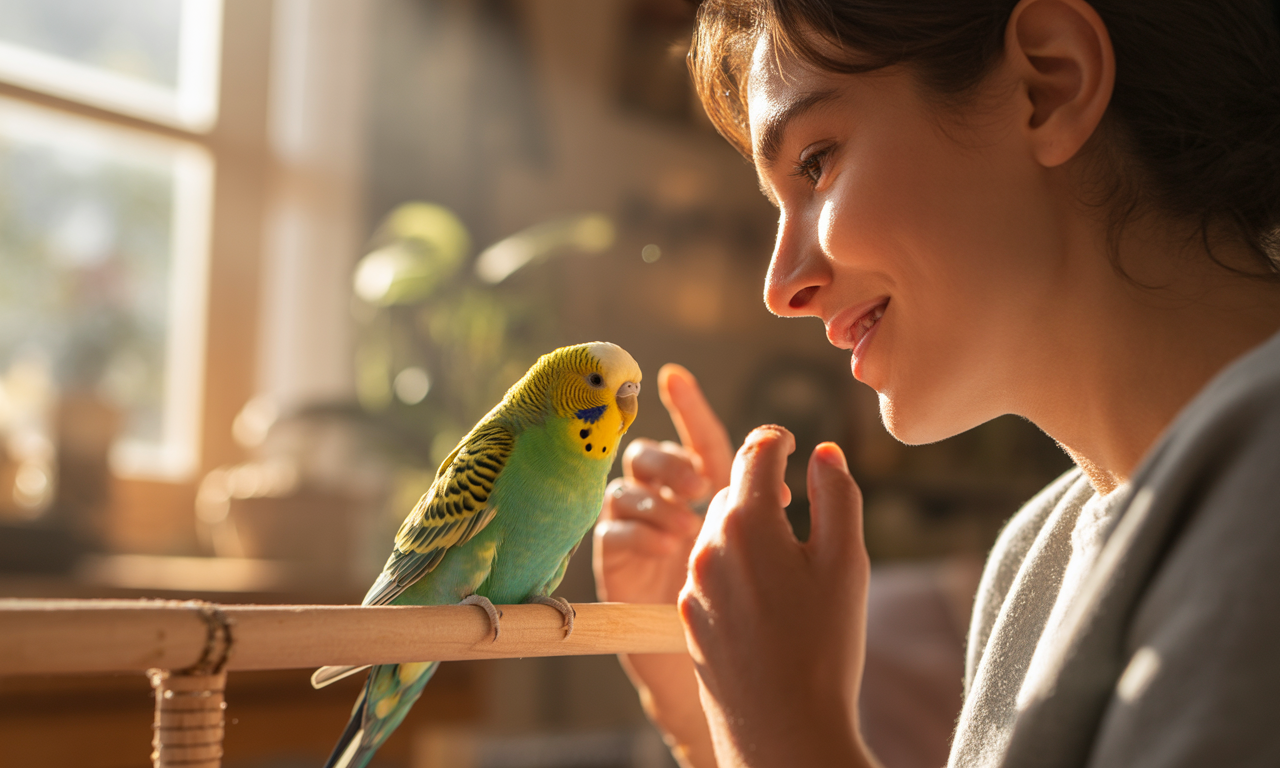
Every bird owner dreams of a cheerful, chirping companion who greets each morning with song and joy. Yet, when that same bird becomes quiet, hides in a corner, or starts plucking its feathers, something invisible and unsettling is happening inside — stress.
Before exploring how to calm a stressed bird, it’s vital to understand why stress occurs and how it impacts your bird’s mind and body.
💢 What Exactly Is Bird Stress?
Stress in birds is a natural physiological and emotional reaction to discomfort, sudden changes, or perceived danger.
In the wild, temporary stress helps birds survive — it sharpens their alertness, boosts reflexes, and enhances focus during risky moments like escaping predators or protecting their young.
However, in captivity, where daily life is often filled with loud noises, constant movement, and unfamiliar objects, that natural “fight or flight” response doesn’t switch off easily.
When a bird feels anxious or threatened, its body releases a hormone called corticosterone, responsible for maintaining alertness and energy during perceived danger. But if this hormone stays elevated for too long, it weakens the immune system, disturbs digestion, disrupts sleep, and even leads to feather loss.
This is why knowing how to calm a stressed bird early on is not just an act of care — it’s an act of protection and emotional connection.
🌪️ Common Triggers Behind Bird Stress
Just like humans, birds experience stress for different reasons. Some triggers are environmental, while others are social, physical, or medical.
Below are the most common causes of anxiety that every bird owner should monitor closely:
| Trigger Type | Examples | Impact on the Bird |
| Environmental | Loud TVs, vacuum cleaners, fireworks, temperature changes | Triggers fear; bird may freeze or become silent |
| Social | Loneliness, lack of attention, new family members or pets | Breaks emotional stability, leads to isolation |
| Physical | Small cage, poor diet, lack of toys or exercise | Causes boredom, aggression, or feather damage |
| Health Related | Pain, infection, parasites, nutritional imbalance | Results in hiding or unusual aggression |
| Routine Changes | Moving cage, altering feeding times, traveling | Disrupts comfort; bird may refuse to eat or play |
Each of these stressors can compound over time. A loud TV, coupled with lack of sleep or loneliness, can trigger panic behaviors within days.
Once you can identify the trigger, you’ll know exactly where and
how to begin implementing methods for how to calm a stressed bird naturally and safely.
🔍 Physical and Behavioral Signs of Stress in Birds
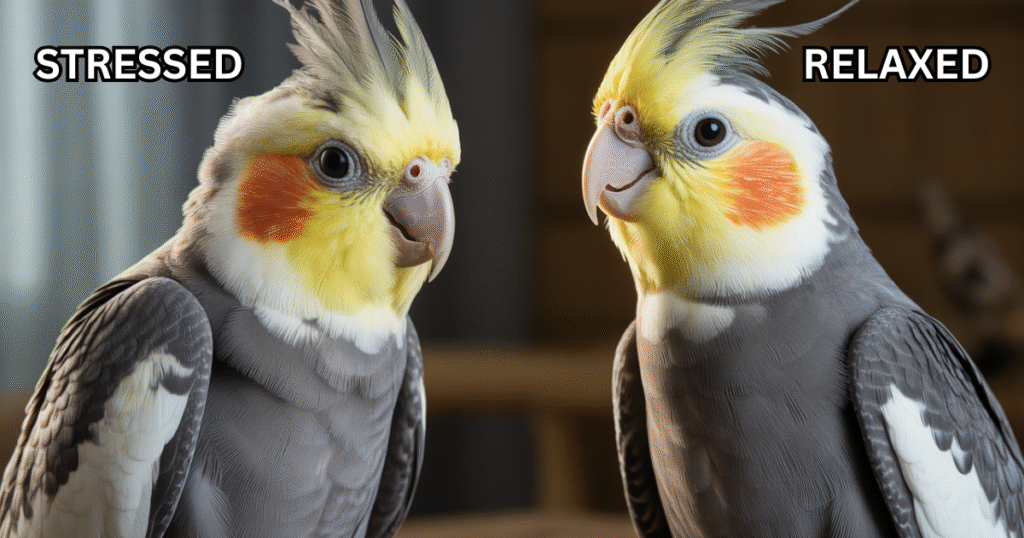
Recognizing early signs of stress in birds can save them from long-term health issues. Birds communicate through their body language and actions long before physical illness shows up.
Watch for the following red flags that indicate emotional strain:
- Feather Plucking or Over-Preening: A classic sign of anxiety, boredom, or lack of stimulation.
- Loss of Appetite: Skipping meals or refusing water can signal emotional distress.
- Change in Vocalization: Unusual silence or excessive screeching often reflects fear or tension.
- Pacing, Head Bobbing, or Clinging to Cage Bars: Repetitive movements suggest nervous energy.
- Hiding or Avoidance: Birds that retreat frequently are signaling insecurity.
- Aggressive Outbursts: Biting or lunging can arise from fear rather than anger.
- Unusual Molting or Weight Loss: Chronic stress can disturb hormonal balance and feather growth.
If you notice two or more of these symptoms, don’t ignore them. They’re your bird’s subtle way of asking for help. Knowing how to calm a stressed bird at this stage can prevent anxiety from turning into a physical condition.
❤️ Why Stress Is More Dangerous Than It Seems
A bird’s heart is small but astonishingly fast — beating up to 400 times per minute in certain species. When fear or anxiety becomes constant, that heart works overtime. Prolonged stress puts immense pressure on this delicate system, weakening immunity and increasing the risk of illness.
Over time, the effects compound — poor sleep, irregular eating habits, and constant fear can lead to severe fatigue or heart failure. And yes, under extreme conditions, birds can die from stress.
Stress doesn’t just harm the body; it also damages the bond between you and your pet. A fearful bird might stop trusting your touch, refuse playtime, or react aggressively to simple gestures. Restoring peace means rebuilding that emotional connection step by step.
💡 Pro Tip
Keep a “stress diary.”
Each day, jot down your bird’s behavior, environment, and routine — especially before and after stressful moments like vacuuming, loud music, or cage cleaning.
Within a week or two, patterns emerge that reveal what truly disturbs or comforts your bird. Once you know these triggers, the techniques for how to calm a stressed bird become more effective, personalized, and lasting.
🌼 Transition to Next Step
Understanding what causes stress and how it manifests is the first step toward healing.
Now that you’ve learned the root causes and warning signs, the next step is to create a peaceful, stable environment that prevents those triggers from returning.
Let’s move on to the next stage — Creating a Calm Environment — The Foundation of Healing — where you’ll discover the practical ways to make your bird feel safe, secure, and emotionally balanced.
🌿 Creating a Calm Environment (The Foundation of Healing)
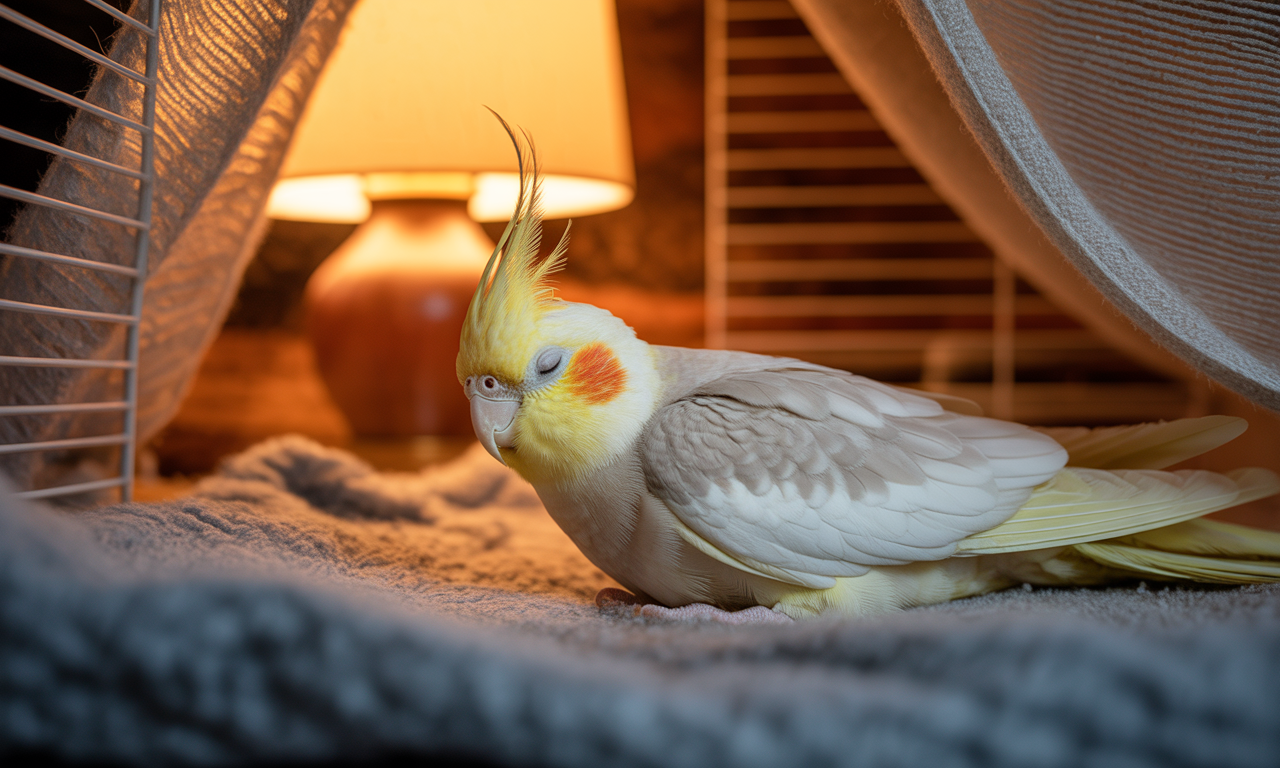
The very first step in learning how to calm a stressed bird is to create an environment that feels safe, predictable, and nurturing. Birds are incredibly sensitive to energy, sound, and rhythm — they can detect emotional tension in their owners and even react to subtle vibrations in the air. If your home is full of chaos, loud noises, or sudden movements, your bird’s mind can never rest. Just like humans, birds need their version of a “comfort zone,” a personal sanctuary where peace is the default atmosphere.
Imagine being in a room where lights flash unpredictably, people come and go, and the temperature keeps changing — you’d feel uneasy too. That’s exactly what your bird experiences when its surroundings are unstable. The good news is that small, thoughtful adjustments can transform their cage area into a peaceful oasis that encourages trust and healing.
💫 Minimize Noise and Visual Triggers
Noise pollution is one of the leading causes of anxiety in pet birds. The constant hum of television, blenders, or even doorbells can send a sensitive bird into panic mode. Place your bird’s cage in a quiet corner away from speakers, open windows facing the street, or children’s play areas. Avoid positioning the cage near kitchens where sudden noises like frying or alarms can startle them.
Equally important is controlling visual triggers. Birds feel safest when they have a stable view of their surroundings without being in the center of chaos. Never place their cage directly on the floor — a higher position gives them a sense of security. You can also use partial cage covers during busy hours or at night, signaling safety and rest. Dimming the lights in the evening helps mimic sunset, preparing their body for natural sleep rhythms.
If your bird tends to panic easily, play soft background music or natural sounds like rainfall, forest ambience, or gentle bird calls. This soothing background helps mask sudden noises while creating a familiar, rhythmic calm that reminds them of nature. A peaceful sound environment is one of the simplest yet most effective ways to practice how to calm a stressed bird.
🪴 Set Up Familiar Comfort Zones
Birds thrive on familiarity. Their cage isn’t just a place to eat and sleep — it’s their territory, their world. If you rearrange perches or toys too often, they might feel disoriented and vulnerable. Keep the basic structure consistent and change elements slowly. Introduce new toys one at a time rather than overwhelming them with several new items at once.
Make sure the cage is spacious enough for stretching wings comfortably. Add a variety of perches of different textures and diameters — natural wood is best because it feels close to what they’d experience in the wild. Place their food and water dishes where they feel least exposed; birds are more relaxed when they can eat without feeling watched.
Temperature consistency is equally important. Birds can become stressed if the room temperature fluctuates frequently. Maintain a moderate environment, ideally between 24–28°C (75–82°F), and ensure the cage is not directly under air-conditioning vents or fans.
Adding a soft source of indirect light during evening hours gives them a sense of safety. Some birds even enjoy having a night lamp with warm tones to reduce fear of complete darkness. All these little touches teach your feathered friend that their world is predictable, comforting, and safe — a vital step in mastering how to calm a stressed bird naturally.
🌻 Creating a Rhythm of Calmness
Just as humans find peace in daily routines, birds crave consistency. They feel more secure when they know what comes next — feeding time, interaction time, and resting time. Set a simple rhythm for your bird’s day:
- Morning Light & Greeting: Begin softly by uncovering the cage, offering fresh water, and speaking gently.
- Midday Playtime: Engage them with toys, mirrors, or gentle talking sessions.
- Afternoon Calm: Reduce stimulation, allowing them quiet rest.
- Evening Wind-Down: Dim the lights and play soft sounds that prepare them for sleep.
Avoid sudden environmental changes like moving the cage frequently or altering feeding times. A consistent daily routine builds trust, reduces anxiety, and naturally teaches the body when to relax — key principles in how to calm a stressed bird effectively.
💡 Pro Tip
When introducing a new pet, family member, or moving to a new home, keep your bird in its comfort zone for a few days before exposure to new surroundings. Use calm speech and let your bird observe from a safe distance. Gradual adaptation always leads to faster comfort recovery than forced exposure.
If possible, consider using gentle natural scents like chamomile or lavender (non-sprayed near the bird but diffused at a distance) to create a relaxing aura in the room. Birds respond positively to natural harmony — not artificial perfumes or sprays, which can irritate their delicate respiratory systems.
🪶 The Power of Gentle Interaction (Rebuilding Trust and Safety)
Once the environment feels calm and secure, the next step in mastering how to calm a stressed bird is rebuilding emotional trust through gentle, compassionate interaction. Birds are emotional beings that respond deeply to tone, energy, and consistency. When a bird has been frightened or overstimulated, it takes time and patience to regain that lost sense of safety.
The goal is not to force affection but to earn it — through predictable kindness and non-threatening communication. Even the smallest gesture, such as the way you approach the cage or speak to your bird, shapes how comfortable it feels in your presence.
🌸 Approach Slowly and Speak Softly
A calm presence is the most powerful tool in learning how to calm a stressed bird.
Never rush toward your bird or reach out suddenly, as abrupt motion can feel like a predator’s attack. Approach gently, keeping your body language relaxed and your voice low. Birds are remarkably perceptive — they notice your breathing pace, facial expressions, and tone.
Start by sitting quietly near the cage, without attempting to interact. Talk softly about ordinary things. You can hum or read aloud in a warm tone. Over a few days, your bird will begin to associate your voice with safety, not threat. When it starts showing signs of curiosity — like moving closer to you or chirping softly — it’s your cue that trust is forming.
Avoid making direct eye contact for long periods at first. To birds, a prolonged stare can feel intimidating, much like being watched by a predator. Instead, blink slowly or look slightly away while speaking. This signals peace and non-aggression.
Pro Tip: Whisper your bird’s name in a calm, rhythmic tone whenever you approach. Over time, that word becomes a comfort signal, telling your feathered friend that peace and care are near.
🌼 Build Trust Gradually with Positive Reinforcement
Gentle repetition and reward are key to success. Once your bird no longer flinches or hides when you’re near, start offering treats through the cage bars. Choose something healthy yet irresistible — millet sprays, apple bits, or leafy greens work well. Each time the bird accepts food from your hand, it strengthens the emotional bridge between you.
This is one of the simplest yet most effective techniques in how to calm a stressed bird, because positive reinforcement replaces fear with curiosity. Never chase or grab your bird; instead, let it decide when to come closer. This choice-driven interaction builds genuine confidence.
When your bird starts responding positively, extend your hand slowly inside the cage — not to touch but to simply exist nearby. Let it observe your hand without fear. The first touch should always come from the bird, not from you. A gentle peck or nudge means, “I’m ready.” Celebrate that trust milestone with calm praise and a soft smile.
Consistency matters more than intensity. A few quiet minutes of interaction every day do more good than an hour of forced play once a week. Birds, especially sensitive ones like budgies and parrots, value routine affection far more than occasional excitement.
🌿 Communicate Through Energy, Not Just Words
One of the lesser-known secrets of how to calm a stressed bird lies in the energy you radiate. Birds are energetic empaths — they sense emotional states the way humans sense temperature. If you’re anxious, they become anxious too. That’s why it’s essential to center yourself before every interaction. Take slow breaths, relax your shoulders, and let your mind settle.
When your energy is calm, your bird mirrors it unconsciously. This is the same principle that works in nature: flocks stay calm because each bird tunes into the collective rhythm of stillness and safety. You can recreate that effect at home by lowering your voice, moving gently, and maintaining eye contact only briefly.
You may even notice your bird responding with subtle signs of relaxation — slightly fluffed feathers, half-closed eyes, or soft chirping. These are the signals that your connection is working. The more relaxed you are, the faster your bird learns to regulate its own emotional state.
💞 Avoid Punishment or Force
Punishment has no place in bird care. Scolding, sudden clapping, or using loud noises to “discipline” your bird only deepens fear and erases trust. A frightened bird doesn’t understand correction — it interprets it as danger. Every time that happens, it sets back your progress in how to calm a stressed bird by days or even weeks.
If your bird bites or screams, pause calmly and remove attention for a few moments. Never react in anger or panic. Once calm is restored, resume gentle communication as though nothing happened. Birds learn through energy, not confrontation. Silence and patience teach them far more than reprimand ever could.
💡 Pro Tip
If your bird remains anxious despite all efforts, try using gentle environmental aids such as white noise, soft instrumental music, or natural sunlight exposure. Sunlight triggers the release of serotonin — the happiness hormone — in birds. Just 15 minutes of natural light exposure (without direct glare or heat) can elevate mood and reduce stress. Combined with your patient interaction, this method magnifies the results of how to calm a stressed bird naturally.
🌼 Transition to Next Step
By now, your bird should start showing small signs of trust — eating calmly near you, chirping softly, or perching without hesitation. Once emotional stability returns, it’s time to focus on mental engagement and joy.
In the next section, we’ll explore Enrichment and Engagement for Emotional Balance — how to use toys, activities, and play routines to eliminate boredom and maintain long-term peace.
🌸 Enrichment and Engagement for Emotional Balance
Once you’ve built a calm environment and regained your bird’s trust, the next important step in learning how to calm a stressed bird is to stimulate its mind. Birds are intelligent, curious, and highly emotional creatures. When they don’t have enough to do, they become anxious, bored, or even depressed. A mentally idle bird is far more prone to behavioral problems like feather plucking, aggression, or loss of appetite.
Understanding how to calm a stressed bird also means understanding how to keep its mind active and its heart joyful. Mental enrichment is not about fancy gadgets or expensive toys — it’s about creating experiences that engage their senses, challenge their curiosity, and make them feel alive.
🌿 The Role of Mental Stimulation in Healing
One of the most overlooked aspects of how to calm a stressed bird is the role of mental stimulation. Birds that feel mentally fulfilled rarely show chronic stress symptoms. When a bird’s mind stays engaged, it releases positive hormones like dopamine and serotonin, which help balance mood and reduce anxiety naturally.
You can start by adding a few stimulating objects to your bird’s cage. Foraging toys are wonderful — they mimic natural behavior by encouraging birds to search for food. Hiding small treats inside paper rolls, coconut shells, or wooden blocks helps your feathered companion exercise its problem-solving instincts.
Rotate the toys every few days to prevent boredom. Birds are quick learners, and once they’ve mastered a game, it loses its effect. A weekly rotation keeps curiosity alive and makes your bird look forward to new challenges. This continuous engagement is one of the best natural strategies for how to calm a stressed bird long-term.
🪺 Species-Specific Play and Emotional Therapy
Not all birds find joy in the same kind of play. What calms a parrot may not work for a budgie, and vice versa. That’s why species-specific engagement is essential in mastering how to calm a stressed bird in a personalized way.
Parrots, for example, are highly social and need interactive games. Try talking to them, teaching simple words, or hiding small treats under cups for a guessing game. Budgies, on the other hand, enjoy visual and movement-based activities. Hanging mirrors, bells, or soft rope toys can help them stay busy and express their curiosity.
Birds also love rhythmic activities. Gentle background music or soft nature sounds can create a peaceful emotional environment. You can even play soft instrumental tunes during playtime to build positive associations with relaxation. Over time, your bird begins to connect certain sounds or toys with feelings of comfort — reinforcing the principles of how to calm a stressed bird naturally.
A simple but powerful bonding exercise is “mirroring.” Sit near your bird and mimic its gentle chirps or whistles. Birds interpret this as friendly interaction, similar to flock communication. This deepens trust and reinforces the sense of companionship, an important part of any effective method for how to calm a stressed bird emotionally.
🧩 The Importance of Social Engagement and Playtime Routine
Even with toys and sounds, birds crave companionship. They are flock animals at heart — loneliness can become their greatest source of distress.
If your schedule is busy, spend at least 20–30 minutes twice a day on interactive play. Use gentle gestures and calm speech. You don’t need to handle the bird constantly; even sitting nearby, reading softly, or humming can strengthen the emotional bond.
Developing a consistent playtime routine helps your bird predict moments of fun and safety. This predictability is vital in the process of how to calm a stressed bird because it replaces uncertainty with joyful expectation. Try structuring playtime in this simple rhythm:
- Morning Joy: Begin with bright, cheerful sounds and interactive play to boost mood.
- Afternoon Calm: Offer foraging toys or soft background music.
- Evening Relaxation: Reduce activity, dim the lights, and let your bird enjoy soft companionship.
A balanced day filled with light interaction and periods of quiet solitude supports emotional recovery. It trains your bird to regulate stress naturally — a crucial part of how to calm a stressed bird effectively.
🌈 Building Confidence Through Exploration
Encourage your bird to explore its surroundings safely. Open-cage time under supervision gives them freedom and confidence. Let them perch on different heights or branches. Exploration simulates their natural instinct to fly, observe, and claim new spaces — all of which reduce tension and boredom.
If your bird is still nervous, place treats at short distances outside the cage. Gradually increase the distance each day. This slow and positive approach reinforces courage without pressure. It’s a beautiful example of how patience plays a major role in how to calm a stressed bird permanently.
💡 Pro Tip
Use color and texture variety in enrichment. Birds see the world in brilliant color — vibrant toys, natural wooden textures, and soft fabrics stimulate curiosity while soothing the mind. Avoid overly bright flashing lights or noisy plastic toys; they may excite rather than relax. Choose calm tones — blues, greens, and yellows — to promote serenity.
For an extra touch, introduce gentle “mirror moments.” Allow your bird to look at itself briefly in a small, safe mirror. This activity can be calming, especially for single birds that crave companionship. However, observe reactions carefully — some birds find mirrors overstimulating. The key to how to calm a stressed bird through enrichment is balance, not overstimulation.
🌼 Transition to Next Step
Once your bird begins to engage, explore, and play comfortably, you’ll notice visible transformation — brighter eyes, smoother feathers, and more frequent vocalizations. This means emotional healing has begun. The next step is internal balance through nutrition and rest.
Let’s move forward to the next stage — Balancing Nutrition for a Calmer Mind — to discover how food, hydration, and vitamins influence your bird’s mood and stress levels.
🌿 Balancing Nutrition for a Calmer Mind
When people talk about stress, they often think of emotions and environment — but for birds, what they eat plays an equally powerful role in determining how calm or anxious they feel. Nutrition isn’t just about physical health; it shapes mood, hormones, and behavior too.
If you want to master how to calm a stressed bird, you must begin from the inside out — by understanding the healing connection between diet and the nervous system.
A well-balanced diet can be the difference between a jittery, irritable bird and one that feels secure and relaxed. The right nutrients regulate hormones, stabilize energy levels, and help the body manage environmental and emotional changes better. Birds fed on monotonous seed diets often develop nutrient deficiencies that increase irritability and anxiety — so variety and balance are key.
🪶 The Link Between Diet and Stress Hormones
Birds under stress release corticosterone, a hormone that heightens alertness but depletes nutrients like B vitamins, magnesium, and calcium. When those nutrients run low, the body remains in a constant “alarm” state, unable to relax.
By correcting these deficiencies through nutrition, you help regulate that hormonal imbalance — the biological foundation of how to calm a stressed bird safely and naturally.
Here are a few key nutrients that directly influence your bird’s emotional balance:
| Nutrient | Function | Food Sources |
| Vitamin B Complex | Supports the nervous system, reduces anxiety | Sprouted grains, oats, spinach, broccoli |
| Magnesium | Calms nerves, reduces hyperactivity | Leafy greens, pumpkin seeds, bananas |
| Omega-3 Fatty Acids | Enhances brain health, improves mood | Flax seeds, chia seeds, walnuts |
| Calcium | Regulates muscle and nerve function | Cuttlebone, kale, sesame seeds |
| Antioxidants (A, C, E) | Protects cells from stress-related damage | Carrots, bell peppers, sweet potatoes |
Offering a colorful, diverse plate ensures that your bird not only eats well but feels emotionally balanced. Birds, just like humans, absorb the energy of their food — fresh, natural meals bring harmony to both body and mind.
🌻 Freshness and Hydration: The Forgotten Calmers
Hydration is one of the simplest yet most overlooked elements of how to calm a stressed bird.
Dehydration can cause restlessness, fatigue, and irritability. Birds need access to clean, fresh water at all times — ideally changed twice a day. Avoid metal or rusty water bowls that can leach harmful chemicals. Glass or ceramic bowls are safer and easier to clean.
You can also offer hydration-rich foods like cucumber, apples, oranges, or melon in moderation. These fruits provide electrolytes that support brain function and emotional stability. However, avoid sugary processed juices — they can spike energy levels and increase anxiety.
Another gentle way to support relaxation is through herbal water infusions. Some avian experts recommend placing a few drops of cooled chamomile or tulsi (holy basil) tea in your bird’s drinking water once a week. Both herbs have natural anti-anxiety properties and are often used in holistic approaches to how to calm a stressed bird without medication.
🌸 Foods to Avoid for Emotional Stability
Not all foods are bird-friendly, and some can worsen stress rather than relieve it. When following methods for how to calm a stressed bird, steer clear of:
- Caffeine: Found in coffee, tea, and chocolate — overstimulates the heart.
- Fried or Oily Foods: Interfere with digestion and energy regulation.
- Processed Sugars: Cause hyperactivity and mood swings.
- Avocado, Onions, Garlic: Toxic to most bird species.
- Salt: Leads to dehydration and increased blood pressure.
Even seemingly harmless foods like bread or biscuits can disrupt nutrient absorption. Remember — a stressed digestive system equals a stressed mind. Keeping the gut clean, hydrated, and well-fed is one of the most effective ways to support overall calmness.
🌾 The Role of Feeding Routine in Emotional Health
Birds love predictability, not surprises. Just as you maintain regular feeding times, keeping a stable schedule is part of how to calm a stressed bird long-term. Feed your bird at the same times every day — usually once in the morning and once before sunset. This rhythm supports their internal biological clock and creates a sense of security.
Try to avoid feeding during loud or stressful times of the day (like when guests are over or the TV is on). Mealtime should feel peaceful and sacred. Speak softly while feeding or play calm instrumental sounds. Over time, your bird will associate feeding with tranquility, strengthening the emotional link between food and safety.
You can even hand-feed small snacks like millet or apple slices during quiet moments. This not only provides nutrition but also builds trust — a gentle emotional bridge that reinforces the practices behind how to calm a stressed bird naturally.
🧠 Natural Supplements for Emotional Balance
Sometimes, even with a perfect diet, stress lingers due to environmental or hormonal factors. In such cases, natural supplements can help. Consider adding the following (always with your avian vet’s approval):
- Probiotics: Improve digestion and immunity, reducing anxiety.
- Amino Acid L-Tryptophan: Helps in serotonin production — the “happy hormone.”
- Herbal Calming Mixes: Blend of chamomile, lavender, or ashwagandha (vet-approved doses only).
- Calcium + Vitamin D3 Drops: Especially for indoor birds with limited sunlight.
These gentle aids can accelerate recovery and sustain emotional health, enhancing your progress in mastering how to calm a stressed bird holistically.
💡 Pro Tip
When feeding fresh fruits or vegetables, always wash them thoroughly to remove pesticides — even small chemical residues can trigger stress reactions. Also, try presenting food in a creative way: hanging leafy greens from the top of the cage or hiding treats under foraging toys turns mealtime into playtime.
This combination of nutrition and engagement doubles the effect of how to calm a stressed bird, blending physical nourishment with mental stimulation.
🌼 Transition to Next Step
A bird that eats well and drinks clean water regularly becomes emotionally grounded and physically strong. Once nutrition and hydration are balanced, the next focus is rest — ensuring your bird gets uninterrupted, deep sleep. In the next section, we’ll explore Optimizing Sleep and Routine — where rest becomes the ultimate healer in keeping stress away for good.
🌙 Optimizing Sleep and Routine (The Rhythm of Calmness)
Sleep is the invisible medicine behind every healthy bird. When rest is disturbed, the mind stays on alert mode, and anxiety never fully resets. Establishing a peaceful daily rhythm is therefore one of the most reliable foundations of how to calm a stressed bird.
💤 How Lack of Sleep Triggers Stress
Birds need 10–12 hours of uninterrupted darkness. Constant noise or light keeps their brains active, causing irritability and feather destruction. Darkness encourages melatonin release — the hormone that tells their bodies to relax and heal.
Pro Tip: Cover the cage with a lightweight breathable cloth at night and use a soft amber night lamp if your bird fears total darkness. This visual cue signals safety and sleep.
⏰ Creating a Predictable Daily Routine
Predictability translates to peace. A stable routine teaches birds when to eat, play, and rest — removing the fear of surprise.
Suggested Routine
| Time | Activity |
| 7–8 AM | Morning light, fresh water, soft greeting |
| 9 AM | Feeding + short interaction |
| 12 PM | Quiet play or foraging |
| 4 PM | Social time or training |
| 6–7 PM | Dinner and wind-down |
| 8–9 PM | Lights dim → Cage covered for sleep |
Following a routine like this balances hormones and lowers anxiety naturally — an essential practice within how to calm a stressed bird sustainably.
🫶 Safe Socialization and Bonding Techniques
Social connection is a bird’s lifeline. Even independent species need gentle companionship to feel secure.
🤝 Let the Bird Lead Interaction
When re-introducing contact after stress, allow the bird to decide the distance. Sit quietly near the cage and speak softly. If it comes closer or chirps, respond with calm affirmation. These micro-moments are the emotional threads of how to calm a stressed bird.
🎶 Calm Companionship
Spend quiet time in the same room — reading, listening to soft music, or simply breathing slowly. Your presence alone becomes a signal of safety. Never force play or touch; patience builds trust where pressure breaks it.
Pro Tip: For flock species like cockatiels or lovebirds, consider a companion bird only after consulting an avian expert. Loneliness is a major hidden cause of stress.
🚨 When to Seek Professional Help
Even with perfect care, some stress runs deeper than environmental change. Knowing when to call a vet is crucial.
⚠️ Warning Signs That Need Immediate Attention
- Labored breathing or tail-bobbing at rest
- Refusal to eat for 24 hours or more
- Constant fluffed feathers and closed eyes
- Persistent feather plucking or bleeding
- Sudden collapse or lethargy
These symptoms suggest that stress has progressed to a medical stage. Left untreated, birds can die from stress within hours of a crisis.
🏥 Choosing the Right Avian Vet
Look for a certified avian veterinarian who specializes in behavioral care. They can run tests for hormonal imbalance, infection, or nutritional deficiency — factors often linked to anxiety. Follow their advice on supplements and safe calming aids.
Pro Tip: Keep your vet’s contact number visible near the cage for emergency reference. Preparation is part of protection.
🌼 Conclusion — Reclaiming Harmony for Your Feathered Friend
Calming a stressed bird is a journey of patience, not a quick fix. By now, you understand that environment, nutrition, sleep, and trust all work together. The true essence of how to calm a stressed bird lies in consistency — consistent care, consistent routine, consistent love.
When you give your bird stability and gentle attention, it responds with unshakable trust. You’ll see it in the sparkle of its eyes, the smoothness of its feathers, and the sweet songs that fill your home again.
Now it’s your turn — which calming technique will you try first to bring peace to your feathered companion? Share your story in the comments below and help other bird lovers learn the art of natural healing.
❓ FAQ
Q1. How to calm a stressed bird quickly at home?
A. Dim the lights, reduce noise, speak softly, and keep the environment steady. Gentle presence works faster than force.
Q2. Can birds die from stress?
A. Yes. Severe stress can lead to shock or heart failure in sensitive species. Immediate calm and professional help are vital.
Q3. How do I calm a stressed budgie?
A. Place its cage in a quiet spot, play soft music, and offer millet treats to restore trust.
Q4. What are signs of stress in birds?
A. Feather plucking, pacing, loss of appetite, and unusual silence are common signals.
Q5. Does diet affect a bird’s mood?
A. Absolutely. Vitamin B, magnesium, and omega-3 support nervous system health and reduce anxiety.
Q6. How long does it take to calm a stressed bird?
A. Depending on the trigger, visible improvement can take a few days to several weeks of consistent care.
📘 Glossary
| Term | Definition |
| Corticosterone | A stress hormone released in birds during fear or anxiety. |
| Foraging Toy | An object that encourages birds to search for food, stimulating natural instincts. |
| Molting | Seasonal shedding of feathers; excessive molting may indicate stress. |
| Perch | A resting spot in a bird cage; varied textures support foot health. |
| Enrichment | Any activity or object that stimulates a bird’s mind and reduces boredom. |
| Positive Reinforcement | Reward-based training method that builds trust and reduces fear. |
| Fledgling | A young bird learning to fly and adapt to independent life. |
💡Looking for something different? Check out our latest post here: https://birdsheavencare.com/chakra-sound-therapy-for-birds/