Learn how to care for a laying bird naturally with these 5 proven, science-backed tips. Discover nesting care, nutrition, and stress-free methods to raise healthy hatchlings.
Introduction
If you’ve ever seen your pet bird flutter excitedly around her cage, searching for the perfect spot to lay her eggs, you already know how incredible this moment feels. It’s both enchanting and nerve-racking — the beginning of new life and the start of your journey as a responsible bird parent. But when that first egg appears, many owners suddenly wonder how to care for a laying bird properly and keep her calm, nourished, and safe through the entire process.
A laying bird needs much more than affection. Her body goes through major hormonal, nutritional, and behavioral changes that can cause stress, exhaustion, or even egg-binding if ignored. Creating a peaceful nesting space, maintaining temperature and humidity, ensuring the right calcium-rich diet, and handling her with care are all vital aspects of how to care for a laying bird successfully.
This guide explores the delicate world of avian motherhood — from the first egg to the cheerful chirps of newly hatched chicks. You’ll discover natural, science-based methods to manage stress, design the perfect nesting environment, and raise healthy hatchlings at home. Every section will reveal simple, gentle techniques used by experienced breeders that truly work without causing harm or fear.
By the end, you’ll not only know how to care for a laying bird but also understand the emotional bond she forms with her chicks. Get ready to witness the miracle of life unfold — right in your own bird-friendly home.
Create a Safe and Stress-Free Nesting Space
When it comes to how to care for a laying bird, the first and most essential step is to give her a peaceful nesting environment. A secure, private, and quiet space is more than comfort — it’s the foundation of her confidence and emotional balance during the egg-laying period. Birds are naturally sensitive to sound, movement, and light changes. Too much noise or frequent human interference can make a mother bird anxious, causing her to abandon the nest or even harm the eggs unintentionally.
Choose a calm corner of your home away from televisions, doors, or loud appliances. Keep the cage partially covered with a breathable cloth to create a feeling of safety while still allowing air circulation. Add natural nesting materials like soft paper strips, coconut fibers, or hay — never use synthetic fibers that can tangle around her claws or neck. This thoughtful setup assures her that she’s in control of her space and reduces the stress that often comes with laying.
Lighting also plays a vital role in how to care for a laying bird effectively. Provide 10–12 hours of gentle daylight and avoid sudden light exposure at night. A dim night lamp can calm her nerves and encourage proper rest. The right balance of light and darkness allows her hormones to function naturally, supporting smooth egg formation and healthier chicks.
Finally, minimize handling during this period. Observe quietly and move slowly around her cage. Soft background music or nature sounds can sometimes help soothe her mood. When she feels undisturbed and secure, the egg-laying process becomes smoother, her appetite remains steady, and her maternal instincts strengthen — a key success factor in understanding how to care for a laying bird in the most natural way.
Ensure Proper Nutrition for the Mother Bird
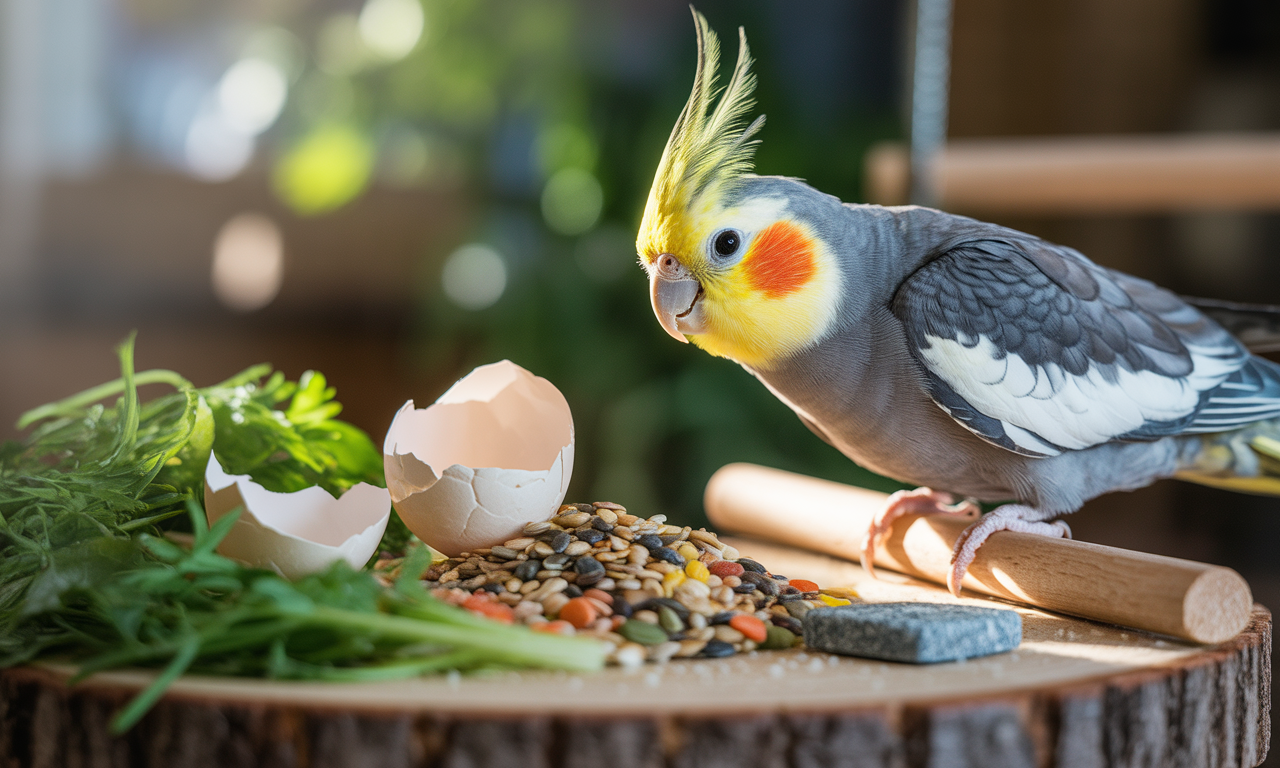
Nutrition is the heartbeat of how to care for a laying bird effectively. During the egg-laying period, your bird’s body works overtime — forming eggshells, maintaining energy levels, and nurturing developing embryos. Without the right balance of vitamins, minerals, and proteins, her health can decline quickly, leading to weak eggs, fatigue, or life-threatening complications such as egg-binding.
Start by ensuring a diet rich in calcium, the most critical nutrient for egg-laying. Offer natural calcium sources like cuttlebone, crushed boiled eggshells, or calcium-enriched mineral blocks. Combine these with a variety of seeds, fresh leafy greens, sprouted grains, and small portions of fruits such as apple or papaya. Avoid feeding only seeds — while convenient, seed-only diets lack essential amino acids and vitamins that keep her strong and active.
A mother bird also needs extra protein for muscle strength and feather recovery. Offer boiled egg whites, soaked pulses, or specially formulated breeding supplements recommended by avian veterinarians. Maintaining adequate vitamin D3 intake is equally important since it helps the body absorb calcium. If your bird stays indoors, ensure she gets a few hours of filtered sunlight daily, as this natural exposure helps regulate her hormonal cycles and improves eggshell quality.
Hydration, though often overlooked, plays a vital role in how to care for a laying bird properly. Always provide clean, fresh water — and consider adding electrolyte drops or apple cider vinegar (in minimal quantity) once or twice a week to support digestion and immune health.
Finally, observe her eating habits closely. If she starts refusing food or becomes unusually lethargic, consult an avian vet immediately. Nutritional deficiencies can escalate fast during the breeding phase. By focusing on balanced nutrition, you’re not just feeding your pet — you’re empowering her to lay strong, viable eggs and care for her hatchlings confidently. That’s the essence of how to care for a laying bird — supporting her from the inside out.
Maintain Ideal Temperature and Humidity
A stable environment is one of the most critical aspects of how to care for a laying bird successfully. Birds are highly sensitive to temperature and humidity changes, and even minor fluctuations can disrupt their laying cycle or harm developing embryos. The comfort of the mother bird and the safety of her unhatched chicks depend on maintaining a warm, calm, and balanced atmosphere throughout the nesting period.
For most small to medium-sized pet birds, such as budgies, cockatiels, or parakeets, the ideal temperature range is 25°C to 30°C (77°F to 86°F). Anything colder may cause the bird to shiver or abandon her eggs, while excessive heat can lead to dehydration and stress. Position the cage in a draft-free area, away from windows or air conditioners, and avoid direct sunlight that could overheat the nest. Using a room thermometer helps you track fluctuations and ensures consistency.
Humidity also plays a vital role in how to care for a laying bird during incubation. The right humidity level, ideally between 50% and 60%, keeps the eggshells from drying out and allows chicks to hatch without difficulty. If your home environment is dry, lightly mist the nesting area once a day with clean water using a fine spray bottle — but always ensure the eggs and bedding remain slightly moist, never soaked.
Lighting rhythm and airflow are equally important. Maintain 10 to 12 hours of natural daylight and provide gentle ventilation without exposing the nest to direct wind. Fresh air circulation prevents mold buildup and keeps oxygen levels balanced for the mother and her growing chicks.
Finally, keep environmental stress minimal. Avoid moving the cage or changing its location frequently. Subtle stability helps the mother bird trust her surroundings and focus entirely on her eggs. When the temperature and humidity remain steady, her instincts take over naturally — allowing the eggs to develop healthily and the chicks to hatch with stronger vitality. This delicate harmony of environment and care perfectly reflects the essence of how to care for a laying bird with wisdom and love.
Assist Hatchlings During and After Hatching
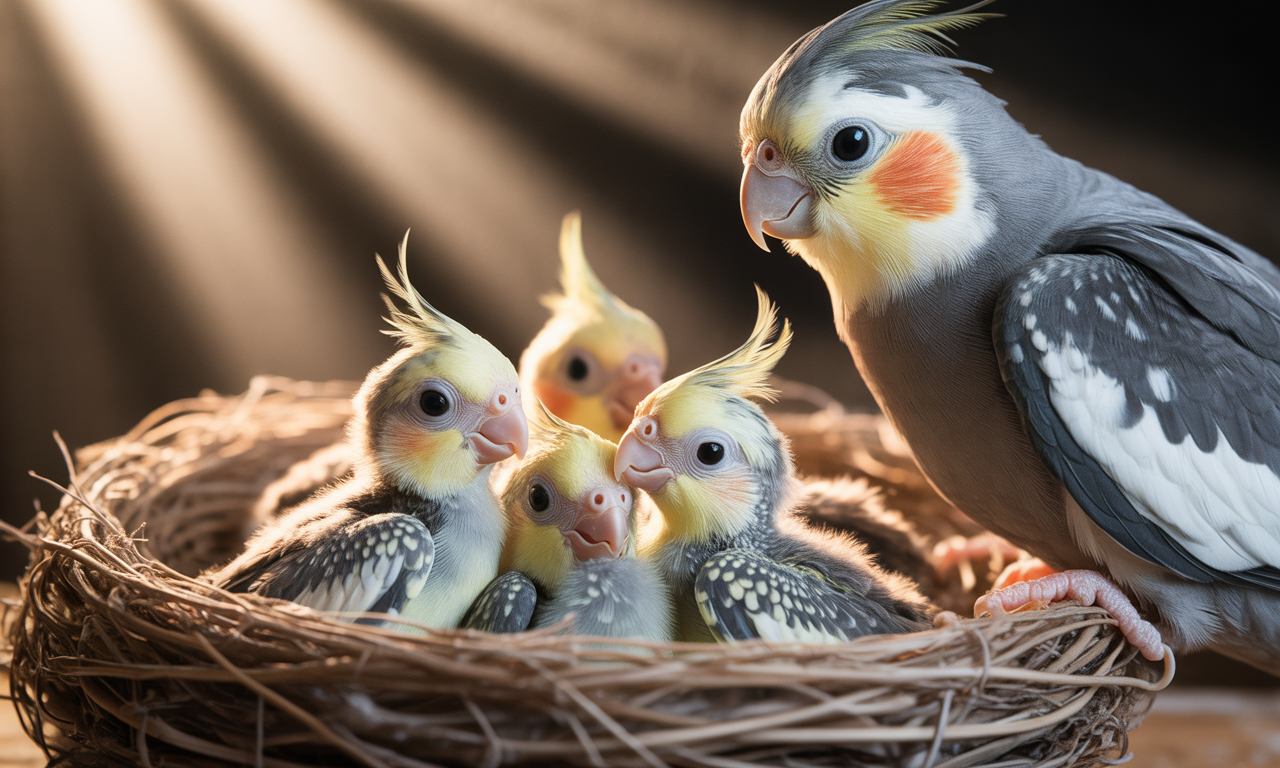
The moment a tiny beak cracks through an eggshell is pure magic — a fragile chirp announcing the beginning of new life. But this delicate process also demands patience, awareness, and restraint from the owner. Knowing how to care for a laying bird includes understanding when to step in — and when to simply observe nature take its course.
During hatching, the mother bird instinctively regulates temperature, humidity, and turning of the eggs. Your primary role is to maintain stable conditions and minimize stress. Avoid loud sounds, sudden movements, or frequent checking of the nest. Excessive interference can frighten the mother and delay the hatching process. If you must inspect the eggs, do so quietly and briefly, preferably when the mother steps away to eat or stretch.
Sometimes, a chick may struggle to break the shell due to weak muscle strength or slightly dry conditions. Resist the urge to help unless absolutely necessary. If a chick has been partially emerged for more than 24 hours without progress, you may lightly mist the eggshell with warm water to soften it — but never peel or break it manually. This gentle method ensures safety without disrupting natural hatching rhythms.
After the chicks hatch, the real challenge of how to care for a laying bird begins. The mother bird becomes highly protective and may act aggressively if she feels threatened. Maintain a peaceful atmosphere and avoid handling the chicks during their first few days. Allow her to feed, warm, and bond with them — this bonding stage is essential for healthy emotional development.
Ensure that the cage remains clean and hygienic. Replace soiled nesting materials gently without disturbing the chicks. Keep the temperature steady and provide extra nutrition to the mother — especially soft food mixes, boiled eggs, or finely mashed vegetables that she can easily feed to her babies.
Within a few days, the hatchlings will begin to chirp, stretch, and demand more food. Observing this natural growth while maintaining the balance of safety, warmth, and love defines how to care for a laying bird and her newborns at home. With patience and gentle observation, you’ll witness one of nature’s most beautiful transformations — from egg to thriving life.
Observe Behavior and Handle With Care
Observation is one of the most underestimated aspects of how to care for a laying bird. While food, warmth, and nesting space are essential, consistent attention to her behavior reveals the real state of her health and emotional comfort. Every bird has unique instincts during motherhood — some become quiet and nurturing, while others turn anxious or defensive. Reading these cues helps you adapt your care routine intelligently and prevent complications before they occur.
A calm, attentive mother bird spends most of her time sitting on her eggs or feeding her chicks. However, if she begins pacing the cage, plucking her feathers, or avoiding the nest, these are early signs of stress or discomfort. Check for common triggers such as excessive noise, bright lighting, temperature fluctuations, or an overcrowded cage. These minor stressors can quickly escalate into major issues like neglecting hatchlings or even egg rejection.
Handling also plays a crucial role in how to care for a laying bird responsibly. During this sensitive stage, physical contact should be kept to a minimum. Avoid sudden hand movements or attempts to pet her while nesting — birds in maternal mode are protective and may interpret touch as a threat. If you must move her cage or clean the surroundings, do so slowly, speaking softly to reassure her. Maintaining predictable daily routines helps her feel secure and reduces anxiety.
Keep a close eye on her posture, appetite, droppings, and general energy. Lethargy, fluffed feathers, or loss of appetite could indicate calcium deficiency or infection, which requires immediate veterinary attention. Observing behavior also means watching the chicks — whether they’re feeding well, growing consistently, and responding to warmth and light.
Above all, patience is your strongest tool. Learning how to care for a laying bird means understanding that progress often happens quietly. Small behavioral improvements — like gentle chirping, regular feeding, or peaceful nesting — are signs of trust and emotional balance. By respecting her space, staying consistent, and responding with empathy, you create an atmosphere where the mother bird and her hatchlings can thrive together in harmony.
Common Questions About Bird Egg Laying and Hatchling Care
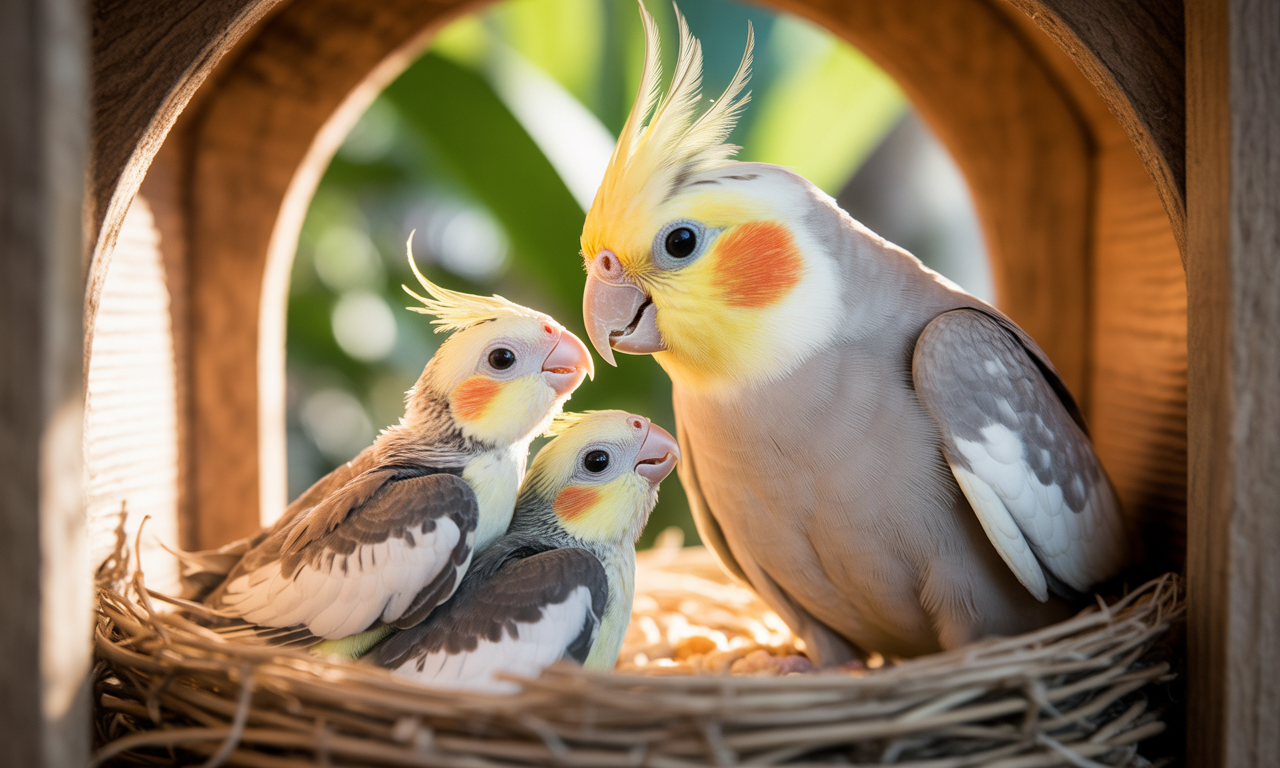
Understanding how to care for a laying bird often brings a wave of questions — especially for new bird parents who want to do everything right. Below are some of the most frequently asked questions that bird owners have, along with clear, experience-based answers that can help guide your nurturing journey.
Q1. Can I touch my bird’s eggs without causing harm?
It’s best to avoid touching the eggs unless absolutely necessary. Frequent handling may transfer human scent and cause stress to the mother, making her suspicious of the nest. If you must inspect the eggs, wash your hands thoroughly and keep the contact brief. This minimal approach is a smart step in learning how to care for a laying bird safely.
Q2. How long does it take for the eggs to hatch?
The incubation period varies by species, typically lasting between 14 to 28 days. During this time, maintaining temperature, humidity, and a calm environment is crucial. Avoid moving the nest or disturbing the mother — her warmth and consistency are vital parts of how to care for a laying bird successfully.
Q3. What should I do if my bird refuses to sit on her eggs?
If the mother abandons her eggs, it might be due to stress, inexperience, or illness. In such cases, consider using a small incubator to maintain the proper warmth and humidity for the eggs. Simultaneously, focus on restoring her health through nutrition and rest — both essential aspects of how to care for a laying bird compassionately.
Q4. How can I keep the chicks warm if the mother rejects them?
You can use a temperature-controlled brooder or a small heating pad set on low, covered with a soft towel. Keep the area around 30°C (86°F) and monitor it carefully. Feed the chicks with a vet-approved hand-feeding formula every few hours until they become stronger. Providing warmth and consistency are key elements of how to care for a laying bird and her offspring in emergencies.
Q5. How do I know if my bird is ready to lay eggs again?
Signs include increased nesting behavior, shredding materials, and vocal changes. However, allow your bird’s body ample recovery time after each clutch. Overbreeding can weaken her physically and emotionally. Understanding her natural rhythm is part of the deeper wisdom behind how to care for a laying bird in the long run.
Q6. What should I feed the mother bird while she’s feeding her chicks?
Offer soft, easily digestible foods — such as mashed boiled eggs, finely chopped vegetables, and soaked seeds. Fresh water is a must, changed twice daily. These foods help her regain strength and produce nutritious regurgitated feed for her babies, forming the core of how to care for a laying bird after hatching.
Curiosity and gentle awareness are your greatest allies. Every answer you seek about how to care for a laying bird comes down to one guiding principle — let nature lead, and you simply support it with kindness, patience, and consistent care.
Conclusion
Caring for a laying bird is one of the most heart-touching experiences a bird parent can ever have. It’s a delicate dance between observation and compassion — where every small gesture, every grain of feed, and every moment of patience contributes to the miracle of new life. Understanding how to care for a laying bird is not just about following steps; it’s about tuning into her emotions, respecting her rhythm, and building an environment where she feels utterly safe and supported.
When you maintain the right balance of warmth, nutrition, cleanliness, and quiet, your bird naturally thrives. She becomes confident, protective, and peaceful — her instincts guiding her to nurture her eggs and hatchlings with love. From preparing the perfect nesting space to ensuring gentle lighting and steady humidity, every effort you make deepens the bond of trust between you and your feathered friend.
Remember, learning how to care for a laying bird is also learning how to let nature express itself freely. Your role is that of a guardian — a gentle presence who ensures her world remains calm, balanced, and full of positive energy. As you watch her chicks emerge, grow, and chirp for the first time, you’ll realize that your patience and dedication have created a tiny world of harmony inside your home.
Now it’s your turn —
💬 Which part of this nurturing journey touched your heart the most?
Share your experiences, photos, or questions in the comments below.
Your story could help another bird parent understand how to care for a laying bird better — and together, we can create happier, healthier homes for every feathered soul.
💡Looking for something different? Check out our latest post here: https://birdsheavencare.com/how-to-calm-a-stressed-bird/