Discover the top 10 questions bird parents ask vets — from diet to stress management. Learn expert-approved ways to keep your feathered friend healthy and thriving.
- Introduction
- How Do I Know If My Bird Is Healthy or Sick?
- What’s the Right Diet for My Pet Bird?
- Why Is My Bird Plucking Feathers?
- How Do I Prevent Common Bird Diseases?
- How Can I Make My Bird Trust Me?
- What Vaccinations or Supplements Does My Bird Need?
- How Can I Tell If My Bird Is in Pain?
- How Can I Help My Bird Live Longer?
- 🐦 FAQ — Questions Bird Parents Ask Vets
- 🌿 Conclusion
Introduction
Every loving bird parent knows the feeling — that quiet worry when your parakeet skips a meal, your cockatiel sits puffed up for hours, or your parrot suddenly stops chirping. Birds are masters of hiding discomfort, and what looks like a tiny change in behavior can often be a sign of something serious. This is where the right knowledge — and the right questions — make all the difference.
Veterinarians agree that most pet bird issues could be prevented if owners simply knew what to ask during their checkups. Over time, these recurring questions bird parents ask vets have revealed one clear truth: informed caregivers raise healthier, happier birds. Whether you’re a first-time bird owner or a lifelong avian enthusiast, understanding what your vet wants you to know can transform how you care for your feathered friend.
When your bird can’t tell you it’s hurting or stressed, your curiosity becomes its voice. Asking thoughtful, informed questions helps you catch problems early — from diet deficiencies to behavioral changes — before they become emergencies. The most common questions bird parents ask vets range from “Why is my bird plucking feathers?” to “How often should I schedule a checkup?” and even “What’s the best way to build trust with my bird?” Each answer opens a window into the fascinating world of avian health and behavior.
In this post, we’ll explore the top 10 questions bird parents ask vets, along with expert answers straight from experienced avian specialists. You’ll learn how to spot subtle signs of illness, optimize nutrition, understand behavior, and create an environment that supports both physical and emotional health. By the end, you’ll have the knowledge — and confidence — to make every vet visit more meaningful and every day with your bird more joyful.
Because when you ask the right questions, you’re not just learning about your pet — you’re building a lifelong bond based on care, trust, and understanding.
How Do I Know If My Bird Is Healthy or Sick?
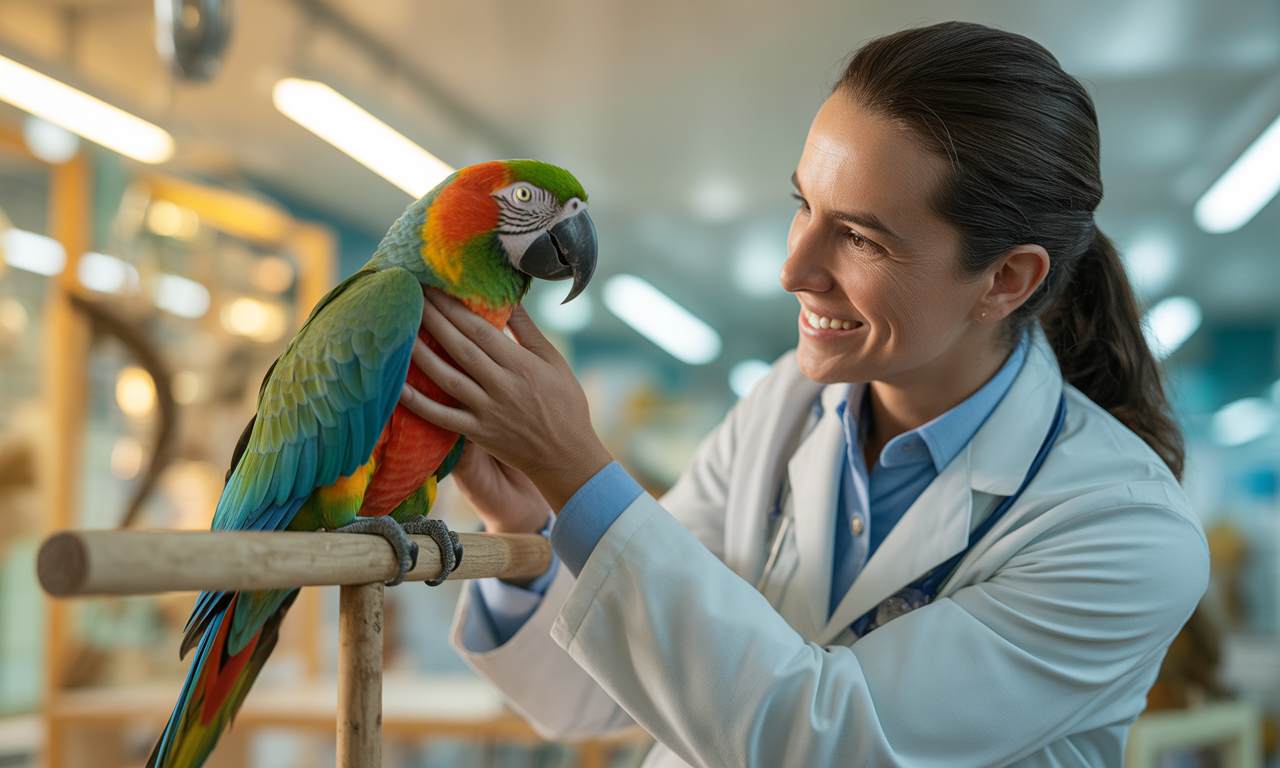
For many new and even experienced bird owners, one of the most frequent questions bird parents ask vets is how to recognize the early signs of illness. Unlike dogs or cats, birds are experts at concealing discomfort — a trait that helps them survive in the wild but can be dangerous in captivity. A bird that seems quiet or slightly puffed up might already be fighting an infection, nutritional imbalance, or stress-related disorder.
Avian veterinarians emphasize observation as the first step in preventive care. Watch your bird’s posture, plumage, droppings, appetite, and vocalization daily. A healthy bird will appear alert, active, and curious, with smooth feathers, bright eyes, and clean nostrils. Any sudden change — such as sitting at the cage bottom, loss of appetite, fluffed-up feathers, or labored breathing — is a clear signal that something isn’t right. These subtle shifts often appear days before severe symptoms, which is why proactive monitoring is vital.
Another common concern among the questions bird parents ask vets involves droppings. Healthy droppings are typically well-formed with white urates and green or brown fecal matter. Diarrhea, excessive water content, or blood spots are red flags that require immediate vet attention. Similarly, dull or discolored feathers may indicate vitamin deficiencies or liver issues, while overgrown nails and beaks can signal nutritional imbalance.
A simple yet powerful routine is to maintain a Bird Health Journal. Record your bird’s food intake, behavior patterns, molting periods, and vet visits. This small habit helps you and your vet detect early deviations that might otherwise go unnoticed.
Most importantly, remember that prevention always outweighs cure. Schedule annual avian checkups even if your bird seems fine. Early detection saves lives — and many vets note that owners who actively discuss these questions bird parents ask vets tend to have birds that live longer, happier, and more active lives.
🪶 Pro Tip: Observe your bird at different times of the day — morning energy, mid-day rest, and evening calm — to understand its natural rhythm and spot abnormalities early.
What’s the Right Diet for My Pet Bird?
Among the most common questions bird parents ask vets, one stands out above all — “Am I feeding my bird the right diet?”
Nutrition forms the foundation of your bird’s health, energy, feather quality, and even mood. Yet, it’s often the most misunderstood part of bird care. Many first-time owners assume a simple seed mix is enough, but vets strongly advise against a seed-only diet. Seeds are high in fat and low in essential vitamins and minerals, leading to obesity, liver disease, and feather loss over time.
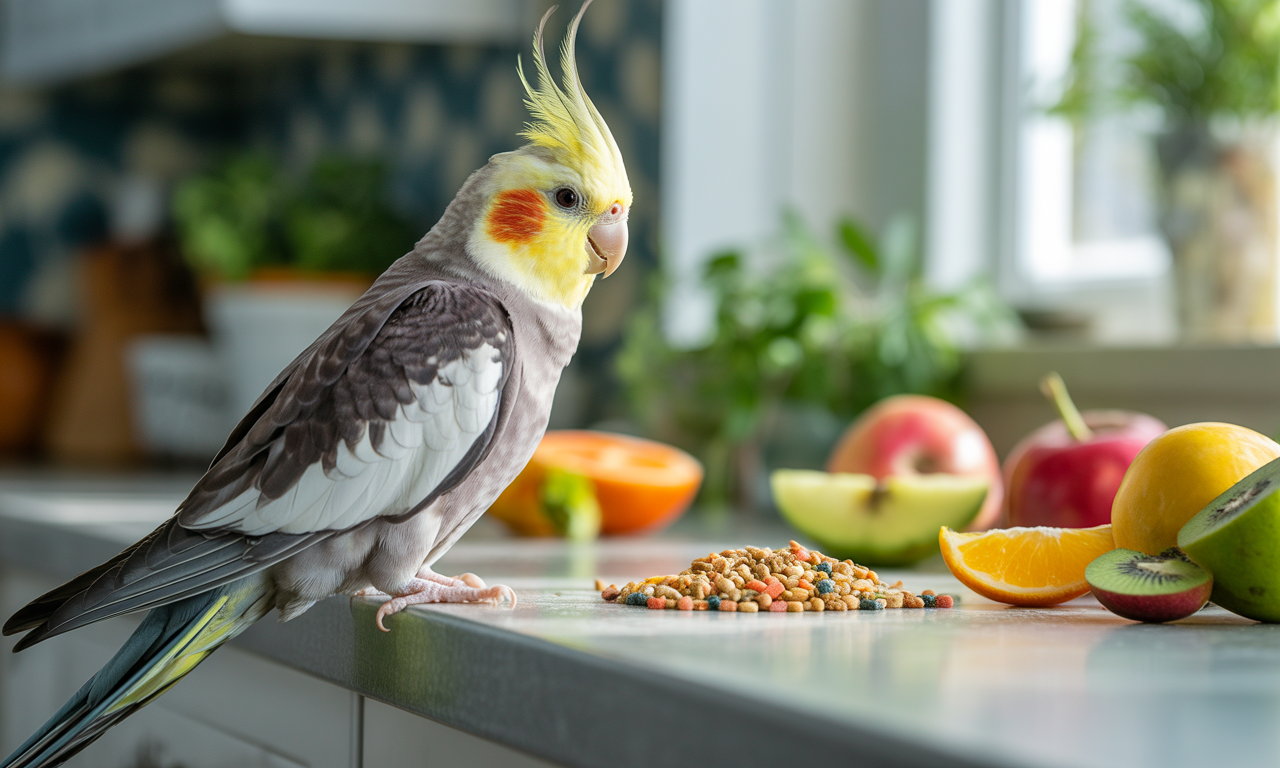
According to avian specialists, a balanced diet should mimic what your bird would eat in nature — diverse, colorful, and nutrient-rich. Ideally, your bird’s daily meal should consist of about 70% pellets, 20% fresh fruits and vegetables, and 10% seeds or treats. Fresh foods like spinach, carrots, bell peppers, apples, papayas, and leafy greens add crucial vitamins and antioxidants that promote immunity and vibrant plumage.
Another key aspect many owners overlook when asking these questions bird parents ask vets is hydration. Birds lose moisture quickly due to their small body size, so fresh, clean water should be available 24/7. Avoid placing water bowls directly under perches, where droppings may fall. Always replace water twice a day, and disinfect containers regularly to prevent bacterial buildup.
Supplements, too, are often discussed in avian consultations. Calcium, vitamin A, and omega-3 fatty acids support bone strength, beak health, and feather regeneration — but over-supplementation can be harmful. Always ask your vet for dosage and frequency before adding anything new to your bird’s diet.
Healthy eating also includes mental enrichment. Birds enjoy foraging — hiding bits of food in toys or puzzle feeders stimulates natural instincts and prevents boredom-related behaviors like feather plucking or screaming. It turns mealtime into playtime, which vets say is essential for psychological well-being.
Finally, remember that sudden dietary changes can shock your bird’s digestive system. Introduce new foods gradually, observing stool consistency and appetite. The most insightful questions bird parents ask vets revolve around personalization — what works best for one species might not suit another. A cockatiel’s needs differ from an African Grey’s, and a budgie’s metabolism won’t match a macaw’s.
🪶 Pro Tip: Use a variety of brightly colored foods. Birds are visual eaters — they’re drawn to colors like red, orange, and green, making it easier to transition from seed-based to balanced meals.
Why Is My Bird Plucking Feathers?
Among the most urgent questions bird parents ask vets, feather plucking ranks near the top. Watching a bird pull out its own feathers can be heartbreaking — and often, owners mistake it for a simple behavioral quirk. In truth, feather plucking is a complex issue that can stem from medical, environmental, or emotional causes. Recognizing the underlying reason early can mean the difference between temporary stress and chronic self-harm.
Understanding the Causes
Avian veterinarians emphasize that feather plucking is rarely caused by a single trigger. It’s often a combination of factors — from poor diet and skin irritation to hormonal imbalance, boredom, or trauma. Nutritional deficiencies, especially in vitamin A, calcium, and omega-3 fatty acids, can dry out the skin and cause itchiness. Parasites like mites or fungal infections may also create irritation that drives compulsive plucking.
However, in many cases, feather plucking is psychological. Birds are highly intelligent, social beings who crave mental stimulation and companionship. When deprived of interaction, entertainment, or a stable routine, they may turn to feather-pulling as an outlet for stress, anxiety, or loneliness. Many owners only discover this connection when consulting vets — hence why it’s one of the most revealing questions bird parents ask vets during annual checkups.
Identifying the Warning Signs
Early signs of feather plucking include uneven patches on the chest or wings, broken feather shafts, and inflamed skin. You may also notice restlessness, irritability, or excessive preening. Unlike molting, where feathers shed naturally and symmetrically, plucking leaves random bald spots or downy fluff scattered in the cage.
Vets often perform diagnostic tests such as skin scrapings, feather cultures, or blood panels to rule out medical issues before addressing behavior. Once physical causes are eliminated, the focus shifts to enrichment and emotional health — key themes across many questions bird parents ask vets related to behavior.
Helping Your Bird Heal
Begin by enhancing your bird’s daily environment. Provide a rotation of toys, safe foraging opportunities, and at least two hours of social interaction daily. Natural sunlight or full-spectrum lighting helps regulate hormonal balance, reducing stress. Adding mild misting sessions or supervised showers can soothe dry skin and calm the nervous system.
For severe cases, behavioral therapy or temporary protective collars may be prescribed. However, the most powerful remedy is consistency — a stable environment, predictable schedule, and plenty of positive reinforcement. Birds thrive on familiarity and trust; when they feel secure, self-destructive habits gradually fade.
🪶 Pro Tip: Keep a daily “Feather Log.” Note when and where plucking occurs — morning, evening, during solitude, or after a change in environment. This pattern helps your vet pinpoint whether the cause is medical, behavioral, or hormonal.
How Do I Prevent Common Bird Diseases?
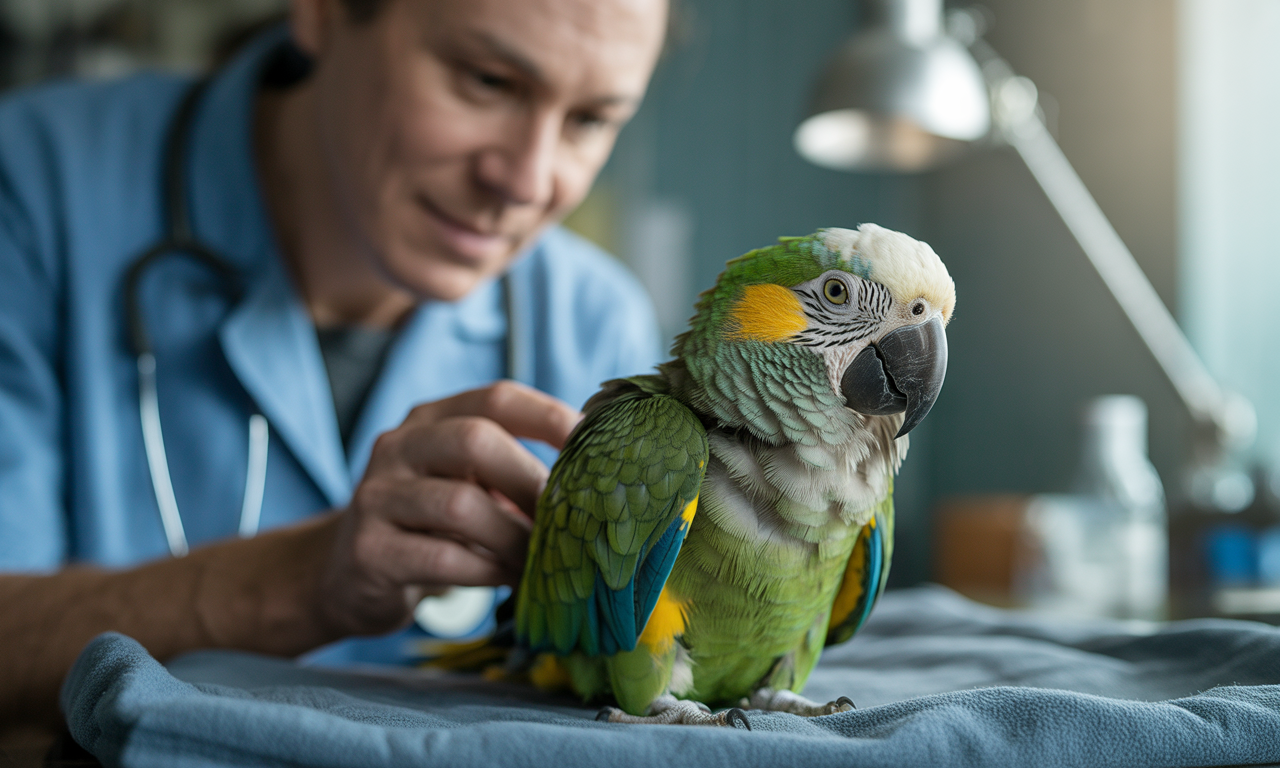
When it comes to preventive care, one of the most vital questions bird parents ask vets is how to stop diseases before they start. Prevention is not only easier than cure — it’s also the surest way to ensure your bird enjoys a long, vibrant life. Birds may appear cheerful even when they’re unwell, so proactive health management is key.
1. Hygiene and Habitat Maintenance
Cleanliness forms the cornerstone of avian wellness. A dirty cage can quickly become a breeding ground for bacteria, fungi, and parasites. Wash food and water bowls daily with mild soap and rinse thoroughly. Replace cage liners every 24 hours and disinfect perches and toys weekly using a bird-safe solution. Avoid using harsh chemicals or scented products — avian respiratory systems are extremely sensitive.
Many questions bird parents ask vets revolve around the right way to clean without stressing the bird. Experts recommend natural sunlight exposure for at least an hour a day — UV rays help kill microbes while boosting vitamin D synthesis. Proper ventilation, along with avoiding overcrowding, drastically lowers disease risk in multi-bird households.
2. Balanced Diet and Immune Support
Nutrition plays a direct role in disease prevention. Birds fed a well-rounded diet of pellets, greens, fruits, and seeds have stronger immunity and more stable metabolisms. Deficiencies in calcium, vitamin A, or omega-3 fatty acids make birds vulnerable to respiratory infections, feather disorders, and weak bone density.
Avian veterinarians often remind owners that certain human foods are toxic — chocolate, caffeine, avocado, onion, and alcohol should never be part of a bird’s diet. Many of these warnings arise from the practical questions bird parents ask vets during their first few appointments.
Adding supplements or probiotics should always be done under professional guidance. Too much of a good thing — even vitamins — can upset internal balance.
3. Quarantine and Monitoring
Whenever a new bird joins your flock, enforce a minimum 30-day quarantine in a separate cage and room. This allows time to detect hidden illnesses such as psittacosis, mites, or avian pox without risking your existing birds. Daily observation during this period — checking droppings, energy levels, and feather texture — helps spot early warning signs.
Regular weighing also plays a crucial role. Even a few grams of unexplained weight loss can signal infection or organ stress. A digital gram scale is a simple yet powerful tool that every bird parent should own.
4. Routine Vet Visits and Vaccinations
Finally, prevention depends on partnership — your consistent care combined with your vet’s expertise. Annual health checks allow early detection of conditions like fatty liver disease, bacterial infections, or beak deformities. Some species may require specific vaccinations or deworming schedules depending on local risks.
Many successful bird owners who actively ask these questions bird parents ask vets develop long-term health plans personalized to their bird’s species, environment, and lifestyle. That’s the hallmark of responsible, informed bird parenting.
🪶 Pro Tip: Keep a “Wellness Calendar” — mark cleaning days, diet adjustments, molting periods, and vet visits. Preventive routines not only improve lifespan but also deepen your bond through mindful observation.
How Can I Make My Bird Trust Me?
Of all the heartfelt questions bird parents ask vets, this one carries the deepest emotion — “How do I make my bird trust me?” Building trust with a bird is not just about training; it’s about forming a bond grounded in patience, consistency, and respect. Birds are sentient, intelligent beings capable of love and fear, and trust must be earned, not demanded.
1. Understand the Bird’s Perspective
To your bird, you’re a towering creature entering its world — a potential threat until proven safe. Many questions bird parents ask vets arise from misunderstanding this simple truth. Birds rely on predictability and calm energy. Sudden movements, loud voices, or forced handling can quickly erode their sense of security. Instead, sit quietly near the cage, talk softly, and let your bird observe you. With time, it will start associating your presence with safety rather than fear.
Eye contact also matters. Direct stares may feel intimidating, so use gentle, side glances while speaking. Gradually, your bird will start mirroring your tone, movements, and mood — a clear sign that trust is blooming.
2. Positive Reinforcement Works Wonders
Reward-based interaction is at the heart of every successful bond. Offer small treats — millet sprays, sunflower seeds, or bits of fruit — whenever your bird approaches you voluntarily. Use your voice as a reinforcement tool; cheerful tones and gentle praise help birds recognize your approval.
Avian behaviorists often mention in interviews that one of the most rewarding questions bird parents ask vets is how to train their birds to step up or whistle on command. The answer always begins with trust. Avoid punishments or “time-outs.” Birds remember negative experiences vividly, and rebuilding broken trust can take months.
3. Create a Routine of Safety and Affection
Routine is the language of trust. Birds thrive on consistency — fixed feeding hours, regular playtimes, and predictable lighting help them feel secure. Allow out-of-cage time daily in a safe, enclosed space where your bird can stretch and explore freely. Gentle touch, like offering a finger perch instead of grabbing, teaches that human interaction is enjoyable, not threatening.
Soft music, slow blinking, and calm talking create a peaceful emotional environment. Over time, these small rituals help even shy or rescued birds open their hearts. Many questions bird parents ask vets come from owners of previously mistreated birds; with patience and positive care, even trauma can transform into trust.
4. Reading Body Language
Birds communicate constantly through posture, feather position, and sound. A relaxed stance, fluffed chest, and soft chirps indicate comfort. Flattened feathers, rapid head turns, or biting show discomfort. Respect these signals. Never force affection — trust is a gift, not a command.
🪶 Pro Tip: Set aside 15–20 minutes daily as “bonding time.” Speak gently, offer treats, or read aloud near your bird’s cage. Over weeks, your consistency will teach your bird that your presence means peace, not pressure.
What Vaccinations or Supplements Does My Bird Need?
Among the most practical questions bird parents ask vets, this one often sparks confusion. Many bird owners aren’t sure whether their feathered companions require vaccines like cats or dogs do — or which supplements are truly beneficial. The truth is, vaccination and supplementation depend on the bird’s species, environment, diet, and exposure risk. Let’s break down what avian vets recommend for a healthy, disease-resistant life.
1. Understanding Bird Vaccinations
Unlike mammals, not all birds need regular vaccinations. In fact, only a few specific diseases have vaccines approved for avian species. The Polyomavirus vaccine is one of the most common; it protects against a deadly infection that primarily affects young parrots and budgerigars. Another preventive shot sometimes discussed during questions bird parents ask vets is for Psittacosis (Parrot Fever) — though it’s not widely used, awareness of this zoonotic disease (transmissible to humans) remains essential.
Your avian vet will determine whether vaccination is necessary based on your bird’s species, age, and risk of exposure. For instance, birds frequently taken to shows, fairs, or breeding environments face higher risks than those kept indoors.
Even if your bird doesn’t need vaccines, annual blood tests and fecal exams are vital. They detect early infections, nutritional deficiencies, or liver imbalances long before symptoms appear.
2. Essential Supplements for Optimum Health
Nutritional supplementation is another topic that frequently arises in questions bird parents ask vets. While a well-balanced diet should meet most nutritional needs, modern indoor living and processed feeds can leave small gaps. The most commonly recommended supplements include:
- Calcium: Crucial for egg-laying females and growing chicks. Prevents brittle bones and egg-binding.
- Vitamin A: Supports vision, immune function, and feather health. Deficiency can cause nasal discharge and poor feather color.
- Vitamin D3: Helps calcium absorption, especially for indoor birds lacking natural sunlight exposure.
- Omega-3 fatty acids: Improve skin, feathers, and heart health. Found naturally in flaxseed and chia.
Remember, more isn’t always better. Over-supplementation can harm liver and kidney function. Always follow your vet’s dosage instructions or use species-specific formulas.
3. Probiotics and Natural Boosters
Many avian specialists now recommend adding probiotics — especially after antibiotic treatments — to maintain gut balance and improve immunity. Apple cider vinegar (in very small, vet-approved doses) and herbal teas like chamomile or fennel water can serve as natural wellness boosters. These holistic solutions are increasingly popular among owners seeking gentle alternatives, as reflected in rising questions bird parents ask vets about natural remedies.
🪶 Pro Tip: Keep supplements in airtight containers and store them away from direct sunlight. Replace every six months — expired or oxidized vitamins lose potency and may cause digestive irritation.
How Can I Tell If My Bird Is in Pain?
This is one of the most emotionally charged questions bird parents ask vets — because recognizing pain in birds isn’t always easy. Unlike mammals, birds instinctively hide discomfort to avoid appearing weak to predators. This natural defense mechanism makes early detection challenging, even for experienced owners. Yet, learning to recognize subtle cues can be life-saving.
1. Behavioral Signs of Pain
Changes in behavior are the first red flags. A cheerful, chirpy bird that suddenly turns quiet, fluffed up, or irritable may be suffering. Some birds may sleep more, stop playing, or resist handling. When this happens, the underlying issue could range from injury to infection or even internal organ stress.
During clinic visits, avian vets often mention that one of the first questions bird parents ask vets is why their bird seems “sad” or “less interactive.” In many cases, these emotional changes are the earliest signs of discomfort. Trust your instincts — if something feels off, it probably is.
2. Physical Indicators
Body language never lies. Look out for these visible pain markers:
- Fluffed feathers for extended periods (not just during rest).
- Hunched posture or sitting at the bottom of the cage.
- Labored breathing or tail bobbing with each breath.
- Decreased appetite or refusal to eat favorite treats.
- Limping, favoring one foot, or avoiding perches.
In advanced cases, birds may pluck their feathers or vocalize differently — softer, shorter chirps, or even silence. Observing such changes and bringing them up during vet consultations helps pinpoint causes faster.
3. Monitoring Droppings and Energy Levels
Subtle shifts in droppings — color, texture, or frequency — can also indicate pain or internal illness. For instance, watery droppings may point to stress or infection, while dark green or black stools can signal liver issues or bleeding. Keep a daily log of your bird’s droppings and activity levels. Such records help vets identify patterns, and this habit stems directly from the practical questions bird parents ask vets about symptom tracking.
🪶 Pro Tip: Invest in a small digital scale. Weigh your bird weekly. Even a minor drop in weight can signal hidden pain or disease progression long before outward symptoms appear.
4. When to See a Vet Immediately
Seek immediate veterinary help if you notice the following:
- Continuous open-mouth breathing
- Blood in droppings or around the beak
- Inability to perch or fly
- Sudden collapse or seizure-like behavior
Never attempt self-treatment. Birds metabolize medications differently, and even human-safe drugs can be toxic to them. A certified avian vet is always your safest ally.
🩺 Remember: Recognizing pain isn’t just about observation — it’s about empathy. The more time you spend quietly watching your bird, the better you’ll understand its normal rhythms and spot distress early.
How Can I Help My Bird Live Longer?
Among the most heartfelt questions bird parents ask vets, one stands out every time — “How can I help my bird live longer?” This question is a reflection of love, care, and the unspoken bond between bird and human. The truth is, longevity in birds isn’t a secret formula; it’s the result of consistent care, emotional connection, and environmental awareness.
1. Nutrition: The Foundation of Longevity
A long, healthy avian life begins with a balanced diet. The majority of questions bird parents ask vets about bird lifespan often link to nutrition errors — seed-only diets, lack of greens, or excessive treats. A species-appropriate meal plan should include:
- Pellets (60–70%) — formulated for complete nutrition.
- Fresh vegetables (20–25%) — kale, spinach, bell peppers, carrots.
- Fruits (5–10%) — papaya, berries, apples (no seeds).
- Occasional seeds and nuts as training rewards.
Clean, chlorine-free water should always be available. Avoid avocados, chocolate, caffeine, and salty foods — they are toxic to most species. Proper nutrition isn’t just about feeding; it’s about fueling longevity.
2. Mental and Emotional Stimulation
Birds are intelligent creatures that crave social engagement. Boredom can lead to feather plucking, depression, and even early mortality. Some of the most common questions bird parents ask vets concern birds who “don’t seem happy anymore.”
Interactive toys, foraging puzzles, and regular talking or singing sessions help stimulate their minds. Rotate toys weekly to prevent monotony. Social species like parrots especially benefit from daily interaction and companionship.
🪶 Pro Tip: Play soft nature sounds or classical music for 20 minutes daily. It keeps your bird calm and mentally active, even when you’re away.
3. The Importance of Routine Vet Checkups
Routine avian vet visits — ideally twice a year — are non-negotiable. Even subtle weight changes or droppings variation can indicate early disease. These checkups answer many essential questions bird parents ask vets regarding disease prevention, vaccinations, and dietary adjustments.
Your vet may recommend blood tests, beak and nail trimming, or adjustments to light exposure cycles (especially for hormonal balance).
4. Creating a Safe and Enriching Environment
Bird safety goes beyond cages. Avoid placing cages near kitchens, scented candles, or air fresheners — birds have sensitive respiratory systems. Use stainless-steel cages, not painted or galvanized ones. Provide natural wood perches of varying thickness to prevent foot strain.
Sunlight exposure is vital. At least 30 minutes of early morning or filtered sunlight helps Vitamin D synthesis, essential for calcium metabolism.
5. Emotional Bonding and Trust
Love keeps birds alive longer. They remember kindness, tone, and touch. The joy of gentle interaction, mutual communication, and trust-based training strengthens immunity and emotional well-being. Birds who feel secure live calmer, healthier, and often longer lives.
As many questions bird parents ask vets reveal, emotional health directly influences physical health. A bird that feels loved rarely succumbs to stress-induced illness.
Got it ✅
Here’s the final consolidated ending block for your blog post “Ask the Avian Vet: Top 10 Questions Every Bird Parent Asks”, including:
- ✅ FAQ Section (Schema-ready)
- ✅ Conclusion + CTA
- ✅ Glossary (Schema-ready)
- ✅ SEO Metadata
- ✅ All 5 Image Prompts with ALT Texts
- ✅ External Links for citation & authority
🐦 FAQ — Questions Bird Parents Ask Vets
Q1. What are the most common questions bird parents ask vets?
A1. The most common include diet recommendations, feather plucking causes, vaccination needs, and behavioral changes. These questions bird parents ask vets help improve daily bird care practices.
Q2. How often should I take my bird to the vet?
A2. At least twice a year. Regular exams help catch hidden infections, parasites, or nutritional imbalances early.
Q3. Should I vaccinate my bird?
A3. Not all birds need vaccines. Polyomavirus is one of the few commonly recommended ones. Always consult your avian vet.
Q4. Can emotional stress cause illness in birds?
A4. Yes. Chronic stress weakens immunity and leads to feather loss, appetite issues, and behavioral shifts.
Q5. How can I tell if my bird is healthy?
A5. A healthy bird has bright eyes, smooth feathers, clean droppings, and active behavior. Lethargy or fluffed feathers often signal illness.
Q6. What’s the best diet for long-term health?
A6. A mix of pellets, fresh vegetables, fruits, and occasional seeds ensures balanced nutrition. Avoid avocado, chocolate, and caffeine.
Q7. How do I help my bird live longer?
A7. Provide good food, mental stimulation, social interaction, and regular checkups — the true secrets behind the questions bird parents ask vets about longevity.
🌿 Conclusion
Caring for birds goes far beyond food and shelter — it’s about understanding, compassion, and commitment. Each of the questions bird parents ask vets opens a window into better communication and care. Whether it’s decoding subtle health signs or improving your bird’s happiness, being proactive makes all the difference.
By applying these insights, you’re not just answering your own doubts — you’re becoming your bird’s best advocate. 🕊️💬 Ready to make your feathered friend’s life healthier and happier?
Start by scheduling your next avian vet checkup or exploring natural enrichment ideas. Share your questions or personal stories in the comments — your experience could inspire other bird parents too!
💡Looking for something different? Check out our latest post here: https://birdsheavencare.com/bird-adoption-success-stories/