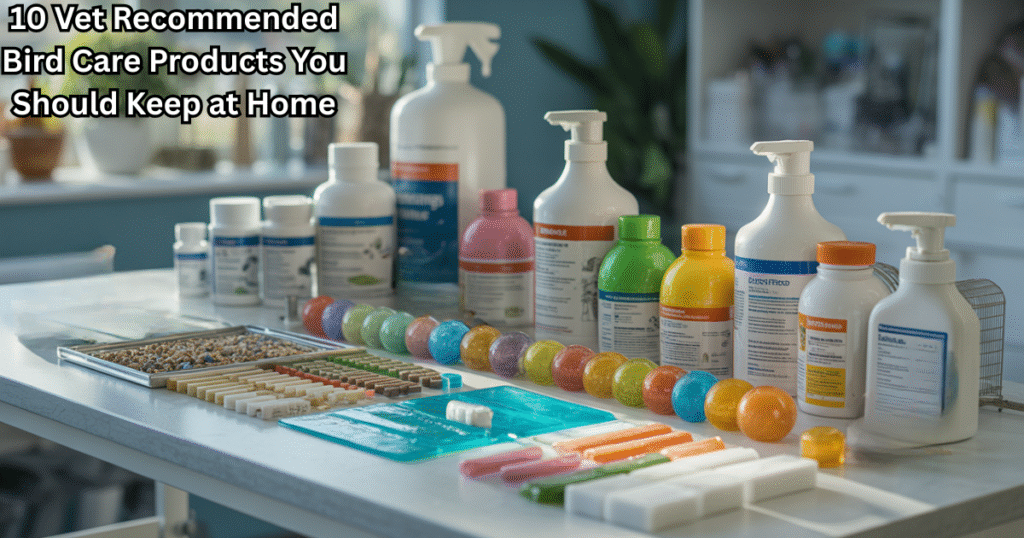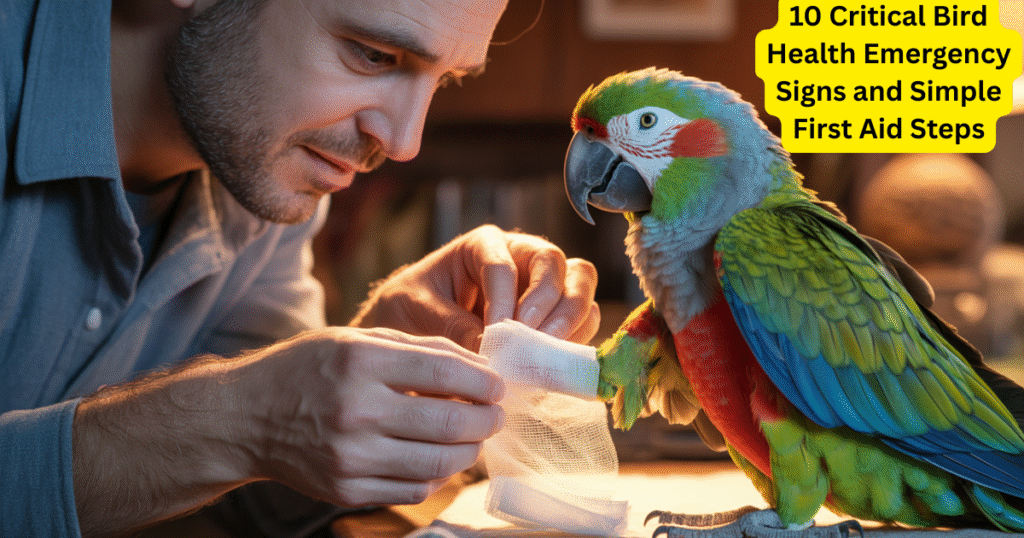
Discover how a simple weekly bird health checklist can help prevent illness, improve feather health, and keep your pet bird active and happy year-round.
Introduction
If you’ve ever watched your bird fluff its feathers, sing joyfully, or hop around in curiosity, you know how much energy and spirit these little companions bring into your life. But just like humans, birds need regular care to stay in peak condition. Illness in birds often develops quietly — a small change in behavior or appetite today could signal something serious tomorrow. That’s why creating and following a weekly bird health checklist isn’t just helpful; it’s essential.
Many bird owners focus on feeding or cleaning but overlook subtle cues like drooping wings, dull eyes, or irregular droppings — early signs of health decline. Birds are masters at hiding weakness, so by the time visible symptoms appear, it may already be too late for simple remedies. A weekly bird health checklist bridges that gap — turning observation into prevention.
Imagine having a simple routine that covers everything: nutrition, grooming, hygiene, feather condition, and even emotional well-being. This structured approach doesn’t take much time, but it drastically reduces the risk of respiratory infections, digestive issues, and stress-induced disorders. More importantly, it builds a stronger bond between you and your bird as you learn to understand its silent language.
In this guide, we’ll explore seven simple yet powerful steps to help you design and use your weekly bird health checklist effectively. Whether you’re a new pet parent or a seasoned bird enthusiast, these preventive practices will help you detect problems early, nurture overall wellness, and ensure your feathered friend lives a longer, happier life — chirping, preening, and thriving every day.
Observe Daily Behavior and Activity

The first step in your weekly bird health checklist begins with observation — the most powerful, yet often underrated, form of preventive care. Birds communicate through body language long before physical symptoms appear. Learning to read these cues helps you identify changes early, keeping illnesses from developing unnoticed.
Start each morning by spending a few quiet minutes simply watching your bird. Notice how she perches, preens, sings, and interacts. Is her energy level the same as usual? Does she fluff her feathers more than normal or stay still for long periods? Even subtle differences in behavior can hint at stress, infection, or discomfort. The key is consistency — record short notes daily in your weekly bird health checklist, marking any deviations in appetite, chirping patterns, or posture.
Behavioral tracking becomes even more important during molting, seasonal shifts, or after dietary changes. If your bird suddenly becomes less playful or avoids food, it could signal fatigue or digestion issues. Likewise, overactive or restless behavior might indicate anxiety or hormonal imbalance. By comparing each week’s notes, you’ll start recognizing natural rhythms versus red flags.
Owners who consistently monitor and log daily activities report fewer health crises and faster recovery when problems arise. The weekly bird health checklist turns your casual observation into a structured health diary — a simple tool that transforms intuition into action. Over time, you’ll begin to understand your bird’s emotions and physical cycles like never before — creating a bond based on trust, awareness, and genuine care.
Maintain Clean Living Conditions
Cleanliness is one of the strongest defenses against illness — yet it’s often underestimated by even the most caring owners. A spotless cage doesn’t just look appealing; it directly protects your bird from harmful bacteria, mites, fungi, and airborne pathogens. That’s why maintaining proper hygiene is a non-negotiable part of your weekly bird health checklist.
Bird droppings, leftover food, and unwashed water bowls can quickly turn into breeding grounds for disease. To prevent this, clean the cage thoroughly at least once a week, and perform quick wipe-downs daily. Replace paper linings or bedding material frequently to prevent odor buildup and microbial growth. Always use bird-safe disinfectants—avoid harsh chemical cleaners or aerosol sprays, as they can irritate your bird’s lungs.
The weekly bird health checklist should also include cleaning and rotation of toys, perches, and feeding dishes. Over time, droppings and feather debris can accumulate in tiny corners, causing infections on the feet and beak. Soak accessories in warm, soapy water once a week and rinse them thoroughly before returning them to the cage.
Air quality plays a crucial role, too. Birds are highly sensitive to airborne toxins. Keep the room well-ventilated and avoid exposure to smoke, perfume, or cooking fumes. For extra protection, use a small HEPA purifier to maintain fresh air circulation around your bird’s space.
Finally, ensure the cage is positioned in a well-lit but draft-free corner. A clean and calm living environment not only prevents disease but also promotes emotional security and better sleep. Every sparkling perch and sanitized dish you maintain through your weekly bird health checklist becomes an act of love — ensuring your feathered friend thrives in a safe, healthy sanctuary.
Balance Diet and Hydration
A healthy diet is the cornerstone of your weekly bird health checklist because what your bird eats directly influences immunity, feather condition, and energy. Many health issues — from dull plumage to digestive problems — begin with unbalanced nutrition or poor hydration. Ensuring variety, freshness, and portion control keeps your bird thriving from the inside out.
Start by providing a diverse seed and pellet mix as the foundation of daily feeding. Supplement it with fresh vegetables and fruits like spinach, broccoli, carrots, apple slices, or papaya. Rotate items throughout the week to supply different vitamins and minerals. Calcium sources such as cuttlebone or crushed eggshell powder should appear regularly on your weekly bird health checklist to strengthen bones and support muscle function.
Hydration is equally vital but often overlooked. Birds lose water quickly due to rapid metabolism. Replace drinking water twice a day and rinse bowls before refilling to prevent bacterial buildup. During hot or dry weather, offer small amounts of electrolyte water or mist your bird gently to prevent dehydration.
Avoid fatty treats, avocado, chocolate, or salty snacks — these can silently stress your bird’s liver and kidneys. Instead, keep a rotation of safe snacks like millet sprays, cucumber slices, or sprouted seeds for enrichment. If your bird refuses new foods, mix them gradually with familiar favorites to build acceptance.
Tracking diet and hydration in your weekly bird health checklist helps you notice trends early — like reduced appetite, weight loss, or over-drinking — which may indicate illness. A balanced diet doesn’t just fuel your bird; it protects her long-term health, boosts mood, and makes feathers gleam with vitality.
Grooming and Feather Care
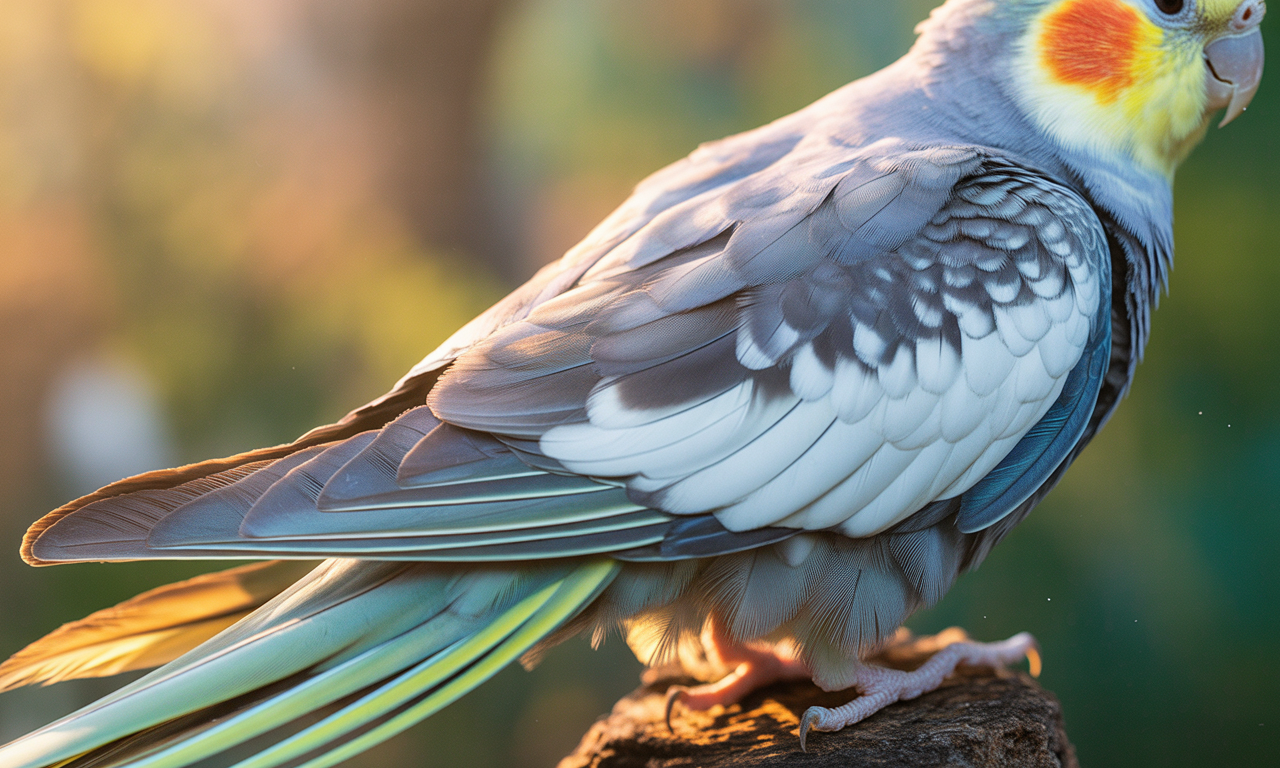
A bird’s feathers are not just for beauty — they’re vital for flight, temperature regulation, and emotional expression. That’s why grooming and feather care should be a consistent part of your weekly bird health checklist. Clean, glossy feathers indicate proper nutrition, low stress, and good hygiene, while ragged or greasy plumage often signals hidden issues like mites, infection, or poor humidity.
Begin with regular bathing or misting. Most birds love gentle sprays of lukewarm water, which help remove dust and loose feathers. Offer a shallow bath two to three times a week, depending on species and weather. For reluctant bathers, softly mist them using a spray bottle set to fine droplets — never soak the bird entirely. This simple step prevents dry skin, promotes preening, and enhances feather texture.
Preening is a natural self-grooming ritual where birds realign feathers and distribute natural oils. Encourage this behavior by providing a clean environment and stress-free time after each bath. Avoid touching the feathers excessively, especially during molting seasons, as they may be sensitive or developing.
Include a safe nail and beak check in your weekly bird health checklist. Overgrown nails can snag on perches, and beaks that grow unevenly may signal dietary imbalance. Offer natural perches made of different textures and cuttlebones to maintain natural wear.
Environmental factors matter too. Maintain moderate humidity (45–55 %) and provide filtered sunlight or full-spectrum lighting to keep plumage vibrant. A gentle grooming routine strengthens trust between you and your bird — turning care time into bonding time. With consistent attention through your weekly bird health checklist, your feathered friend will stay radiant, confident, and comfortable in every season.
Check Respiration and Droppings
Two of the clearest windows into your bird’s internal health are the way it breathes and what it excretes. That’s why respiratory and waste observation deserve a permanent place in your weekly bird health checklist. Subtle changes here can reveal problems days before visible illness appears.
Begin with breathing patterns. A healthy bird breathes quietly through the nostrils with barely noticeable chest movement. Watch for wheezing, tail-bobbing, or open-mouth breathing—these may indicate infection or poor air quality. If you detect such signs, move your bird to a well-ventilated space and check the room for irritants like aerosol sprays, smoke, or excessive dust. Note any deviations in your weekly bird health checklist and observe whether the symptoms persist for more than a day or two.
Next, inspect droppings daily. Normal droppings consist of three parts: the solid fecal portion, the white urates, and a clear liquid component. Any dramatic color or texture change—greenish tint, excessive liquid, or foul odor—can point to dietary imbalance, dehydration, or infection. Comparing each week’s notes in your weekly bird health checklist helps you spot patterns, such as reduced waste after diet changes or stress events.
Keep in mind that mild variation is normal after new foods or environmental adjustments. However, persistent irregularities or visible blood should prompt a vet visit. Monitoring respiration and droppings regularly builds preventive insight—you’ll know your bird’s natural rhythms well enough to notice when something feels “off.” With patience and precision, this practice turns the weekly bird health checklist into your most reliable early-warning system, ensuring fast response and lasting wellness.
Schedule Play and Mental Stimulation
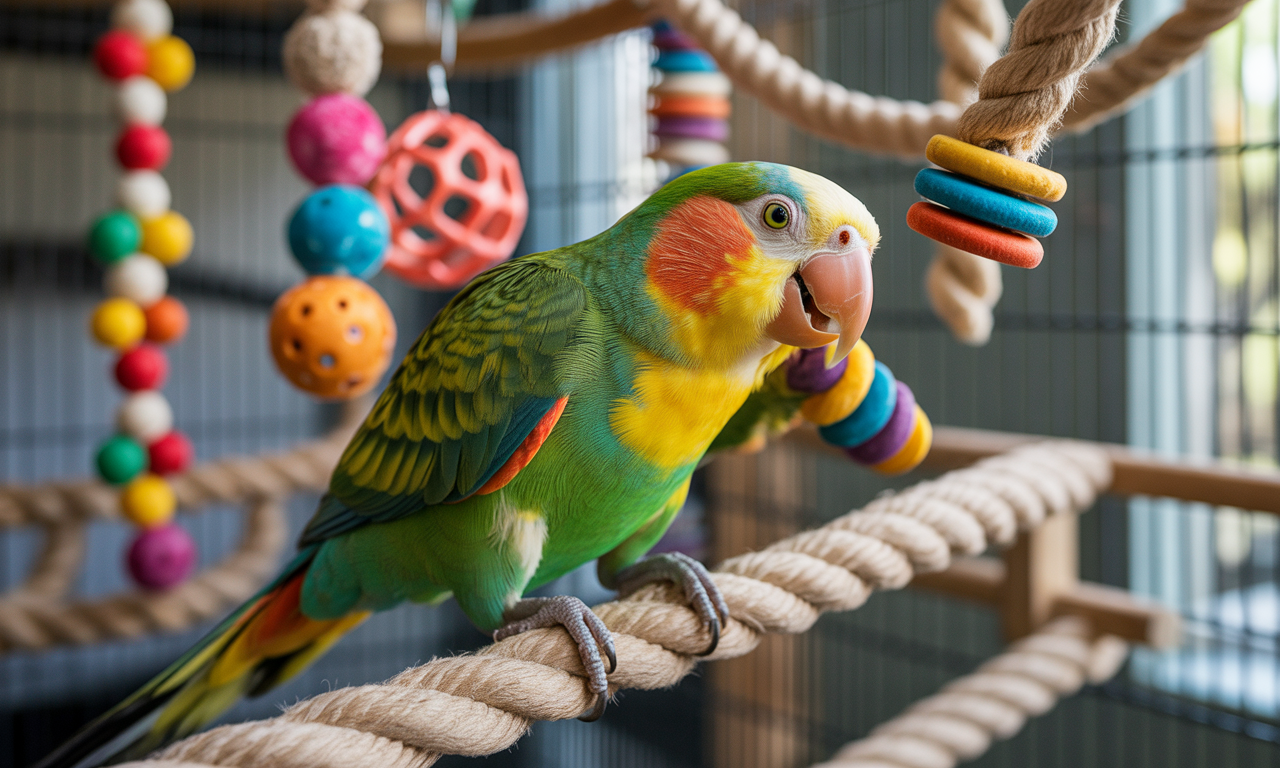
Just like humans, birds thrive not only on nutrition and rest but also on engagement and joy. Mental stimulation and play are essential for a bird’s emotional and physical health, and they deserve a special spot in your weekly bird health checklist. A bored or understimulated bird can develop destructive habits like feather plucking, screaming, or aggression — all signs of suppressed energy and stress.
Begin by setting aside at least 30 minutes daily for play and social interaction. Rotate toys frequently to prevent monotony; birds are highly intelligent creatures that crave novelty. Include safe chew toys, bells, ropes, or even paper shredders for enrichment. Note your toy rotation in the weekly bird health checklist to ensure variety and prevent overuse of any one item.
Allow your bird to experience supervised free-flight time or gentle out-of-cage exploration. This not only strengthens muscles but also builds confidence. Birds that can move and explore regularly exhibit better appetite, stronger feathers, and improved sleep cycles. Mental activity stimulates healthy hormonal balance, which in turn boosts immunity — one of the ultimate goals of preventive care.
Interaction goes beyond toys. Talk softly, whistle familiar tunes, or teach simple commands. Birds recognize voice tone and energy — your calm communication nurtures trust and relaxation. For social species like parrots and cockatiels, emotional bonding through gentle eye contact and shared activities is as important as food and water.
Finally, include “Play & Enrichment Review” in your weekly bird health checklist. Use it to track which games your bird enjoys most, and notice changes in interest or energy. Regular play strengthens the heart, mind, and bond you share — transforming routine care into genuine companionship and long-term wellness.
Perform Mini Vet Assessments
While professional checkups are essential, regular mini assessments at home bridge the gap between visits. Including self-check routines in your weekly bird health checklist helps you identify subtle signs of illness early, saving time, money, and, most importantly, your bird’s health. These quick scans take just a few minutes but can make a world of difference in prevention.
Start by conducting a visual inspection every week. Observe your bird’s eyes — they should be clear, bright, and free of discharge. Cloudy or watery eyes can signal infection or vitamin deficiency. Next, examine the beak and nostrils. The beak should be symmetrical and smooth, with no crusts or overgrowth. Blocked nostrils or mucus buildup may indicate respiratory distress. Add these checks to your weekly bird health checklist so they become a consistent part of your care routine.
Weighing your bird weekly is another effective habit. Sudden weight loss, even as little as 5%, can be the first sign of internal illness. Use a small digital bird scale and note the reading in your checklist. Consistent tracking reveals patterns that help you adjust diet, hydration, or exercise before issues escalate.
Inspect the feet and claws for redness, swelling, or scaling. These can result from dirty perches, vitamin deficiency, or arthritis in older birds. If you find abnormalities that persist beyond a week, contact your avian veterinarian promptly.
Finally, observe your bird’s breathing, posture, and overall demeanor during the assessment. Is she balanced while perching? Does she breathe quietly? Is her feather alignment smooth? Logging such observations in your weekly bird health checklist builds a reliable health record that your vet will find invaluable during annual visits.
Performing these mini checkups fosters awareness and confidence in your caregiving. You’re not replacing your vet — you’re complementing their work with consistent preventive action. A few mindful minutes each week can safeguard years of happiness, turning your weekly bird health checklist into a true guardian of wellness.
Seasonal Adjustments & Preventive Add-ons
Every season brings its own challenges for birds — from summer dehydration to winter chills — and adapting care routines accordingly ensures your feathered friend’s resilience. Seasonal awareness is what separates good pet care from great pet care, and it deserves a dedicated space in your weekly bird health checklist.
Spring and Summer:
As temperatures rise, hydration and ventilation become top priorities. Refresh water twice daily and add mild electrolytes once a week to replenish lost minerals. Mist your bird gently or provide shallow baths to cool the body naturally. Maintain proper cage shade to prevent overheating, and check for increased insect activity, as flies and mites breed faster in heat. Add “check for mites or feather lice” to your weekly bird health checklist during these months.
Monsoon and Humid Seasons:
High humidity can lead to bacterial and fungal infections. Keep perches, toys, and feeders extra dry. Use natural disinfectants like diluted apple-cider vinegar or vet-approved sprays. Monitor droppings closely — excess moisture or mold growth signals that the environment needs better air circulation.
Autumn and Winter:
Cooler weather calls for warmth and immunity boosters. Place the cage away from cold drafts and use soft cotton covers at night. Introduce vitamin supplements or natural herbs such as basil and ginger in moderation to strengthen respiratory health. Include a “temperature comfort check” and “respiratory watch” note in your weekly bird health checklist.
Across all seasons, preventive add-ons like probiotics, herbal teas, and enrichment routines maintain balance. Rotate immune-boosting practices monthly to prevent tolerance buildup. Observe molting phases carefully and increase calcium-rich foods during feather regeneration.
These small, mindful adjustments transform your care into a living rhythm — one that moves with nature. By following your weekly bird health checklist through changing seasons, you give your pet not just consistency but also adaptability — the secret to long, joyful, and illness-free years together.
🧩 FAQ
Q1. How often should I follow a weekly bird health checklist?
You should review your weekly bird health checklist at least once every seven days, with small daily observations. This keeps you aware of subtle behavioral or physical changes that can help prevent illness early.
Q2. What are the most common signs of illness I should look for?
Watch for fatigue, loss of appetite, feather plucking, changes in droppings, or labored breathing. Document these observations in your weekly bird health checklist — early detection allows faster recovery and fewer vet emergencies.
Q3. Can I make my own weekly bird health checklist at home?
Absolutely! You can design a simple chart with columns for behavior, diet, cleaning, grooming, and activity levels. Tailor it to your bird’s species and environment for more accurate tracking.
Q4. How does playtime help prevent illness in birds?
Mental stimulation improves emotional balance, lowers stress hormones, and boosts immunity. Logging play routines in your weekly bird health checklist helps ensure your bird stays happy, active, and stress-free.
Q5. Should I still visit a vet if I maintain a weekly bird health checklist?
Yes. Regular home monitoring complements — not replaces — professional care. Vets can spot internal issues invisible to the eye, and your detailed checklist notes provide valuable context for diagnosis.
Q6. What changes should I make during seasonal transitions?
Adjust your weekly bird health checklist to include temperature checks, humidity control, and immune-boosting foods during seasonal shifts. Adapting routines prevents respiratory infections and feather issues year-round.
🌿 Conclusion
Preventive care isn’t complicated — it’s consistent. By following a weekly bird health checklist, you’re not only protecting your bird from illness but also building a relationship based on trust, awareness, and love. Every small action — a clean cage, a fresh bowl of water, or a few minutes of observation — adds up to a lifetime of well-being.
This simple weekly routine turns everyday care into a proactive habit that safeguards your feathered companion’s health. With each checkmark on your weekly bird health checklist, you’re taking another step toward preventing disease, promoting happiness, and ensuring your bird feels secure and loved.Now it’s your turn!
💬 Which step from this guide will you add first to your weekly bird health checklist?
Share your experience or customized version in the comments below — your insights could inspire and educate hundreds of other bird lovers around the world. Together, let’s make every week a healthy week for our feathered friends.
💡Looking for something different? Check out our latest post here: https://birdsheavencare.com/bird-post-breeding-care/