Discover the top 5 safe herbs for birds — basil, mint, parsley & more. Vet-approved guide for natural healing, better feathers, and calm behavior.
- 🌿 Introduction: Nature’s Healing Secrets for Feathered Companions
- 🌿 Why Herbs Matter in a Bird’s Diet
- 🌿 Top 5 Safe Herbs for Birds (With Expert-Approved Benefits)
- 🌱 How to Safely Introduce Herbs to Your Bird’s Diet
- 🛑 Herbal Safety Checklist: What to Avoid and How to Identify Toxic Herbs
- 🌿 Conclusion: Nature’s Pharmacy for Feathered Friends
- ❓ Frequently Asked Questions (FAQ)
- 📘 Glossary of Key Terms
🌿 Introduction: Nature’s Healing Secrets for Feathered Companions
Did you know that your feathered friend’s wellness can often be nurtured straight from your kitchen garden?
While modern avian nutrition focuses on pellets and formulated feeds, nature still holds a timeless secret — safe herbs for birds that have been quietly supporting avian health for centuries. From basil that strengthens immunity to chamomile that soothes anxiety, herbs can do wonders when used wisely.
For many bird owners, the challenge isn’t love — it’s confusion.
Which herbs are safe? Which might harm your parrot, budgie, or cockatiel? Can everyday kitchen herbs truly boost vitality without risk? The truth is — not all herbs are created equal. Some are powerful healers, while others may disturb your bird’s sensitive digestive system. That’s why understanding the difference between beneficial and toxic herbs is crucial to keeping your bird happy and healthy.
In this guide, we’ll explore the top 5 safe herbs for birds that avian experts and holistic vets swear by. These natural botanicals don’t just flavor your bird’s meals — they enhance feather quality, improve digestion, strengthen immunity, and even uplift mood. Whether you have a chirpy budgie or a majestic African Grey, these herbs can bring calm, balance, and vitality into their daily lives.
Herbal care isn’t about replacing medical treatment — it’s about complementing it naturally. When used correctly, safe herbs for birds act as gentle detoxifiers and mood stabilizers, helping to regulate metabolism and promote long-term wellness. Each herb discussed in this post — from dandelion to mint — is chosen not just for safety but for its science-backed health benefits.
By the end of this article, you’ll not only know which herbs belong in your bird’s bowl but also why they matter.
So, let’s dive into the fragrant, colorful, and surprisingly powerful world of safe herbs for birds — and unlock nature’s pharmacy for your feathered family members. 🌿🕊️
🌿 Why Herbs Matter in a Bird’s Diet
Have you ever watched a wild parrot nibble on leaves, seeds, and flowers with instinctive precision? Birds in nature don’t just eat for hunger — they forage for healing. Every bite provides something functional: detoxification, energy, or stress relief. Unfortunately, most pet birds lose this natural advantage when confined to cages and commercial feeds. That’s where safe herbs for birds bridge the gap between instinct and modern nutrition.
Natural Healing Hidden in Feathers
Birds are finely tuned biological systems — sensitive to their environment, food, and even mood. When your bird consumes herbs like basil, mint, or chamomile, its body recognizes familiar compounds found in wild plants. These herbs contain antioxidants, vitamins, and anti-inflammatory agents that aid in digestion, feather regrowth, and immunity.
- Basil supports respiratory health and wards off infections.
- Chamomile calms nerves and enhances sleep quality.
- Dandelion acts as a natural detoxifier for the liver.
By introducing these safe herbs for birds, you’re not just feeding — you’re healing from within. Herbal nutrition mimics what nature intended, aligning your pet’s diet with its evolutionary biology.
Synthetic Supplements vs. Herbal Nutrition
While synthetic vitamin drops and processed feeds might look convenient, they often deliver isolated nutrients without natural synergy. Herbs, on the other hand, contain phytonutrients — plant-based compounds that work holistically. For example, parsley offers calcium, chlorophyll, and antioxidants together, supporting both bone strength and blood purification.
Using safe herbs for birds allows your pet to absorb nutrients the natural way — slowly, steadily, and efficiently. Unlike synthetic boosters, herbs nourish multiple organs simultaneously without overloading your bird’s system.
The Balancing Act: Nature’s Precision
The key lies in moderation. Too much of a good herb can still overwhelm a bird’s delicate system. Just like in the wild, balance is everything. Rotate herbs weekly and observe how your bird responds.
💚 Pro Tip: Create a “Herbal Rotation Chart” with five core herbs — basil, mint, parsley, chamomile, and dandelion. Offer one herb per day, allowing your bird’s body to benefit from a variety of nutrients without excess.
🌿 Top 5 Safe Herbs for Birds (With Expert-Approved Benefits)
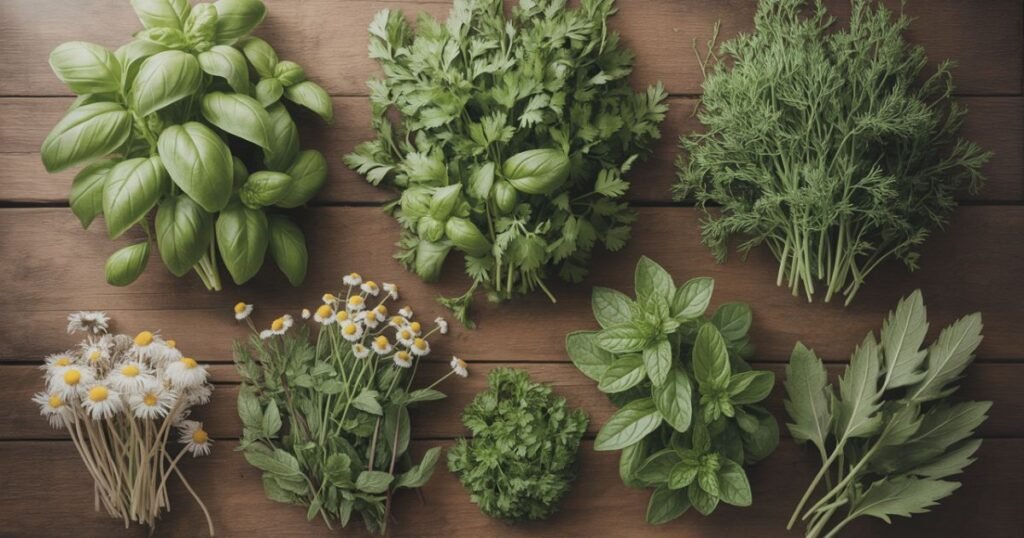
When it comes to enhancing your bird’s nutrition naturally, not all plants are created equal. Some herbs can uplift energy, strengthen immunity, and keep feathers glossy — while others might cause harm. Let’s explore the five most trusted and safe herbs for birds, carefully chosen by avian experts for both safety and wellness.
🪴 1. Basil — The Feather Protector
Problem: Birds often face recurring respiratory infections and weak immunity, especially during weather changes.
Explanation: Basil is one of the most powerful safe herbs for birds because of its antibacterial and antiviral compounds like eugenol and rosmarinic acid. These natural agents help purify the bloodstream and protect delicate airways from inflammation.
Solution: Offer fresh basil leaves in small, washed pieces — never more than two or three leaves daily. You can mix them into soft food or use dried basil flakes for aroma enhancement.
💚 Pro Tip: Combine basil with parsley once a week for a dual boost — while basil protects against infections, parsley aids detoxification.
🌿 2. Parsley — The Detox Hero
Problem: Birds living indoors often accumulate toxins due to processed diets and limited sunlight exposure.
Explanation: Parsley is loaded with chlorophyll, Vitamin K, and antioxidants that purify blood and support bone health. However, due to oxalic acid content, it should be fed in moderation. Still, it remains one of the safe herbs for birds when used wisely.
Solution: Chop fresh parsley finely and mix into vegetables or sprouted seeds twice a week. Avoid daily feeding for small species like finches or budgies.
💚 Pro Tip: Alternate parsley with dandelion leaves for a complete natural detox plan.
🍃 3. Mint — The Digestive Soother
Problem: Many birds suffer from mild digestive upsets or bloating due to seed-heavy diets.
Explanation: Mint contains menthol and natural digestive enzymes that soothe the stomach and reduce gas formation. It also refreshes the air around cages, making it one of the most versatile safe herbs for birds.
Solution: Add a single mint leaf to your bird’s water bowl for a light herbal infusion. You can also place mint sprigs inside the cage to create a refreshing environment.
💚 Pro Tip: If your parrot seems stressed or tired, try a mild mint-chamomile blend for both calm and digestion.
🌼 4. Chamomile — The Anti-Stress Herb
Problem: Birds often experience anxiety during storms, travel, or new environments.
Explanation: Chamomile is famous for its calming and sleep-promoting effects — not just for humans, but also for birds. It helps reduce aggression and feather plucking caused by stress, making it one of the most soothing safe herbs for birds.
Solution: Brew a weak chamomile tea (no sugar, no additives), let it cool, and offer a few drops in the water bowl once or twice weekly.
💚 Pro Tip: Spray diluted chamomile tea around the cage to create a calming aroma that eases your bird’s nerves.
🌼 5. Dandelion — The Feather Rejuvenator
Problem: Feather loss, dull plumage, and sluggish behavior often stem from liver toxicity or nutrient imbalance.
Explanation: Dandelion leaves and roots are rich in vitamins A, C, and K, along with potassium and iron. It detoxifies the liver, aids digestion, and enhances metabolism — making it one of the most revitalizing safe herbs for birds.
Solution: Offer a single dandelion leaf (washed and pesticide-free) twice a week. You can also mix dried leaves into soft food or mash.
💚 Pro Tip: Pair dandelion with mint for a rejuvenating “feather glow tonic.”
🌺 Summary Table: 5 Safe Herbs for Birds
| Herb Name | Primary Benefit | Usage Frequency | Safety Tip |
| Basil | Boosts immunity, fights bacteria | 2–3 times weekly | Fresh only, avoid excess stems |
| Parsley | Detoxifies and supports bones | 2 times weekly | Avoid daily feeding |
| Mint | Improves digestion, reduces gas | 3–4 times weekly | Use fresh or in water |
| Chamomile | Reduces stress and anxiety | 1–2 times weekly | Use mild tea form |
| Dandelion | Detoxifies liver, boosts energy | 2–3 times weekly | Ensure it’s pesticide-free |
🌱 How to Safely Introduce Herbs to Your Bird’s Diet

Herbs are powerful, but birds are delicate. Even safe herbs for birds can cause issues if introduced suddenly or in large amounts. Birds have sensitive digestive systems that need gradual adaptation to new foods. Think of this process as gently tuning a musical instrument — small changes make all the difference in creating harmony.
🐦 Start Small — One Herb at a Time
Problem: Many bird owners make the mistake of offering multiple herbs together, confusing the bird’s system and taste preferences.
Explanation: Birds need time to recognize new flavors and textures. Sudden changes in diet may lead to refusal or mild stomach upset. Even with safe herbs for birds, the key lies in introducing one herb at a time — in tiny portions — so the body can adapt naturally.
Solution:
- Begin with one small leaf or a few flakes once every two to three days.
- Observe droppings, activity level, and appetite for 48 hours before introducing another herb.
- If your bird enjoys the new herb, gradually increase frequency, not quantity.
💚 Pro Tip: Keep a “Herb Reaction Journal” — note how your bird reacts to basil, mint, or chamomile. Over time, you’ll identify favorites and sensitivities with confidence.
🌿 Fresh, Organic, and Pesticide-Free Only
Problem: Store-bought herbs may contain pesticide residues or preservatives that are toxic to birds.
Explanation: Birds metabolize chemicals differently from humans. Even trace amounts of pesticides can harm their liver and nervous system. That’s why choosing clean, untreated plants is essential when feeding safe herbs for birds.
Solution:
- Always wash herbs thoroughly in filtered water.
- Buy organic whenever possible or grow herbs yourself in small indoor pots.
- Avoid herbs with strong chemical scents or shiny coatings (signs of residue).
💚 Pro Tip: Grow a mini bird herb garden on your balcony or windowsill with basil, parsley, mint, and chamomile. This ensures safety, freshness, and continuous supply.
🌿 Rotate & Balance for Holistic Nutrition
Problem: Feeding the same herb repeatedly can lead to overexposure or nutrient imbalance.
Explanation: Just as in the wild, diversity ensures nutritional balance. Overuse of even safe herbs for birds like parsley (due to oxalates) or dandelion (due to diuretic effects) may cause mild deficiencies or dehydration.
Solution:
- Rotate herbs weekly — for example, basil on Mondays, parsley on Wednesdays, chamomile on Fridays.
- Include herbs in small mixed bowls with other greens and vegetables.
- Never replace complete meals with herbs; they are supplements, not staples.
💚 Pro Tip: Follow the “3-2-2 rule” — three types of herbs per week, two days of rest (no herbs), two repeat favorites based on your bird’s liking.
🌿 Monitor & Adjust According to Species
Problem: Not all birds metabolize herbs in the same way. What suits a parrot might not suit a finch or lovebird.
Explanation: Size, metabolic rate, and digestive capacity vary across species. Even within safe herbs for birds, quantity and frequency must be adjusted according to your bird’s type and age.
Solution:
- For budgies and finches, use herbs sparingly (half-leaf portions).
- For cockatiels or conures, moderate portions (1–2 small leaves).
- For larger parrots, slightly larger servings twice a week.
💚 Pro Tip: Consult an avian vet before introducing new herbs, especially if your bird is molting, breeding, or under medication.
🌼 Avoid These Common Mistakes
Even with the best intentions, mistakes happen. Here’s what to avoid when feeding safe herbs for birds:
❌ Mixing too many herbs at once
❌ Offering unwashed or pesticide-laden leaves
❌ Serving dried herbs in large amounts
❌ Using essential oils instead of fresh herbs
❌ Replacing complete meals with herbs
💚 Pro Tip: If in doubt, always start with fresh basil or chamomile — they’re among the mildest and safest choices for first-timers.
🛑 Herbal Safety Checklist: What to Avoid and How to Identify Toxic Herbs
When exploring natural feeding, one simple mistake can turn a well-intentioned act into danger.
Not every green leaf is safe, and even safe herbs for birds can become harmful when misused. Birds are far more sensitive than mammals — their livers metabolize chemicals differently, and even small doses of certain compounds can be toxic. That’s why a careful, informed approach is essential before you introduce any new herb to your bird’s diet.
⚠️ The Difference Between Healing and Harm
Problem: Many bird owners assume that if an herb is safe for humans, it must be safe for birds too — but that’s not always true.
Explanation: Birds have unique metabolisms, small body mass, and fragile digestive systems. For example, garlic and onion — often praised for antibacterial properties — are toxic to birds due to sulfur compounds that damage red blood cells. Similarly, herbs with caffeine or strong alkaloids, like black tea or pennyroyal, can harm your bird’s liver and kidneys.
Solution: Always cross-check herbs before offering them. Reliable avian sources such as The Association of Avian Veterinarians or Lafeber Veterinary Guides maintain lists of toxic plants and herbs.
💚 Pro Tip: When in doubt, avoid herbs from the Allium, Solanaceae, or Rubiaceae families — these commonly include onion, tomato leaves, and coffee plants, which are unsafe for birds.
❌ Common Herbs to Avoid
Even if they look harmless, these herbs should never be part of your list of safe herbs for birds:
| 🚫 Unsafe Herb | ⚠️ Reason for Avoidance |
| Garlic | Damages red blood cells, causes anemia |
| Onion / Chives | Causes oxidative stress in blood |
| Nutmeg | Contains myristicin — toxic to nervous system |
| Pennyroyal | Causes liver failure in small doses |
| Tarragon | Contains estragole, linked to liver toxicity |
| Comfrey | May cause internal bleeding with long-term use |
| Foxglove / Digitalis | Affects heart rate — fatal even in tiny amounts |
💚 Pro Tip: Post a small “Herb Safety Chart” near your bird’s cage or feeding area — this visual reminder prevents accidental mix-ups.
🌿 Recognizing Early Signs of Herb Toxicity
Problem: Birds can’t tell you when they feel unwell, so by the time symptoms appear, it may already be serious.
Explanation: Early detection is key. Signs like lethargy, loose droppings, appetite loss, or ruffled feathers often point to mild poisoning or digestive stress from unsafe herbs. Even excessive portions of safe herbs for birds like parsley or dandelion can temporarily upset metabolism.
Solution:
- Watch your bird closely for the first 24 hours after introducing any new herb.
- If you notice drooling, labored breathing, or green watery droppings — contact an avian vet immediately.
- Keep a record of every new food trial.
💚 Pro Tip: Keep activated charcoal handy (as advised by your vet) — it can help neutralize mild toxins in emergencies.
🌿 Safe Handling & Storage Practices
Problem: Even the safest herbs can lose nutrients or become harmful when stored incorrectly.
Explanation: Moisture and air exposure can cause mold, bacterial growth, and nutrient decay. Feeding moldy or wilted herbs can lead to fungal infections like aspergillosis in birds.
Solution:
- Store herbs in airtight glass jars, away from sunlight and humidity.
- Use fresh herbs within five days, or dry them naturally for later use.
- Avoid refrigeration for more than a week — cold condensation spoils herbs faster.
💚 Pro Tip: Rotate herb jars regularly, labeling each with harvest and expiry dates to ensure freshness.
🌿 Conclusion: Nature’s Pharmacy for Feathered Friends
Caring for your bird goes far beyond pellets and seed mixes — it’s about reconnecting them with nature’s healing rhythm. Using safe herbs for birds like basil, parsley, mint, chamomile, and dandelion gives your feathered companion access to nutrients and antioxidants that support their immune system, digestion, and emotional well-being.
The key lies in balance and observation. Start small, rotate herbs weekly, and always monitor your bird’s behavior and droppings. Remember — herbs are gentle healers, not replacements for veterinary care. They help maintain harmony between the body, mind, and environment.
Whether you’re a new bird parent or a seasoned enthusiast, incorporating safe herbs for birds into daily care nurtures vitality and joy — helping your feathered friend stay radiant, calm, and truly connected to the natural world. 🌿✨
❓ Frequently Asked Questions (FAQ)
Q1. What are the safest herbs for birds to eat daily?
The safest herbs include basil, mint, and chamomile. These safe herbs for birds are gentle, non-toxic, and beneficial for digestion and stress relief.
Q2. Can I feed my bird dried herbs instead of fresh ones?
Yes, but fresh herbs retain more nutrients. If using dried herbs, ensure they are free from additives and preservatives.
Q3. How often can I give herbs to my parrot or cockatiel?
Offer herbs 3–4 times a week. Rotate between 3–5 safe herbs for birds to maintain variety and nutritional balance.
Q4. Are herbal teas safe for birds?
Mild herbal teas like chamomile and mint can be offered in tiny diluted amounts once or twice weekly — avoid caffeine, sugar, and strong infusions.
Q5. What herbs should I never feed my bird?
Avoid onion, garlic, nutmeg, pennyroyal, and tarragon — these are toxic and not considered safe herbs for birds.
Q6. Can herbs help with feather plucking?
Yes. Chamomile and dandelion can calm stress and improve metabolism, which indirectly helps reduce feather plucking behavior.
Q7. Should I consult a vet before adding herbs to my bird’s diet?
Always yes — especially if your bird is on medication, breeding, or recovering from illness.
📘 Glossary of Key Terms
| Term | Definition |
| Phytonutrients | Natural plant compounds that promote health and prevent disease. |
| Oxalic Acid | A compound found in some herbs like parsley that can reduce calcium absorption in excess. |
| Detoxification | The process of cleansing toxins from the body to improve liver and kidney health. |
| Molting | The natural process where birds shed old feathers to grow new ones. |
| Foraging | Natural behavior of birds to search for food, promoting mental stimulation. |
👉Looking for something different? Check out our latest post here: https://birdsheavencare.com/bird-pair-bonding-guide/